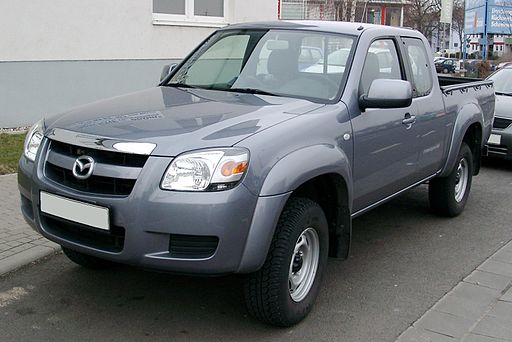
Mazda BT-50 faults
The Mazda BT-50 is a midsize pickup truck that has earned a reputation for reliability and solid performance, both as a workhorse and a daily driver. However, like many vehicles, there are common faults that have been reported by owners, especially as the truck ages or with higher mileage. Below are some of the most well-known issues with the Mazda BT-50, including technical details about each fault.
1. Transmission Issues
- Problem: Some Mazda BT-50 owners, particularly those with the 5-speed manual or 6-speed automatic transmissions, have reported rough shifting, hesitation, or difficulty getting the transmission into gear.
- Cause: This can be caused by worn-out clutch components (in manual versions) or faulty transmission control modules (in automatic versions). It’s also possible for low or dirty transmission fluid to cause shifting problems.
- Solution: Regularly change the transmission fluid and monitor for leaks. If the problem persists, the clutch or transmission may need to be inspected and possibly replaced or repaired. Some owners have also had success with software updates or recalibrating the transmission control module.
2. DPF (Diesel Particulate Filter) Problems (Diesel Models)
- Problem: Diesel-powered Mazda BT-50s, particularly those with the 2.2L and 3.2L diesel engines, can experience issues with the Diesel Particulate Filter (DPF). The DPF can become clogged, which results in the vehicle going into “limp mode,” where performance is reduced, and the engine may struggle to accelerate or idle.
- Cause: The DPF is responsible for trapping harmful particulates from the exhaust gases. If the DPF fails to regenerate (clean itself) properly due to short trips, low-quality fuel, or infrequent long-distance driving, it can become clogged and trigger warning lights.
- Solution: Regular long-distance driving helps to keep the DPF clean. If the problem is persistent, the DPF may need to be manually cleaned or replaced. Some owners also report the need for a software update to reset the system or clear the warning lights.
3. Engine Overheating
- Problem: Engine overheating has been reported in some Mazda BT-50 models, particularly in those with the 3.2L turbo diesel engine. This can lead to the engine running hotter than normal or the temperature gauge reading higher than expected.
- Cause: The overheating issue may be due to a faulty thermostat, a leaking radiator, or a malfunctioning cooling fan. In some cases, the issue can be exacerbated by a blocked radiator or a failing water pump.
- Solution: Regularly inspect the cooling system, especially the radiator, water pump, and hoses, for leaks and damage. If the thermostat is stuck or the fan isn’t working properly, replacing these components should fix the problem.
4. Suspension and Steering Problems
- Problem: Some BT-50 owners have reported issues with the suspension, including worn-out shocks or struts, causing excessive bouncing, noise, or a rough ride. Steering problems, such as clunking noises or difficulty turning the steering wheel, have also been noted.
- Cause: Worn-out suspension components such as shocks, struts, and control arm bushings are often to blame. Power steering fluid leaks or a failing power steering pump could also cause steering issues.
- Solution: Regularly inspect suspension components for wear, especially if the vehicle is used for heavy towing or off-road driving. Replacing the shocks, struts, or other suspension parts will usually resolve these problems. For steering issues, check the power steering fluid and inspect the pump, hoses, and steering rack.
5. Electrical System Failures
- Problem: Electrical issues, such as intermittent failure of lights, sensors, or malfunctioning electronics (e.g., power windows or central locking), have been reported by some BT-50 owners.
- Cause: These issues are often traced to faulty wiring, blown fuses, or defective components such as the alternator or battery. Loose or corroded electrical connections can also contribute to these faults.
- Solution: Regularly inspect and clean the battery terminals and connections. If electrical components malfunction, checking for blown fuses or damaged wiring should be the first step. Replacing the alternator or faulty sensors might be necessary for persistent electrical problems.
6. Fuel System Issues
- Problem: A few BT-50 owners have experienced fuel system issues, such as difficulty starting the engine, poor fuel efficiency, or the engine running roughly.
- Cause: These issues can be caused by clogged fuel injectors, a malfunctioning fuel pump, or contaminated fuel (e.g., water or dirt in the fuel tank). Over time, fuel filters can also become clogged, reducing fuel flow.
- Solution: Regularly replace the fuel filter and ensure clean fuel is used. If the issue is related to the injectors or fuel pump, cleaning or replacing the affected parts may be necessary. If you suspect water or contamination in the fuel system, the tank should be drained and flushed.
7. Clutch Problems (Manual Transmission)
- Problem: Owners of the Mazda BT-50 with manual transmissions have reported issues with the clutch, such as slipping, difficulty engaging gears, or a heavy clutch pedal feel.
- Cause: Clutch slipping can be caused by a worn-out clutch plate or a damaged clutch master/slave cylinder. In some cases, the hydraulic system might develop air bubbles, leading to inconsistent clutch engagement.
- Solution: If the clutch is slipping, it may need to be replaced, including the clutch plate, pressure plate, and bearing. If the clutch pedal feels heavy or unresponsive, the master or slave cylinders might need to be repaired or replaced.
8. Air Conditioning Failures
- Problem: Some Mazda BT-50 models experience issues with the air conditioning system, particularly with the system blowing warm air instead of cool or cold air.
- Cause: Common causes of AC problems include a refrigerant leak, a faulty compressor, or a broken condenser. In some cases, the blower fan may fail or the system could be clogged with debris.
- Solution: Regularly check refrigerant levels and inspect for any visible leaks in the system. If the problem persists, the compressor or condenser may need to be replaced, or the blower motor may need to be serviced.
9. Excessive Oil Consumption
- Problem: Some BT-50 diesel models have been reported to consume more oil than expected, particularly the 2.2L and 3.2L engines.
- Cause: High oil consumption can be caused by worn piston rings, valve seals, or a clogged crankcase ventilation system. The issue can be more prevalent in higher-mileage vehicles.
- Solution: Monitor oil levels regularly and perform oil changes at the recommended intervals. If oil consumption is excessive, a mechanic may need to inspect the engine for internal wear and tear, which may require a rebuild or component replacement.
10. Turbocharger Problems
- Problem: In some diesel-powered Mazda BT-50 models, particularly those with the 3.2L turbocharged engine, turbocharger failure has been reported. This may manifest as a loss of power, excessive smoke from the exhaust, or unusual sounds coming from the turbo.
- Cause: Turbocharger issues are often caused by oil starvation (lack of proper lubrication), a clogged air filter, or wear and tear over time.
- Solution: Regularly check the turbo system for oil leaks or signs of excessive wear. Ensuring that the engine oil is changed at proper intervals and using the correct grade of oil will help prolong the life of the turbocharger.
Conclusion
The Mazda BT-50 is a solid, reliable workhorse that can handle a variety of tasks, from everyday driving to heavy-duty towing and off-roading. However, as with any vehicle, certain issues may arise over time. Understanding these common faults can help owners take proactive measures to maintain their vehicle, ensuring it runs smoothly for years to come.
When purchasing a used Mazda BT-50, it’s important to pay close attention to the common faults listed above, especially when inspecting a high-mileage model. Regular maintenance, such as fluid changes, brake inspections, and suspension checks, can go a long way in preventing or mitigating many of these issues. With proper care, the Mazda BT-50 can continue to be a dependable vehicle for work and play.
Mazda BT-50 as a used car
Mazda BT-50 as a Used Car: A Detailed Review with Technical Specifications
The Mazda BT-50 is a rugged, versatile pickup truck that has earned a reputation for its strong performance, reliability, and practicality, both in work and recreational settings. Over the years, the BT-50 has undergone several updates to enhance its features and improve its driving dynamics, making it a popular choice for both personal and professional use. As a used vehicle, the Mazda BT-50 offers a combination of durability, utility, and a solid driving experience at a competitive price point.
In this article, we’ll provide an in-depth look at the Mazda BT-50 as a used car, covering its technical specifications, pros and cons, and common issues you should consider when buying one second-hand.
Overview of the Mazda BT-50
The Mazda BT-50 was first introduced in 2006 and has since seen multiple generations, each bringing improvements in design, technology, and performance. Originally developed as a joint venture with Ford, the Mazda BT-50 shares a platform with the Ford Ranger. While the Ford Ranger was primarily aimed at the North American market, the Mazda BT-50 was more focused on markets like Australia, New Zealand, and parts of Asia.
The third-generation Mazda BT-50, which debuted in 2020, marked a major shift in the vehicle’s design and approach. It was now built on the same platform as the Ford Ranger but was given a more distinctive, premium styling and improved features. However, earlier models (2006-2019) remain popular on the used market due to their value, reliability, and ruggedness.
Technical Specifications of the Mazda BT-50 (2011–2020)
The following are the key specifications for the second and third-generation Mazda BT-50 models, which span from 2011 to 2020. These vehicles were available with a variety of engine options, drivetrain configurations, and trim levels.
Engines and Performance
- 2.2L 4-Cylinder Turbo Diesel (2011–2020)
- Power Output: 150 horsepower @ 3,700 RPM
- Torque: 277 lb-ft @ 1,800–2,500 RPM
- Transmission: 6-speed manual or 6-speed automatic (depending on trim)
- Fuel Economy: 32-35 MPG (combined)
- Acceleration (0-60 mph): Approximately 11 seconds
- 3.2L 5-Cylinder Turbo Diesel (2011–2020)
- Power Output: 197 horsepower @ 3,000 RPM
- Torque: 347 lb-ft @ 1,750–2,750 RPM
- Transmission: 6-speed manual or 6-speed automatic (depending on trim)
- Fuel Economy: 26-28 MPG (combined)
- Acceleration (0-60 mph): Approximately 9 seconds
- 2.5L 4-Cylinder Petrol Engine (Available in some markets)
- Power Output: 163 horsepower @ 5,500 RPM
- Torque: 167 lb-ft @ 4,500 RPM
- Transmission: 5-speed manual or 6-speed automatic
- Fuel Economy: 20-22 MPG (combined)
- Acceleration (0-60 mph): Approximately 11.5 seconds
Dimensions
- Length: 188.0 inches (4,780 mm)
- Width: 73.0 inches (1,855 mm)
- Height: 71.0 inches (1,800 mm)
- Wheelbase: 122.0 inches (3,100 mm)
- Curb Weight: 3,300–3,800 pounds (depending on engine and trim level)
- Towing Capacity: 3,500–3,700 kg (7,700–8,150 lbs) when properly equipped
Suspension and Handling
- Front Suspension: Independent double wishbone with coil springs
- Rear Suspension: Leaf spring with shock absorbers
- Brakes: Disc brakes on all four wheels with ventilated rotors
- Steering: Power-assisted rack-and-pinion steering
- Drivetrain: Rear-wheel drive (RWD) or all-wheel drive (AWD) / 4-wheel drive (4WD), depending on trim
- Wheels and Tires: 16-inch or 17-inch alloy wheels, with options for all-terrain tires on 4WD models
Interior Features
- Seating: 2-seat (single cab), 5-seat (extended or dual cab) configurations available
- Upholstery: Cloth upholstery with options for leather trim on higher trims
- Climate Control: Manual air conditioning with options for automatic climate control on higher trims
- Infotainment: 5-inch to 8-inch touchscreen, Bluetooth connectivity, USB ports, AM/FM radio, CD player (depending on model year and trim)
- Cargo Space: A large 6-foot or 8-foot bed, depending on the configuration, offering plenty of room for tools, equipment, or recreational gear
Safety Features
- Airbags: Driver, passenger, side, and curtain airbags in most models
- ABS (Anti-lock Braking System)
- ESC (Electronic Stability Control)
- Traction Control System (TCS)
- Hill Descent Control (for 4WD models)
- Rearview Camera (available on higher trims and later models)
- Parking Sensors (available on higher trims)
- Towing Features: Trailer sway control (on select models)
Pros and Cons of Buying a Used Mazda BT-50
Pros:
- Strong Towing and Payload Capacity: The Mazda BT-50 is designed to handle tough tasks, including towing and carrying heavy loads. Its towing capacity ranges between 7,700 and 8,150 pounds, making it an excellent choice for those who need a workhorse truck.
- Solid Performance and Diesel Options: The diesel engines offer impressive torque, providing ample power for hauling and off-road driving. The 3.2L 5-cylinder diesel engine, in particular, strikes a good balance between power and efficiency.
- Comfortable Interior: The BT-50 features a spacious and comfortable cabin, especially in the double-cab variants. The seats are supportive, and higher trims offer leather upholstery and other premium touches.
- Off-Road Capability: The 4WD versions of the BT-50, equipped with an advanced suspension system, can handle rough terrain with ease, making it a solid choice for off-road enthusiasts or those who require a truck for work in remote areas.
- Good Value for Money: When compared to competitors in the midsize pickup segment, the BT-50 offers strong performance and features at a competitive price point, especially on the used market.
Cons:
- Fuel Economy: While the BT-50’s diesel engines are relatively fuel-efficient for their size, they are not as fuel-efficient as some smaller vehicles or hybrids. Buyers should be prepared for moderate fuel consumption, particularly with the larger 3.2L engine.
- Ride Quality: The Mazda BT-50’s ride can be somewhat harsh, especially in the rear seat area of the extended cab or single cab versions. While this is typical for a vehicle built for towing and off-roading, it may not be ideal for those prioritizing comfort over utility.
- Infotainment System: While the BT-50 features a touchscreen and basic infotainment, earlier models may feel somewhat dated in terms of technology, lacking advanced connectivity features like Apple CarPlay and Android Auto. Later models offer improved infotainment systems, but it’s something to consider when buying used.
- Limited Engine Options: The BT-50 offers only diesel and petrol engine options, with the diesel variants being more popular. Buyers looking for a hybrid or electric option will need to consider other vehicles in the same segment.
- Higher Maintenance Costs for Older Models: Some of the older Mazda BT-50 models may incur higher maintenance costs due to the wear and tear on suspension parts, brakes, and other components. Buyers should factor in these potential costs when budgeting for a used model.
Common Issues to Consider When Buying a Used Mazda BT-50
Like any vehicle, the Mazda BT-50 can have a few issues that are more prevalent in older or high-mileage models. Some of the common faults and considerations include:
- Clutch Issues (Manual Transmission Models): Some owners of earlier BT-50 models have reported issues with clutch slippage or difficulty shifting gears, particularly in the 2.2L and 3.2L diesel variants. If buying a used manual transmission model, it’s essential to check the condition of the clutch and the gear shifter.
- Suspension Wear: Due to the heavy-duty nature of the BT-50, the suspension components (particularly leaf springs) can wear out over time, especially if the truck has been used for towing or off-roading regularly.
- DPF (Diesel Particulate Filter) Issues (Diesel Models): Like many modern diesel vehicles, the Mazda BT-50’s diesel engines are equipped with a DPF, which can become clogged if the vehicle isn’t driven long distances regularly. If you’re considering a used diesel BT-50, make sure it has been driven enough to keep the DPF clean and properly functioning.
- Engine Overheating (Diesel Models): A few owners have experienced overheating issues, particularly in the 3.2L turbo diesel engine. This can result from a blocked radiator, faulty thermostat, or insufficient coolant levels. Always check the cooling system during your pre-purchase inspection.
- Electrical Faults: As with many modern vehicles, electrical components such as sensors, lights, or the air conditioning system may develop faults over time. Make sure to check the functionality of all electrical systems, including the infotainment and safety features, when inspecting a used BT-50.
Conclusion
The Mazda BT-50 stands as a capable and reliable choice for a used midsize pickup truck. Its strong performance, impressive towing capacity, and rugged off-road capability make it a good option for both commercial and personal use. When purchasing a used Mazda BT-50, be sure to consider the engine type, drivetrain configuration, and potential maintenance needs. Regular service history and a thorough inspection will ensure you get the most out of this durable truck, whether you’re using it for work or as an all-around family vehicle.
