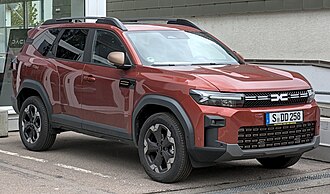
Dacia Bigster Faults: A Deep Technical Analysis of Problems, Weak Points, and Real-World Reliability
The Dacia Bigster represents a major strategic shift for Dacia, moving the brand into the competitive C-SUV segment dominated by vehicles such as the Volkswagen Tiguan, Nissan Qashqai, and Hyundai Tucson. While the Bigster offers a compelling value proposition—large dimensions, hybrid powertrains, and aggressive pricing—it also introduces a set of compromises that manifest as faults, weaknesses, and limitations.
This article delivers a comprehensive technical breakdown of the most common and anticipated faults of the Dacia Bigster, combining expert reviews, engineering insights, and real-world owner feedback. It goes beyond surface-level observations to examine the underlying causes of these issues, their implications for ownership, and how they relate to the vehicle’s design philosophy.
Understanding the Engineering Philosophy Behind the Bigster
Before analyzing faults, it is critical to understand the design ethos behind the Bigster. Unlike premium SUVs, the Bigster is engineered with cost efficiency as a primary objective. This approach influences every component—from materials and electronics to suspension tuning and safety systems.
The Bigster is built on the CMF-B platform shared with Renault models, meaning it inherits proven mechanical components. This is both a strength and a limitation. On one hand, it ensures reliability through tested systems. On the other, it constrains innovation and refinement, particularly in areas such as NVH (noise, vibration, harshness) and electronic sophistication.
According to expert reviews, the Bigster prioritizes simplicity over complexity, deliberately omitting certain high-end technologies to maintain affordability.
Core Mechanical Faults and Powertrain Limitations
Engine Performance and Refinement Issues
The Bigster offers several engine options, including mild hybrids, LPG variants, and a full hybrid system. While these engines are generally reliable due to their Renault heritage, they exhibit notable shortcomings in refinement.
Drivers frequently report that the engines feel underpowered relative to the vehicle’s size. Even the most powerful hybrid version produces modest output, which impacts acceleration and overtaking capability.
Additionally, engine noise is more pronounced than in competing vehicles. Under acceleration, vibrations can be transmitted into the cabin, indicating limited sound insulation and damping measures.
From a technical standpoint, this is largely due to:
- Reduced use of acoustic insulation materials
- Simpler engine mounts
- Cost-optimized exhaust systems
Hybrid System Complexity and Potential Fault Points
The hybrid system, particularly the 1.8-liter full hybrid, introduces additional complexity. While generally reliable, hybrid systems inherently carry more potential failure points, including:
- Battery degradation over time
- Power electronics faults
- Regenerative braking inconsistencies
Although no widespread systemic failures have been confirmed, early user feedback suggests occasional irregularities in hybrid operation, particularly in transition phases between electric and combustion modes.
Transmission and Drivetrain Concerns
The Bigster’s transmission options include manual gearboxes and automatic dual-clutch transmissions (DCT). While these systems are not fundamentally flawed, they exhibit certain behaviors that may be perceived as faults.
Dual-Clutch Transmission Behavior
The DCT system can exhibit:
- Hesitation at low speeds
- Jerky transitions in stop-and-go traffic
- Delayed throttle response
These issues are typical of cost-optimized dual-clutch systems that lack the refinement of higher-end equivalents.
AWD System Limitations
The available 4×4 system is not a full-time all-wheel-drive setup but rather a part-time system designed for light off-road use. This results in:
- Limited torque distribution capability
- Reduced performance in extreme conditions
- Slower response compared to advanced AWD systems
Interior Quality Faults and Material Degradation
Use of Hard Plastics and Wear Issues
One of the most commonly cited weaknesses of the Bigster is its interior quality. The extensive use of hard plastics results in:
- Increased susceptibility to scratches
- Audible creaks and rattles over time
- Reduced perceived quality
Expert reviews describe the interior as “plasticky” and lacking refinement compared to competitors.
Seat Comfort Problems
Seat comfort is another recurring issue. Reports indicate:
- Insufficient lumbar support
- Firm cushioning leading to fatigue on long journeys
- Limited adjustability in lower trims
This is a direct consequence of cost-saving measures in seat construction and materials.
Infotainment and Electronic Faults
Touchscreen Responsiveness Issues
One of the most frequently reported real-world faults involves the infotainment system. Users have noted:
- Delayed response to touch inputs
- Occasional system freezes
- Inconsistent behavior of on-screen controls
From a Reddit user:
“Sometimes I have to press 4–5 times…” (Reddit)
These issues are likely related to:
- Lower-performance processors
- Software optimization limitations
- Budget touchscreen hardware
Software Bugs and System Instability
Additional reported problems include:
- Volume control glitches
- Connectivity issues with smartphones
- Delayed system boot times
These faults suggest that while the hardware may be adequate, the software ecosystem requires further refinement.
Driver Assistance System Faults
False Positives in Blind Spot Monitoring
One notable issue involves the blind spot monitoring system, which has been reported to trigger warnings even when no vehicle is present.
From user feedback:
“Lights up when there’s a ghost…” (Reddit)
This behavior may be caused by:
- Reliance on ultrasonic sensors rather than radar
- Sensitivity calibration issues
- Environmental interference (e.g., road curvature, reflective surfaces)
Limited Advanced Safety Features
The Bigster received a three-star Euro NCAP rating, largely due to missing advanced safety technologies.
Key omissions include:
- Center airbags
- Safe exit warning systems
- Advanced collision avoidance algorithms
While basic systems function well, the absence of advanced features reduces overall safety performance.
Structural and Build Quality Weaknesses
Body Panel Thinness
The Bigster’s body panels are relatively thin, which contributes to:
- Increased susceptibility to dents
- Reduced structural rigidity
- Higher noise levels from external sources
This design choice reduces weight and cost but impacts durability.
NVH (Noise, Vibration, Harshness) Issues
NVH performance is one of the most noticeable shortcomings. Drivers report:
- Wind noise at highway speeds
- Engine noise under load
- Occasional cabin vibrations
These issues stem from:
- Minimal sound insulation
- Simplified chassis tuning
- Lightweight construction
Suspension and Handling Faults
Comfort-Oriented but Imprecise Handling
The suspension setup prioritizes comfort over precision. While this results in a smooth ride on uneven surfaces, it introduces:
- Excessive body roll in corners
- Reduced steering feedback
- Less confidence at higher speeds
This aligns with reports describing the steering as “light and imprecise.”
Limited Dynamic Capability
Compared to rivals, the Bigster lacks:
- Advanced multi-link rear suspension (in some variants)
- Adaptive damping systems
- High-performance braking components
Long-Term Reliability Concerns
Warranty Limitations
The Bigster comes with a three-year warranty, which is considered average and less competitive than many rivals.
This raises concerns about:
- Long-term durability
- Manufacturer confidence in the product
Component Longevity
Potential long-term issues may include:
- Wear of interior materials
- Degradation of electronic components
- Battery aging in hybrid variants
However, the use of proven Renault components provides some reassurance regarding engine and drivetrain reliability.
Real-World Owner Feedback: A Mixed Experience
Owner feedback paints a nuanced picture. While major failures are rare, minor issues are common.
Commonly reported faults include:
- Infotainment glitches
- Sensor inaccuracies
- Minor mechanical quirks
However, many users emphasize that these issues are manageable and often resolved under warranty.
Strengths That Offset the Faults
Despite its faults, the Bigster offers several strengths:
- Excellent value for money
- Spacious interior and large boot
- Efficient fuel consumption (as low as ~4.6 l/100 km for hybrids) (Auto Data)
- Proven engine technology
These advantages make it an attractive option for budget-conscious buyers.
Technical Specifications Table
Below is a consolidated overview of the key technical parameters of the Dacia Bigster:
| Parameter | Specification |
|---|---|
| Vehicle Type | C-segment SUV |
| Platform | CMF-B (Renault-Nissan alliance) |
| Length | 4570 mm |
| Width | 1813 mm |
| Height | 1712 mm |
| Wheelbase | 2704 mm |
| Engine Options | 1.2 TCe (130–150 hp), 1.5 dCi (115 hp), 1.8 Hybrid (156 hp) |
| Fuel Types | Petrol, Diesel, LPG, Hybrid |
| Transmission | Manual, Dual-Clutch Automatic |
| Drivetrain | FWD / AWD |
| 0–100 km/h | ~9.7 – 11.2 seconds |
| Top Speed | ~180 km/h |
| Fuel Consumption | 4.6 – 6.1 l/100 km |
| Safety Rating | 3-star Euro NCAP |
| Boot Capacity | ~667 liters |
| Warranty | 3 years |
Final Verdict: Are the Faults a Dealbreaker?
The Dacia Bigster is not a flawless vehicle. Its faults—ranging from infotainment glitches to limited refinement—are real and should not be ignored. However, they must be viewed in the context of the vehicle’s price and positioning.
Rather than being outright failures, most of these issues are the result of deliberate engineering compromises. The Bigster sacrifices refinement, advanced technology, and premium materials in exchange for affordability, practicality, and simplicity.
