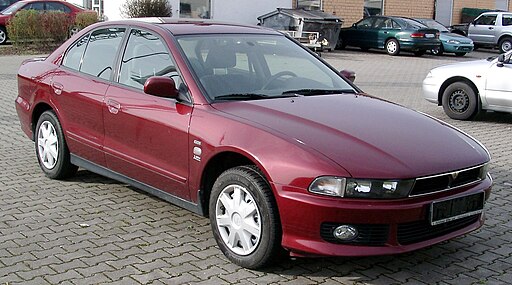
Mitsubishi Galant faults
The Mitsubishi Galant has long been a popular mid-size sedan, celebrated for its comfortable ride and practical design. However, like many vehicles with long production histories, certain model years have exhibited recurring faults. In this review, we break down the most common problems—from transmission woes to electrical quirks—explaining their technical underpinnings and offering practical maintenance tips to keep your Galant running reliably.
Common Mitsubishi Galant Faults
The Galant’s reputation is tempered by some well-documented issues that have affected various model years. Below are the primary areas where faults tend to crop up.
1. Transmission Problems
Overview and Symptoms
One of the most significant concerns reported by Galant owners is transmission failure. Owners—especially in certain model years—have complained of harsh or delayed shifting, slipping gears, and even complete transmission failure at relatively low mileages. Such issues are particularly notable in models like the 2004 Galant, where premature transmission wear has been repeatedly observed.
- Technical Details: The root causes often include premature wear of internal components, transmission fluid degradation, or issues with hydraulic systems. A leaking transmission fluid can further accelerate wear and tear.
- What It Means to You: If you notice rough gear changes or unexpected fluid spots under your car, it might signal that the transmission needs inspection. Proactive fluid changes and regular diagnostic checks can help avert major repairs later on.
2. Engine and Cooling System Concerns
Oil Leaks, Sludge, and Overheating
The engine of the Mitsubishi Galant has also been prone to several problems over the years. Common complaints include oil leaks, occasional misfiring, and even overheating issues. In some model years, the loss of engine oil has been attributed to failing seals—often around the driveshaft area—while other models experience oil sludge buildup that, over time, can lead to decreased engine performance.
- Technical Details: The causes range from degraded seals and gaskets to issues in the cooling system—such as a failing water pump or blocked radiator passages. Proper maintenance, including timely oil changes and coolant flushes, is essential for keeping these problems at bay.
- What It Means to You: An overheating engine or visible oil leakage can be indicators of impending engine damage. If you’re considering a used Galant, verifying the service history and ensuring that the cooling system and engine seals have been maintained can save you from costly repairs.
3. Brake System Anomalies
Sticking Calipers and Premature Wear
Another area of concern for several Galant owners is the brake system. Reports frequently highlight issues such as sticking brake calipers and excessive brake pad wear. These faults not only reduce braking efficiency but can also lead to a cascade of related wear problems—from rotor warping to an overall decline in road safety.
- Technical Details: The design of the service brakes in many Galant models has been criticized for allowing premature wear. The calipers sometimes fail to retract properly, causing the pads and rotors to wear unevenly. Regular brake system inspections and timely replacements are crucial to maintain optimal performance.
- What It Means to You: Reliable brakes are non-negotiable for safe driving. If you hear unusual noises when stopping or feel any dragging, have your braking system checked immediately, as addressing these issues early can prevent potential accidents.
4. Suspension and Steering Issues
Worn Components and Noisy Rides
Suspension problems, while not as critical as engine or transmission issues, are also commonly noted. Some owners report that the Galant tends to develop worn-out ball joints or shock absorbers, leading to a less comfortable ride, excessive tire wear, and even knocking noises when driving over uneven terrain.
- Technical Details: The typical setup—which includes MacPherson struts at the front and independent or torsion beam arrangements at the rear—is designed for cost-effectiveness. However, continuous exposure to uneven road conditions can cause these components to deteriorate faster than expected.
- What It Means to You: A degraded suspension system not only affects comfort but also compromises handling. Regular inspections of suspension components and timely replacements are key to ensuring your vehicle remains safe and responsive on the road.
5. Electrical and Sensor Glitches
Wiring, Dashboard, and Sensor Issues
Electrical problems in the Mitsubishi Galant can range from minor sensor errors to more persistent issues like dashboard instrument malfunctions and intermittent warning lights. Problems with electrical connectors or oxidized wiring—especially in older models—can lead to erratic behavior in the engine management system or even affect airbag functionality.
- Technical Details: Faulty wiring connections or failing sensors (such as the crankshaft position sensor) can trigger warning lights or cause performance inconsistencies. In some cases, moisture intrusion has also led to problems in the airbag system, further complicating the issue.
- What It Means to You: An electrical glitch might seem minor at first, but it can hint at broader issues, including potential safety risks. If you experience unexplained dashboard warnings or changes in engine behavior, it’s wise to have the vehicle’s electronics thoroughly inspected.
Ownership Considerations for the Mitsubishi Galant
Regular Maintenance Is Key
The Mitsubishi Galant’s common faults highlight the importance of proactive maintenance—especially if you’re considering a used model. Keeping up with scheduled fluid changes, inspections, and servicing not only helps in addressing minor issues before they escalate but also ensures the longevity of your vehicle.
Pre-Purchase Inspection Checklist
Before purchasing a used Galant, consider the following:
- Service History Review: Ensure that critical components like the transmission, engine seals, cooling system, and brake assemblies have been well maintained.
- Diagnostic Checks: Look for signs of recurring fault codes or dashboard warning lights that might indicate deeper electrical issues.
- Physical Inspection: Check for oil leaks, worn suspension components, or any signs of premature wear on brakes.
Staying Informed on Recalls and Technical Bulletins
Manufacturers often release updates or recall notices to address widespread issues. Staying informed about any recalls related to the Galant can provide additional peace of mind, ensuring that known faults have been rectified by previous owners.
Final Thoughts
The Mitsubishi Galant remains a well-regarded mid-size sedan that offers comfort, practicality, and an engaging driving experience for many owners. However, potential buyers should be aware of its common faults—especially transmission issues, engine and cooling system problems, brake anomalies, suspension wear, and electrical glitches. With regular maintenance and a thorough pre-purchase inspection, a used Galant can still be a reliable and cost-effective vehicle.
This review underscores that while every car has its idiosyncrasies, understanding these issues—from their technical roots to their impact on everyday driving—empowers you to make smarter choices and enjoy a safer, more dependable ride.
Mitsubishi Galant as a used car
The Mitsubishi Galant has long been a respected mid-size sedan, known for its blend of comfort, performance, and practicality. Whether you’re a first-time buyer or a seasoned used-car enthusiast, understanding the Galant’s technical underpinnings can help you make a confident purchase. In this article, we break down the model’s evolution, technical specifications, and key maintenance factors, offering you an in-depth look at what it takes to own a used Mitsubishi Galant.
Overview of the Mitsubishi Galant
The Galant’s long history and continuous evolution have cemented its reputation as a reliable, comfortable, and well-equipped sedan. Let’s begin by reviewing its background and market appeal.
Model History and Evolution
- Generational Changes: The Galant has been produced in multiple generations since its inception, each adding improvements in performance, safety, and comfort. Later models tend to integrate updated electronics and refined styling, while earlier models are prized for their mechanical simplicity.
- Global Reach: Over the years, the Mitsubishi Galant has seen significant popularity in various markets, often being tailored with region-specific engine choices and trim levels. This longevity and diversity make it a compelling candidate in the used car market.
Market Positioning and Appeal
- Affordability: Used Galants frequently offer competitive pricing compared to newer sedans, making them a popular choice for budget-conscious buyers.
- Versatility: The Galant’s spacious interior and smooth ride make it suitable for both family commutes and executive driving.
- Reliability: With proper maintenance, these cars have proven to be durable workhorses, with many owners reporting high mileage without major mechanical issues.
Technical Specifications and Performance
For a clear understanding of the Galant’s capabilities, let’s examine its technical specifications in detail.
Engine Options and Performance
The Galant has been offered with a variety of engines over its production life, catering to different driving preferences and markets.
Engine Variants
- Inline-Four Options: Many Galant models are equipped with inline-four engines ranging from 2.0 liters to 2.4 liters. These engines typically produce between 140 to 160 horsepower, offering a nice balance between everyday drivability and fuel efficiency.
- V6 Alternatives (in selected model years): Some markets benefited from a V6 engine option, which delivers more power (often in the 180–200 horsepower range). Though these engines can provide superior acceleration, they may also incur slightly higher fuel consumption and maintenance costs.
Performance Characteristics
- Smooth Power Delivery: The engines are tuned for steady performance, making acceleration and cruising comfortable in a variety of driving conditions.
- Fuel Efficiency: Thanks to efficient engine calibration and aerodynamic design, many models can achieve fuel consumption figures in the range of 8–10 L/100 km, though this depends on engine size, transmission, and driving habits.
- Responsiveness: The balanced power delivery and torque characteristics ensure that the Galant handles urban stop-and-go conditions well while still offering stable performance during highway driving.
Transmission and Drivetrain
Transmission choices play a crucial role in the driving experience of any used vehicle.
Transmission Options
- Manual Transmission: Several Galant models come with a 5-speed manual gearbox. This option appeals to driving enthusiasts who prefer direct engagement with gear changes and enjoy a more hands-on driving experience.
- Automatic Transmission: A 4- or 5-speed automatic is also available in many variants, offering smoother, stress-free shifting in heavy traffic or long-distance commuting.
Drivetrain Configuration
- Front-Wheel Drive (FWD): The majority of Galants use a front-wheel-drive layout, which contributes to improved fuel efficiency and a more compact, lighter design. This configuration enhances urban maneuverability and consistent traction in various weather conditions.
Chassis, Suspension, and Dimensions
The Galant’s structural and suspension design contributes significantly to its renowned ride comfort and stability.
Chassis Construction
- Unibody Design: The Galant features a unibody construction that reduces overall weight while maintaining structural integrity. This design not only supports better fuel economy but also helps distribute impact forces during minor collisions.
Suspension Setup
- Front Suspension: Typically, MacPherson struts are used at the front, ensuring tight handling, a responsive steering feel, and adequate shock absorption on uneven surfaces.
- Rear Suspension: Depending on the model and year, the rear suspension might consist of either an independent setup or a semi-independent design. This approach maximizes passenger comfort while maintaining a controlled ride on varied road conditions.
Dimensional Specifications
Below is an approximate summary of common dimensions for mid-to-late-generation Mitsubishi Galant models:
| Parameter | Approximate Specification |
|---|---|
| Length | 4,700 – 4,900 mm |
| Width | 1,750 – 1,780 mm |
| Height | 1,430 – 1,460 mm |
| Wheelbase | 2,670 – 2,750 mm |
| Curb Weight | 1,350 – 1,600 kg |
These dimensions ensure that the Galant retains adequate legroom and cargo space while still offering solid maneuverability in urban environments.
Fuel Efficiency and Emissions
Environmental performance and economy are key factors in long-term ownership costs.
Fuel Economy
- Optimized for Efficiency: Thanks to aerodynamic styling and efficient engine calibration, the Galant often provides competitive fuel economy figures for a mid-size sedan.
- Real-World Performance: Driving conditions, maintenance history, and engine type will influence overall fuel consumption, typically ranging from around 8 to 10 L/100 km.
Emissions and Environmental Standards
- Compliance: Depending on the model year and region, the Galant was built to conform to contemporary emissions standards. While older models may not match the latest green technologies, many remain reasonably efficient for daily driving.
Interior, Technology, and Safety Features
Beyond raw performance, the Mitsubishi Galant offers a well-appointed interior and practical technology aimed at boosting everyday comfort and safety.
Interior Layout and Comfort
Cabin Design
- Spacious and Ergonomic: The Galant’s interior is designed with a focus on passenger comfort and usability. Ergonomically designed seats, ample headroom, and generous legroom make for a pleasant driving experience even on long journeys.
- Quality Materials: While older models may show some wear, many used Galants feature durable materials and a thoughtfully arranged dashboard that prioritizes driver convenience.
Storage and Cargo
- Practical Storage Options: From large door bins to a versatile glove compartment and a sizable trunk, the Galant’s interior is engineered to accommodate daily needs, making the car ideal for families and commuters alike.
Instrumentation and Connectivity
Dashboard and Control Layout
- User-Friendly Design: The instrument clusters in the Galant are typically easy to read, featuring analog gauges and, in later models, integrated digital displays for essential information like speed, fuel level, and engine temperature.
Infotainment and Connectivity
- Basic to Advanced Systems: Depending on the trim and model year, some Galants come with basic audio systems, while later models might offer CD players, auxiliary inputs, and even early forms of Bluetooth connectivity. Though not as advanced as today’s infotainment systems, these features remain functional and convenient.
Safety Equipment and Crash Performance
Standard Safety Features
- Airbags and Restraints: Most Mitsubishi Galants are equipped with driver and front passenger airbags as standard. Additional safety features such as side-impact beams and reinforced door panels have been incorporated, particularly in later models.
- Anti-lock Braking System (ABS): ABS is a common feature in many Galant variants, providing improved control during emergency braking situations.
Crash Test and Structural Integrity
- Robust Build: The unibody construction and safety cell design ensure that many Galant models offer commendable crash performance for their era. Independent testing has generally rated the Galant positively for its structural integrity.
- Safety Ratings: When considering a used Galant, it’s beneficial to review the specific safety ratings for the model year to gauge how well it might protect occupants in real-world scenarios.
Ownership Considerations
Owning a used Mitsubishi Galant involves careful evaluation of its maintenance history and overall condition. Here are some key factors to consider.
Maintenance and Running Costs
Routine Servicing
- Service History: A comprehensive service history can illuminate how well the vehicle has been maintained. Regular oil changes, brake inspections, and fluid flushes are crucial in preserving the Galant’s performance.
- Affordability: With a reputation for affordability, replacement parts for the Galant are typically widely available and reasonably priced, helping to keep running costs low.
Common Wear Areas
- Wear and Tear: Key components to inspect include the suspension, brakes, and engine seals. Being aware of potential issues, such as minor leaks or worn-out shock absorbers, can help prevent costly repairs down the line.
Pre-Purchase Inspection Checklist
Before purchasing a used Galant, consider the following steps:
- Mechanical Inspection: Have a trusted mechanic examine the engine, transmission, suspension, and brakes for signs of accelerated wear.
- Electrical Systems Check: Ensure all dashboard functions, lighting, and sensors operate correctly.
- Body and Interior: Look for evidence of previous accidents, rust, or untended wear inside the cabin that might indicate deeper issues.
- Test Drive: Take the car for a comprehensive test drive to assess how it handles and whether there are any noticeable performance anomalies.
Tips for Extending Longevity
- Regular Maintenance: Adhering to the manufacturer’s maintenance schedule can significantly extend the life of your Galant.
- Timely Repairs: Addressing issues promptly—whether related to the cooling system or suspension—will prevent further damage.
- Quality Replacement Parts: Whenever repairs or replacements are necessary, using OEM or high-quality aftermarket parts ensures the longevity and reliability of the vehicle.
Final Thoughts: Is the Mitsubishi Galant Right for You?
The Mitsubishi Galant is a well-rounded mid-size sedan that balances performance, comfort, and cost-effectiveness. Its technical specifications—ranging from its efficient engine options and smooth transmission to its practical interior and solid safety features—make it a strong contender in the used car market. While the vehicle has its share of aging components and wear typical of a long-lived model, careful inspection and proactive maintenance can transform potential drawbacks into manageable upkeep items.
If you value a dependable ride with proven reliability and a comfortable cabin for both city life and long journeys, the used Mitsubishi Galant may be just the car you’re looking for. With thoughtful research, a detailed pre-purchase inspection, and ongoing care, this sedan can continue to perform admirably for many miles to come.
