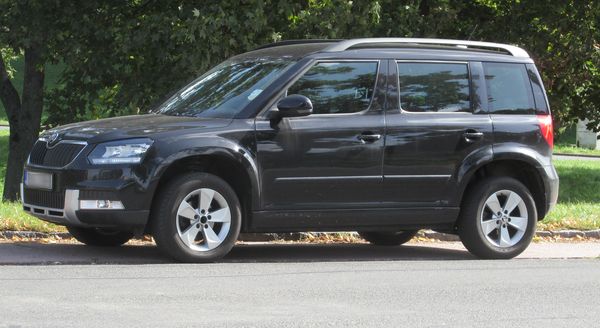
Škoda Yeti faults
Engine and Powertrain
Carbon Build-Up on Direct-Injection Petrol Engines
- Typically affects 1.2 TSI, 1.4 TSI and 1.8 TSI units after 80 000–100 000 km.
- Manifests as rough idling, throttle hesitation and reduced low-end torque.
- Cleaning strategy: walnut-shell blasting of intake ports and periodic inlet-manifold removals.
EGR Valve and Intake Clogging on Diesels
- 2.0 TDI engines accumulate soot in the EGR system around 100 000 km.
- Symptoms include loss of power, limp-home mode activations and throttle lag.
- Recommended fix: remove and ultrasonic-clean or replace the EGR valve and cooler.
Timing Chain Tensioner Wear on 1.8 TSI
- Cold-start rattles appear roughly at the 120 000 km mark.
- Caused by hydraulic tensioner fatigue and guide-rail wear.
- Preventive action: replace tensioner, guide rails and chain before noise becomes severe.
DPF Blockage and Regeneration Failures
- Infrequent long-distance driving leads to incomplete diesel particulate filter burn-offs.
- Dashboard warnings, loss of boost and eventual limp mode.
- Cure by forced regeneration via a diagnostic tool or by fitting an external DPF cleaning unit.
Transmission and Drivetrain
DSG Mechatronic Unit Faults
- Driveshaft shudders or jerky upshifts after missed 60 000 km services.
- Electronic solenoid wear and contaminated fluid cause pressure-control faults.
- Solution: full DSG fluid and filter change; in extreme cases, mechatronic unit rebuild or replacement.
Clutch Pack Wear on High-Torque Diesels
- Slippage under hard acceleration, especially in cold weather.
- Occurs when clutch-pack heat tolerance is exceeded.
- Upgrade to an OE-plus or motorsport-grade clutch pack and observe stricter service intervals.
Haldex Coupling Leaks and Pump Failures
- AWD Yetis show Haldex oil seepage around the rear differential seals.
- Leads to poor four-wheel grip or warning lights.
- Repair involves replacing pump seals or full coupling rebuild.
Suspension and Steering
Rear Trailing-Arm Bushing Degradation
- Clunks and knocks over uneven surfaces after ~100 000 km.
- Rubber bushings crack, reducing lateral control.
- Replacement with polyurethane or upgraded OEM bushings restores ride comfort.
Strut Top-Mount Failures
- Front-end knocking when steering lock-to-lock or when encountering potholes.
- Caused by worn mount bearings and collapsed rubber.
- Fitting reinforced aftermarket top mounts cures noise and restores precise steering feedback.
Power-Steering Rack Leaks
- Minor fluid weeping from rack seals; occasional steering-oil odor.
- If unchecked, leads to pump overheating and noisy steering.
- Reseal kits or complete rack replacements are effective long-term fixes.
Electrical and Infotainment
Infotainment System Freezes and Reboots
- Older Swing/Amundsen/Columbus head-units lock up under GPS or Bluetooth load.
- Temporary loss of media, navigation and phone functionality.
- Dealer-supplied firmware updates resolve the majority of software glitches.
Bluetooth and Phone Pairing Dropouts
- Random disconnections during calls or audio streaming.
- Often triggered by smartphone OS upgrades or head-unit firmware mismatches.
- Workaround: re-flash the unit to the latest build or stick to known-compatible device profiles.
Sensor Failures in Park Assist and Hill Hold
- Ultrasonic park sensors become intermittent due to moisture ingress.
- Hill hold control sometimes fails to activate on steep gradients.
- Cleaning sensor faces and replacing faulty sensors or brake-pressure switches restores function.
Battery Drain and Sleep-Mode Bugs
- Some Yetis suffer parasitic drain overnight, flattening the battery within days.
- Root cause traced to ECUs failing to enter sleep state.
- Aftermarket timer-relays or dealer ECU software patches mitigate unintended power draw.
Bodywork and Interior Wear
Corrosion Around Roof Rails and Door Sills
- Early-build models exhibit paint-chip corrosion where rails attach to the roof.
- Salt-rich environments accelerate rust in hidden sill sections.
- Solution: professional anti-corrosion treatment and periodic inspections.
Seat Fabric and Bolster Wear
- Cloth and leather bolsters on SportLine and Monte Carlo trims show creasing and seam splits.
- Frequent ingress/egress speeds up abrasion on driver’s side.
- Reupholstering or fitting bolster protectors preserves cabin aesthetics.
Window Regulator and Motor Failures
- Front door windows slow to raise or drop, eventually jamming.
- Caused by worn regulator cables or motor brushes.
- Replacement kits for regulators or complete motor assemblies restore smooth operation.
Tailgate and Hatch Strut Wear
- Gas struts lose pressure over time, causing heavier lift effort and possible slam-downs.
- Seal-failure evident in oil-soaked cylinders.
- Upgrading to stronger gas struts or bi-gas units ensures consistent tailgate support.
Summary
A well-maintained Škoda Yeti can deliver years of reliable, versatile service. Prioritizing regular services—especially for DSG gearboxes and timing-chain systems—and addressing rust-prone areas early will minimize repair bills. Armed with this fault guide, any used-car buyer can perform a targeted inspection and drive home a dependable Yeti ready for both city streets and light off-road adventures.
Škoda Yeti as a used car
The Škoda Yeti redefined the compact SUV segment when it debuted in 2009, combining practicality, off-road capability, and Volkswagen Group engineering in a boxy yet endearing package. Its raised ride height, spacious cabin, and clever “VarioFlex” seating system made it a favorite among families and weekend adventurers alike. Today, used Yetis offer an attractive alternative to newer crossovers, balancing affordability with robust build quality and versatile performance. A thorough grasp of its technical parameters, reliability record, and market pricing is essential for any buyer considering a pre-owned example.
Model History and Generations
First Generation (2009–2013)
The inaugural Yeti launched with a distinctly upright silhouette, underpinned by the Volkswagen Group PQ35 platform shared with the Golf Mk5. Its 16.5–17.5 cm ground clearance and available four-wheel-drive system gave it genuine light-off-road ability. Buyers could choose from petrol and diesel engines, ranging from 1.2-litre TSI units to 2.0-litre TDI options, paired with manual or DSG gearboxes. From day one, Škoda emphasized modular cabin elements, including rear seats that swiveled, slid, or folded to create up to 1,760 litres of cargo space.
Facelift and Second Phase (2013–2017)
In 2013 the Yeti received a cosmetic and equipment upgrade. Front and rear bumpers were reshaped, the grille and headlamps gained sharper lines, and LED daytime running lamps became standard on higher trims. Inside, the dashboard adopted touchscreen systems from the larger Octavia, while driver-assist features like automatic emergency braking and rear-view cameras made their first appearance. Mechanically, suspension tuning was refined for a more balanced on-road ride without diluting off-road composure.
Technical Specifications
Engine Options
| Engine Code | Displacement | Power (hp) | Torque (Nm) | Fuel Type |
|---|---|---|---|---|
| 1.2 TSI | 1,197 cm³ | 105 | 175 | Petrol Turbo |
| 1.4 TSI | 1,390 cm³ | 125 | 200 | Petrol Turbo |
| 1.8 TSI | 1,798 cm³ | 160 | 250 | Petrol Turbo |
| 2.0 TDI | 1,968 cm³ | 110–140 | 250–320 | Diesel Turbo |
The 1.8 TSI and 2.0 TDI 140 hp variants strike the best balance between performance and economy for everyday driving, while the entry-level 1.2 TSI excels in urban efficiency.
Performance and Fuel Economy
- 1.2 TSI (105 hp): 0–100 km/h in 11.4 s, combined fuel use 5.1 L/100 km
- 1.4 TSI (125 hp): 0–100 km/h in 9.8 s, combined fuel use 5.6 L/100 km
- 1.8 TSI (160 hp): 0–100 km/h in 8.5 s, combined fuel use 6.8 L/100 km
- 2.0 TDI (140 hp): 0–100 km/h in 10.5 s, combined fuel use 5.0 L/100 km
Real-world consumption tends to be 0.5–1.0 L/100 km higher than factory WLTP figures, especially in four-wheel-drive models.
Dimensions and Capacities
| Parameter | Value |
|---|---|
| Length | 4,222 mm |
| Width (excl. mirrors) | 1,793 mm |
| Height | 1,695–1,705 mm |
| Wheelbase | 2,578 mm |
| Ground clearance | 165–175 mm |
| Cargo volume (min–max) | 405–1,760 L |
| Fuel tank capacity | 60 L |
| Braked towing capacity | 1,500 kg |
The VarioFlex rear bench can slide longitudinally by 130 mm, tilt or fold flat, enabling a choice between legroom and luggage volume on the fly.
Transmission Choices
- 5-speed manual: Standard on the 105 and 125 hp petrol engines
- 6-speed manual: Fits the 160 hp petrol and 110 hp diesel
- 6-speed DSG: Available on all petrol engines and the 140 hp diesel
- Haldex-coupled 4×4: Offered exclusively with 1.8 TSI and 2.0 TDI engines
Regular DSG fluid service every 60,000 km is vital to preserve shift quality and prevent mechatronic wear.
Chassis, Suspension, and Brakes
Front MacPherson struts and a rear multi-link setup deliver a supple ride without excessive body roll. Higher-spec models feature adaptive dampers with Comfort, Normal, and Sport modes. Ventilated front discs (300 mm) and solid rear discs (256 mm) provide confident stopping power, while hill descent control aids low-speed off-road maneuvers.
Common Faults and Reliability
Engine and Powertrain
- Carbon Deposits on Direct-Injection TSI: Rough idle and throttle lag appear after 80,000 km; periodic walnut-shell blasting recommended.
- EGR Valve Clogging: Diesel Yetis suffer loss of power and limp mode triggers around 100,000 km; EGR cleaning or blanking cures emissions-related issues.
- Timing Chain Tensioner Rattle: Early 1.8 TSI units may develop a knock on cold start; replacing tensioners and guides before 120,000 km averts major engine damage.
Transmission and Drivetrain
- DSG Mechatronic Wear: Jerky shifts or transmission fault warnings signal overdue fluid/service; full fluid and filter change often restores smoothness.
- Haldex Pump Seals: Leaks in the all-wheel-drive coupling are rare but expensive; inspecting for damp spots under the rear differential avoids surprise repairs.
Suspension and Steering
- Rear Trailing-Arm Bushings: Around 100,000 km, bushings can crack, causing clunks over bumps; polyurethane replacements extend service life.
- Strut Top-Mount Play: Noisy steering feedback during cornering; upgraded mounts eliminate knocks and improve steering precision.
Electrical and Infotainment
- Infotainment Freezes: Older Columbus/Amundsen units may lock up; dealer software updates cure firmware bugs.
- Sensor Faults in Park Assist: Ultrasonic sensors get blocked by grime or fail electrically; cleaning and occasional sensor replacement keeps systems active.
Body and Interior Wear
- Corrosion on Roof Rails: Paint wear around mounting points leads to surface rust; regular inspection and touch-up stave off deeper corrosion.
- Seat Fabric Fraying: Base cloth seats on lower trims show wear at bolsters; seat covers or reupholstery restore cabin aesthetics.
Buying Guide for a Used Yeti
Pre-Purchase Inspection Checklist
- Confirm full service history, emphasizing timing-belt and DSG fluid change intervals.
- Test-drive on varied road surfaces to detect suspension noise, gearbox hesitation, or steering play.
- Lift the rear to inspect Haldex coupling for leaks and examine underbody for corrosion.
- Verify operation of electronic features: hill descent control, infotainment responsiveness, and cruise control.
- Use an OBD-II scanner to check for stored faults in engine, transmission, or chassis modules.
Price Trends and Depreciation
Model years 2010–2013 typically trade between 7,000 and 12,000 EUR, depending on mileage and specification. Facelift examples from 2014–2017 command 10,000 to 16,000 EUR, with four-wheel-drive and DSG variants at the upper end. Depreciation levels are modest compared to rival B-segment SUVs, making Yetis a sound value proposition.
Ownership and Maintenance Costs
Routine servicing averages 250–400 EUR per year for oil, filters, and brake checks. DSG fluid changes cost around 200 EUR. Major items such as clutch packs or turbochargers may arise after 150,000 km, so budgeting for occasional four-figure repairs is prudent. Insurance and road tax remain competitive due to moderate CO₂ outputs and Škoda’s strong reliability reputation.
Conclusion
The Škoda Yeti delivers a rare blend of off-road poise, interior ingenuity, and long-term durability in the used-car market. Its straightforward mechanics, flexible seating, and modest depreciation make it a standout choice for buyers seeking a compact SUV that thrives on daily commutes and weekend adventures alike. Armed with detailed technical knowledge and a clear inspection plan, prospective owners can secure a Yeti that continues to punch above its weight class for years to come.
_1598cc.JPG)