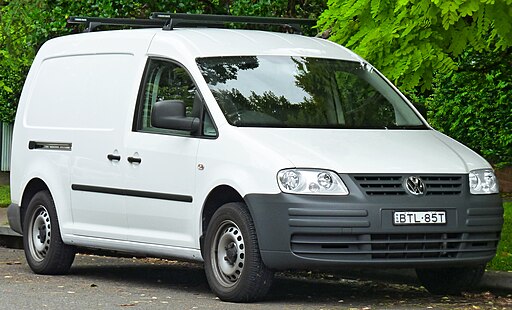
Volkswagen Caddy faults
Engine and Timing System
Timing Chain Stretch and Rattle
On 1.5 TSI and 1.6/2.0 TDI engines, the timing chain can elongate or the guide rails wear out around 120,000–150,000 km. Symptoms include a metallic rattling at cold start, irregular idle, and fault codes such as P0008 or P0016. A worn chain risks valve-train misalignment and catastrophic engine damage if not replaced promptly.
Fuel Injector Failures
2.0 TDI Caddy models often experience injector malfunctions from roughly 90,000 km onward. Faulty injectors lead to hard starting, rough running, and increased smoke under load. Comprehensive injector testing and cleaning or full replacement of the high-pressure pump assemblies restores proper fuel delivery and smooth engine performance.
Fuel Pump and High-Pressure Pump Wear
Diesel Caddys subjected to infrequent long-distance driving can suffer from low-pressure fuel pump wear. Signs include sputtering at steady throttle or stalling under load. Inspect for low fuel-rail pressure and replace the in-tank pump or high-pressure unit to eliminate hesitation issues.
Transmission and Drivetrain
DSG (DQ200) Gearbox Judder and Delays
The dry-clutch 7-speed DSG fitted to some 1.4 TSI and 2.0 TDI Caddy variants exhibits shift jitter, delayed up-shifts, or limp mode activation from around 80,000 km. Worn clutch packs and mechatronic unit faults trigger error code 06177. A full DSG service—including fluid/filter change and mechatronic inspection—mitigates these problems.
Clutch Slippage and Contamination
On manual-gearbox Caddy models, oil leaks from a defective input shaft seal can contaminate the clutch friction surfaces. Drivers notice sudden loss of drive or poor engagement. Repair involves replacing the gearbox seal, fitting a new clutch assembly, and correcting any gearbox housing defects to prevent recurrence.
Cooling and Emission Controls
Thermostat and Cooling-System Failures
1.4 TSI petrol and EcoFuel (CNG) Caddy engines frequently suffer thermostat sticking or water-pump seal leaks after 60,000 km. Overheating or prolonged cold running reduces engine efficiency and may warp cylinder heads. Replacing the thermostat, pressure-testing the system, and swapping the pump seals restores reliable temperature control.
Diesel Particulate Filter (DPF) Blockage
Urban-driven VW Caddy diesels often accumulate soot in the DPF, triggering the warning light, power loss, and failed regeneration attempts. Chronic blockages increase exhaust back-pressure, damage the turbocharger, and force limp-home mode. Regular highway runs or professional forced regenerations clear the filter and protect engine performance.
Exhaust Gas Recirculation (EGR) Valve Sticking
Soot buildup in the EGR valve and cooler causes valve sticking, rough idle, and low-end torque loss. Blocked passages may also introduce coolant into the intake, leading to white smoke and oil dilution. Periodic cleaning or replacement of the EGR components is essential to maintain emissions compliance and drivability.
Suspension, Steering, and Brakes
Suspension Noise and Bush Wear
High-mileage Caddys often develop squeaks or clunks from worn control-arm bushes and stabilizer-bar links. Drivers experience rattles over bumps and slight wandering at highway speeds. Replacing bush kits and worn mounts restores original ride comfort and steering precision.
Electric Parking Brake and ABS Sensor Issues
Soft or spongy brake feel and intermittent ABS warning lights can arise from contaminated or corroded wheel-speed sensors. On models with the electric parking brake, switch-motor failures lead to inability to engage or release the park brake. Cleaning sensor tips, replacing faulty sensors, and servicing the EPB motor cures braking-system faults.
Electrical and Interior
Infotainment and Bluetooth Glitches
Owners of later-generation Volkswagen Caddy vans report unresponsive touchscreens, erratic Bluetooth connectivity, and occasional software freezes. Firmware updates from Volkswagen dealers and memory-module replacements often resolve these electronic gremlins.
Sagging Headliner and Interior Rattles
Over time, the adhesive backing on the Caddy’s fabric headliner may fail, causing sagging or detachment. Additionally, trim panels and door cards can loosen, producing rattles. Repair kits for headliner reattachment and replacement trim clips restore cabin refinement and eliminate noise distractions.
Volkswagen Caddy as a used car
For budget-conscious buyers and small businesses alike, the Volkswagen Caddy stands out as a versatile used-cargo and passenger van. Its enduring mechanical simplicity, generous interior volume, and broad model range make the Volkswagen Caddy a top pick on the pre-owned market. Thoroughly understanding the technical parameters across generations will help you select the ideal Caddy to match your needs.
Why Choose a Used Volkswagen Caddy?
- Proven longevity with many examples surpassing 300,000 km without major engine rebuilds
- Flexible interior layouts: panel-van, kombi, Maxi and Life passenger versions
- Competitive running costs through diesel efficiency and rugged suspension
- Strong parts availability and straightforward DIY maintenance
Generational Overview
Third Generation (Typ 2K; 2003–2015)
The Typ 2K Caddy measures between 4,405 mm and 4,876 mm in length, 1,802 mm in width, and 1,833 mm in height depending on panel-van or Kombi variants. Powertrains span 2.0 TDI diesels from 70 hp to 140 hp plus 1.4 TSI and 1.2 TSI petrol units up to 125 hp. Wheelbases of 2,662 mm (standard) and 3,020 mm (Maxi) underpin loadspaces up to 3,200 L in standard vans.
Fourth Generation (Typ SA; 2015–2020)
The Typ SA Volkswagen Caddy grew slightly to 4,408 mm–4,878 mm long, 1,793 mm wide, and up to 1,887 mm tall in passenger-van guise. Diesel options include 2.0 TDI engines rated at 75 hp, 102 hp, and 150 hp; petrol comes from 1.0 TSI (102 hp) to 1.4 TSI (125 hp). Fuel-tank capacity is 50–60 L with optional CNG integration offering a 13 L petrol tank plus 26 kg or 37 kg gas cylinders.
Fifth Generation (Typ SB; 2020–Present)
In its latest form, the Volkswagen Caddy ranges from 4,500 mm to 4,853 mm in overall length and retains a width of 1,855 mm and height up to 1,860 mm. Engine choices include updated 2.0 TDI diesels from 75 hp to 150 hp and the new 1.5 TSI petrol at 114 hp. The Maxi wheelbase continues at 3,267 mm, delivering load capacities up to 4,200 L in cargo variants.
Technical Parameters
Engines and Performance
- Diesel: 2.0 TDI engines with outputs of 75 hp, 102 hp, 122 hp, and 150 hp; torque peaks from 250 Nm to 340 Nm
- Petrol: 1.0 TSI (102 hp), 1.2 TSI (84 hp), 1.4 TSI (125 hp), 1.5 TSI (114 hp) with torque up to 200 Nm
- CNG: 2.0 MPI EcoFuel delivering 109 hp with 26 kg or 37 kg gas storage
All diesels use common-rail injection, variable-geometry turbos, and BlueMotion start-stop on Eco editions to optimize drivability and economy.
Transmission Options
- 5- and 6-speed manuals across most petrol and diesel trims
- 7-speed DSG dual-clutch available on 102 hp and 122 hp TDI variants
- 8-speed automatic reserved for top-spec diesel engines
Fuel Economy and Emissions
Fuel consumption ranges between 4.3 L/100 km on BlueMotion diesels and 8.7 L/100 km for 2.0 TSI petrol models. CO₂ emissions span from 112 g/km in GDP-tuned diesels up to 198 g/km for the petrol-powered Caddy.
Dimensions and Cargo Capacity
- Length: 4,405–4,878 mm; Width: 1,793–1,855 mm; Height: 1,823–1,887 mm
- Wheelbase: 2,662 mm (standard), 3,020 mm (Maxi)
- Trunk volume: 530–1,650 L with seats upright; expandable to 2,239–4,200 L with folding/removable seating
Chassis, Suspension, and Brakes
- Front: MacPherson struts; Rear: torsion-beam axle on panel vans, multi-link on passenger Life models
- Brakes: ventilated discs up front; solid discs at rear; ABS, ESC, and XDS electronic diff-lock available on higher trims
- Steering: electric power assistance introduced from 2015—tightens steering ratio for improved manoeuvrability
Common Areas to Inspect on a Used Volkswagen Caddy
Engine and Drivetrain
Inspect for oil leaks at the turbocharger seal and valve-cover gaskets. Verify timing-chain tension on early TDI motors to avoid slack-induced rattles and potential failure.
Transmission and Clutch
On DSG units, check for smooth up-shifts without hesitation or jerk. Manual-gearbox Caddy vans should be free of clutch slippage and gearbox chatter; examine for bearing noise under load.
Body, Seals, and Rust
Examine sills, wheel-arch lower lips, and sliding-door tracks for corrosion, especially in high-salt environments. Confirm door and tailgate seals remain pliable to prevent water ingress.
Electrical and Accessories
Test all power-sliding doors, electric windows, and infotainment functions. Look for warning lights—DPF saturation and EGR-valve errors are common in high-mile diesels.
Maintenance and Ownership Tips
- Adhere to 15,000 km oil-change intervals using VW-approved oil and filter.
- Replace DSG fluid and filter every 60,000 km to protect mechatronics.
- Perform DPF‐cleaning drives or forced regeneration on diesels every 200 km of highway use.
- Lubricate sliding-door runners and check seal integrity annually for smooth operation.
- Budget for new brake pads and discs at around 100,000 km in urban-driven Caddy vans.
Conclusion
A well-maintained used Volkswagen Caddy offers a blend of cargo versatility, compact dimensions, and VW’s hallmark reliability. By diving deep into its technical parameters and focusing pre-purchase inspections on known wear points, you can secure a Caddy that will serve your business or family reliably for years and kilometers to come.
_1.6_van_(2011-11-18)_01.jpg)