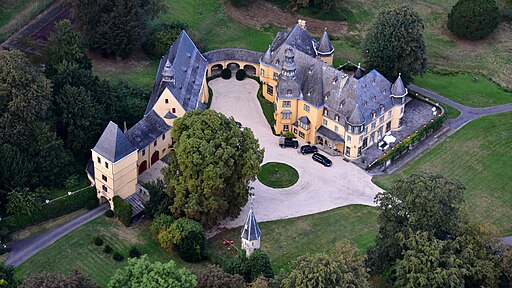
Burg Bassenheim is a historic castle located in the village of Bassenheim, near Koblenz in Rhineland-Palatinate, Germany. Nestled amid the scenic landscape of the Lower Rhine region, the castle reflects centuries of architectural evolution, noble tradition, and regional influence. With its blend of medieval fortification and later Baroque and Renaissance elements, Burg Bassenheim stands as a remarkable example of how German castles transitioned from purely defensive strongholds into refined noble residences. Today, it remains a cultural landmark and an enduring symbol of local history.
Early History and Construction
The origins of Burg Bassenheim date back to the early 13th century, a time when fortifications were being established throughout the Rhineland to secure territories and protect trade routes. The castle was initially built by the noble family of Bassenheim, who played an influential role in regional politics and the administration of nearby lands. Its early construction likely consisted of a fortified stone tower and surrounding walls, designed to resist attacks and assert feudal power.
Over time, the Bassenheim family expanded their holdings and influence, making the castle both a defensive seat and a center of governance. The earliest records of Burg Bassenheim mention it as a ministerial seat—a residence of high-ranking vassals who served the Archbishops of Trier, one of the most powerful ecclesiastical authorities in medieval Germany.
Architectural Development
The architecture of Burg Bassenheim evolved considerably through the centuries, reflecting both military and aesthetic priorities. The original medieval fortress included a moat, a central keep, and curtain walls reinforced by towers at strategic points. However, as military threats waned and noble life became more courtly in nature, the castle was gradually transformed into a comfortable residence.
During the Renaissance and Baroque periods, Burg Bassenheim underwent extensive renovations. The addition of ornate facades, decorative gables, and larger windows reflected the shift from fortification to elegance. Elements such as a grand hall, chapel, and landscaped gardens were introduced, turning the castle into a symbol of wealth and refinement. Today, remnants of Gothic stonework can still be seen alongside Renaissance ornamentation, giving the castle a layered and intriguing architectural character.
The Bassenheim Family and Their Influence
For centuries, the Lords of Bassenheim were among the most prominent noble families in the Rhineland. They held close ties with the Archbishops of Trier and participated in imperial politics, military campaigns, and regional governance. Their castle served as both a residence and a political center, hosting dignitaries and maintaining the family’s prestige.
Members of the Bassenheim family also contributed to religious and cultural life in the region, funding churches, schools, and charitable projects. Their influence extended well beyond the walls of their castle, shaping the social and economic development of the surrounding lands.
Burg Bassenheim Through the Ages
Burg Bassenheim, like many castles in Germany, endured periods of turmoil and transformation. During the Thirty Years’ War (1618–1648), the Rhineland suffered from military occupation and destruction, and Burg Bassenheim did not escape damage. However, it was later rebuilt and restored, reflecting the determination of its owners to preserve their ancestral home.
In the 18th and 19th centuries, the castle saw modernization efforts that added new wings and adapted the interiors to contemporary tastes. The surrounding estate became known for its landscaped gardens and agricultural productivity. The Bassenheim family continued to reside there until the early 20th century, after which the property changed hands and entered a new phase of use and preservation.
Cultural and Artistic Highlights
Burg Bassenheim is not only an architectural gem but also a repository of art and culture. Among its most famous treasures is the Bassenheim Horseman (Bassenheimer Reiter), a Romanesque sculpture depicting a mounted knight. This artwork, originally housed in the castle’s chapel, is considered one of the most significant examples of 13th-century sculpture in the Rhineland. Today, the sculpture is preserved in the Liebieghaus Museum in Frankfurt, where it continues to draw the admiration of art historians and visitors alike.
The castle’s chapel, a fine example of late Gothic design, also reflects the deep religious devotion of its founders. Frescoes, carved altars, and stained glass once adorned its interior, showcasing the craftsmanship and artistic patronage of the Bassenheim lords.
Burg Bassenheim in Modern Times
In the 20th century, Burg Bassenheim experienced both challenges and revitalization. During and after the Second World War, many historic estates in Germany suffered neglect or damage, and the castle was no exception. However, in the latter half of the century, preservation initiatives ensured that Burg Bassenheim would remain a part of the region’s cultural heritage.
Today, the castle is privately owned but has become a site of interest for historians, architecture enthusiasts, and tourists exploring the Koblenz region. The surrounding village of Bassenheim retains its charm, with half-timbered houses, narrow lanes, and historical landmarks that reflect the continuity between the past and present.
Visitor Experience
While Burg Bassenheim is not always open to the public year-round, visitors can admire its exterior and enjoy walks through the scenic surroundings. The castle’s proximity to Koblenz makes it a convenient stop for travelers exploring the Middle Rhine and Moselle regions. Seasonal events, historical tours, and cultural exhibitions occasionally take place on the estate, offering opportunities to engage with the history of the site.
The surrounding countryside also provides a picturesque setting for hiking, cycling, and exploring the natural beauty of Rhineland-Palatinate. The combination of historical architecture and pastoral landscapes makes Burg Bassenheim an ideal destination for those seeking both history and tranquility.
Legacy and Preservation
Burg Bassenheim remains a symbol of endurance, transformation, and cultural richness. Its centuries-long history embodies the evolution of German castles—from defensive bastions to noble residences and, eventually, to cultural monuments. The efforts to preserve and restore the castle reflect a broader commitment in Germany to safeguard historical sites as living witnesses of the past.
As one of the lesser-known yet deeply significant castles of the Rhineland, Burg Bassenheim offers a quieter, more intimate perspective on history. It is a place where the medieval world meets the modern age, where stone walls whisper the stories of knights, nobles, and generations of change.
Conclusion
Burg Bassenheim stands as a timeless reminder of the Rhineland’s rich feudal heritage and architectural legacy. From its medieval foundations to its elegant Baroque enhancements, the castle represents the intersection of power, art, and culture across centuries. Although it may not be as famous as the great Rhine castles along the river, Burg Bassenheim holds a unique charm and historical depth that reward those who seek it out. Visiting the castle and its surroundings offers not only a glimpse into the life of medieval nobility but also a deeper appreciation of the enduring spirit of Germany’s cultural landscape.
