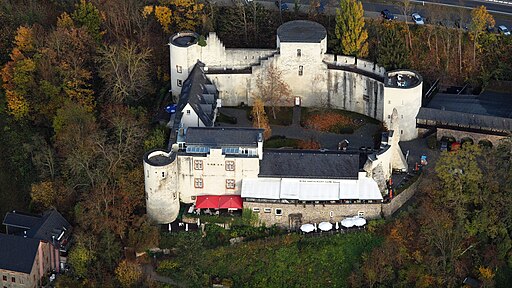
Burg Münstereifel is a historic castle located in the charming town of Bad Münstereifel in North Rhine-Westphalia, Germany. Set amidst the scenic Eifel region, the castle stands as a testament to centuries of medieval architecture, noble life, and regional history. Perched on a strategic hill, Burg Münstereifel once served as a military fortress and residence for local lords, guarding the surrounding lands and overseeing trade routes that connected the Eifel to the Rhineland. Today, it remains an important cultural and historical landmark, attracting visitors interested in history, architecture, and the natural beauty of the region.
Early History and Origins
The origins of Burg Münstereifel date back to the early 13th century, a period when fortified castles were being established throughout the Rhineland and Eifel regions. The castle was originally constructed to protect the town and the surrounding lands from invasions and feudal conflicts. Its location on elevated terrain provided a natural defensive advantage, allowing defenders to monitor the surrounding valley and the roads leading into the Eifel hills.
Burg Münstereifel was closely linked to the development of the town itself. As the castle grew in prominence, the surrounding settlement developed into a thriving market town. The local lords who controlled the castle exercised both military authority and administrative oversight, ensuring the security and prosperity of their lands.
Architectural Features
Burg Münstereifel showcases a combination of medieval military architecture and later residential enhancements. Its most prominent feature is the central keep, a strong stone tower that served as both a lookout point and a last line of defense during sieges. Thick walls, narrow arrow slits, and fortified gates reflect the castle’s primary role as a defensive structure.
Over time, the castle evolved to include more comfortable living quarters for the noble family. Larger windows, ornate facades, and internal courtyards were added, demonstrating a shift from purely military function to residential elegance. Several towers and outbuildings were also constructed, creating a complex that balanced security, administrative needs, and noble lifestyle.
Burg Münstereifel and Regional History
Throughout the Middle Ages, Burg Münstereifel played a significant role in the politics and conflicts of the Eifel region. The castle was a center of feudal authority and a strategic stronghold during disputes between local lords and larger territorial powers, including the Archbishopric of Cologne. Its control over key trade routes and local resources made it an essential asset in the political landscape of the time.
The castle also acted as a hub for judicial and administrative matters. Townspeople would often seek the protection or arbitration of the lords residing in Burg Münstereifel. The castle’s influence extended beyond military and governance functions, contributing to the growth and stability of the surrounding town.
Decline and Transformation
Like many medieval castles, Burg Münstereifel faced periods of decline as warfare technology evolved and regional politics stabilized. The introduction of artillery and changing military tactics reduced the strategic importance of hilltop fortresses. By the early modern period, the castle was no longer primarily used for defense, and portions of it began to fall into disrepair.
Despite this decline, Burg Münstereifel remained a symbol of local history and identity. Renovations and adaptations over the centuries allowed parts of the castle to continue functioning as a residence and administrative center, preserving its presence in the townscape.
Modern Restoration and Preservation
In recent decades, Burg Münstereifel has undergone careful restoration to preserve its historical character while making it accessible to visitors. Conservation efforts focused on stabilizing the original stonework, restoring architectural details, and maintaining the castle’s overall integrity. Today, it stands as both a historical monument and a cultural venue for the town of Bad Münstereifel.
The castle grounds and surviving structures offer a glimpse into medieval life, with informative displays and guided tours explaining the castle’s history, architecture, and role in the development of the region. Visitors can explore the keep, courtyards, and remaining defensive walls while enjoying panoramic views of the Eifel countryside.
Burg Münstereifel and Tourism
Burg Münstereifel is a popular destination for tourists exploring the Eifel region. Its proximity to the scenic hills, forests, and hiking trails makes it an attractive location for nature enthusiasts as well as history lovers. The castle is often included in walking tours of Bad Münstereifel, a town renowned for its well-preserved medieval streets, half-timbered houses, and charming marketplace.
Seasonal events and cultural programs are sometimes held at the castle, allowing visitors to experience medieval-themed activities, art exhibitions, and local festivals. These events bring the history of Burg Münstereifel to life, providing an immersive experience for both locals and tourists.
Cultural Significance
Burg Münstereifel is more than a historical structure; it represents centuries of regional identity and continuity. Its survival through wars, political changes, and the passage of time underscores the resilience of the town and its people. The castle also serves as a reminder of the feudal system that shaped medieval Europe, offering insight into the daily lives, challenges, and privileges of noble families in the Rhineland.
As a landmark, Burg Münstereifel enriches the cultural heritage of North Rhine-Westphalia and contributes to the town’s historical narrative. It is a symbol of both architectural achievement and the enduring legacy of the medieval period in Germany.
Conclusion
Burg Münstereifel stands as a remarkable example of medieval architecture and regional history. From its origins as a defensive fortress to its modern role as a cultural and tourist landmark, the castle offers a window into the past while remaining an integral part of the town of Bad Münstereifel. Its architecture, historical significance, and scenic surroundings make it a compelling destination for anyone interested in the heritage of the Eifel region. Exploring Burg Münstereifel provides a rich and immersive experience, connecting visitors to the medieval world and the enduring legacy of one of Germany’s historic castles.
