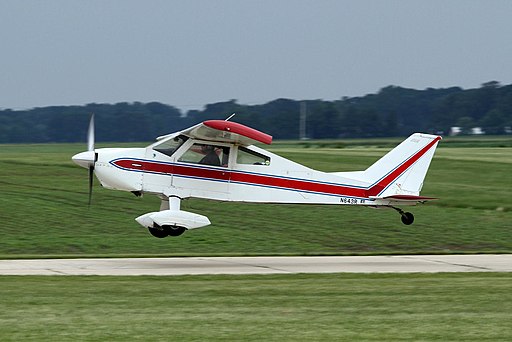
The Bede BD-4 is a notable aircraft in the realm of homebuilt aviation, celebrated for its innovative design and practicality since its introduction in the early 1970s. Conceived by Jim Bede, an influential figure in experimental aircraft design, the BD-4 was developed as a kit plane aimed at amateur builders and aviation enthusiasts seeking an affordable, efficient, and versatile aircraft. Its design principles focused on ease of construction, aerodynamic efficiency, and robust performance, which collectively made the BD-4 a landmark in the homebuilt aircraft community. The BD-4’s combination of all-metal construction, spacious cabin, and good flight characteristics has allowed it to maintain popularity for decades, evolving through various modifications and engine options.
Design and Structural Characteristics
The Bede BD-4 features a high-wing monoplane design with a fixed tricycle landing gear configuration, making it particularly suitable for both grass strips and paved runways. The airframe is predominantly constructed from aluminum alloy, utilizing sheet metal and structural components that contribute to its lightweight yet sturdy build. This all-metal approach contrasts with the wood and fabric materials commonly used in earlier kit aircraft, providing better durability and ease of maintenance. The high wing placement offers excellent visibility for the pilot and passengers, as well as enhanced stability, which is a valuable feature for less experienced pilots.
The wing itself employs a semi-tapered planform with a straightforward construction approach, incorporating a single main spar and pre-formed ribs. This design allows for efficient lift generation and structural simplicity, reducing the time and complexity required during assembly. The wing incorporates flaps to enhance low-speed control and landing performance. The fuselage of the BD-4 is spacious relative to many homebuilt aircraft, designed to comfortably accommodate two or more occupants side-by-side, along with some baggage space. The aircraft’s canopy or cabin windows provide ample natural light, contributing to a comfortable flying experience. The fixed landing gear uses aluminum spring main gear legs and a steerable nose wheel, providing a rugged yet forgiving setup for varied operating environments.
Powerplant Options and Performance
The BD-4 was designed with versatility in mind, capable of accepting a wide range of engines, primarily from the Lycoming series, which are renowned for their reliability in general aviation. Typical powerplants include the Lycoming O-320 and O-360 engines, with horsepower ratings generally ranging from 150 to 180 hp, though some builders have installed more powerful engines to improve performance. This flexibility in engine choice allows builders to tailor the aircraft’s performance and operational costs to their specific needs.
Performance-wise, the BD-4 delivers a respectable cruise speed in the range of 130 to 160 miles per hour (210 to 257 kilometers per hour), depending on the engine installed and the aircraft’s weight configuration. Its range is approximately 600 to 700 miles (965 to 1,125 kilometers) with standard fuel tanks, making it suitable for cross-country flights. The aircraft’s service ceiling typically exceeds 15,000 feet (4,570 meters), granting access to a wide range of flying environments. The stall speed is generally around 50 miles per hour (80 kilometers per hour) with flaps extended, contributing to manageable takeoff and landing characteristics even on shorter fields. The fixed landing gear and high-wing design further aid in low-speed handling and ground operations.
Flight Control and Handling Characteristics
The BD-4 uses conventional control surfaces consisting of ailerons on the wings, elevators on the horizontal stabilizer, and a rudder on the vertical stabilizer. The control system is cable-operated and straightforward, reflecting the aircraft’s emphasis on simplicity and reliability. The ailerons provide effective roll control with good responsiveness, while the elevator and rudder allow precise pitch and yaw maneuvers. The flaps are manually or electrically operated, depending on builder preferences and modifications, and help improve descent and landing profiles by increasing drag and lift at slower speeds.
One of the aircraft’s defining flight characteristics is its stable handling, which is partly attributable to its high-wing configuration and relatively large tail surfaces. The BD-4 exhibits predictable behavior in a range of conditions, making it well-suited for both novice and experienced pilots. The roomy cockpit layout and visibility enhance situational awareness, while the aircraft’s structural design limits adverse yaw and promotes coordinated turns. Overall, the BD-4’s handling strikes a balance between responsive control and forgiving flight dynamics, contributing to its long-standing appeal in the homebuilt community.
Construction and Kit Details
The Bede BD-4 was among the early aircraft kits to offer pre-fabricated components to builders, streamlining the assembly process significantly compared to scratch-built aircraft. The kit typically includes pre-cut and formed aluminum parts, along with detailed plans and assembly instructions. Builders require a basic level of mechanical skill and access to standard tools, but the modular nature of the kit allows construction in typical home workshop environments. The aircraft’s design also allows for incremental building, where sections can be completed and tested separately before final assembly.
The all-metal construction, combined with the straightforward structural design, reduces the need for specialized jigs and fixtures. This accessibility contributed to the BD-4’s success, enabling many amateur builders to complete their aircraft within reasonable timeframes. Additionally, the wide community of BD-4 builders and flyers provides an extensive network of support, advice, and shared modifications, helping newcomers to overcome challenges during the building process.
Technical Specifications Summary
- Type: Two to four-seat, high-wing, all-metal kit aircraft
- Crew: 1 pilot
- Capacity: 1 to 3 passengers (depending on configuration)
- Length: Approximately 22 feet 8 inches (6.91 meters)
- Wingspan: Approximately 30 feet 6 inches (9.3 meters)
- Wing Area: Around 140 square feet (13 square meters)
- Empty Weight: Approximately 900 to 1,100 pounds (408 to 499 kilograms)
- Gross Weight: Typically between 1,700 and 2,200 pounds (771 to 998 kilograms) depending on configuration
- Powerplant: Commonly Lycoming O-320 or O-360, producing 150 to 180 horsepower
- Maximum Cruise Speed: 130 to 160 mph (210 to 257 km/h)
- Range: Approximately 600 to 700 miles (965 to 1,125 kilometers)
- Service Ceiling: Over 15,000 feet (4,570 meters)
- Stall Speed: Around 50 mph (80 km/h) with flaps
- Landing Gear: Fixed tricycle, aluminum spring main gear, steerable nosewheel
- Construction: All-metal aluminum alloy with fabric covering on control surfaces in some variants
Legacy and Impact
The Bede BD-4 remains a seminal aircraft in the homebuilt and experimental aviation sectors, valued for its blend of innovative design, ease of assembly, and solid flying qualities. Its introduction marked a turning point in the accessibility of aircraft construction for amateurs and set standards for kit aircraft that followed. Over time, the BD-4 has inspired numerous derivatives and modifications, reflecting its robust foundational design. Even decades after its introduction, it continues to be built, flown, and admired by aviation enthusiasts worldwide, underscoring its lasting influence on personal aviation.
.jpg)