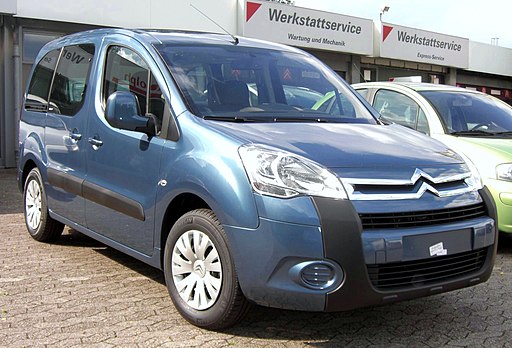
The Citroën Berlingo has become a familiar sight on European roads thanks to its practical design, versatile interior, and robust engineering. Introduced in the mid-1990s and continually developed through multiple generations, the Berlingo appeals equally to families, small business owners, and leisure-oriented buyers seeking a flexible vehicle at a competitive price on the used market. What sets the Berlingo apart is its blend of utility, comfort, and efficiency; it occupies the niche between compact vans and conventional passenger cars, offering high rooflines, generous cargo capacity, and a driving experience that remains composed despite its utilitarian roots. As a used car, the Berlingo presents a compelling value proposition, combining reliable mechanical underpinnings with a spacious cabin and straightforward servicing requirements that make ownership relatively straightforward and budget-friendly.
Engine Options and Performance Characteristics
Over the years, the Citroën Berlingo has been offered with a variety of petrol and diesel engines, each tuned for a balance of everyday usability and fuel economy. Typical petrol engines for recent used models include three-cylinder units around 1.2 liters in displacement with output generally between 110 and 130 horsepower, providing adequate performance for urban and highway driving while keeping running costs in check. Diesel options have historically been more popular, particularly among high-mileage buyers, with 1.5-liter BlueHDi engines delivering outputs between approximately 75 and 130 horsepower depending on specification. The diesel variants excel in torque, often producing peak torque figures in the 250 to 300 Nm range that translate into strong low-end pull and relaxed cruising, particularly when carrying cargo or passengers. Transmission options include five- or six-speed manual gearboxes and, in some later models, an efficient eight-speed automatic that smooths out shifts and contributes to fuel economy. On the used market, engine choice should align with anticipated usage, with diesel powered examples often preferred for high annual mileage due to lower fuel consumption and robust torque delivery.
Chassis, Suspension, and Driving Dynamics
The Berlingo’s structural design prioritizes stability and comfort, featuring a front-wheel-drive architecture and suspension tuned for load-bearing capability. MacPherson struts at the front and a torsion beam setup at the rear provide a compromise between ride comfort and load capacity, coping well with a variety of road surfaces. Due to its high-roof, boxy design, the Berlingo can exhibit body roll and a somewhat floaty demeanor in tight corners when compared to conventional passenger cars, but this is a direct trade-off for the generous interior volume and payload capacity. Steering is light and predictable, making city maneuvering and parking straightforward, while braking performance remains consistent across models thanks to ventilated discs at the front and solid drums or discs at the rear depending on trim. For buyers of used examples, checking the condition of suspension bushes, strut mounts, and wheel bearings is important, particularly if the vehicle has been used for heavy loads or frequent urban driving.
Interior Layout, Practicality, and Comfort
One of the standout attributes of the Citroën Berlingo is its interior flexibility. The cabin layout emphasizes utility with a tall seating position, expansive windscreen, and a dashboard designed to keep controls within easy reach. Seating arrangements can typically accommodate five occupants, with the option in some variants for modular rear seats that fold or slide to adapt to cargo needs. Cargo capacity is noteworthy; behind the rear seats, load volume often exceeds 600 liters and expands significantly with the rear seats folded flat, making the Berlingo capable of handling bulky items that would challenge many hatchbacks or estates. Storage solutions abound in the form of overhead shelves, door bins, and under-seat compartments that enhance daily practicality. On the comfort front, later used models often include features such as climate control, infotainment systems with touchscreen displays, smartphone connectivity, and driver-assistance aids like parking sensors and lane-departure warning, contributing to a more modern driving experience despite the vehicle’s utilitarian foundation.
Fuel Efficiency and Ownership Costs
Fuel efficiency is a key consideration for buyers of used Berlingo models, particularly those with diesel engines. Diesel variants equipped with the 1.5-liter BlueHDi engine often achieve combined consumption figures in the range of 4.5 to 5.5 liters per 100 kilometers under mixed driving conditions, translating into economical long-distance travel. Petrol engines, while offering slightly higher consumption, still deliver respectable economy figures in everyday use, particularly when paired with efficient gearboxes. Insurance and tax costs for the Berlingo tend to be moderate thanks to its classification and the availability of lower-emission engine options that attract favorable levies in many European countries. Regular servicing intervals and straightforward mechanical layouts help keep maintenance affordable, a major advantage for buyers seeking a used vehicle that will not burden them with unexpected expenses. Routine checks on items such as brake wear, clutch condition on manual-gearbox examples, and timing-belt service history on applicable engines further enhance long-term ownership satisfaction.
Common Issues and Reliability Considerations
As with any used vehicle, potential issues should be considered carefully when evaluating a Citroën Berlingo. Diesel particulate filter (DPF) concerns can arise on higher-mileage diesel models used predominantly for short journeys, as insufficient heat cycles can lead to clogging; verifying that DPF regeneration has occurred regularly is therefore prudent. Electrical gremlins, such as intermittent sensor faults or infotainment glitches, can surface in older examples, though these are generally low-cost to diagnose and repair. Wear and tear on suspension components due to heavy loading or frequent urban potholes is another common area to inspect during pre-purchase checks. Despite these considerations, the Berlingo’s overall reliability record is solid, supported by robust engine options and a drivetrain layout that has benefitted from years of incremental improvement.
Market Value and Buying Recommendations for Used Berlingo
In the used car market, the Citroën Berlingo’s appeal lies in its versatility, practicality, and cost-effectiveness. Prices vary based on age, mileage, engine choice, trim level, and condition, with early generations available at highly accessible price points and later, better-equipped models commanding a premium. Buyers should prioritize vehicles with comprehensive service records, confirmed mileage, and documentation of major maintenance items such as timing-belt changes where applicable. A thorough test drive should assess engine performance, gearbox operation, suspension response, and the functionality of interior electronics. For those seeking an affordable, practical vehicle capable of handling family duty, leisure activities, and light commercial tasks, the Citroën Berlingo stands out as a reliable used choice that delivers utility without sacrificing comfort or efficiency.
_front.jpg)