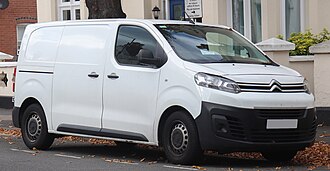
When buyers start searching for a used van that combines practicality, versatility, and real‑world efficiency, the Citroën Jumpy often rises to the top of the shortlist. While it may lack the mainstream brand recognition of some of its competitors, the Jumpy consistently delivers on what matters most for people who need a reliable commercial vehicle: strong build quality, sensible running costs, flexible load space, and user‑friendly driving characteristics. In a market where the term “workhorse” is often overused, the Jumpy truly embodies it without unnecessary embellishment. Far from being mere transportation, it becomes a daily partner that shoulders heavy cargo, deals with narrow urban streets, and still delivers ease of ownership over years of use. For private users who want a do‑it‑all shuttle for family and gear, or for small business owners who depend on dependable transport every day, the Jumpy presents a compelling balance between capability and cost.
The appeal of a used commercial vehicle differs from that of a new one. Depreciation hits most vans hard in their early years, which means the used market offers trail‑ready vehicles with many years of service life remaining at prices that represent real value. A three‑ or five‑year‑old Jumpy can be substantially cheaper than a new model yet still benefits from modern engineering, efficient engines, and serious practicality. That said, buying used requires care: understanding generational changes, engine choices, trim levels, load capacities, and typical wear patterns is essential. This article offers a deep dive into everything prospective buyers need to know about the Citroën Jumpy as a used car, from its evolution and design philosophy to technical details, driving experience, interior practicality, safety features, reliability considerations, costs of ownership, and how to evaluate a potential purchase.
Origins and Evolution: How the Citroën Jumpy Started
The Citroën Jumpy first debuted in the mid‑1990s as Citroën’s answer to the rising demand for efficient and versatile commercial transport. It was introduced at a time when businesses, tradespeople, and service fleets increasingly sought vehicles that were larger than compact vans yet more manageable and economical than full‑size box vans. Early models carved out a niche by offering a practical blend of cargo space, sensible running costs, and a driver‑friendly package that was easier to handle than many of its larger counterparts. Across multiple generations, the Jumpy evolved alongside shifting commercial needs and tightening regulations around emissions and efficiency.
One of the key innovations in the Jumpy’s history was its strong collaboration within the PSA Group (Peugeot, Citroën, and later Opel/Vauxhall) and with other manufacturers. This allowed the platform and mechanical architectures to be shared with sibling models such as the Peugeot Expert, Toyota Proace, and later Opel/Vauxhall Vivaro. While each brand tailored trim, styling, and feature packages to align with brand identity, the underlying mechanics, engineering philosophy, and core goals were shared, enhancing parts availability and after‑sales support — an important factor for used‑vehicle buyers.
Over time, the Jumpy moved through several design and platform updates. Each generational change brought refinements in engine technology, interior ergonomics, safety systems, and load‑carrying versatility. Early models prioritized basic commercial usage and durability, while later versions introduced more comfort‑oriented cabins, better noise isolation, improved driver assistance features, and cleaner engines designed to meet stricter emissions norms. As environmental awareness and fuel costs rose globally, the Jumpy responded with cleaner engines, more aerodynamic designs, and improved fuel economy figures. These advances make newer used‑examples appealing not just to commercial buyers but to private users seeking a practical and efficient shuttle with serious carrying capacity.
Exterior Design and Load‑Carrying Practicality
One of the first things buyers notice about the Citroën Jumpy is that its exterior is clearly engineered around utility rather than flash. The silhouette is tall and boxy, which maximizes interior space without creating undue complexity in body design. Front panels are upright, headlamps are large and positioned for excellent illumination, and the overall aesthetic signals purpose and capability. This is a vehicle designed to do work, and its exterior communicates that priority with clarity and confidence.
For commercial users, every centimetre of load space counts, and the Jumpy delivers in this respect. Multiple body configurations are available — typically referred to in terms of overall length and roof height. Standard lengths cover a broad range, from compact versions that fit easily into urban parking spaces to extended length variants that deliver significantly more cargo volume. High‑roof configurations add vertical space, which becomes crucial when transporting bulky or tall items or when fitting interior shelving systems for tools and equipment.
Access to the load area is equally practical. Most models offer sliding side doors on one or both sides, which makes loading items or stepping into the cargo bay easier in tight spaces — common in city deliveries or cramped job sites. The rear doors often open wide, sometimes up to 180 degrees or more, facilitating easy access for forklifts or by hand. Combined with low load floors and flat interiors, this makes packing and unpacking straightforward and efficient — a key benefit when time is money.
Another practical detail is the use of roof rails or optional roof racks. Tradespeople appreciate these because they allow long items like pipes or ladders to be carried securely, leaving the interior free for tools and shorter cargo. From a used‑car perspective, seeing how a previous owner utilised roof accessories can be an indicator of the kind of work the van was used for. Some additions, like aftermarket racks or racks with proper load distribution points, can add value if they are professionally installed and suit your specific use case.
Engines and Powertrain Options Through the Generations
A critical part of evaluating any used vehicle — especially one meant for commercial use — is understanding its engine and drivetrain options. The Citroën Jumpy has been offered with a variety of diesel engines through its life, reflecting the commercial segment’s preference for diesel’s torque characteristics and fuel efficiency. In the earlier generations, engines were typically turbocharged diesels around the 1.9 to 2.0‑litre range, delivering solid torque at low rpm ranges — perfect for moving heavy loads or climbing gradients with confidence even when the van is fully loaded.
As emission standards tightened through the 2000s and 2010s, the Jumpy’s engines evolved to integrate common‑rail direct injection systems and more sophisticated turbocharging. These refinements improved both fuel economy and refinement, making newer used models closer in comfort to passenger cars while still delivering robust work‑oriented performance. Power outputs vary by specific engine and tune, but the character remains consistent: engines are tuned to prioritise torque and drivability rather than outright horsepower figures. This makes life easier for drivers because pulling power comes early in the rev range, reducing the need for frequent gear changes under load.
Transmissions across Jumpy generations include five‑ and six‑speed manuals and, in later models, six‑speed automatic options. Manual gearboxes tend to be preferred by traditional van drivers because they offer direct control over engine power delivery and can be more economical to repair. Automatic transmissions, on the other hand, have grown in popularity because they reduce driver fatigue in heavy traffic or urban delivery routes where frequent gear changes are necessary. Automatic gearboxes on later models also incorporate adaptive shift logic, which helps smooth out acceleration and reduce excessive revving when the van is loaded.
Front‑wheel drive is the most common drivetrain layout on the Jumpy and offers several real‑world advantages: better traction under light loads, improved fuel economy compared with heavier rear‑wheel drive setups, and simpler drivetrain mechanics that reduce maintenance costs. A small number of versions or markets have offered rear‑wheel drive or all‑wheel drive variants, typically for specific applications requiring greater trail or towing capability. However, these versions are rarer in the used market and usually attract a premium among buyers who specifically require their advantages.
Fuel economy varies by engine, transmission, load, and driving conditions, but later generations — particularly those equipped with modern common‑rail diesels and aerodynamic improvements — can deliver very reasonable consumption given their size and purpose. Buyers should expect better real‑world efficiency on highway travel compared with stop‑start urban use, and diesel variants are generally more economical in mixed conditions than petrol equivalents.
Suspension and Driving Experience
Commercial vans have historically been judged not just on cargo space, but also on how they drive in everyday conditions. The Citroën Jumpy approaches this with a suspension that prioritises load‑carrying stability, driver comfort, and predictability over sporty handling. While it is not designed to hug corners like a passenger car, it delivers a driving experience that instils confidence even when fully loaded or navigating tight urban environments.
At lower speeds, such as manoeuvring through city streets or loading bays, the steering is light and responsive enough to make parking and lane splits manageable. Suspension travel absorbs bumps and irregular surfaces with a degree of composure that reduces driver fatigue — a welcome quality for drivers who spend long days on the road. On open roads or highways, the ride becomes composed and stable. The relatively long wheelbase gives the Jumpy a planted feel; it resists sudden pitch and yaw when the road is uneven or when sudden manoeuvres are needed.
Body roll is present — as would be expected in a high‑roof, large‑frame van — but it is not excessive. Drivers quickly learn how the vehicle balances over corners, and the van’s predictability allows them to make smooth, confident steering decisions. Larger diesel engines paired with manual gearboxes often provide the best combination of smooth power delivery and economy, while automatic transmissions are especially convenient for delivery work or tightly spaced routes where frequent gear changes would otherwise tire the driver.
Braking performance is tuned with commercial use in mind. Larger discs and brake assist systems help manage stops even under full load, while optional electronic aids like anti‑lock braking systems (ABS) and electronic stability control (ESC) — standard on later generations — further boost everyday confidence. Buyers should inspect brake pad and disc wear carefully on used examples, since vans used intensively in urban environments often experience faster braking component wear.
Interior Comfort, Practicality, and Usability
Though its primary mission is practicality, the Citroën Jumpy surprises many buyers with a cabin that is thoughtful, purposeful, and comfortable — especially in later generations. Early models focused intensely on robust functionality, with simple plastics and straightforward layouts designed to withstand dirt, tools, and heavy usage. Later models introduced better ergonomic seating, improved materials, and more passenger‑friendly features such as enhanced infotainment systems, better sound insulation, and comfort‑oriented amenities like upgraded air conditioning and adjustable seating.
Driver ergonomics matter enormously in vans because operators often spend long hours behind the wheel. The Jumpy’s cabin typically offers a commanding view of the road, intuitive placement of gauges and controls, and sufficient adjustability in the driver’s seat to find a comfortable driving position. Steering wheels often tilt and telescope to suit different driver heights, and large mirrors help reduce blind spots — which is particularly important when reversing or manoeuvring in tight spaces.
Storage inside the cab is ample. Large door pockets, overhead cubbies, central console trays, and compartments near the dash allow drivers to keep paperwork, tools, drink bottles, phones, and other small items organised. Cup holders and dedicated spaces for mobile devices are practical touches that reflect the reality of long days on the road. In models where a second or even a third seat is fitted in the front, flexibility for multiple occupants improves the van’s utility for small work crews or family use.
Noise insulation has improved over successive generations. Early Jumpy models can feel more “industrial” inside, with noticeable diesel clatter and wind noise at higher speeds. Later models addressed this with better insulation materials and tighter panel fitments, resulting in a quieter cabin environment that makes long journeys less fatiguing. Some buyers choose to retrofit additional sound‑deadening materials in used vans, especially if the vehicle will be used for frequent highway travel or logging significant miles.
For cargo access from the cabin, many models allow folding of the front passenger seat or pass‑through to the load area. This can be incredibly useful for transporting longer items such as pipes, boards, or ladders without needing to open rear or side doors — a feature particularly valued by tradespeople.
Safety Features and Driver Assistance
Safety is a key concern for any vehicle owner, including those choosing commercial vans. While commercial vehicles were historically less likely to be equipped with advanced safety technologies than passenger cars, the Citroën Jumpy’s later generations show a clear evolution in safety equipment as standards and expectations rose.
Standard safety features across most used models include multiple airbags for the driver and front passenger, anti‑lock braking systems (ABS), and structural design elements engineered to absorb and redirect impact forces in case of collision. Electronic stability control (ESC) became more prevalent in later models, helping maintain directional stability under heavy load or in slippery conditions. ESC is an especially valuable addition in a van because a fully loaded cargo bay can significantly alter handling characteristics compared with an empty load space.
Driver assistance features such as parking sensors, rear‑view cameras, blind‑spot monitoring, lane departure warnings, and more advanced braking aids became available on newer used Jumpy models, either as part of higher trim levels or optional safety packages. These features drastically reduce the likelihood of minor collisions during parking or lane changes — everyday situations where vans are more prone to contact because of their larger dimensions and blind spots.
Tire pressure monitoring systems (TPMS) and hill start assist further enhance control and confidence, particularly when navigating gradients with a heavy load. For buyers whose routes include narrow streets, steep inclines, or frequent reversing into busy docks, these aids are not merely convenience features — they materially improve safety and reduce fatigue.
Reliability and Common Issues in Used Examples
Reliability is a central concern for anyone considering a used commercial van because downtime means lost productivity, and unexpected repairs can strain budgets. The Citroën Jumpy has a reputation for solid mechanical foundations, but like all vehicles, certain patterns of wear and common issues emerge over years of service.
One of the most reported areas of wear relates to suspension components. Given the van’s duty cycle — frequent loading and unloading, variable payloads, and urban driving — suspension bushes and shock absorbers can wear faster than in passenger cars. Symptoms of wear include increased cabin vibration, uneven tyre wear, or a “floaty” feel on rough roads. A careful inspection during a pre‑purchase exam can reveal these issues early, and replacement parts are generally inexpensive and widely available.
Another area to watch is brake wear. Vans used intensively in stop‑start city routes or on long downhill stretches can exhibit faster wear on brake discs and pads. Checking whether brake servicing has been carried out on schedule, and whether the braking system shows even wear across both wheels, is a critical part of a thorough inspection.
Diesel engines — which dominate the Jumpy’s powertrain lineup — can accumulate soot and particulates if used primarily for short urban runs without occasional long‑distance highway travel. This affects diesel particulate filters (DPFs) which are designed to periodically clean themselves at higher operating temperatures. A clogged DPF can lead to reduced performance and expensive servicing if left unaddressed. Prospective buyers should ask about the vehicle’s typical usage patterns and look for service records that show DPF maintenance or successful regeneration cycles.
Other potential concerns relate to electrical systems. Older vans may show intermittent faults in lighting circuits, dashboard displays, or power outlet functions. While these issues rarely affect core drivability, they can be frustrating and sometimes costly if they require extensive wiring inspections or component replacements.
Exhaust systems, turbochargers, and diesel injectors are also items to evaluate in a used van. Excess smoke, unusual noises under acceleration, or reduced performance can indicate wear in these areas. Fortunately, because the Jumpy shares mechanical roots with other high‑volume vans like the Peugeot Expert and Toyota Proace, spare parts remain accessible, and many independent mechanics are familiar with common repair patterns.
Ownership Costs and Maintenance Considerations
Owning a used Citroën Jumpy can be cost‑effective, but understanding where costs are likely to arise helps owners budget wisely. Routine servicing — including oil changes, filter replacements, brake checks, and suspension servicing — should be part of regular maintenance. Because diesel engines tend to be more demanding on fuel filters and emissions components, these items should not be neglected.
Fuel is one of the most significant ongoing costs. Diesel variants, especially those with newer common‑rail injection systems, tend to offer the best economy for mixed or highway driving, but real‑world consumption will still depend heavily on load, route type, and driving style. Urban driving with frequent stops, heavy cargo, or cold starts will typically deliver noticeably lower economy than long‑distance steady cruising.
Insurance premiums for commercial vans often depend on region, usage type, payload classification, and whether the van is used for business or personal use. Insurance for vehicles primarily used for business purposes may be higher, given that business use exposes vehicles to more varied operating conditions and higher mileage.
Taxes and registration fees vary widely by country and jurisdiction, often tied to emission levels, gross vehicle weight, and engine displacement. Buying a used model with more modern emission control systems — even if it costs slightly more upfront — may result in lower annual taxes and improved compliance with emissions zones in urban centres.
Finally, planned replacement of consumable components — tyres, brake pads, belts, hoses — should be anticipated, especially if the used vehicle is nearing mileage milestones where parts are prone to wear. Preventative maintenance during ownership reduces the likelihood of sudden, costly breakdowns and helps maintain resale value if trading the vehicle later.
What to Inspect When Buying a Used Citroën Jumpy
Evaluating a used Citroën Jumpy requires diligence because commercial vehicles often experience high annual mileage and heavy usage. A thorough pre‑purchase inspection should include a detailed review of service history. A van with complete, documented service records — including timing belt changes, brake servicing, and diesel system maintenance — typically represents a stronger candidate than one with sporadic or missing records.
Visual inspection should focus on rust and body integrity. Vans that operate in snowy climates with road salt can exhibit corrosion around wheel arches, underbody panels, and suspension mounting points. These areas are critical because corrosion here can compromise structural strength or lead to costly rust repair bills.
Under the bonnet, check for oil residue that may indicate leaks around valve cover gaskets, turbocharger seals, or oil cooler joints. Coolant hoses should feel firm and free of cracks, while belts should show minimal fraying. During a cold start, listen for unusual noises such as loud rattles or grinding that may indicate turbocharger wear or timing component issues.
A test drive is indispensable. Accelerate briskly in various gears to evaluate engine response; hesitation or excessive smoke can signal fuel system or injector issues. Brake performance should feel confident and smooth without excessive noise or pulling to one side. Suspension should absorb uneven surfaces without clunks or excessive bounce.
Always test electrical systems comprehensively — headlights, interior lights, indicators, infotainment screens, power outlets, and HVAC controls. Intermittent electrical issues are more common in older vans and may require professional diagnostics to trace. Finally, if possible, have a trusted mechanic or commercial vehicle specialist perform a diagnostic scan and compression test — these provide deeper insights into engine health than surface visual inspections can achieve.
How the Citroën Jumpy Compares with Rivals
In the used van sector, the Citroën Jumpy competes with a range of popular models, including the Ford Transit Custom, Volkswagen Transporter, Mercedes‑Benz Vito, Renault Trafic, and its PSA siblings — Peugeot Expert, Toyota Proace, and Opel/Vauxhall Vivaro. Each of these rivals has its own strengths and appeal, and choosing between them often comes down to priorities such as fuel economy, payload capacity, daily comfort, or parts availability.
The Jumpy often excels on value because its shared platform and widespread parts availability — thanks to badge‑engineered siblings — make servicing predictable and affordable. Reliability stories from independent workshops frequently highlight the Jumpy’s robust diesel engines and straightforward service needs, particularly when compared with vehicles that require more expensive electronic components or specialised diagnostic tools.
Volkswagen Transporter models often attract buyers looking for premium interior finishes and strong residual values, but they can command higher purchase prices and potentially higher parts costs. The Ford Transit Custom is praised for its strong driving dynamics and broad dealer network, but insurance and parts costs can be higher in certain markets. Mercedes‑Benz Vito examples may offer a premium badge and strong engine options, yet their maintenance costs often sit above those of PSA vans.
Ultimately, the Jumpy’s strengths lie in sensible value for money, practicality, and serviceability. Buyers who prioritise minimal ongoing costs and maximum cargo flexibility often find the Jumpy to be a compelling choice compared with rivals — particularly when opting for later generations with modern diesel powertrains and safety upgrades.
Conclusion: Is a Used Citroën Jumpy Right for You?
Choosing a used commercial van is about aligning the vehicle’s strengths with your daily needs, budget constraints, and long‑term plans. The Citroën Jumpy offers a compelling blend of practicality, flexibility, and real‑world performance that aligns with the needs of small business owners, commuters who require cargo capacity, and adventurous individuals who want to transform their van into a camper or hobby vehicle. Its roots in a shared platform with other well‑supported vans add confidence in parts availability and independent servicing, while its evolution through multiple generations means buyers can find examples with modern safety and comfort features at accessible prices.
The keys to success when buying a used Jumpy are research, inspection, and understanding how the vehicle has been used and maintained. A high‑mileage example with excellent service records can outperform a lower‑mileage van with a neglected maintenance history, so always weigh documentation alongside odometer figures. When chosen with care, a Citroën Jumpy can become a dependable daily partner that delivers years of service, versatility, and value far beyond its purchase price.
Technical Specifications Table
| Specification | Details |
|---|---|
| Model | Citroën Jumpy |
| Body Type | Light commercial panel van / crew van / chassis cab |
| Layout | Front‑engine, front‑wheel drive (common) |
| Engine Options | Turbo Diesel 1.6–2.0 L (varies by year) |
| Power Output | ~90–180 hp (engine/market dependent) |
| Torque | ~210–400+ Nm (engine dependent) |
| Transmission | 5‑ or 6‑speed manual, 6‑speed automatic |
| Fuel Type | Diesel |
| Fuel System | Common‑rail direct injection |
| Emission Standard | Euro 4/5/6 (varies by year) |
| Front Suspension | Independent MacPherson strut |
| Rear Suspension | Beam axle with leaf springs or coil set‑up |
| Steering | Power‑assisted rack and pinion |
| Brakes (Front/Rear) | Disc / Drum (varies by spec) |
| ABS/ESC | Standard ABS; ESC on later models |
| Seats | 2–3 in cab; optional crew variants |
| Payload Capacity | ~1000–1400+ kg (configuration dependent) |
| Gross Vehicle Weight (GVW) | ~2.8–3.5 tonnes |
| Cargo Volume | ~5.0–8.0+ m³ depending on body length |
| Fuel Tank Capacity | ~60–80 litres |
| Length | ~4890–5300 mm (varies by model) |
| Width | ~1920–2100 mm (mirrors included) |
| Height | ~1900–2050+ mm (roof height dependent) |
| Wheelbase Options | Standard / Long |
| Towing Capacity | Up to ~2000 kg (varies by spec) |
| Safety Features | ABS, airbags, ESC (later models), optional driver aids |
