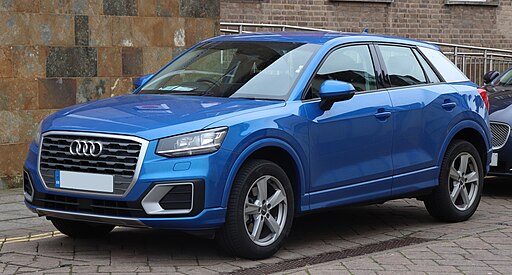
The Audi Q2 entered the compact premium SUV segment as a response to growing demand for smaller, city-friendly crossovers with upscale branding and solid engineering. As a used car, the Audi Q2 represents an attractive balance between modern design, advanced technology, and manageable ownership costs compared to larger Audi SUVs. Its compact dimensions make it well suited for urban environments, while its build quality and driving dynamics maintain the premium feel expected from the brand. Buyers in the used market are often drawn to the Q2 for its contemporary styling, efficient engines, and a cabin that still feels modern even after several years of use.
Design, Dimensions, and Body Construction
The Audi Q2 features a distinctive and angular design that sets it apart from more conservative competitors. Its sharp body lines, upright stance, and contrasting C-pillar styling give it a youthful and sporty appearance that tends to age well, which is an advantage when purchasing used. The body is constructed using a combination of high-strength steel and lightweight materials to improve rigidity and safety while keeping weight under control.
In terms of dimensions, the Audi Q2 measures approximately 4,191 mm in length, 1,794 mm in width, and around 1,508 mm in height, depending on suspension setup. The wheelbase of roughly 2,601 mm provides a stable platform while keeping the vehicle compact enough for easy parking. Ground clearance is adequate for light off-road use, though the Q2 is primarily engineered for paved roads rather than rugged terrain.
Engine Options and Performance Characteristics
Used Audi Q2 models are available with a wide range of petrol and diesel engines, depending on market and model year. Petrol engines typically include 1.0-liter three-cylinder, 1.4-liter or 1.5-liter four-cylinder TFSI units, delivering power outputs ranging from approximately 116 hp to around 150 hp. These engines are turbocharged, offering strong low-end torque and smooth acceleration, which makes the Q2 feel responsive in everyday driving conditions.
Diesel variants are commonly equipped with 1.6-liter or 2.0-liter TDI engines, producing between 116 hp and 190 hp. The diesel options are particularly appealing in the used market due to their fuel efficiency and long-distance cruising ability. Torque figures can reach up to 400 Nm in higher-output versions, providing confident overtaking performance even when fully loaded. Acceleration from 0 to 100 km/h typically ranges from about 6.5 seconds for the most powerful versions to around 10 seconds for entry-level models.
Transmission Systems and Drivetrain
The Audi Q2 as a used vehicle may be equipped with either a 6-speed manual transmission or Audi’s 7-speed S tronic dual-clutch automatic gearbox. The manual transmission is generally praised for its precise gear changes and durability, making it a good option for buyers seeking mechanical simplicity. The S tronic transmission offers faster shifts and improved comfort, especially in urban traffic, though proper maintenance is crucial for long-term reliability.
Front-wheel drive is standard on most Q2 models, which is sufficient for everyday use and helps keep running costs lower. Selected engine variants are available with Audi’s quattro all-wheel-drive system, which enhances traction and stability in poor weather conditions. Quattro-equipped used models are especially desirable in regions with snow or heavy rain, though they may come with slightly higher maintenance costs.
Suspension, Steering, and Driving Dynamics
One of the key strengths of the Audi Q2 as a used car is its driving dynamics. The suspension setup typically consists of MacPherson struts at the front and a torsion beam or multi-link rear axle, depending on engine output and drivetrain configuration. This setup provides a good compromise between comfort and handling, absorbing road imperfections effectively while maintaining body control during cornering.
Steering is electrically assisted and well calibrated, offering light effort at low speeds and improved feedback at higher speeds. Optional adaptive suspension, available on higher trims or sport-oriented versions, allows drivers to adjust ride stiffness, making used examples with this feature particularly appealing to enthusiasts. Overall, the Q2 feels agile and stable, more like a hatchback than a traditional SUV.
Interior Quality, Space, and Practicality
Inside, the Audi Q2 delivers a cabin that emphasizes build quality and modern design. Soft-touch materials, solid switchgear, and a clean dashboard layout contribute to a premium atmosphere that holds up well in used examples. While some lower trims feature harder plastics, overall durability is strong, and interior wear tends to be minimal if the vehicle has been properly maintained.
Front-seat space is generous, with supportive seating and a comfortable driving position. Rear-seat space is adequate for adults on shorter journeys, though taller passengers may find legroom limited on longer trips. Boot capacity is approximately 405 liters, expanding to over 1,050 liters with the rear seats folded, which is sufficient for daily errands, weekend trips, and light family use.
Technology, Infotainment, and Driver Assistance
Used Audi Q2 models often come well equipped with technology, even in mid-level trims. Infotainment systems typically include Audi MMI with a central display ranging from 7 to 8.3 inches, depending on specification. Higher trims may feature the Audi Virtual Cockpit, a fully digital instrument cluster that remains a standout feature in the used market due to its clarity and customization options.
Connectivity options usually include Bluetooth, USB ports, smartphone integration, and navigation on higher trims. Driver assistance systems commonly found on used Q2s include adaptive cruise control, lane assist, parking sensors, rear-view cameras, and automatic emergency braking. These systems enhance safety and convenience, making the Q2 feel competitive even compared to newer rivals.
Reliability, Maintenance, and Running Costs
As a used car, the Audi Q2 benefits from proven Volkswagen Group engineering. Most engines have demonstrated good long-term reliability when serviced according to manufacturer guidelines. Regular oil changes, timely timing belt or chain inspections depending on engine type, and transmission servicing are essential for trouble-free ownership. Diesel engines are generally robust, though buyers should check the condition of the diesel particulate filter, especially on vehicles used primarily for short trips.
Running costs are reasonable for a premium compact SUV. Fuel consumption ranges from approximately 4.5 to 5.0 liters per 100 km for diesel models and around 5.5 to 6.5 liters per 100 km for petrol variants. Insurance and parts costs are higher than mainstream brands but remain manageable due to the Q2’s popularity and shared components across the Audi and Volkswagen lineup.
Conclusion: Is the Audi Q2 a Good Used Car Choice?
The Audi Q2 stands out in the used car market as a stylish, well-engineered compact SUV with a premium feel and modern features. Its efficient engine lineup, solid build quality, and engaging driving dynamics make it an appealing option for buyers seeking a refined yet practical vehicle. While interior space is not class-leading and maintenance costs require careful budgeting, the overall ownership experience is rewarding. For drivers who value design, technology, and brand prestige in a compact package, the Audi Q2 remains a strong and sensible used car choice.
