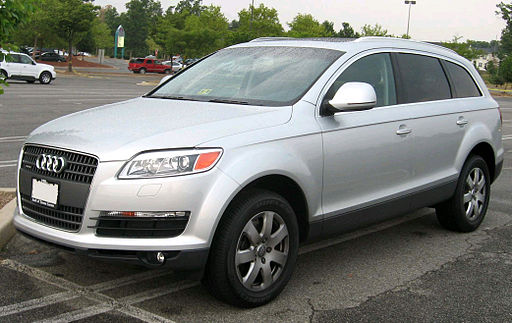
The Audi Q7 has long been regarded as one of the benchmark luxury full-size SUVs, offering an exceptional blend of comfort, performance, and practicality that appeals to drivers seeking premium capability in a family-oriented package. As a used car, the Q7 holds strong appeal for buyers who want the hallmarks of Audi refinement—advanced engineering, high-quality materials, and sophisticated technology—without the steep initial depreciation associated with new luxury vehicles. Whether used for daily driving, extended road trips, or towing, the Q7 offers a compelling suite of features and technical attributes that continue to make it relevant and desirable in the pre-owned vehicle market. Its spacious interior, versatile seating configurations, powerful drivetrains, and comprehensive safety systems combine to create a vehicle that is not only enjoyable to drive but also practical for real-world needs.
Engine Options and Performance Characteristics
Used Audi Q7 models are offered with a range of engine options that vary considerably depending on the model year and market, spanning petrol, diesel, and even hybrid configurations. One of the most common engines found in used Q7s is the 3.0-liter TFSI V6 petrol engine. This unit typically produces between approximately 280 and 333 horsepower, with torque figures in the vicinity of 450 to 500 Newton-meters. Paired with Audi’s smooth and responsive automatic transmissions, these petrol engines deliver strong acceleration and effortless highway cruising, contributing to a confident and refined driving experience. Diesel variants, such as the 3.0-liter TDI V6, are widely appreciated in the used market for their robust low-end torque and superior fuel economy. Diesel torque figures can exceed 600 Newton-meters in some configurations, giving these Q7s commanding pulling power and strong performance even when towing heavy loads or transporting multiple passengers. In more recent model years, Audi introduced mild-hybrid and plug-in hybrid versions of the Q7, which blend electric assistance with internal combustion power to improve efficiency and responsiveness. These hybrid systems can provide instant torque from electric motors, reduced fuel consumption, and reduced emissions, offering an appealing combination of performance and economy.
Transmission and Drivetrain Technologies
Most used Audi Q7 vehicles are equipped with advanced automatic transmissions that enhance both performance and refinement. Commonly, the Q7 is fitted with an eight-speed Tiptronic automatic gearbox. This transmission is engineered to provide seamless gear changes, strong acceleration from standstill, and smooth, efficient cruising at highway speeds. The Tiptronic gearbox intelligently adapts gear selection based on driving conditions, throttle input, and selected driving mode, which adds to the Q7’s versatile character. In terms of drivetrain, Audi’s quattro all-wheel drive system is a signature feature of the Q7 and a key differentiator in the used SUV market. The quattro system continuously monitors traction demands and can vary torque distribution between the front and rear axles to maximize grip and stability across different surfaces and weather conditions. This capability enhances handling confidence and all-season usability, making the Q7 well-suited to climates with rain, snow, or uneven terrain.
Suspension, Steering, and Ride Comfort
The Audi Q7’s suspension setup is a defining factor in its ride quality and handling prowess. Most used Q7s employ a sophisticated multi-link suspension at both the front and rear, designed to absorb road irregularities while maintaining composed handling dynamics. Audi’s engineering emphasizes a balance between comfort and control, resulting in a ride that is composed and refined even over long distances. Many used Q7 models are also equipped with adaptive air suspension as an optional or standard feature on higher trims. This system can automatically adjust ride height and damping characteristics based on speed, road surface, and driver preference. Air suspension provides a smooth, cushioned ride over rough surfaces while also lowering the vehicle at higher speeds to improve aerodynamics and stability. Steering in the Q7 is electrically assisted and tuned to offer a comfortable feel during normal driving, with increased weight and feedback in sportier modes. This helps the Q7 feel both confident on the open road and compliant in everyday driving situations.
Body Structure, Dimensions, and Exterior Attributes
The Audi Q7’s body structure combines high-strength steel and lightweight aluminum components to achieve a sturdy yet relatively lightweight build. This construction enhances crash safety performance, structural rigidity, and overall driving dynamics. Dimensionally, the Q7 is one of the more substantial entries in the luxury SUV class. Typical measurements place the vehicle’s length at approximately 5,050 to 5,100 millimeters, width near 1,970 millimeters, and height around 1,740 millimeters, with a wheelbase close to 2,990 millimeters. These generous proportions translate into abundant interior space—particularly beneficial for families, long road trips, and cargo hauling. Exterior design cues on used Q7 models include Audi’s signature Singleframe grille, sleek LED lighting elements, and strong character lines that convey both elegance and athleticism. Depending on trim and optional packages, used Q7s may also feature larger alloy wheels, adaptive LED or Matrix LED headlights, roof rails, and dynamic turn signals, which enhance both functionality and visual presence.
Interior Quality, Seating, and Cargo Versatility
One of the most compelling aspects of the Audi Q7 as a used car is its interior environment. The cabin is typically appointed with premium materials, including soft-touch surfaces, finely stitched leather upholstery, and carefully integrated metal or wood accents, depending on the trim level. Seats in the Q7 are designed to provide excellent support, even during extended journeys. Front seats are often power-adjustable with heating and memory functions, while second-row seating offers generous legroom and headroom for adult passengers. Many models also feature an optional third-row bench, expanding seating capacity to seven. While third-row space is more suitable for children or shorter trips, it adds notable flexibility for larger families or occasional extra passengers. Cargo capacity is expansive, with typical volumes exceeding 600 liters behind the second row and expanding significantly when seats are folded. This makes the Q7 exceptionally practical for transporting luggage, sports equipment, or everyday items.
Infotainment Systems and Connectivity Features
Audi equips the Q7 with advanced infotainment systems that continue to feel modern and capable even in used examples. Central to this experience is Audi’s MMI (Multi Media Interface), which integrates navigation, media, and connectivity functions through a high-resolution display. The system is typically controlled via a rotary dial or touchscreen, providing intuitive access to maps, radio, phone integration, and vehicle settings. Connectivity features often include Bluetooth hands-free calling, USB ports, smartphone compatibility via Apple CarPlay and Android Auto, and integrated Wi-Fi hotspot capability in some trims. More recent model years or higher-spec used Q7s may include Audi’s Virtual Cockpit, a fully digital instrument cluster that replaces traditional gauges with a customizable digital display. Virtual Cockpit enhances driver engagement by providing clear viewable data such as navigation directions, performance metrics, and media information directly in the instrument cluster. Premium audio systems, including branded options like Bang & Olufsen, further elevate the in-cab experience with rich sound quality and immersive audio fidelity.
Safety Technologies and Driver Assistance
Safety and driver assistance technologies are areas where the Audi Q7 often excels in the used market. Most models are equipped with a comprehensive suite of airbag systems, advanced stability controls, and anti-lock braking to enhance occupant protection. In addition, a range of driver assistance features may be included depending on specification and model year, such as adaptive cruise control, lane-keeping assist, blind-spot monitoring, rear-cross traffic alert, and automatic emergency braking. These systems contribute to a safer, more confident driving environment for daily commuting or long journeys. Parking sensors, 360-degree camera systems, and heads-up displays can also be found on higher trims or as optional extras, aiding situational awareness and minimizing the stress of maneuvering a large SUV in urban settings.
Ownership Factors and Running Costs
When evaluating the Audi Q7 as a used car purchase, prospective owners should consider maintenance, running costs, and service history. The Q7’s sophisticated engineering—even in older models—demands diligent servicing to ensure long-term reliability. Routine maintenance such as oil and filter changes, brake inspections, fluid replacements, and software updates are essential for optimal performance. Diesel variants, particularly those with particulate filters or emissions control systems, should be assessed carefully to avoid excessive short-trip usage that can degrade these components prematurely. Fuel consumption varies based on engine and drivetrain, with petrol V6 models typically consuming more fuel than their diesel counterparts. Average mixed driving figures for petrol engines tend to range between 10 to 12 liters per 100 kilometers, while diesel variants may achieve more efficient figures closer to 7 to 9 liters per 100 kilometers. Insurance, parts, and servicing costs for a full-size luxury SUV like the Q7 are inherently higher than mainstream alternatives, but strong demand in the used market and widespread parts availability can help moderate ownership expenses.
Final Assessment: Audi Q7 as a Used Luxury SUV
In summary, the Audi Q7 remains one of the most compelling luxury full-size SUVs in the used car market. Its combination of premium build quality, diverse engine options, advanced technology, spacious interior, and confident driving dynamics make it a standout choice for buyers seeking capability without compromise. Whether transporting families, hauling cargo, or navigating daily commuting demands, the Q7 offers a versatile package that continues to deliver value well beyond its original showroom price. While maintenance and running costs are factors to consider, the Q7’s engineering resilience and desirable feature set make it a rewarding and sensible choice for those desiring a premium SUV experience at a reduced entry cost. Proper research, pre-purchase inspection, and awareness of service history will ensure that prospective buyers can enjoy the strengths of the Audi Q7 while minimizing ownership concerns.
