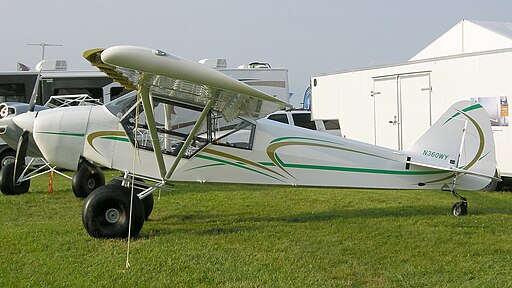
The Backcountry Super Cubs Super Cub is a modern amateur-built aircraft that draws its inspiration from the legendary Piper PA-18 Super Cub. Manufactured by Backcountry Super Cubs in Douglas, Wyoming, this aircraft is supplied as a kit for homebuilders who want the backcountry performance and versatility of a classic bush plane combined with contemporary engineering. In essence, it is a faithful evolution of the iconic Super Cub design, retaining the high-wing taildragger configuration and tandem seating that has made this class of airplane popular with pilots who value rugged utility and short-field performance. What sets the Backcountry Super Cub apart is its thoughtful re-engineering for improved structural integrity, stronger landing gear options, and optimization for backcountry operations, while staying true to the fundamental characteristics of its forebear.
Airframe and Structural Design
At its core, the Super Cub’s airframe reflects the timeless high-wing, strut-braced monoplane layout that contributes to stability and excellent downward visibility, crucial for rough-field flying. The fuselage is constructed from welded 4130 chromoly steel tube, forming a robust skeleton that is then covered in doped aircraft fabric. This traditional but proven construction method provides a balance of strength and light weight, essential for both load-carrying capability and responsive handling. The wing structure uses aluminum sheet components, also covered in fabric, and is supported by “V” struts with jury struts to distribute aerodynamic loads efficiently. The wings span approximately 37.7 feet (11.5 m) and encompass a wing area of roughly 170 square feet (16 m²), dimensions that give the aircraft a generous lifting surface well suited for slow-flight control and STOL (short takeoff and landing) capability.
Cockpit Layout and Ergonomics
The Super Cub features a tandem seating arrangement where the pilot and passenger sit one behind the other, a configuration that reduces fuselage cross-section and enhances longitudinal stability. The cockpit is enclosed, offering protection from the elements while maintaining excellent visibility, a hallmark of bush aircraft design. The fuselage width is approximately 30 inches at the cockpit, affording adequate room for occupants in a system engineered for simplicity and durability rather than luxury. Controls are conventional, with stick and rudder systems designed to give the pilot precise feedback during low-speed, high-angle of attack maneuvers typical in backcountry operations. The fixed conventional (tailwheel) landing gear further underscores the aircraft’s rugged intentions, allowing better handling on uneven terrain and greater propeller clearance during off-runway operations. Builders can equip the Super Cub with oversized tundra tires to further enhance capability on soft surfaces.
Powerplant Options and Propulsion
A key element of the Super Cub’s performance envelope is its recommended engine power range, which spans from 180 to 240 horsepower to accommodate different mission requirements and builder preferences. The standard engine most often installed in original kits is the Lycoming O-360, a four-cylinder, horizontally opposed, air-cooled, four-stroke aircraft engine rated at approximately 180 hp. This powerplant choice provides a reliable balance of thrust, weight, and fuel efficiency and is paired with a two-bladed constant-speed propeller to allow pilots to optimize thrust across various phases of flight. While the O-360 is common, builders sometimes explore higher-power options within the specified range to tailor performance to altitude, payload, or specialty operations. The use of a constant-speed propeller contributes to improved climb and cruise efficiency compared to fixed-pitch alternatives, affording pilots greater flexibility in power management.
Weight and Load Characteristics
In its typical configuration, the Super Cub’s empty weight is around 1,200 pounds (544 kg), with a gross weight of about 2,400 pounds (1,089 kg). These figures reflect a design philosophy that emphasizes useful load and payload capacity, enabling pilots to carry adequate fuel, gear, and a passenger for extended backcountry excursions. Fuel capacity is approximately 48 US gallons (180 liters), providing a balance between range and weight. The generous gross weight relative to empty weight translates into a substantial useful load, making the Super Cub capable of hauling equipment and supplies on remote missions without compromising safety or performance.
Performance and Flight Characteristics
Performance is a critical factor for bush aircraft, and the Super Cub delivers respectable numbers for both cruise and slow-speed handling. Cruise speed typically sits around 112 mph (180 km/h, 97 kn), enabling reasonable cross-country transit while preserving fuel efficiency. One of the defining attributes of the Super Cub is its slow stall speed, which can be as low as 28 mph (45 km/h, 24 kn), allowing pilots to approach and land in confined areas with reduced ground roll. The aircraft’s rate of climb is approximately 1,000 feet per minute (5.1 m/s), which supports quick altitude gain after takeoff, a valuable trait when departing from short or obstacle-laden strips. The range of around 580 miles (930 km, 500 nmi) further reinforces the Super Cub’s capability for extended backcountry journeys without frequent fuel stops.
Construction and Builder Experience
As a kit aircraft, the Backcountry Super Cub is designed for assembly by amateur builders, offering a rewarding project for aviation enthusiasts who seek a hands-on experience. The estimated build time from the supplied kit is about 1,200 hours, reflecting the extensive work involved in assembling a structurally sound and airworthy aircraft. Components such as the fuselage frame come pre-welded, reducing some of the more technically demanding tasks, while other systems like control surfaces, fabric covering, and final rigging are completed by the builder. This approach allows individualized customization and learning, though it demands a significant investment in time, attention to detail, and adherence to aviation standards to ensure safety and performance. (wikibrief.org)
Operational Legacy and Use
Since its introduction, the Backcountry Super Cubs Super Cub has gained a modest but enthusiastic following within the experimental aviation community. By the end of 2011, close to 138 examples had been completed and flown by builders, reflecting both the appeal of the design and its practicality for pilots seeking a capable backcountry aircraft. Beyond its use as a functional bush plane, the Super Cub also serves as a testament to the enduring legacy of the original Super Cub concept, blending classic design with modern improvements that cater to a variety of flying missions.
Conclusion
The Backcountry Super Cubs Super Cub stands as a compelling choice for pilots and builders aiming to capture the spirit of classic bush flying with the added benefits of contemporary kit aircraft development. Its robust construction, versatile performance, and strong load-carrying capabilities make it well suited for both recreational exploration and serious off-field operations. Whether cruising across rural landscapes or navigating rugged terrain, the Super Cub continues to embody a tradition of practicality, simplicity, and rugged joy in flight.
