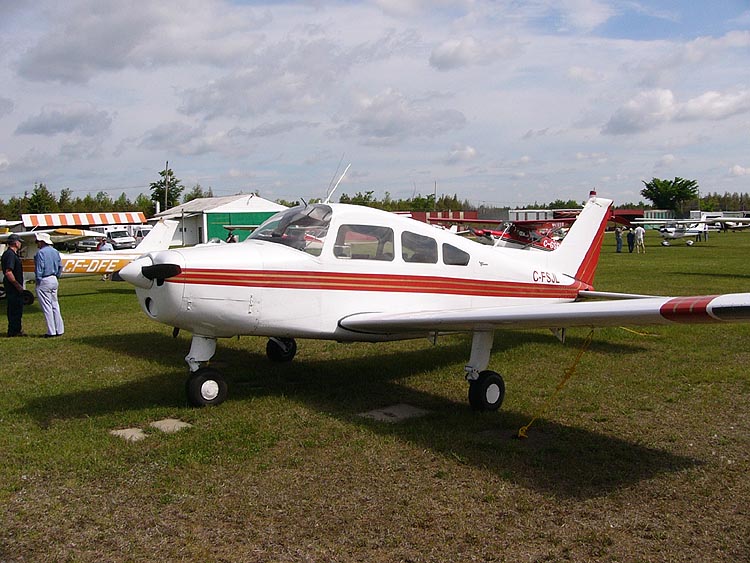
The Beechcraft Musketeer is a well-regarded series of single-engine, low-wing aircraft designed primarily for flight training, personal use, and light utility roles. Introduced in the late 1960s, the Musketeer was developed by Beech Aircraft Corporation as an entry-level aircraft, aiming to combine ease of handling, solid performance, and reliability into a versatile platform. Its design reflected the evolving needs of flight schools and private pilots during a period when general aviation was expanding rapidly in the United States. The Musketeer series is often praised for its stable flight characteristics, robust construction, and comfortable cabin, which contributed to its popularity and wide adoption by flying clubs, schools, and recreational aviators. Over the years, the Musketeer evolved through various models, incorporating incremental improvements in performance, systems, and ergonomics.
Design and Structural Features
The Beechcraft Musketeer features a low-wing cantilever monoplane design with fixed tricycle landing gear, providing simplicity and ease of ground handling, especially important for training environments. The airframe is constructed primarily of all-metal aluminum alloy, ensuring durability and resistance to corrosion while maintaining a relatively light weight. The wings are straight with a tapered planform and incorporate full-span flaps and ailerons, which deliver effective lift and control responsiveness. This wing design enhances low-speed handling and short-field performance, key aspects for novice pilots and flight schools.
The fuselage is designed with a spacious cabin that seats up to four occupants in a comfortable side-by-side arrangement. Large windows allow excellent visibility for both pilots and passengers, contributing to situational awareness and comfort during flight. The Musketeer’s cabin ergonomics focus on user-friendly controls and instrumentation, making it particularly suitable for training purposes. The fixed nosewheel landing gear uses shock-absorbing struts and a steerable front wheel to facilitate smooth taxiing and ground operations on a variety of surfaces.
Powerplant and Performance
Powering the Beechcraft Musketeer is typically a single Lycoming engine, with various models equipped with different engine variants tailored to meet specific performance and operational needs. Commonly, the Musketeer is fitted with the Lycoming O-320 series engine, producing approximately 150 to 160 horsepower. This engine choice balances fuel efficiency, reliability, and adequate power for training and light cross-country flights. Later models sometimes incorporated slightly more powerful versions or variants optimized for improved fuel consumption.
Performance specifications for the Musketeer include a cruise speed generally in the range of 120 to 130 miles per hour (193 to 209 kilometers per hour), depending on the model and weight configuration. The aircraft’s range is approximately 450 to 500 miles (724 to 805 kilometers) with standard fuel tanks, providing sufficient endurance for typical training flights or recreational cross-country trips. The service ceiling is around 14,000 feet (4,270 meters), allowing operation in a wide variety of environments. Stall speeds are relatively low, typically near 50 miles per hour (80 kilometers per hour) with full flaps deployed, which enhances safety and control during takeoff and landing phases.
Flight Controls and Handling Characteristics
The Musketeer employs conventional flight controls, including ailerons for roll, elevators for pitch, and a rudder for yaw, all linked to a control yoke and rudder pedals in the cockpit. The aircraft’s control surfaces are cable-operated and designed to provide responsive yet stable handling, which is particularly beneficial for student pilots. Flaps are manually operated via a lever or electric switch depending on the model, allowing for improved lift and drag control during approach and landing.
One of the Musketeer’s defining attributes is its forgiving flight characteristics. The aircraft exhibits stable and predictable behavior in a variety of flight conditions, making it an excellent platform for learning fundamental piloting skills. The low-wing design and tricycle gear arrangement contribute to straightforward ground handling and reduced risk of ground loops compared to tailwheel aircraft. Additionally, the aircraft’s relatively low stall speed and good stall warning characteristics increase safety margins during critical phases of flight.
Construction and Maintenance Considerations
The all-metal construction of the Beechcraft Musketeer not only improves durability but also simplifies routine maintenance and repairs. The aircraft was designed with accessibility in mind, featuring removable panels and standardized components that reduce downtime and maintenance complexity. This was especially important for flight schools, which require high aircraft availability and cost-effective upkeep.
The fixed landing gear, while limiting maximum cruise speed compared to retractable gear aircraft, offers the advantage of lower maintenance costs and mechanical simplicity. This trade-off was deliberate, aligning with the Musketeer’s mission as a reliable, low-cost trainer and light utility aircraft. Many Musketeers have been in service for decades, a testament to their sturdy design and ease of upkeep.
Technical Specifications Summary
- Type: Single-engine, low-wing monoplane
- Crew: 1 pilot
- Capacity: Up to 3 passengers (4 total occupants)
- Length: Approximately 26 feet 11 inches (8.2 meters)
- Wingspan: Approximately 36 feet 0 inches (11 meters)
- Height: Approximately 7 feet 5 inches (2.26 meters)
- Wing Area: Around 160 square feet (14.9 square meters)
- Empty Weight: Approximately 1,400 pounds (635 kilograms)
- Maximum Takeoff Weight: Approximately 2,400 pounds (1,089 kilograms)
- Powerplant: Lycoming O-320 series, 150 to 160 horsepower
- Maximum Speed: Approximately 140 miles per hour (225 kilometers per hour)
- Cruise Speed: Around 120 to 130 miles per hour (193 to 209 kilometers per hour)
- Range: Approximately 450 to 500 miles (724 to 805 kilometers)
- Service Ceiling: About 14,000 feet (4,270 meters)
- Stall Speed: Approximately 50 miles per hour (80 kilometers per hour) with flaps
- Landing Gear: Fixed tricycle gear, steerable nosewheel
- Construction: All-metal aluminum alloy airframe
Legacy and Operational Use
The Beechcraft Musketeer series has earned a respected place in general aviation, particularly within the training community. Its combination of reliable performance, comfortable cabin, and manageable handling made it a popular choice for flight schools throughout the 1970s and 1980s. Beyond flight training, the Musketeer has also been favored by private pilots for recreational flying and short cross-country trips due to its solid build and practical range.
Although production ceased in the 1980s, many Musketeers remain active in flying clubs and private ownership, benefiting from a strong aftermarket support network and the availability of replacement parts. Its legacy is one of solid engineering and thoughtful design, qualities that continue to be valued by pilots who appreciate an aircraft that offers dependable, straightforward flying without unnecessary complexity. The Musketeer stands as a classic example of an entry-level aircraft that successfully balances performance, safety, and affordability.
