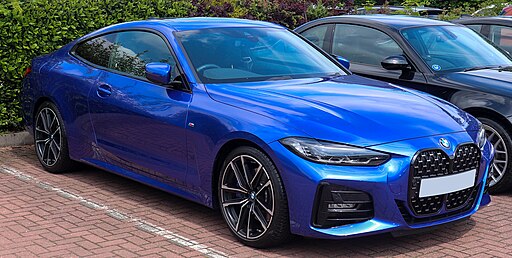
The BMW 4 Series was introduced to separate the more style-focused coupe and convertible models from the traditionally practical 3 Series, and this distinction remains important in the used car market. Positioned as a sportier and more design-oriented alternative, the 4 Series places greater emphasis on aesthetics, chassis tuning, and emotional appeal while retaining much of the underlying engineering associated with BMW’s compact executive class. As a used car, it attracts buyers looking for a premium driving experience with stronger visual presence and dynamic character, without stepping into the higher cost brackets of larger luxury coupes.
Platform Architecture and Body Construction
The BMW 4 Series shares its core platform architecture with the 3 Series of corresponding generations, utilizing a rear-wheel-drive layout with longitudinal engine placement. This configuration supports balanced weight distribution and predictable handling behavior, particularly under dynamic driving conditions. Later generations benefit from modular platforms that incorporate extensive use of high-strength steel and aluminum to improve torsional rigidity while controlling overall vehicle weight.
Body construction quality is generally high, with tight panel tolerances and effective corrosion protection. Coupe, Gran Coupe, and convertible body styles each introduce different structural considerations. Convertibles rely on additional reinforcement to compensate for the lack of a fixed roof, increasing weight and slightly altering handling characteristics. In the used market, structural integrity, door alignment, and roof mechanism operation should be inspected carefully, especially in higher-mileage convertibles where wear in moving components can be costly to address.
Engine Portfolio and Performance Characteristics
The BMW 4 Series offers a wide range of turbocharged petrol and diesel engines, reflecting its dual focus on performance and efficiency. Four-cylinder petrol engines provide smooth power delivery and are well suited to daily driving, offering a balance between acceleration and fuel economy. Six-cylinder petrol engines, particularly in higher-output variants, deliver significantly enhanced performance with refined power delivery and strong mid-range torque.
Diesel engines are popular in the used market for their high torque output and efficiency, particularly in Gran Coupe models used for longer journeys. However, emissions-related systems such as particulate filters and exhaust gas recirculation components require careful evaluation, especially in vehicles driven predominantly on short trips. Across all engine types, adherence to maintenance schedules, particularly oil changes and cooling system servicing, plays a critical role in long-term reliability.
Transmission Options and Drivetrain Systems
Manual and automatic transmissions have been offered throughout the 4 Series range, with automatic gearboxes becoming increasingly dominant in later models. BMW’s automatic transmissions, particularly those supplied by ZF, are known for their fast, smooth shifts and strong durability when serviced correctly. While often marketed as lifetime-filled, periodic fluid changes can extend service life and improve long-term performance.
Rear-wheel drive is standard across most 4 Series variants, reinforcing the model’s sporty character. Optional xDrive all-wheel drive enhances traction and stability, particularly in poor weather conditions, but introduces additional mechanical complexity. Used vehicles equipped with xDrive should be assessed for proper drivetrain servicing, including transfer case and differential maintenance, as neglect can result in expensive repairs.
Suspension Geometry, Steering, and Braking Systems
Suspension design in the BMW 4 Series typically features a MacPherson strut front setup combined with a multi-link rear suspension, delivering a balance between comfort and handling precision. Sport suspension packages reduce ride height and increase stiffness, improving cornering performance but reducing ride compliance on uneven surfaces. Adaptive suspension systems offer electronically adjustable damping, expanding the range between comfort and sport settings while adding to system complexity.
Steering systems evolved from hydraulic assistance in earlier generations to electric power steering in later models. Electric systems improve efficiency and allow for advanced driver assistance integration, though some drivers perceive reduced feedback compared to hydraulic setups. Braking systems are well matched to engine output, with larger discs and upgraded calipers on higher-performance variants. Brake component condition should be assessed carefully in used vehicles, particularly those driven aggressively.
Interior Design, Comfort, and Technology Integration
The interior of the BMW 4 Series emphasizes a sport-oriented yet refined environment. Seating positions are lower and more supportive than in the 3 Series, reinforcing the coupe’s dynamic character. Material quality is consistently high, with premium trims and finishes in higher specification models.
Technology offerings vary by generation and trim level, with later models featuring digital instrument clusters, advanced infotainment systems, and a wide array of driver assistance features. In used vehicles, electronic systems should be tested thoroughly, as repairs involving displays, sensors, or control modules can be costly. Interior wear commonly appears on seat bolsters, steering wheel surfaces, and frequently used controls, offering insight into how the vehicle was used.
Reliability, Maintenance, and Long-Term Ownership Costs
The BMW 4 Series is generally reliable when maintained correctly, but its premium engineering demands consistent servicing. Regular oil changes, cooling system inspections, and timely replacement of wear components are essential to maintaining performance and reliability. Some engines and transmissions have known wear points, making a comprehensive service history especially valuable in the used market.
Ownership costs are higher than those of mainstream vehicles, reflecting the 4 Series’ premium positioning. Parts pricing, insurance, and labor rates contribute to overall expenses, but the availability of independent BMW specialists helps mitigate long-term costs. Preventive maintenance and early attention to minor issues often result in significantly lower total ownership costs over time.
Practicality, Comfort, and Everyday Usability
While the BMW 4 Series prioritizes style and performance, it remains usable as a daily driver. Front seat comfort is excellent, with strong support and a wide range of adjustments. Rear seat access and space are more limited in coupe and convertible versions, while the Gran Coupe offers improved practicality with four doors and a larger cargo area.
Ride quality varies depending on suspension configuration, with standard setups offering better comfort for daily use. Noise insulation is generally effective, particularly at highway speeds, contributing to a refined long-distance driving experience. Fuel efficiency is competitive within the segment, especially in four-cylinder and diesel variants.
Used Market Value and Overall Appeal
In the used car market, the BMW 4 Series benefits from strong visual appeal and consistent demand, particularly for well-specified examples with desirable engines and options. Depreciation from original purchase prices makes it an attractive proposition for buyers seeking a premium coupe or Gran Coupe at a more accessible cost.
As a used car, the BMW 4 Series offers a compelling blend of design, performance, and engineering sophistication. Buyers who prioritize regular maintenance, select the appropriate engine and drivetrain configuration, and carefully inspect vehicle condition can expect a rewarding ownership experience that balances emotional appeal with everyday usability.
