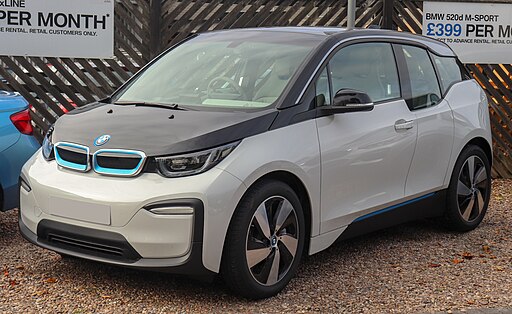
The BMW i3 is one of the most distinctive electric vehicles on the used market, both technically and visually. Introduced as a purpose-built electric car rather than an adapted combustion model, it uses an aluminum chassis combined with a carbon-fiber-reinforced plastic passenger cell, resulting in low weight and high structural rigidity. As a used car, the i3 appeals to buyers looking for premium engineering, compact urban dimensions, and a genuinely different approach to electric mobility. Even several years after its release, the design and technology still feel modern, especially when compared with early electric conversions from other brands.
Powertrain and Performance Characteristics
All BMW i3 versions use a rear-mounted electric motor driving the rear wheels, a layout that contributes to agile handling and a tight turning circle. Power output varies slightly by model year, with early versions producing 125 kW or 170 hp and later i3s and the i3s reaching up to 135 kW or 184 hp. Torque is a consistent 250 Nm, available instantly, which gives the car brisk acceleration in urban traffic. The 0 to 100 kmh time ranges from about 7.3 seconds for the standard i3 to under 7 seconds for the sportier i3s. As a used car, performance remains largely unchanged over time, since electric motors experience minimal wear compared to internal combustion engines.
Battery Technology and Real-World Range
The BMW i3 has been offered with several battery capacities over its production life, which is one of the most important factors when buying used. Early models feature a 60 Ah battery with a usable capacity of around 18.8 kWh, delivering a realistic range of approximately 120 to 150 km. Later versions improved significantly, first with the 94 Ah battery at about 27.2 kWh usable, and finally the 120 Ah battery with roughly 37.9 kWh usable capacity. The largest battery allows real-world driving ranges of 230 to 280 km depending on conditions. Battery degradation on the i3 has generally proven modest, thanks to effective thermal management, making higher-mileage examples still viable for daily use.
Range Extender Variant Considerations
A unique option in the used market is the BMW i3 with Range Extender, commonly referred to as REx. This version includes a small two-cylinder gasoline engine that acts as a generator to maintain battery charge once it drops below a certain level. The fuel tank is small, but it can add roughly 120 to 150 km of additional driving range, which can be valuable for buyers without consistent access to charging. The presence of the REx introduces additional maintenance considerations, such as oil changes and emissions components, but overall reliability has been solid. In some regions, regulatory changes have affected the availability and operation of the Range Extender, so this should be checked before purchase.
Charging Capabilities and Efficiency
Charging performance is another strong point of the BMW i3. All versions support AC charging up to 11 kW using a three-phase onboard charger, allowing relatively fast home or public charging where infrastructure permits. DC fast charging via CCS is also available on most models, with peak rates of around 50 kW, enabling an 80 percent charge in roughly 30 to 40 minutes depending on battery size. Energy efficiency is excellent, with consumption typically between 13 and 15 kWh per 100 km in mixed driving. This efficiency helps offset the smaller battery sizes found in earlier models and keeps running costs low.
Interior Design and Practical Usability
Inside, the BMW i3 emphasizes sustainability and modern design, using recycled materials, natural fibers, and open-pore wood trims in many versions. The cabin feels airy due to the upright seating position and large glass areas, while the digital instrument display and central infotainment screen provide clear access to driving and energy data. As a used car, interior wear tends to be minimal thanks to durable materials, although light-colored trims may show stains if not well maintained. Rear access is provided by rear-hinged doors, which improve entry in tight spaces but require the front doors to be opened first.
Reliability, Maintenance, and Ownership Costs
From a reliability standpoint, the BMW i3 has a strong reputation, particularly in its electric drivetrain and structural components. Common issues reported by owners include occasional software glitches, wear in suspension components due to the low-profile tires, and failures in auxiliary systems such as air conditioning compressors. Maintenance costs are generally lower than comparable combustion-engine BMW models, as there are fewer moving parts and no traditional transmission. Insurance costs can be higher due to the carbon-fiber body structure, which is more complex to repair after accidents, a factor worth considering when buying used.
Market Value and Buying Recommendations
Used BMW i3 prices vary widely depending on battery size, mileage, and the presence of the Range Extender. Early 60 Ah models are often very affordable and suitable for short commutes, while 120 Ah versions command higher prices due to their improved range and usability. When evaluating a used i3, it is essential to check battery health data, charging history, and software update status. A test drive should focus on suspension noise, braking feel with regenerative systems, and charging functionality. For buyers seeking a premium compact electric car with innovative engineering, the BMW i3 remains a compelling option on the used market.
.jpg)