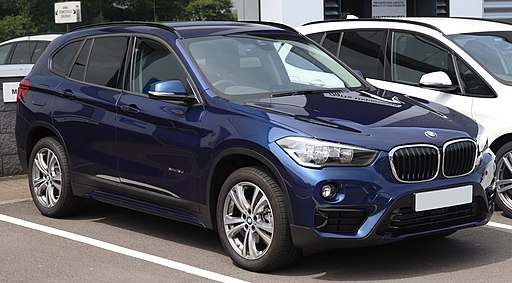
The BMW X1 serves as the entry point into the brand’s SUV and crossover lineup, combining compact external dimensions with premium engineering and a versatile interior layout. As a used car, it appeals to buyers seeking a balance between urban practicality, elevated driving position, and BMW-specific driving characteristics at a reduced acquisition cost. Depending on generation, the X1 is built on either a rear-wheel-drive–based platform in earlier versions or a front-wheel-drive–based architecture in later models, which has a direct influence on packaging efficiency and handling behavior. Overall length is typically around 4.4 meters, while kerb weight ranges from approximately 1500 kg for basic two-wheel-drive petrol variants to over 1650 kg for diesel or all-wheel-drive configurations. Body construction relies on high-strength steel with selective aluminum components, providing a rigid safety cell while maintaining reasonable weight for the segment.
Engine Lineup and Performance Parameters
Used BMW X1 models are available with a wide range of petrol and diesel engines designed to prioritize efficiency while maintaining adequate performance. Petrol engines generally range from three-cylinder units producing around 140 hp to four-cylinder turbocharged engines delivering up to 230 hp in higher trims. These engines offer smooth power delivery and are well suited for urban and suburban driving, with acceleration figures typically in the 7 to 9 second range from 0 to 100 km/h depending on output and drivetrain. Diesel variants such as the 18d, 20d, and 25d are especially popular on the used market due to their strong torque characteristics, often exceeding 350 Nm, which enhances drivability under load and during highway overtaking. Average fuel consumption for diesel versions can remain below 5.5 liters per 100 km in mixed driving conditions, making them cost-effective for high-mileage users. Engine reliability is closely tied to regular oil changes, fuel quality, and emissions system maintenance, particularly for vehicles equipped with particulate filters and exhaust gas recirculation systems.
Transmission Options and Drivetrain Layout
The BMW X1 has been offered with both manual and automatic transmissions, with automatic units becoming increasingly common in later model years. The automatic gearboxes, including dual-clutch and traditional torque-converter designs depending on generation and engine, are engineered to balance efficiency with smooth gear changes. Front-wheel drive is standard in many variants, especially in later generations, while xDrive all-wheel drive is available on more powerful petrol and diesel models. The xDrive system enhances traction on low-grip surfaces and improves stability in poor weather conditions, though it adds mechanical complexity and slightly increases fuel consumption. When evaluating a used X1, particular attention should be paid to clutch condition in manual versions and transmission service history in automatic models, as fluid changes are critical to long-term durability even when not explicitly listed in original service schedules.
Suspension, Steering, and Handling Characteristics
The suspension setup of the BMW X1 is tuned to provide a compromise between comfort and agility, reflecting its dual role as a family vehicle and a premium crossover. A MacPherson strut front suspension combined with a multi-link or torsion-beam rear axle, depending on drivetrain configuration, delivers predictable handling and stable road manners. Steering systems are electrically assisted, offering light effort at low speeds and improved stability at higher velocities, which is beneficial in urban environments and on motorways. Optional sport suspension packages lower ride height and firm up damping, improving cornering response at the expense of ride comfort on uneven surfaces. On used vehicles, wear in suspension bushings, shock absorbers, and steering components can lead to vibrations or imprecise handling, making a thorough inspection essential prior to purchase.
Interior Layout, Materials, and Technology
Inside, the BMW X1 emphasizes functionality and build quality rather than overt luxury, aligning with its role as a compact premium SUV. Materials include durable upholstery options, soft-touch dashboard surfaces, and well-assembled trim components that tend to age well with proper care. Seating position is higher than that of a conventional hatchback, improving visibility and ease of entry, while rear seat space is generally sufficient for adult passengers on medium-length journeys. Boot capacity typically ranges from around 505 liters to over 1500 liters with the rear seats folded, providing strong practicality for daily use. Technology features vary by generation and trim level, from basic infotainment systems with rotary controllers to larger touchscreens, digital instrument displays, and driver assistance systems such as parking sensors, reversing cameras, and adaptive cruise control. Electrical reliability is generally good, though software updates and sensor functionality should be verified in used examples.
Maintenance, Reliability, and Running Costs
As a used car, the BMW X1 is relatively more manageable in terms of maintenance costs compared to larger BMW SUVs, though it still requires consistent servicing to remain reliable. Routine maintenance includes regular oil and filter changes, brake inspections, and cooling system checks, with brake wear rates influenced by vehicle weight and driving style. Diesel models require particular attention to emissions-related components, especially when used predominantly for short trips. Parts availability is generally strong, and many independent workshops are familiar with X1-specific mechanical and electronic systems, which can help reduce ownership costs. Insurance and fuel expenses are moderate for the segment, making the X1 suitable for buyers transitioning from mainstream crossovers into the premium category.
Practicality, Depreciation, and Ownership Appeal
The BMW X1 offers a strong combination of compact dimensions, efficient engines, and everyday usability, making it a practical choice for families and professionals alike. Depreciation works in favor of used buyers, as early ownership value loss significantly lowers entry costs while retaining the core benefits of BMW engineering. Long-term ownership appeal is highest for models with proven four-cylinder engines, documented service histories, and balanced equipment levels. While it may not deliver the same dynamic feel as traditional rear-wheel-drive BMW sedans, the X1 as a used car stands out for its technical competence, versatility, and premium refinement, provided it is maintained in accordance with manufacturer and specialist recommendations.
