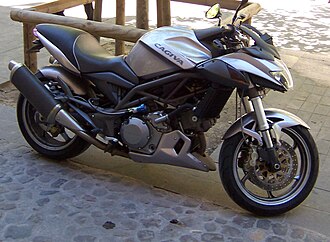
Cagiva 1000 Raptor: Italian Design Meets Big V-Twin Performance
An Unforgettable Naked Motorcycle
The Cagiva 1000 Raptor is a motorcycle that stands out in a world where many machines compete for attention through increasingly complex electronics, aggressive styling, and impressive performance figures. Developed by the Italian manufacturer Cagiva and produced during the early 2000s, this distinctive naked motorcycle combines dramatic Italian design with a powerful engine derived from Suzuki’s TL1000 family. The result is a machine with genuine character, strong acceleration, and an appearance that remains striking decades after its introduction. With its exposed tubular frame, muscular fuel tank, compact proportions, and unmistakable V-twin engine, the Raptor 1000 offers a different interpretation of the high-performance roadster, prioritizing mechanical excitement and visual individuality over technological sophistication.
The Raptor 1000 arrived at an interesting point in motorcycle history, when large-capacity naked bikes were establishing themselves as desirable alternatives to fully faired sport motorcycles. Riders wanted serious performance without the committed riding position and extensive bodywork of a supersport machine, and manufacturers responded with increasingly powerful roadsters. Cagiva approached this market with an unusual combination of Italian styling expertise and Japanese engine technology. Rather than developing an entirely new powerplant, the company used a proven Suzuki-derived V-twin as the foundation for a motorcycle with its own identity. This decision gave the Raptor an appealing balance of engineering familiarity and distinctive design, making it an interesting choice for enthusiasts who want something more unusual than a mainstream Japanese roadster.
The History and Development of the Cagiva Raptor 1000
Cagiva’s Italian Motorcycle Heritage
Cagiva built its reputation through a mixture of road motorcycles, off-road machines, and competition involvement, establishing a recognizable presence in the European motorcycle industry. The company became associated with ambitious engineering projects and designs that placed considerable emphasis on appearance and sporting character. When the Raptor family was introduced around the turn of the millennium, the naked-bike category was growing rapidly, and manufacturers were experimenting with different ways to combine high performance with everyday usability. Cagiva’s response was a muscular roadster that emphasized exposed mechanical components, a distinctive frame, and a compact silhouette rather than extensive fairings.
The Raptor design was associated with Miguel Galluzzi, the celebrated motorcycle designer also known for his influential work on the Ducati Monster. His design philosophy favored simplicity, visible mechanical structure, and strong proportions, allowing the engine and chassis to become important parts of a motorcycle’s visual identity. The Raptor 1000 reflects that approach through its sculpted tank, minimalist bodywork, and purposeful stance. It looks substantial without appearing excessively bulky, and its exposed engine gives the motorcycle a mechanical presence that fully faired machines often conceal. Rather than chasing fashionable styling details, the design establishes a recognizable identity through the arrangement of its main components.
The Standard Raptor and the V-Raptor
The Raptor family included different versions, most notably the standard Raptor 1000 and the more dramatically styled V-Raptor 1000. Both shared the same broad mechanical concept, but their appearance differed significantly, particularly around the front end. The standard model offered a cleaner naked-roadster silhouette, while the V-Raptor adopted more angular, futuristic styling that gave it an almost science-fiction appearance. These differences allowed Cagiva to appeal to riders who wanted the same basic performance package in distinct visual forms.
The Raptor 1000 was generally produced from around 2000 through the middle of the decade, with exact production and model-year details varying across markets and versions. Today, its limited numbers and unusual combination of Italian chassis design and Suzuki-derived power make it an interesting choice in the used motorcycle market. It is not as universally recognized as some contemporary rivals, but that relative obscurity can be part of its appeal for riders who prefer motorcycles with a distinctive identity rather than familiar badges.
Engine and Performance: The Heart of the Raptor 1000
The 996 cc V-Twin Powerplant
The defining feature of the Cagiva Raptor 1000 is its liquid-cooled, four-stroke, 90-degree V-twin engine, with a displacement of approximately 996 cc. Derived from Suzuki’s TL1000 engine family, the powerplant features double overhead camshafts, four valves per cylinder, electronic fuel injection, and a relatively high compression ratio of approximately 11.3:1. Depending on the specification and measurement source, the engine is generally quoted at around 100–105 horsepower, with maximum torque of approximately 90–105 Nm. These figures vary because published specifications do not always use identical measurement standards or distinguish between different versions, but they consistently describe a powerful engine with substantial midrange performance.
The 90-degree V-twin configuration contributes significantly to the Raptor’s personality. Rather than delivering power in the manner of a high-revving four-cylinder supersport engine, it provides a more muscular response that emphasizes torque and acceleration across the useful rev range. The engine feels particularly suited to real-world road riding, where rapid acceleration out of corners and confident overtaking are often more important than achieving maximum engine speed. Its distinctive exhaust note, strong combustion pulses, and immediate response help create an experience that feels engaging even at moderate speeds. For riders who appreciate the character of a large twin-cylinder engine, the Raptor offers a satisfying alternative to smoother but sometimes less distinctive powerplants.
Acceleration and Road Performance
The Raptor 1000 delivers performance that remains impressive by the standards of an older naked motorcycle. Depending on the version, mechanical condition, and test conditions, published figures place its top speed at approximately 220–230 km/h, with acceleration that can feel exceptionally strong when the throttle is opened decisively. However, raw performance figures only partly explain its appeal. The engine’s torque gives the motorcycle a sense of urgency during ordinary road riding, allowing it to accelerate forcefully without requiring constant gear changes or sustained high engine speeds.
This strength also demands respect. The Raptor is not a beginner-oriented motorcycle, and its substantial torque can overwhelm available traction if the rider applies the throttle carelessly, especially on cold, wet, or uneven surfaces. Unlike modern performance motorcycles equipped with sophisticated traction control and multiple engine maps, the original Raptor relies primarily on mechanical grip and rider judgment. Smooth throttle inputs, appropriate gear selection, and good tires are therefore essential. In experienced hands, the engine can make the motorcycle wonderfully responsive and entertaining, but it rewards control rather than unnecessary aggression.
Design, Chassis, and Riding Experience
A Distinctive Italian Naked-Bike Design
The Cagiva Raptor 1000 has a visual identity that separates it from many contemporary naked motorcycles. Its tubular steel frame is not merely a structural component hidden beneath bodywork; it contributes directly to the machine’s appearance. The exposed engine, compact rear section, sculpted fuel tank, and carefully arranged body panels create a cohesive design that looks purposeful from almost every angle. The standard Raptor has a relatively restrained appearance compared with the V-Raptor, but both versions retain the same basic philosophy of combining visible engineering with strong proportions.
The design also has a timeless quality. Although the motorcycle belongs to an era before large digital displays and extensive electronic rider aids became commonplace, its shape does not depend heavily on temporary styling trends. Instead, its appeal comes from the relationship between the engine, frame, and bodywork. For enthusiasts who appreciate the physical appearance of a motorcycle as much as its technical capabilities, this remains one of the Raptor’s greatest strengths.
Handling and Suspension
The Raptor 1000 combines its high-torque engine with a compact chassis designed for responsive road riding. Its high-strength tubular steel frame and relatively short wheelbase contribute to a sense of directness, helping the motorcycle feel purposeful on winding roads. The riding position is generally upright enough for road use while still providing a connection to the front wheel that encourages confident cornering. However, the Raptor is not necessarily as forgiving as a modern motorcycle with extensively developed electronic suspension or sophisticated stability systems. Its behavior depends heavily on suspension condition, tire selection, setup, and the rider’s technique.
Suspension specifications vary by version and model year, but the standard Raptor 1000 is commonly listed with a 43 mm upside-down front fork and a rear monoshock with spring-preload adjustment. The front suspension on some versions offers limited adjustment compared with more sophisticated sporting systems, making the condition and suitability of the original setup particularly important. Riders who intend to ride quickly on uneven roads may benefit from having the suspension inspected and adjusted by a specialist. A well-maintained example should provide a rewarding balance between stability and agility, while neglected suspension can make the motorcycle feel unsettled and less predictable than its chassis design suggests.
Braking and Road Confidence
The Raptor 1000 is generally equipped with twin front brake discs measuring approximately 298 mm and a single rear disc of around 220 mm. Four-piston Brembo front calipers are commonly specified, giving the motorcycle a substantial braking package appropriate to its performance. When properly maintained, the system provides the stopping power needed for spirited road riding, while the front brakes allow the rider to manage speed before entering corners with reasonable precision.
Nevertheless, this is an older high-performance motorcycle, and the condition of its braking components is crucial. Calipers may require cleaning or rebuilding, brake fluid must be renewed periodically, and old hoses or worn discs can reduce confidence. The absence of modern electronic aids such as ABS on the original models means that braking technique and road awareness remain especially important. Riders should inspect the braking system thoroughly before purchase and avoid assuming that powerful hardware automatically guarantees safe performance on an aged or poorly maintained motorcycle.
Everyday Practicality, Fuel Economy, and Maintenance
Comfort and Daily Riding
Although the Raptor 1000 is primarily a performance-oriented naked motorcycle, it can also serve as a practical machine for everyday riding. Its upright handlebars and relatively natural riding position make it more accessible in town than many fully faired sport bikes, and the strong engine provides plenty of flexibility when navigating traffic or overtaking on open roads. The compact design also helps the motorcycle feel manageable during ordinary low-speed maneuvers, although its torque requires careful throttle control in congested conditions.
The main limitation is wind protection. Without a substantial fairing, the rider is exposed to airflow at higher speeds, making extended motorway journeys more tiring than on a touring motorcycle. Passenger comfort and luggage capacity are also limited compared with dedicated touring machines. Nevertheless, the Raptor can handle weekend trips and longer rides when the rider is willing to accept these compromises. Its greatest strength is versatility within a sporting context: it is comfortable enough for regular road use while retaining the engine performance and personality that make a ride memorable.
Fuel Consumption and Running Costs
Fuel consumption depends on riding style, traffic, maintenance, and the motorcycle’s mechanical condition. A reasonable general estimate for mixed riding is approximately 6–7 litres per 100 kilometres, although spirited riding can increase consumption considerably. The fuel tank capacity is often listed at around 15.2 litres for later specifications, while some earlier model-year references give larger figures. Owners should therefore confirm the tank size of their particular motorcycle before calculating its realistic range.
Routine maintenance includes oil and filter changes, valve-clearance inspections, spark-plug replacement, coolant servicing, brake maintenance, and regular attention to the drive chain. The Suzuki-derived engine provides a useful foundation because its basic architecture is familiar to mechanics experienced with the TL1000 family. However, Cagiva-specific components can be harder to source than common service items, especially original body panels, trim, and certain electrical or chassis parts. Buyers should investigate parts availability before purchasing a neglected example, since restoring a rare motorcycle can cost considerably more than maintaining one that has already been looked after properly.
Buying a Used Cagiva Raptor 1000
What Prospective Owners Should Inspect
Buying a used Raptor 1000 requires more attention to condition and maintenance history than simply comparing mileage or asking prices. A well-preserved motorcycle with documented servicing is usually a better choice than a cheaper example that has been modified extensively or stored outdoors for years. Inspect the frame for damage, check the steering bearings and suspension, examine the cooling system for leaks, and confirm that the engine starts reliably from cold and runs smoothly when warm. The clutch, gearbox, charging system, brakes, and drive chain also deserve careful inspection.
Because the Raptor has considerable performance potential, it is worth checking for signs of hard use or poorly executed modifications. Aftermarket exhausts, altered gearing, and suspension changes are not necessarily problems, but they should be installed correctly and accompanied by appropriate maintenance. Confirm that the tires are in good condition and suitable for the motorcycle, and check the availability of replacement parts before committing to expensive restoration work. An independent inspection by a mechanic familiar with older performance motorcycles can be especially valuable if the service history is incomplete.
Is the Raptor 1000 Still Worth Buying?
The Cagiva Raptor 1000 remains an attractive option for experienced riders who want a distinctive, powerful naked motorcycle without the electronic complexity of modern performance machines. Its strongest advantages are its muscular V-twin engine, individual styling, and engaging road behavior. Its principal disadvantages are the limited wind protection, lack of modern rider aids, and potential difficulty sourcing certain model-specific components. These considerations make it a more specialized purchase than a mainstream used motorcycle, but they do not diminish its appeal to riders who understand what it offers.
Cagiva Raptor 1000: Technical Specifications Summary
The table below presents representative specifications for the standard Raptor 1000. Exact values can vary by model year, market, and version, so the relevant owner’s manual and vehicle documentation should take precedence.
| Specification | Cagiva Raptor 1000 |
|---|---|
| Production period | Approximately 2000–2006 |
| Category | Naked roadster |
| Engine | Four-stroke, 90-degree V-twin |
| Displacement | 996 cc |
| Cooling | Liquid-cooled |
| Valve configuration | DOHC, 8 valves |
| Bore × stroke | Approximately 98 × 66 mm |
| Compression ratio | 11.3:1 |
| Fuel system | Electronic fuel injection |
| Maximum power | Approximately 100–105 hp (74–78 kW) |
| Maximum torque | Approximately 90–105 Nm |
| Transmission | Six-speed manual |
| Final drive | Chain |
| Frame | Tubular steel |
| Front suspension | 43 mm upside-down fork |
| Rear suspension | Monoshock, preload adjustable |
| Front brakes | Twin 298 mm discs, typically four-piston calipers |
| Rear brake | Single 220 mm disc |
| Front tire | 120/70 ZR17 |
| Rear tire | 180/55 ZR17 |
| Wheelbase | Approximately 1,432–1,440 mm |
| Seat height | Approximately 770–805 mm, depending on version |
| Dry weight | Approximately 192 kg |
| Fuel tank capacity | Approximately 15.2–18 litres, depending on version |
| Approximate top speed | Around 220–230 km/h |
Conclusion: A Distinctive Motorcycle with Lasting Appeal
The Cagiva 1000 Raptor is an excellent example of what made early-2000s performance motorcycles so appealing. Its combination of Italian design, a powerful Suzuki-derived V-twin engine, a tubular steel chassis, and relatively uncomplicated mechanical systems gives it a character that is difficult to reproduce through specification figures alone. It offers strong acceleration, an engaging riding experience, and distinctive styling without relying on electronic sophistication to create excitement.
It is not the ideal motorcycle for every rider. Beginners may find its torque demanding, frequent motorway travel can be tiring without wind protection, and owners must be prepared to research parts availability carefully. Yet for experienced motorcyclists who appreciate mechanical character and individuality, these limitations may be an acceptable trade-off. A well-maintained Raptor 1000 remains a compelling used motorcycle: powerful, visually distinctive, and representative of an era when a memorable engine and a well-designed chassis could define an entire riding experience.
For enthusiasts seeking something beyond the usual choices, the Cagiva Raptor 1000 deserves serious consideration. Its combination of Italian styling and Japanese-derived engineering remains its defining attraction, making it an unusual roadster with a personality that continues to stand out long after its original production era.
