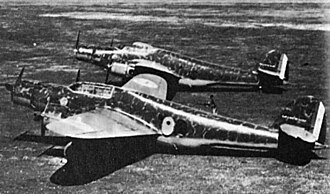
CANT Z.1007 Alcione: The Italian Wooden Bomber of World War II
An Unusual Aircraft in Italian Aviation History
The CANT Z.1007 Alcione was an Italian three-engined medium bomber developed during the 1930s and employed extensively during the Second World War. Designed by the talented aircraft engineer Filippo Zappata and manufactured by Cantieri Riuniti dell’Adriatico (CRDA), the aircraft represented an interesting combination of aerodynamic refinement, unconventional construction materials, and the operational demands of a rapidly changing military aviation environment. Its nickname, Alcione, means “kingfisher” in Italian, reflecting the tradition of naming Italian aircraft after birds and other natural subjects. Although it never achieved the international fame of some contemporary bombers, such as the British Vickers Wellington or the American B-25 Mitchell, the Alcione became an important component of Italy’s wartime air force, serving over the Mediterranean, North Africa, the Balkans, and the Eastern Front.
What makes the CANT Z.1007 particularly fascinating is that it challenged some of the assumptions commonly associated with military aircraft construction. At a time when all-metal airframes were becoming increasingly common among major air forces, the Alcione retained a predominantly wooden structure. This choice was not simply an indication of technological backwardness; it reflected a combination of engineering decisions, industrial considerations, and the desire to use materials that were more readily available than certain strategic metals. The result was an aircraft with favorable handling characteristics and a relatively clean aerodynamic design, but one that also suffered from manufacturing complexity and sensitivity to harsh environmental conditions. Its story therefore provides a valuable insight into the strengths and limitations of Italian aircraft engineering immediately before and during the Second World War.
The Alcione is often described as one of the finest Italian bombers of its period, particularly when its flying qualities are considered alongside those of other aircraft available to the Regia Aeronautica. However, this assessment requires some context. An aircraft’s effectiveness depended on far more than its maximum speed or bomb load: engine reliability, defensive armament, crew training, maintenance facilities, production capacity, operational doctrine, and the strength of enemy opposition all played significant roles. The Z.1007 could be an elegant and capable machine in favorable circumstances, yet its vulnerabilities became more pronounced as the war progressed and the conditions under which it operated grew increasingly demanding. Understanding both sides of its reputation is essential to appreciating the true significance of the CANT Z.1007 Alcione.
Origins and Development of the CANT Z.1007
The Italian Aviation Industry During the 1930s
The origins of the CANT Z.1007 lie in a period of rapid development within the Italian aviation industry. During the 1930s, Italy sought to expand and modernize its military aviation capabilities, emphasizing speed, aerodynamic efficiency, and aircraft designs that could demonstrate the technical sophistication of the country’s manufacturers. The Regia Aeronautica required bombers capable of carrying meaningful offensive loads over considerable distances, while also possessing sufficient speed and altitude performance to improve their chances of surviving interception. Italian aircraft designers consequently explored several configurations, including twin-engined and three-engined bombers, each offering different compromises between power, payload, range, and structural weight.
The manufacturer behind the Alcione, CANT, was associated with Cantieri Aeronautici e Navali Triestini and later the larger Cantieri Riuniti dell’Adriatico organization. Its engineering department developed a reputation for sophisticated aircraft, including the CANT Z.506 Airone, a successful multi-engined flying boat designed for maritime operations. The Z.1007 emerged from this wider tradition of experimentation and technical development, although it was designed as a land-based bomber rather than a conventional seaplane. The experience gained from earlier aircraft helped provide the engineering background for a machine that needed to combine a relatively large internal structure with stable flight characteristics, substantial fuel capacity, and sufficient room for a multi-person crew.
Filippo Zappata, the principal designer, was one of the most important figures in Italian aircraft engineering during this period. His approach emphasized aerodynamic cleanliness and carefully integrated airframe design rather than relying exclusively on engine power to achieve performance. The Z.1007 reflected these priorities through its streamlined fuselage, tapered wing, and three-engine arrangement. Nevertheless, the aircraft also embodied the practical constraints facing Italy’s aviation industry, particularly the availability of suitable engines and the difficulty of producing complex airframes in large quantities. Its development illustrates how a promising engineering concept could still be shaped profoundly by industrial realities and the strategic priorities of the nation that commissioned it.
The First Prototype and Initial Design
The prototype CANT Z.1007 made its maiden flight in March 1937, marking the beginning of a development program intended to produce a modern medium bomber. The original aircraft was powered by three Isotta-Fraschini Asso XI liquid-cooled engines, an arrangement that differed significantly from the radial-engine configuration eventually associated with the best-known production versions. The prototype’s overall layout was conventional for a multi-engined bomber of the period, with a low-mounted wing, three engines, a long fuselage, and a tail arrangement designed to provide directional stability. Its three-engine configuration was intended to deliver the power needed for a useful combination of payload and range while maintaining a more compact engine installation than some competing designs.
Early development revealed that the original powerplant arrangement was not entirely satisfactory for the aircraft’s intended operational role. Engine performance and reliability were important concerns, particularly because a medium bomber needed to maintain useful performance when carrying fuel, bombs, defensive equipment, and a full crew. The original Z.1007 therefore served as the foundation for a substantially improved aircraft rather than representing the final form of the Alcione. Engineers refined the design and moved toward more powerful air-cooled radial engines, which offered practical advantages in cooling and maintenance. These changes were not merely superficial improvements: the resulting aircraft differed in dimensions, weight, propulsion, and operational capability sufficiently to make the later Z.1007bis the most representative version of the family.
The prototype’s development also reflected a wider lesson in aircraft design during the late 1930s. A successful airframe depended on the integration of every major component, and an aircraft with excellent aerodynamic characteristics could still be compromised by engines that lacked sufficient power or operational reliability. For the Alcione, the transition from the initial Z.1007 to the improved Z.1007bis demonstrated the importance of matching the airframe to a suitable powerplant. This process ultimately produced a more capable bomber, although it could not eliminate every disadvantage inherent in the design or guarantee that the aircraft would remain competitive as opposing air forces introduced faster fighters and increasingly effective air-defense systems.
Design and Construction
The Wooden Airframe: An Unusual Engineering Choice
One of the defining features of the CANT Z.1007 was its predominantly wooden construction. Rather than employing an entirely metal fuselage and wing structure, the aircraft used a carefully engineered wooden framework covered with layers of plywood. The construction method involved assembling longitudinal and transverse structural members, shaping the airframe, and applying thin wooden layers in a manner that created a smooth outer surface. The individual layers were arranged and bonded to provide strength and stiffness, producing a structure that could support the aircraft’s aerodynamic loads without relying on an entirely metallic skeleton. Metal components were still used where necessary, particularly in areas associated with the engines, landing gear, fittings, and other mechanically demanding systems.
This construction method had several potential advantages. Wood was a useful structural material when properly selected, shaped, bonded, and protected, and it could provide a favorable strength-to-weight relationship in suitable applications. Plywood construction also allowed designers to create smooth aerodynamic surfaces and complex shapes without the same dependence on extensive metalworking facilities. In a country where industrial resources and strategic raw materials had to be allocated across many competing military requirements, reducing dependence on certain metals could be attractive. The Alcione’s wooden structure should therefore be understood as an engineering and industrial choice rather than dismissed as an inherently primitive solution. Properly maintained wooden aircraft could deliver excellent service, and the material itself was not automatically responsible for poor performance.
However, the technique also imposed significant disadvantages, especially in wartime production. Building a large wooden bomber required careful preparation, skilled labor, controlled bonding processes, and attention to moisture and temperature. Unlike a design based on standardized metal components that could be manufactured through increasingly mechanized processes, the Alcione’s construction was labor-intensive and difficult to scale rapidly. The wooden structure could also be vulnerable to deterioration if protective coatings were damaged or maintenance was inadequate. Severe environmental conditions, including prolonged exposure to moisture, extreme temperature changes, and difficult field-storage conditions, could complicate the upkeep of the aircraft. These challenges became particularly important when Italian units operated far from well-equipped home bases, where spare parts, specialist technicians, and ideal maintenance facilities were not always available.
Aerodynamic Layout and External Appearance
The CANT Z.1007 possessed the distinctive appearance of a large three-engined Italian bomber, with a broad wing, a deep fuselage, and an engine mounted in the nose and in each wing. The aircraft’s proportions were designed to balance aerodynamic efficiency with the practical needs of military service. Its wing, measuring approximately 24.8 metres across on the Z.1007bis, provided the lifting area required to carry a substantial fuel supply and bomb load. The fuselage accommodated the crew, defensive positions, equipment, and an internal bomb bay, while the tail assembly provided the control surfaces needed for maneuvering and maintaining stability. The result was a relatively streamlined aircraft whose appearance emphasized functional integration rather than the bulky, box-like proportions sometimes associated with older bomber designs.
An important characteristic of the production aircraft was the evolution of its tail arrangement. Early versions of the Z.1007bis used a single vertical fin, while later production aircraft adopted a twin-fin configuration. The twin-fin arrangement altered the aircraft’s rear silhouette and formed one of the most recognizable differences between production series. Such changes were not unusual in the development of military aircraft during the 1930s and 1940s, when designers continued to refine control authority, stability, field of view, and the interaction between the tail surfaces and defensive positions. The Alcione’s changing configuration is a reminder that the aircraft was not a completely static design; its production history involved continued adaptation as operational experience and engineering requirements evolved.
The three-engine layout was another defining feature. Compared with a twin-engined bomber, a trimotor could distribute propulsion across three powerplants and provide a different balance of thrust, weight, and aerodynamic drag. It also created additional maintenance requirements, since the aircraft had three engines, three propellers, and associated systems to service. The central engine occupied the nose, while the two wing-mounted engines were integrated into nacelles that influenced the wing’s airflow and structure. The configuration gave the Alcione a recognizable identity within the Regia Aeronautica, whose aircraft designs often favored multi-engined arrangements during the interwar period. Yet three engines did not automatically guarantee superior safety or performance: their effectiveness depended on the power available, reliability, propeller efficiency, aircraft weight, and the ability of the crew to manage the aircraft under difficult conditions.
Crew Arrangement and Internal Layout
The Alcione was normally operated by a crew of approximately five, although crew arrangements and published figures can vary according to the production series and reference source. The crew’s responsibilities included flying the aircraft, navigating, operating the bombing equipment, managing communications, and manning defensive weapons. The internal layout had to accommodate these different tasks without excessively compromising the aircraft’s aerodynamic form or useful payload. The cockpit and associated crew stations were positioned to provide the pilot with the controls and instruments needed for long-distance flight, while other crew members occupied positions from which they could observe the surroundings, assist with navigation and bombing, and respond to enemy attacks.
As with other medium bombers of the era, the Alcione depended heavily on coordination among its crew members. Navigating to a target was not simply a matter of following a straight line on a map: crews had to account for weather, wind, fuel consumption, enemy fighter activity, anti-aircraft defenses, and the need to return to a suitable airfield. Bombing accuracy depended on the conditions under which an attack was conducted, the equipment available, and the ability of the crew to identify the target and release the bombs at the correct moment. Defensive gunners also had to maintain awareness of approaching aircraft while avoiding interference with other crew members and the aircraft’s control systems. The Z.1007’s interior therefore functioned as a compact working environment in which several specialized roles had to operate together under considerable pressure.
Crew comfort and endurance were particularly important on longer missions. The aircraft’s range allowed it to undertake operations that could involve hours of flight, and the crew needed to manage fatigue, cold at altitude, changing weather, and the physical demands of combat. Although the Alcione was not designed as a pressurized aircraft, its operational ceiling allowed it to fly at altitudes where temperature and oxygen requirements could become significant concerns. The combination of navigation, bombing, communications, and defensive duties made the aircraft a complex machine to operate effectively, demonstrating that a bomber’s combat capability depended not only on the quality of its engineering but also on the training, experience, and coordination of the people inside it.
Engines and Flight Performance
The Piaggio P.XI Radial Engines
The most important improvement introduced with the CANT Z.1007bis was the adoption of three Piaggio P.XI RC.40 air-cooled radial engines. These fourteen-cylinder engines were rated at approximately 1,000 horsepower each under suitable operating conditions, although published power figures varied according to altitude and rating method. Their combined output provided the aircraft with the performance needed to operate as a medium bomber carrying a useful offensive load over operationally significant distances. Compared with the earlier Isotta-Fraschini-powered version, the improved aircraft benefited from a more suitable combination of engine power and airframe characteristics, allowing the Z.1007bis to become the principal production model associated with the Alcione’s wartime career.
Radial engines offered several practical advantages in military service. Their air-cooled design eliminated the need for the liquid-cooling radiators and associated coolant circuits used by many inline engines, simplifying some aspects of the installation and avoiding a class of cooling-system damage that could disable an aircraft. Radial engines were also well established in Italian aviation, and the country’s manufacturers had experience producing and maintaining them. Nevertheless, air cooling did not make the engines immune to damage, and a radial engine remained a mechanically complex machine requiring regular inspection, lubrication, fuel-system maintenance, and careful monitoring of operating temperatures. The Alcione’s three-engine configuration also meant that its ground crews had to maintain three separate powerplants and their associated propeller and fuel systems, a considerable commitment when spare parts and trained personnel were in short supply.
The P.XI installation was an important step forward, but it did not turn the Alcione into an aircraft without limitations. As military aircraft became heavier and carried increasingly sophisticated equipment, engine power had to support not only the airframe but also its defensive weapons, crew, armor where fitted, fuel, radios, and bombs. The relationship between engine output and aircraft weight was therefore central to operational performance. The Z.1007bis was capable of respectable speed for a medium bomber of its generation, but its performance depended on altitude, loading, engine condition, and the specific production series. Its later development into the Z.1007ter, powered by more powerful Piaggio P.XIX engines, demonstrates that Italian engineers recognized the need for further improvements in propulsion as wartime requirements evolved.
Speed, Range, and Altitude
The Z.1007bis is commonly credited with a maximum speed of approximately 450–460 km/h under favorable conditions, with frequently quoted figures around 458 km/h. This was a useful performance level for a medium bomber entering service around the beginning of the Second World War, especially when compared with older bombers that had been designed around the more modest performance expectations of the early 1930s. However, maximum speed was not the same as the speed maintained during a bombing mission. Carrying a heavy payload, flying at a different altitude, or operating with less-than-ideal engine performance could reduce the aircraft’s practical speed, while formation flying and the need to remain with other aircraft could further limit the advantage offered by its nominal maximum figure.
Range figures require similar care because different sources may describe maximum-fuel range, operational radius, or range with a particular bomb load. The Alcione is often associated with a range of approximately 1,800–2,200 kilometres in commonly cited specification summaries, although some publications list different figures depending on the version and assumptions used. An aircraft capable of flying a long distance under economical conditions could not necessarily travel that same distance while carrying its heaviest bomb load, flying at high power, maneuvering to avoid enemy aircraft, or allowing a substantial fuel reserve for the return journey. The practical radius of action was also affected by the location of the airfield, the availability of suitable landing facilities, and the need to retain enough fuel to cope with unexpected weather or navigational difficulties. Consequently, the Alcione’s range made it valuable for Mediterranean operations, but did not remove the logistical limitations of operating from dispersed wartime air bases.
Altitude performance was another important consideration. Published figures for the service ceiling of the Z.1007bis vary, with values around 7,500 metres appearing in some technical summaries and higher figures reported elsewhere. Its ability to operate at altitude could help reduce exposure to some ground-based threats and influence the conditions under which enemy fighters could intercept it. Yet high-altitude flight also imposed demands on the crew, engine performance, navigation, and bombing accuracy. A bomber’s ability to reach a particular altitude was only one element of its effectiveness; it also needed to locate the target, maintain formation where required, deliver its weapons, and return safely. The Alcione’s performance figures therefore describe a capable aircraft within the technology of its period, but they should be understood as measured characteristics rather than guarantees of what it could achieve on every combat mission.
Armament and Combat Capability
Defensive Machine Guns
The CANT Z.1007bis carried defensive machine guns intended to protect the aircraft against attacking enemy fighters. A commonly cited configuration included two 12.7 mm machine guns and two 7.7 mm machine guns, although the precise arrangement could vary by production series and equipment fit. The heavier weapons offered greater destructive potential than rifle-calibre machine guns, while the lighter weapons provided additional defensive coverage. These weapons were distributed among defensive positions around the aircraft, including dorsal and ventral positions and other stations associated with observation and protection. The arrangement reflected the tactical thinking of the period, when medium bombers relied on their own defensive fire, formation discipline, and careful route planning to reduce the danger posed by hostile fighters.
Defensive armament could make an attacking fighter’s approach more dangerous, but it could not transform a bomber into a fighter aircraft. Machine guns had limited firing arcs, and the effectiveness of a defensive position depended on visibility, the gunner’s training, the weapon’s reliability, ammunition supply, and the angle from which an enemy attacked. A fighter pilot who approached from a poorly covered direction, used speed and maneuverability effectively, or attacked in coordination with other fighters could still present a severe threat. Defensive gunners also had to contend with vibration, wind, restricted visibility, and the physical strain of prolonged missions. The Alcione’s defensive weapons were therefore useful elements of its combat system, but their presence should not be interpreted as evidence that the aircraft could reliably withstand determined opposition.
As the war progressed, the limitations of bomber self-defense became increasingly apparent across the air forces of all major combatants. Faster fighters, improved cannon armament, more coordinated interception tactics, and better ground-based warning systems made daylight bombing missions progressively more dangerous in many theaters. Italian bomber crews consequently faced difficult choices about altitude, formation, timing, and route selection. For the Alcione, these changing conditions contributed to the growing importance of missions flown under reduced visibility or at night, when the probability of visual interception could be lower, although darkness introduced its own navigational and targeting challenges.
Bomb Load and Offensive Flexibility
The Alcione was designed to carry its offensive payload primarily within an internal bomb bay, helping preserve aerodynamic efficiency compared with an aircraft carrying all its bombs externally. The Z.1007bis is frequently listed with an internal bomb load of approximately 1,200 kg, while some configurations and reference works describe larger combined loads when external mounting points were used. The exact permissible load depended on the aircraft’s version, the bomb types selected, fuel carried, and mission requirements. This flexibility allowed the bomber to undertake attacks against a variety of targets, including airfields, ports, supply facilities, transport infrastructure, and military concentrations. The internal bomb bay was an important design feature because it allowed the aircraft to carry weapons without necessarily incurring the full aerodynamic penalties associated with external stores.
The usefulness of a bomber’s payload cannot be judged by weight alone. The effectiveness of an attack depended on the type of bomb, the nature of the target, the accuracy of the bombing equipment, the height and speed of release, the visibility, and the degree of enemy opposition. A relatively heavy load delivered inaccurately could have less operational effect than a smaller load accurately placed against a vulnerable target. The aircraft also had to balance its offensive load against fuel requirements, since carrying more bombs could reduce the distance it could fly safely and might affect takeoff performance. For crews operating over the sea or at considerable distances from their bases, retaining sufficient fuel for the return journey was a particularly important concern.
The Alcione’s ability to perform conventional bombing missions and its association with torpedo-related experimentation also illustrate the flexibility expected of medium bombers during the period. The broader Z.1007 family was explored for specialized roles, but it is important not to assume that every experimental configuration entered widespread operational service. The standard bomber remained the central form of the aircraft, while alternative armament and later derivatives represented attempts to adapt the basic design to evolving requirements. As with many wartime aircraft, the distinction between a capability demonstrated during development and one regularly employed by frontline units is essential when assessing its historical significance.
Operational History During World War II
Entry into Service and the Italian Campaign Against Greece
The CANT Z.1007 entered operational service as Italy sought to strengthen its bomber force before and during the opening stages of the Second World War. Although the original aircraft had been developed during peacetime, the improved Z.1007bis became the version most closely associated with combat operations. The Alcione’s early wartime employment included operations in the Balkans and the Mediterranean, where Italian forces attempted to use their air power to support ground campaigns, attack military infrastructure, and disrupt enemy movements. Its operational debut is generally associated with the Italian campaign against Greece in 1940, a conflict that placed considerable demands on Italian aviation units and exposed the difficulties of conducting sustained operations in mountainous terrain and challenging weather.
The campaign against Greece presented challenges beyond those of simply reaching a target and dropping bombs. Mountainous geography complicated navigation, weather could change rapidly, and the location of suitable airfields influenced how much time aircraft could spend over the battlefield. Bombing accuracy was affected by visibility and the difficulty of identifying targets among rugged terrain, while enemy fighters and anti-aircraft defenses added further danger. The Alcione’s range and useful payload made it a relevant asset for such operations, but its effectiveness depended on the broader coordination of aircraft, ground forces, intelligence, and logistical support. Like other Italian bombers, it operated within an air force whose capabilities were shaped by limited resources, uneven modernization, and the practical difficulties of sustaining operations against determined opposition.
The fighting in Greece and the surrounding region also demonstrated the importance of adapting aircraft employment to local conditions. A medium bomber might be well suited to attacking a port or supply depot, yet less effective against a small, mobile target concealed by terrain. Crews needed accurate reconnaissance and reliable communications, and units required maintenance support to keep aircraft serviceable. The Alcione’s experience in this environment formed part of the wider learning process experienced by the Regia Aeronautica during the early years of the war. Operational experience could identify weaknesses and suggest improvements, but changes in aircraft production and training could not always be implemented quickly enough to match the pace of the conflict.
Operations in the Mediterranean and the Campaign Against Malta
The Mediterranean became one of the principal theaters in which the CANT Z.1007 established its wartime reputation. Italian forces used medium bombers to attack shipping, ports, airfields, and military facilities across a theater where maritime communications were essential to the survival of both Axis and Allied forces. The island of Malta occupied a particularly important strategic position because of its location between Europe and North Africa. Allied aircraft and naval forces operating from Malta threatened Axis supply convoys traveling toward Libya, while Axis attacks attempted to weaken the island’s air defenses, damage its infrastructure, and reduce its ability to interfere with maritime traffic. The Alcione therefore operated within a wider campaign in which bombing missions formed only one part of a complex struggle involving fighters, anti-aircraft defenses, submarines, surface ships, and logistics.
The aircraft’s speed and range were useful for missions over the sea, where crews could be required to navigate long distances with relatively few visual landmarks. However, maritime operations imposed distinctive risks. An aircraft that suffered engine failure or battle damage over land might have a chance of reaching a forced landing site, whereas a bomber damaged far from shore could be lost over open water. Navigation errors could consume valuable fuel, and weather conditions could make it difficult to identify islands, coastlines, or ships. The Alcione’s three-engine arrangement provided considerable power when all engines were functioning, but it did not eliminate the consequences of mechanical failure or enemy fire. Crews undertaking maritime missions therefore depended on careful planning, reliable equipment, and accurate information about both the target and the route.
The campaign against Malta also revealed the limitations of bomber operations when enemy defenses became increasingly effective. Attacks against a defended island required aircraft to penetrate warning and interception systems, approach targets under fire, and return through airspace where fighters could be waiting. The Alcione’s performance was respectable, but a medium bomber could not easily evade modern fighters through speed alone. Operational losses, mechanical wear, and the demands of repeated sorties placed pressure on Italian bomber units, while the broader strategic situation increasingly depended on the ability to protect convoys and replace aircraft and crews. The Alcione remained a useful component of Italy’s bomber force, but its contribution should be viewed within this wider struggle rather than as an isolated measure of the aircraft’s technical quality.
North Africa and the Demands of Desert Operations
North Africa was another important environment in which the CANT Z.1007 operated. The campaign there involved long supply routes, shifting front lines, airfields of varying quality, and harsh climatic conditions. Bombers were used to attack transport networks, military concentrations, supply facilities, and other targets whose disruption could influence the movement and sustainment of ground forces. The Alcione’s ability to carry a substantial payload over a useful distance made it relevant to this type of warfare, but its predominantly wooden structure demanded particular attention to maintenance. Heat, dust, and the exposure of aircraft to the elements could complicate servicing, while remote airfields frequently lacked the infrastructure available at major home bases.
The desert environment highlighted the difference between a manufacturer’s performance figures and an aircraft’s practical effectiveness under operational conditions. High temperatures could reduce engine performance, dusty conditions could affect maintenance and equipment, and the quality of available runways could limit the loads with which aircraft could take off safely. Ground crews had to work under difficult circumstances to keep engines, control systems, instruments, and airframes serviceable. A bomber that was nominally capable of carrying a certain load might need to operate with a reduced payload or fuel reserve when conditions were unfavorable. Such constraints applied to many aircraft used in North Africa, but they were particularly relevant to an aircraft whose complex wooden construction required careful inspection and protection.
The Alcione’s wooden structure should not be regarded as proof that it was incapable of functioning in hot climates. Its operational history shows that the aircraft could be employed in demanding theaters, and material choice alone does not determine combat success or failure. Rather, the issue was the combination of environmental exposure, construction methods, maintenance capacity, and wartime production pressure. When aircraft were required to fly frequently from forward bases, any maintenance task that demanded specialist skills or time-consuming repairs could reduce availability. In a campaign where air power depended heavily on the number of serviceable aircraft that could be delivered to a target on a particular day, those practical considerations were often as important as maximum speed or bomb capacity.
The Eastern Front and Operations in the Soviet Union
The deployment of Italian air units to the Eastern Front extended the Alcione’s operational experience into one of the most demanding environments of the war. Italian forces participated in the campaign against the Soviet Union as part of the wider Axis war effort, and aircraft operating there encountered long distances, extreme seasonal weather, and a changing tactical situation. The bomber’s range and payload made it potentially useful for attacking military targets and transport infrastructure, but the enormous distances involved in the Eastern Front placed considerable strain on navigation, fuel planning, maintenance, and the organization of forward airfields. Aircrews also had to operate in conditions that could change dramatically between seasons, creating different challenges in summer and winter.
Cold weather introduced particular difficulties for aircraft maintenance and operation. Engine starting, lubrication, fuel handling, control-system behavior, and the condition of exposed components all required careful attention. Wooden structures were not automatically unsuitable for cold climates, but changes in moisture and temperature, damage to protective coatings, and the availability of proper shelter could affect their long-term condition. The Alcione’s airframe demanded inspection and maintenance practices appropriate to its construction, and those requirements became harder to meet when units operated far from established industrial centers. The aircraft’s reputation for vulnerability to environmental conditions reflects these operational realities, although the actual condition of an individual machine depended on its maintenance history and the circumstances in which it was used.
The Eastern Front also placed the Alcione within an increasingly dangerous air-war environment. Soviet fighters and ground-based defenses evolved throughout the conflict, while the changing balance of air power affected the conditions under which Italian bombers could operate. A bomber’s survival depended on more than its ability to achieve a high nominal speed; it also relied on warning systems, escort fighters, tactical coordination, weather, and the availability of suitable routes and bases. As losses and mechanical demands accumulated, maintaining an effective bomber force became progressively more difficult. The Alcione’s service on the Eastern Front therefore demonstrates both the adaptability of the aircraft and the limits of that adaptability when a medium bomber had to operate across immense distances under severe climatic and military pressure.
Variants and Further Development
CANT Z.1007: The Initial Production Model
The original CANT Z.1007 established the basic configuration of the Alcione but was limited by the performance of its initial powerplants. Powered by three Isotta-Fraschini Asso XI engines, it represented the first practical implementation of Zappata’s three-engine bomber design. Its flight characteristics and structural arrangement provided a useful basis for further development, yet the initial version did not offer the combination of power and payload required for the most demanding operational tasks. As a result, the aircraft’s early production history is closely associated with the transition toward an improved configuration rather than the long-term dominance of the original model.
The distinction between the original Z.1007 and the later Z.1007bis is important because specifications frequently published under the Alcione name refer to the improved version. The two should not be treated as identical aircraft merely because they shared a designation family and general appearance. Changes to the powerplant, dimensions, structural details, and equipment affected performance and operational usefulness. For readers comparing historical aircraft, recognizing which version is being discussed helps explain why published speed, range, weight, and armament figures do not always agree.
CANT Z.1007bis: The Principal Wartime Version
The CANT Z.1007bis was the most important production development of the Alcione and became the version most widely associated with the aircraft’s operational career. It featured three Piaggio P.XI RC.40 radial engines, a revised airframe, and improved capabilities compared with the original model. The changes produced a bomber that could carry a useful payload while achieving a maximum speed commonly quoted at approximately 458 km/h. The bis also appeared in different production configurations, including early aircraft with a single vertical tail and later examples with twin vertical fins. These developments helped establish the aircraft as a significant component of the Regia Aeronautica’s medium-bomber force during the Mediterranean campaigns.
Despite these improvements, the Z.1007bis remained constrained by the manufacturing demands of its wooden construction and the limitations of the engines available to it. Its performance was adequate for many missions, but the growing capabilities of opposing fighters made survivability an increasingly serious concern. Its continued use reflected the fact that an aircraft did not need to be flawless to remain valuable: if it was available, properly maintained, and assigned a suitable task, it could still contribute to military operations. The bis therefore represents both the success of Zappata’s revised design and the practical compromises that shaped Italian bomber development during the war.
CANT Z.1007ter: More Powerful Engines
The CANT Z.1007ter was developed to improve performance further by adopting more powerful Piaggio P.XIX radial engines. The new powerplants were intended to address the limitations that became increasingly apparent as the Alcione’s operational demands grew. Additional engine power could improve acceleration, climb, and high-speed performance, although the benefits depended on the aircraft’s weight, propeller efficiency, aerodynamic characteristics, and the conditions under which it operated. The ter represented a continuation of the effort to extract greater capability from the established airframe rather than a completely unrelated design.
The later variant is associated with a maximum speed of around 490 km/h in commonly cited summaries, but figures and production totals vary among secondary references. The Z.1007ter did not replace the bis in the same way that the bis had superseded the original model; instead, it appeared relatively late in the aircraft’s development, when Italy’s industrial resources and military position were under severe pressure. A more powerful engine could improve a bomber’s performance, but it could not by itself resolve weaknesses in defensive capability, production throughput, or strategic circumstances. The ter is therefore best understood as an incremental improvement that demonstrated the continuing potential of the basic design while arriving too late to transform the overall course of the Italian air war.
CANT Z.1015 and Z.516: Experimental Directions
The broader development history also included the Z.1015, an aircraft derived from the Z.1007 concept that explored substantially higher performance using more powerful engines. The project reflected the interest in adapting existing aircraft designs to new requirements and in investigating whether a proven airframe could serve specialized purposes beyond its original role. Although the Z.1015 is associated with impressive projected or reported performance figures, it should not be confused with a widely deployed operational variant of the standard Alcione bomber. Its significance lies primarily in the engineering possibilities explored through the development program.
Another related project was the Z.516, which investigated a float-equipped adaptation using the hull-related components of the CANT Z.506 family. The idea reflected the flexibility of the basic design and the continued interest in multi-engine aircraft capable of performing different military or maritime tasks. However, the Z.516 remained an experimental development rather than becoming a major production aircraft. These projects illustrate the breadth of Italian aeronautical experimentation during the period, but they also underline a recurring distinction in aviation history: a design concept can be technically interesting without becoming an operational success.
Manufacturing and Industrial Challenges
A Complex Aircraft to Build
The production of the CANT Z.1007 was complicated by the labor-intensive nature of its wooden airframe. Its construction required careful shaping, bonding, and finishing, with numerous stages that depended on skilled workers and appropriate workshop conditions. A large bomber was already a complex product, involving engines, propellers, landing gear, flight controls, electrical equipment, instruments, defensive weapons, and specialized bombing systems. When the main structure itself required extensive manual work, increasing production output became more difficult than simply expanding an assembly line. This was a significant disadvantage in a conflict in which aircraft losses had to be replaced rapidly and operational units needed a steady supply of new machines.
Production involved CANT/CRDA and other Italian manufacturers, including IMAM and, later, Piaggio. The participation of additional companies was intended to support output and make use of the country’s wider industrial capacity, but transferring a complex manufacturing process between facilities was not straightforward. Wooden airframe construction required specialized tooling, materials, quality control, and skilled labor, and not every aircraft factory could reproduce the process immediately. The need to maintain consistent structural quality added another challenge: an aircraft’s airframe could not simply be treated as a collection of interchangeable metal components if important stages depended on the precise shaping and bonding of wood. The Alcione’s production history consequently demonstrates how a design’s manufacturing method can shape its strategic value as much as its performance in the air.
Published production totals vary according to the scope of the count and the variants included. Some references give a total of roughly 560 aircraft, while others report figures approaching or exceeding 600, reflecting differences in how completed airframes and later variants are counted. The production record should therefore be presented with appropriate caution rather than reduced to a single unquestioned number. What is clear is that the Alcione was produced in sufficient quantities to become an important part of Italy’s bomber force, but not on the scale associated with the most extensively manufactured Allied medium bombers. Its manufacturing requirements were one of several factors that limited how quickly the aircraft could be supplied to operational units.
Maintenance, Spare Parts, and Operational Availability
Aircraft production was only one part of the challenge facing the Regia Aeronautica. Once a bomber reached a squadron, it required fuel, lubricants, ammunition, replacement components, technical inspections, engine servicing, and repairs following routine wear or combat damage. A force could possess a substantial number of aircraft on paper while having only a fraction available for a particular mission. The Alcione’s three engines increased the number of powerplants requiring maintenance, while its wooden structure demanded attention to surface condition, bonding, and possible environmental damage. These requirements were manageable under favorable circumstances, but they could become a significant burden when the aircraft operated from distant bases or when industrial supplies were disrupted.
The quality of maintenance also influenced performance. An aircraft with engines that were not delivering their expected power, a damaged aerodynamic surface, or a poorly adjusted control system might be slower, less efficient, or more difficult to handle than a factory specification suggested. Such problems were not unique to the Alcione, but they mattered particularly when crews were expected to operate near the limits of the aircraft’s range or performance. In combat aviation, the difference between an aircraft that could technically fly and one that was ready for an operational sortie could be decisive. The Alcione’s history therefore illustrates why technical specifications alone provide an incomplete picture of military effectiveness.
Strengths and Weaknesses of the CANT Z.1007
Principal Strengths
One of the Alcione’s most important strengths was its generally favorable flying behavior. The aircraft’s aerodynamic design and handling characteristics earned it a positive reputation among assessments of Italian bombers, and its combination of speed, range, and payload made it a useful multi-role medium bomber within the limits of its period. The three-engine layout offered substantial total power, while the internal bomb bay helped preserve the aircraft’s aerodynamic form. Its ability to conduct operations across the Mediterranean and in other theaters demonstrated that it was more than a peacetime design exercise: it was a practical military aircraft that could undertake a wide variety of missions when supported by suitable bases and maintenance facilities.
Its wooden construction could also be considered an advantage under particular industrial circumstances. A predominantly wooden structure reduced dependence on some strategic metals and enabled the manufacturer to create a smooth, carefully shaped airframe. This did not automatically make the aircraft cheaper, faster to manufacture, or easier to maintain, but it offered a viable engineering approach in a period when nations were experimenting with different ways of balancing structural weight, material availability, and aerodynamic efficiency. The Alcione’s design showed that non-metallic construction could be used successfully in a relatively large military aircraft, provided that the manufacturing process and maintenance requirements were properly understood.
Another strength was the capacity for continued development. The transition from the original Z.1007 to the Z.1007bis and then the Z.1007ter showed that the design could accommodate changes in propulsion and configuration. This adaptability was important in an era when aircraft became obsolete rapidly as engine power, fighter performance, and defensive systems improved. Although later changes could not solve every limitation, they provided a means of keeping the aircraft useful for longer than would have been possible with an entirely fixed design.
Principal Weaknesses
The Alcione’s most frequently discussed disadvantage was its dependence on a complex wooden construction process. The structure could be durable and aerodynamically effective when properly maintained, but it required careful protection and specialist attention. Environmental exposure, damaged surface coatings, moisture, and demanding field conditions could create maintenance problems. These issues were particularly relevant in North Africa and on the Eastern Front, where the aircraft had to operate in climates and logistical circumstances far removed from the controlled conditions of a major manufacturing facility.
The aircraft also faced limitations in defensive capability and survivability. Its machine guns offered useful protection, but they could not compensate for the speed and maneuverability advantages of dedicated fighters, especially as interception tactics and aircraft technology improved. The Alcione’s three engines did not guarantee that it could continue a mission after suffering damage, and a large bomber remained vulnerable to concentrated fighter attacks and anti-aircraft fire. The growth of Allied air power made daylight operations increasingly dangerous, contributing to the broader shift toward missions in which darkness or reduced visibility could offer some protection.
Finally, the Alcione was affected by the industrial and strategic weaknesses of the Italian war effort. Limited production capacity, engine supply issues, maintenance demands, and the difficulty of replacing losses all influenced the number of aircraft available for combat. Even a well-designed bomber could not deliver its full potential without adequate training, reliable equipment, fighter support where necessary, and a logistical system capable of sustaining repeated operations. The Z.1007’s shortcomings were therefore a combination of aircraft-specific weaknesses and wider structural problems within the air force that operated it.
The Alcione After Italy’s Armistice
Service Following September 1943
Italy’s armistice with the Allies in September 1943 dramatically changed the circumstances in which the CANT Z.1007 operated. The country’s armed forces were divided, with some personnel and aircraft becoming associated with the Italian Co-Belligerent Air Force, while others remained with forces aligned with the Italian Social Republic and its German ally. The Luftwaffe also operated aircraft that came under German control. This fragmentation meant that the remaining Alciones were no longer serving within a single, unified national military structure. Their use depended on the availability of serviceable airframes, fuel, maintenance support, and the requirements of the organizations that controlled them.
The post-armistice period was particularly difficult for older combat aircraft. Supplies were disrupted, operational bases changed hands, and the strategic position of Italy deteriorated as Allied forces advanced through the peninsula. Even when an aircraft remained mechanically sound, its usefulness depended on whether it could be supplied, crewed, and maintained. The Alcione’s wooden structure and labor-intensive construction made the long-term preservation of surviving airframes increasingly difficult under these conditions. By this stage, newer aircraft and changing operational priorities were also reducing the importance of older bomber designs, while the destruction of infrastructure and the disruption of Italian industry undermined the capacity to sustain them.
Some surviving Z.1007s continued in transport, liaison, or other limited duties after their principal bombing role had declined. Such uses were not unusual for older military aircraft, which could remain valuable for secondary tasks even when they were no longer suitable for frontline combat. However, the Alcione’s postwar prospects were constrained by the condition of the surviving fleet and by the political and military restrictions imposed on Italy after the war. Its final years therefore marked a gradual transition from a combat aircraft to an increasingly obsolete machine whose remaining airframes could no longer be maintained economically or retained indefinitely.
Retirement and the Disappearance of Surviving Aircraft
After the war, the remaining CANT Z.1007s rapidly disappeared from service. Italy’s postwar military restrictions, the declining suitability of wartime bombers, and the difficulty of maintaining old wooden aircraft all contributed to their retirement. Unlike some famous aircraft whose airframes were preserved in museums or restored to flying condition, the Alcione did not leave behind a surviving complete example. Historical accounts report that the last known aircraft remained in use until the late 1940s, with no complete original airframe surviving today. This absence is especially striking given the aircraft’s operational importance during the war.
The lack of surviving examples has affected how the Alcione is remembered. Modern enthusiasts must rely on historical photographs, contemporary technical documents, written accounts, surviving drawings, and scale models to understand its physical form. The absence of a preserved airframe also makes the aircraft less immediately recognizable to the general public than better-known bombers displayed in museums. Yet the historical significance of an aircraft does not depend solely on whether a complete example survives. The Z.1007 remains a valuable subject for the study of Italian engineering, wartime production, aircraft materials, and the operational realities faced by medium-bomber crews during the Second World War.
Historical Significance and Legacy
How the Alcione Compares with Other Medium Bombers
The CANT Z.1007 is best understood within the broader international development of medium bombers during the late 1930s and early 1940s. Aircraft such as the British Vickers Wellington, German Heinkel He 111, and American B-25 Mitchell reflected different national approaches to payload, speed, range, defensive armament, construction, and production. The Alcione’s relatively high quoted maximum speed and useful range placed it among the more interesting Italian bomber designs of its generation, while its wooden construction distinguished it from many contemporary all-metal aircraft. However, direct comparisons must account for differences in versions, engine ratings, operational loads, and the missions for which each aircraft was intended.
The comparison also demonstrates why there is no single measurement that determines whether one bomber was better than another. An aircraft with a higher maximum speed might carry less fuel or a smaller bomb load, while a slower aircraft could offer superior payload capacity, defensive coverage, or ease of mass production. An aircraft that performed well in one theater might be poorly suited to another because of weather, terrain, airfield quality, or the strength of enemy opposition. The Alcione’s merits were therefore real but conditional: it was a capable medium bomber whose effectiveness depended on the wider system in which it operated.
The aircraft’s reputation as one of Italy’s better wartime bombers reflects its aerodynamic qualities and useful performance rather than a claim that it outclassed every contemporary design. The Regia Aeronautica faced significant challenges in industrial output, equipment modernization, and operational support, and these factors limited the results that its aircraft could achieve. The Alcione is an instructive example of how sound engineering could coexist with strategic and industrial disadvantages. Its career provides a more nuanced picture of Italian aviation than either an uncritical celebration of its design or a dismissal based solely on the outcome of the war.
Why the CANT Z.1007 Still Matters
The Alcione remains historically important for several reasons. First, it demonstrates the level of technical sophistication achieved by Italian aircraft designers before and during the Second World War. Second, its wooden structure provides a case study in the opportunities and limitations of non-metallic aircraft construction. Third, its operational history illustrates how bomber performance was shaped by weather, maintenance, crew training, enemy defenses, and industrial capacity. Finally, the transition from the original Z.1007 to the bis and ter versions reveals the continuous effort required to keep military aircraft relevant during a period of exceptionally rapid technological change.
For aviation historians, the Z.1007 is especially valuable because it resists simple classification. It was neither an unqualified triumph nor a complete failure. Its flying characteristics and performance made it a useful aircraft, yet its construction and production demands created challenges that became more serious under wartime conditions. Its crews could employ it effectively in appropriate circumstances, but they faced the same fundamental risks as other medium-bomber crews operating against modern fighters and anti-aircraft defenses. Its story is therefore one of engineering achievement constrained by the realities of war.
The CANT Z.1007 Alcione deserves recognition as a distinctive part of the history of military aviation. Its streamlined design, three-engine arrangement, wooden airframe, and service across several theaters made it one of the most interesting aircraft operated by the Regia Aeronautica. Although it disappeared from service shortly after the war and no complete original aircraft survives, its design and operational record continue to offer valuable lessons about aircraft engineering and the relationship between technical ambition and military reality.
Technical Specifications of the CANT Z.1007 Alcione
The following table summarizes the commonly cited specifications of the CANT Z.1007bis, the principal wartime version of the Alcione. Figures may differ between historical references because of changes between production series, differences in engine ratings, and variations in how range and payload were calculated. These values should therefore be treated as representative rather than universally applicable to every aircraft in the family.
| Specification | CANT Z.1007bis |
|---|---|
| Country of origin | Italy |
| Manufacturer | Cantieri Riuniti dell’Adriatico (CRDA/CANT) |
| Principal designer | Filippo Zappata |
| Aircraft type | Three-engined medium bomber |
| First flight of prototype | March 1937 |
| Introduction into service | 1939–1940, depending on the version and source |
| Production period | Late 1930s–1943 |
| Crew | Approximately 5 |
| Construction | Predominantly wood and plywood |
| Length | Approximately 18.35 m |
| Wingspan | Approximately 24.8 m |
| Height | Approximately 5.22 m |
| Wing area | Approximately 70 m² |
| Engines | 3 × Piaggio P.XI RC.40 |
| Engine configuration | Fourteen-cylinder, air-cooled radial piston engines |
| Power | Approximately 1,000 hp per engine |
| Total nominal engine power | Approximately 3,000 hp |
| Empty weight | Approximately 9,400 kg |
| Maximum takeoff weight | Approximately 13,620 kg |
| Maximum speed | Approximately 458 km/h |
| Cruise speed | Approximately 338–378 km/h, depending on the source and operating conditions |
| Range | Approximately 1,800–2,200 km in commonly cited summaries |
| Service ceiling | Approximately 7,500 m; some references give higher figures |
| Defensive armament | Commonly 2 × 12.7 mm and 2 × 7.7 mm machine guns |
| Internal bomb load | Approximately 1,200 kg |
| Maximum combined bomb load | Higher loads were possible in certain configurations; figures vary by source |
| Primary operator | Regia Aeronautica |
| Other wartime operators | Italian Co-Belligerent Air Force, Aeronautica Nazionale Repubblicana, Luftwaffe, and limited foreign operators |
| Principal theaters of operation | Mediterranean, Greece and the Balkans, North Africa, and the Eastern Front |
Note: These specifications describe the Z.1007bis, not the original Z.1007 or the later Z.1007ter. The ter featured more powerful Piaggio P.XIX engines, so its performance figures should not be applied to the bis without qualification.
Conclusion
The CANT Z.1007 Alcione occupies a distinctive place in the history of Italian military aviation. Designed by Filippo Zappata, it combined a streamlined airframe, three radial engines in its principal wartime form, and a predominantly wooden structure to create a medium bomber with respectable speed, useful range, and a meaningful offensive payload. Its service across the Mediterranean, North Africa, the Balkans, and the Eastern Front demonstrated its versatility, while its development from the original Z.1007 through the improved bis and later ter reflected the continuous effort to adapt aircraft to the rapidly changing demands of modern warfare.
At the same time, the Alcione illustrates the difference between engineering merit and overall military effectiveness. Its labor-intensive construction complicated production, its wooden airframe required careful maintenance, and its defensive capabilities became increasingly inadequate as enemy fighters and air-defense systems improved. These weaknesses were compounded by the industrial and logistical challenges facing Italy during the war. The aircraft was capable, but its potential could not be separated from the circumstances in which it was built, maintained, and deployed.
Ultimately, the Alcione deserves attention not simply because it was one of Italy’s notable wartime bombers, but because it reveals how engineering choices, material availability, industrial capacity, and operational experience intersect in military aviation. Its absence from modern museum collections makes it less visible than many of its contemporaries, yet its history remains an important part of the story of aircraft development in the 1930s and 1940s. For aviation enthusiasts and military historians alike, the CANT Z.1007 Alcione is a compelling example of an aircraft that combined genuine technical strengths with significant practical limitations, leaving behind a legacy that is more complex—and more interesting—than a simple ranking of wartime bombers can convey.
