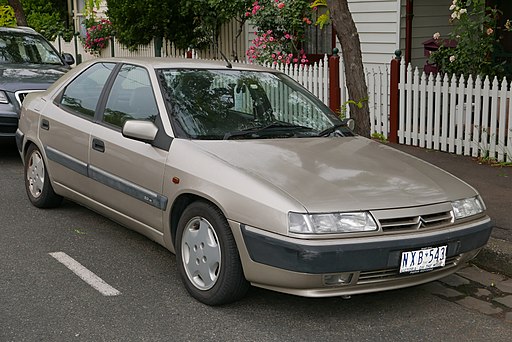
Citroen Xantia faults
The Citroën Xantia, produced between 1993 and 2001, is known for its distinctive design and innovative hydropneumatic suspension system. Despite its many positive attributes, it has some common faults and issues reported by owners. Here are some of the known and frequent faults associated with the Citroën Xantia:
- Hydropneumatic Suspension:
- Spheres Leaking: The Xantia’s hydropneumatic suspension system can develop leaks in the hydraulic spheres, leading to a loss of pressure and suspension functionality.
- Height Correctors: Problems with the height correctors can cause the car to sit at incorrect levels, affecting ride comfort and handling.
- Hydraulic Pump Failures: The hydraulic pump that controls the suspension can fail, leading to suspension issues and a rough ride.
- Electrical Problems:
- Dashboard Instrumentation: Faulty dashboard gauges and warning lights are common issues, sometimes caused by poor electrical connections or failing sensors.
- Central Locking System: Problems with the central locking system, including doors not locking or unlocking properly, have been reported.
- Rust and Corrosion:
- Bodywork: Rust can develop on various parts of the bodywork, especially in older models or those exposed to harsh weather conditions.
- Underbody: Corrosion on the underbody and around suspension mounts is a known issue, potentially affecting the vehicle’s structural integrity.
- Engine and Transmission:
- Oil Leaks: Engine oil leaks, particularly from the rocker cover gasket and camshaft oil seals, are common.
- Timing Belt: Issues with the timing belt, such as premature wear or failure, have been reported, leading to potential engine damage if not addressed promptly.
- Gearbox: Some owners have experienced problems with the manual gearbox, including difficulty shifting gears and premature wear.
- Cooling System:
- Radiator Leaks: Leaks from the radiator and coolant hoses are relatively common, leading to overheating issues.
- Thermostat Failures: Problems with the thermostat can cause incorrect engine temperature regulation.
- Braking System:
- Brake Spheres: Similar to the suspension spheres, the brake spheres in the hydropneumatic system can also develop leaks or fail, affecting braking performance.
- ABS Issues: Problems with the ABS system, including faulty sensors and control units, have been reported.
- Interior Wear and Tear:
- Seats and Upholstery: Wear and tear on the seats and interior trim can occur, particularly in older models or those with high mileage.
- Electrical Accessories: Issues with electrical accessories such as power windows, sunroofs, and air conditioning systems have been noted.
While these issues can be concerning, regular maintenance and prompt attention to any emerging problems can help mitigate these faults. The Citroën Xantia remains a unique and innovative vehicle with a loyal following among enthusiasts who appreciate its distinctive characteristics and advanced suspension system.
Citroen Xantia as a used car
The Citroën Xantia, produced from 1993 to 2001, offers a distinctive choice for used car buyers seeking a blend of comfort, innovation, and classic French design. Known for its hydropneumatic suspension system, the Xantia provides an exceptionally smooth ride, absorbing road imperfections with ease and maintaining stable handling under various driving conditions. This unique suspension system, while a highlight of the Xantia, also requires careful maintenance, making it essential for potential buyers to consider the vehicle’s service history and the condition of the suspension components.
One of the key attractions of the Citroën Xantia as a used car is its affordability and the level of comfort it offers for the price. The interior of the Xantia is spacious and well-appointed, with supportive seats and a well-designed dashboard that emphasizes functionality and ease of use. Despite being an older model, the Xantia often comes equipped with features that were advanced for its time, such as power windows, air conditioning, and advanced braking systems. For those who appreciate a classic car with character, the Xantia’s design and driving experience stand out in the used car market.
However, owning a used Citroën Xantia requires an understanding of its potential maintenance needs and common issues. The hydropneumatic suspension system, while providing unparalleled comfort, can develop leaks and require repairs to the hydraulic spheres and height correctors. Electrical problems, such as issues with the dashboard instrumentation and central locking system, are also common and can be a challenge to troubleshoot. Additionally, rust and corrosion, particularly in older models, need to be inspected thoroughly before purchase. Despite these potential drawbacks, a well-maintained Citroën Xantia can offer a unique and rewarding driving experience, making it a worthwhile consideration for enthusiasts of classic European cars.
Citroen Xantia
The Citroën Xantia, produced between 1993 and 2001, is a testament to Citroën’s reputation for innovation and distinctive design. Renowned for its hydropneumatic suspension system, the Xantia offers an exceptionally smooth and comfortable ride, setting it apart from many other cars of its era. This advanced suspension system not only provides superior comfort by absorbing road imperfections effortlessly but also maintains stable handling and excellent road grip, enhancing the driving experience on various terrains. The Xantia’s elegant and aerodynamic design, combined with its practical functionality, makes it a unique and attractive option for those who appreciate classic European cars.
Under the hood, the Citroën Xantia offers a range of engines that balance performance and fuel efficiency, catering to different driving needs and preferences. From the economical 1.8-liter engines to the more powerful 3.0-liter V6, the Xantia provides a variety of options that ensure a satisfying driving experience. Its robust build and engineering, shared with its contemporaries, contribute to its durability and reliability when properly maintained. However, the hydropneumatic suspension, while a key feature, requires careful attention and regular maintenance to avoid common issues such as leaks in the hydraulic spheres and problems with the height correctors.
Inside, the Citroën Xantia is spacious and thoughtfully designed, offering a comfortable and ergonomic environment for both driver and passengers. The interior features high-quality materials and a well-laid-out dashboard that emphasizes ease of use and accessibility. The supportive seats and generous legroom make long journeys more enjoyable, while the large boot provides ample space for luggage and cargo. Despite being an older model, the Xantia often includes features such as power windows, air conditioning, and advanced braking systems that were considered quite advanced at the time. For those seeking a classic car with a unique blend of comfort, innovation, and European flair, the Citroën Xantia remains a compelling choice.
_01.jpg)