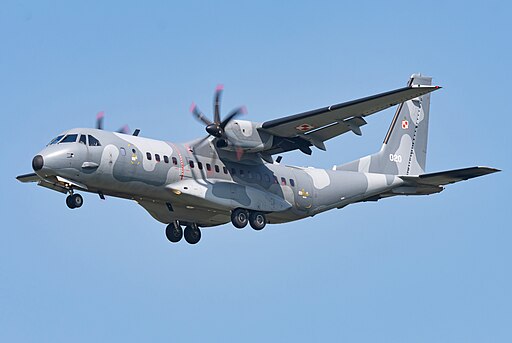
EADS CASA C-295
The EADS CASA C-295 is a versatile, twin-engine tactical transport aircraft that has firmly established itself as a workhorse in both military and humanitarian operations. Developed by the Spanish manufacturer CASA—now part of the Airbus Defence and Space division—this aircraft embodies reliability, operational flexibility, and advanced aerospace engineering. Whether transporting troops, delivering cargo in austere conditions, or serving in medevac and maritime patrol roles, the C-295 offers a proven platform to tackle a wide range of mission requirements.
Historical Background and Development
Building on decades of experience in short- to medium-range transport aircraft, the C-295 traces its roots back to the successful CASA/IPTN CN-235. In the 1990s, CASA took the initiative to evolve this proven design into a more capable airlifter by stretching the fuselage, incorporating more powerful engines, and increasing payload capacity by nearly 50%. The first flight, which took place on 22 December 1988, marked the emergence of an aircraft that would soon become indispensable to air forces and civil operators around the world. With its evolution from the CN-235, the C-295 has continually adapted to meet the changing demands of modern airlift operations, thereby earning its reputation as a multi-role platform with remarkable adaptability.
Design and Structural Features
The design philosophy of the C-295 blends rugged construction with aerodynamic efficiency to deliver reliable performance across diverse operating environments. Its airframe, crafted for durability and operational longevity, is engineered to withstand harsh conditions while providing superior handling characteristics.
Aerodynamic Design and Construction
At the core of the C-295’s performance lies an aerodynamically optimized configuration. Featuring a high-wing design, the aircraft offers excellent field visibility and improved stability during low-altitude operations. The wing design, with a carefully calculated wing area of 59.0 m², contributes to favorable lift characteristics while minimizing drag. The use of high-strength materials in the construction of the fuselage and wings not only reduces weight but also ensures the airframe’s resilience when operating in challenging environments.
Cabin Configuration and Flexibility
The cabin of the C-295 is designed for exceptional versatility. With a standard crew of two—typically a pilot and co-pilot—the aircraft can be configured to accommodate up to 71 troops in a military configuration or be adapted for cargo and medevac missions. The interior layout can be rapidly reconfigured using modular systems and easily removable pallets, making the C-295 equally effective in transporting personnel, dropping supplies, or serving as a medical evacuation platform. This flexibility is a key factor in its widespread adoption by air forces and civilian agencies alike.
Technical Specifications and Parameters
The C-295 is celebrated for its robust technical specifications, which make it a competitive choice in its class. Its performance, powered by advanced turboprop engines, and its thoughtfully engineered dimensions all contribute to its reputation as an incredibly versatile tactical airlifter.
Propulsion and Powerplant
The C-295 is powered by two Pratt & Whitney Canada PW127G turboprop engines. Each engine delivers approximately 2,645 shaft horsepower (shp), providing the thrust necessary for short takeoffs, rapid climbs, and sustained high-speed cruise conditions. The engines are equipped with advanced cooling systems and precision turbocharging, ensuring reliable performance even in high-altitude or hot-and-high environments. This powerplant choice underlines the aircraft’s ability to operate in a wide variety of operational theaters.
Performance Metrics
The performance metrics of the C-295 are a testament to its design goals of speed, range, and operational efficiency. For instance:
- Cruise Speed: The aircraft can achieve speeds of up to approximately 480 km/h (259 knots), enabling quick transit over large distances.
- Range: With a range of about 4,500 km (2,430 nautical miles), the C-295 is capable of executing long-duration missions without the need for frequent refueling.
- Service Ceiling: The aircraft can operate at altitudes of up to approximately 9,144 meters (30,000 feet), ensuring effective performance in high-altitude environments.
- Rate of Climb: Designed to rapidly ascend from short runways, the C-295 delivers a respectable rate of climb, which is crucial for operations in confined or degraded airfields.
Dimensions and Weight
The physical dimensions of the C-295 are optimized for both operational flexibility and efficient performance. Key dimensions include:
- Length: 24.45 meters (80 ft 3 in)
- Wingspan: 25.81 meters (84 ft 8 in)
- Height: 8.60 meters (28 ft 3 in)
In terms of weight, the aircraft has an empty weight of approximately 11,000 kg (24,251 lbs) and a maximum takeoff weight of around 23,200 kg (51,147 lbs). These parameters allow the C-295 to carry substantial payloads while retaining the agility needed for tactical operations.
Payload and Fuel Capacity
One of the standout features of the C-295 is its ability to transport significant payloads. Whether configured for personnel, cargo, or specialized missions such as parachute drops and medical evacuations, the aircraft’s design accommodates a wide range of mission profiles. Its payload capacity is further enhanced by an efficient fuel system that supports extended flight durations. This ensures that the C-295 can operate over vast distances and in remote areas without compromising on performance.
Below is a summary table of the key technical parameters for the EADS CASA C-295:
| Parameter | Value |
|---|---|
| Crew | 2 (Pilot and Co-pilot) |
| Passenger Capacity | Up to 71 troops (varies with configuration) |
| Engines | 2 × Pratt & Whitney Canada PW127G turboprops |
| Engine Power (each) | ~2,645 shp (1,972 kW) |
| Cruise Speed | ~480 km/h (259 knots) |
| Range | ~4,500 km (2,430 NM) |
| Service Ceiling | ~9,144 m (30,000 ft) |
| Length | 24.45 m (80 ft 3 in) |
| Wingspan | 25.81 m (84 ft 8 in) |
| Height | 8.60 m (28 ft 3 in) |
| Maximum Takeoff Weight | 23,200 kg (51,147 lbs) |
| Wing Area | 59.0 m² |
Operational Capabilities and Applications
The multifaceted design of the C-295 makes it suitable for a wide array of missions. Its versatility has led to its adoption by numerous air forces, government agencies, and even humanitarian organizations around the globe.
Military Transport and Tactical Airlift
In military service, the C-295 is a trusted asset for tactical airlift operations. Its ability to operate from short and unprepared runways, coupled with its impressive payload capacity, makes it ideal for rapidly deploying troops and equipment into challenging terrains. The aircraft’s design also supports missions like parachute drops and electronically monitored cargo deliveries, enhancing its utility in modern combat and support scenarios.
Humanitarian and Civil Applications
Beyond military roles, the C-295 has been effectively employed in humanitarian missions. Its spacious cabin and flexible configuration allow it to be quickly converted for medevac purposes, disaster relief, or cargo transport in remote regions. The ease with which its interior can be reconfigured ensures that the aircraft remains a vital component in global efforts to provide rapid assistance during emergencies.
Maritime Patrol and Surveillance
The adaptable nature of the C-295 also extends to maritime patrol and surveillance roles. When equipped with specialized sensors and communication equipment, the aircraft becomes a formidable tool for monitoring vast stretches of ocean, supporting search and rescue operations, and safeguarding national maritime interests. Its long range and high service ceiling further underscore its capability to perform in these complex missions.
Safety and Maintenance Considerations
Safety and ease of maintenance are top priorities in the design of the C-295. The robust structure and redundant systems built into the aircraft minimize risks while ensuring high levels of operational readiness.
Safety Features and Redundancies
The C-295 integrates multiple safety features, including redundant hydraulic systems and advanced avionics that continuously monitor critical parameters. These features not only enhance the safety of each flight but also provide pilots with instantaneous feedback, allowing them to manage unforeseen situations with confidence. The strong construction and crashworthiness of the airframe further contribute to its reputation as a safe platform for both personnel and cargo.
Maintenance and Operational Readiness
Designed with routine maintenance in mind, the C-295 features easily accessible service panels and modular components. This design philosophy translates into lower maintenance downtime and reduced life-cycle costs. Advanced diagnostic systems onboard allow for predictive maintenance—alerting ground crews to issues before they can affect performance. As a result, operators benefit from consistent availability and high operational readiness across diverse mission sets.
Conclusion
The EADS CASA C-295 is a prime example of modern aerospace engineering applied to tactical transport. Its blend of robust design, advanced turboprop propulsion, and operational versatility makes it an invaluable asset across military, humanitarian, and civil sectors. With its impressive technical specifications—ranging from a cruise speed of approximately 480 km/h to a maximum takeoff weight of 23,200 kg—the C-295 continues to prove its worth as a reliable, multi-role aircraft capable of thriving in demanding operational environments.
.jpg)