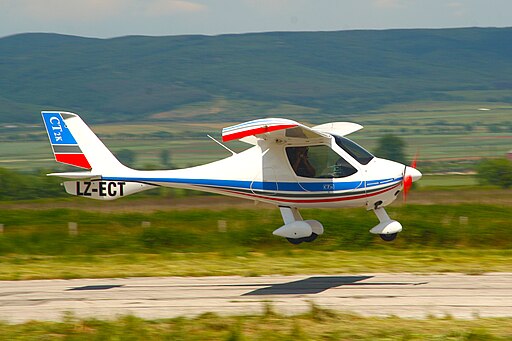
Flight Design CT
The Flight Design CT is a standout example of modern light-sport aviation, garnering attention for its innovative composite construction, impressive fuel economy, and ease of operation. Developed with both recreational pilots and flight schools in mind, the CT has redefined what a lightweight, efficient aircraft should be. Combining streamlined aerodynamics with advanced avionics, the Flight Design CT continues to set new standards in its class.
Historical Background and Development
Flight Design, a German company renowned for its dedication to research and innovation, laid the foundation for the CT series in the 1990s. At a time when the aviation industry was beginning to embrace modern composite materials, Flight Design seized the opportunity to design an aircraft that was not only efficient and reliable but also exceptionally economical in terms of operating costs.
As the market for light-sport aircraft grew, Flight Design refined the CT series to meet both evolving regulatory standards and pilot demands. The result was an aircraft that combined ease of handling and robust construction with the performance metrics needed for long, efficient flights. Over the years, continuous development has cemented the CT’s place as a favorite among aviators seeking an optimal blend of performance and practicality.
Design and Structural Overview
The Flight Design CT distinguishes itself through a masterful integration of modern materials and aerodynamically optimized design. Every element, from its composite fuselage to its intuitive cockpit layout, is a testament to the company’s commitment to innovation and efficiency.
Composite Construction and Aerodynamics
At the heart of the CT’s design is its advanced composite construction. Utilizing a combination of fiberglass and carbon fiber, the aircraft achieves an exceptional strength-to-weight ratio. This construction not only minimizes overall weight but also contributes to a sleek, aerodynamic profile that reduces drag and boosts overall performance. The streamlined wing design further enhances lift and fuel efficiency, allowing the aircraft to maintain stability during low-speed maneuvers and swift turns.
Cabin and Avionics
The cockpit of the Flight Design CT is designed with pilot comfort and efficiency in mind. Featuring a modern glass cockpit with integrated digital displays, the aircraft provides real-time data on critical flight parameters such as altitude, speed, and engine performance. Ergonomically arranged controls and high-contrast instrument panels reduce pilot workload, especially during demanding operations. This thoughtful layout ensures excellent situational awareness, making the CT not only easy to fly but also a trusted choice for pilot training and recreational aviation.
Technical Specifications and Parameters
The Flight Design CT is engineered to deliver exceptional performance within its class. Its technical parameters highlight its commitment to efficiency, safety, and practicality. Below are some of the key technical specifications that define this aircraft.
Dimensions and Weight
One of the hallmarks of the CT design is its compact yet robust structure. Typical dimensions include:
- Length: Approximately 6.0 meters
- Wingspan: Around 8.4 meters
- Maximum Take-off Mass: Up to 600 kilograms
These dimensions allow for excellent maneuverability while still offering sufficient space for essential equipment and a comfortable cockpit environment.
Engine and Performance Metrics
Powering the Flight Design CT is the reliable Rotax 912 ULS engine. Known for its durability and efficiency, this engine delivers roughly 100 horsepower (100 PS), which is more than adequate for the light-sport category. Key performance metrics include:
- Top Speed: Roughly 200 km/h
- Cruise Speed: Efficient performance at lower speeds ensures optimal fuel consumption
- Rate of Climb: Quick and responsive climb, facilitating smooth transitions out of ground effect
The combination of a lightweight composite airframe and an efficient engine ensures that the CT delivers impressive performance without compromising on fuel efficiency.
Fuel Consumption and Range
One of the standout features of the CT is its economical fuel consumption. With an average consumption of approximately 15–20 liters per hour, the aircraft is engineered for long-duration flights without frequent refueling stops. In optimal conditions, the Flight Design CT can achieve a range of up to 1,600 kilometers, making it an excellent option for both short recreational flights and extended training or cross-country journeys.
Propeller and Additional Features
The CT is typically equipped with a high-performance propeller system designed to complement its engine output. Many models employ a reduction gear propeller—often with a ratio around 1:2.43—to optimize thrust and fuel efficiency while maintaining smooth, quiet operation. Additionally, the aircraft’s composite structure and aerodynamic design contribute to reduced maintenance costs and lower operating expenses, further enhancing its appeal.
Below is a summary table of the Flight Design CT’s key technical parameters:
| Parameter | Value |
|---|---|
| Length | 6.0 m |
| Wingspan | 8.4 m |
| Maximum Take-off Mass | 600 kg |
| Engine | Rotax 912 ULS (100 HP) |
| Top Speed | ~200 km/h |
| Fuel Consumption | 15–20 L/h |
| Range | Up to 1,600 km |
| Construction | Composite (fiberglass/carbon fiber) |
| Propeller Reduction Ratio | Approximately 1:2.43 |
Operational Capabilities and Flight Characteristics
The design excellence of the Flight Design CT translates directly into impressive operational capabilities. Its performance characteristics make it a versatile choice for a variety of applications, from pilot training and recreational flying to more specialized flight operations.
Flight Performance
The CT’s agile response and smooth handling are a direct result of its optimized aerodynamics. The composite construction not only contributes to a high strength-to-weight ratio but also ensures the aircraft remains nimble in various flight conditions—whether during takeoff, cruising, or landing. This balance of performance makes it particularly attractive for flight schools and experienced aviators alike.
Efficiency and Environmental Impact
Efficiency is a central theme in the CT’s design philosophy. Low fuel consumption and reduced emissions are achieved through the integration of a state-of-the-art engine and advanced composite materials. These factors, combined with the aircraft’s streamlined shape, reduce its overall environmental footprint. Pilots benefit from lower operating costs while contributing to sustainable aviation practices, an increasingly important consideration in today’s environmentally conscious landscape.
Safety, Maintenance, and Future Perspectives
Safety and ease of maintenance are critical considerations in the design of the Flight Design CT. The aircraft incorporates a range of features intended to enhance operational safety while simplifying routine upkeep.
Safety Features and Redundancies
The Flight Design CT is equipped with multiple safety mechanisms to protect both the pilot and the aircraft. Modern avionics systems offer continuous monitoring of critical flight parameters, while redundant design features ensure that any unexpected issues can be managed safely. The durable composite construction also provides enhanced impact resistance and improved crashworthiness compared to traditional aluminum airframes.
Maintenance and Reliability
Built with efficiency in mind, the CT’s design facilitates straightforward maintenance procedures. The composite materials, while requiring specific inspection protocols, offer long-term durability with minimal corrosion issues. Regular maintenance routines are streamlined by the aircraft’s modular design, reducing downtime and helping to maintain a high level of operational readiness. Innovations in predictive maintenance further ensure that potential issues are identified and addressed before they affect performance.
Future Perspectives
As the aviation industry continues to evolve, the Flight Design CT is well positioned for future enhancements. Ongoing research into advanced composite materials, more efficient engine technologies, and digital avionics systems promises to further refine the CT’s performance and operational costs. Additionally, potential upgrades in avionics and safety systems may open new markets for the CT, cementing its status as a leader in the light-sport aircraft category.
Conclusion
The Flight Design CT exemplifies the convergence of innovative design, advanced composite construction, and efficient performance. Its impressive technical parameters—including a lightweight yet robust structure, a fuel-efficient Rotax 912 engine, and remarkable range—make it an ideal choice for a diverse range of aviation needs. From flight training and recreational flying to extended cross-country missions, the CT continues to prove its worth as a versatile and reliable aircraft.
