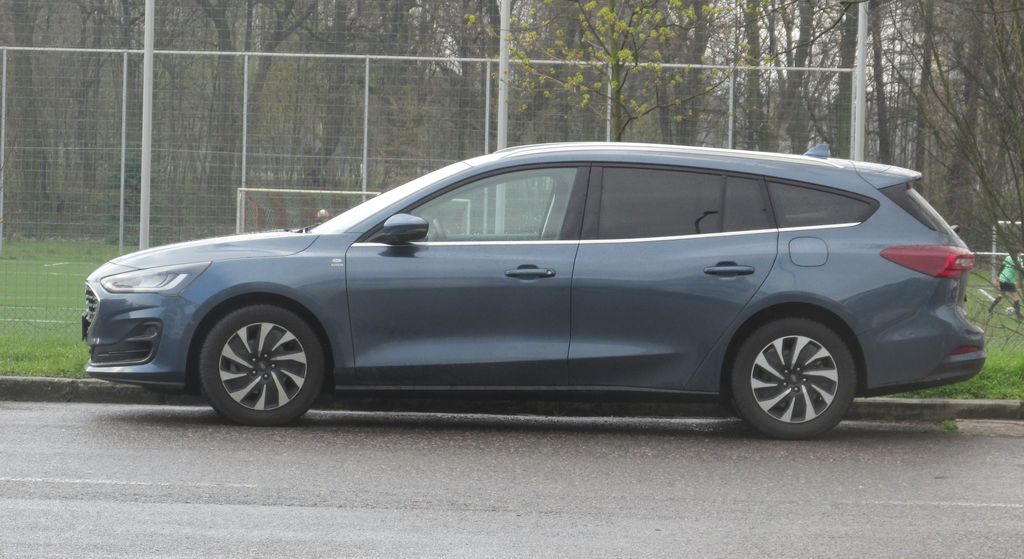
Why the Ford Focus Remains a Popular Used-Car Choice
The Ford Focus has been one of the most recognizable names in the compact car segment for decades, earning a reputation as a practical, enjoyable, and affordable vehicle for drivers around the world. Since its introduction in the late 1990s, the Focus has evolved through multiple generations, adapting to changing customer expectations while maintaining the qualities that made it successful in the first place: balanced handling, efficient engines, comfortable everyday usability, and competitive ownership costs. Although Ford discontinued the Focus in several markets as the company shifted attention toward SUVs and electrified vehicles, the model remains a highly relevant option on the used-car market.
For buyers searching for a second-hand vehicle, the Ford Focus represents an interesting middle ground. It is not positioned as a luxury model, yet many versions provide a surprisingly refined driving experience. It is not a performance car in most configurations, but enthusiasts have long appreciated its chassis balance and the availability of sporty variants such as the Focus ST and Focus RS. It is not the largest family car available, but its hatchback and wagon body styles offer impressive practicality for daily transportation, commuting, and occasional long-distance travel.
A used Ford Focus can be an excellent purchase when the buyer chooses the right generation, engine, transmission, and maintenance history. Like any popular vehicle produced over many years, however, the Focus has certain weaknesses that should be considered before purchase. Some versions are known for exceptional reliability, while others have attracted criticism due to specific mechanical issues, particularly with certain automatic transmissions and engine choices.
This guide examines the Ford Focus as a used car from the perspective of ownership, reliability, driving experience, running costs, practicality, and value for money. Whether you are considering a first car, an affordable commuter, or a dependable family vehicle, understanding the strengths and weaknesses of the Focus will help you make a more informed decision.
A Brief History of the Ford Focus
The Ford Focus replaced the long-running Ford Escort in many markets and was designed to compete in the highly competitive compact-car segment. From the beginning, Ford focused heavily on driving dynamics, creating a vehicle that was more engaging than many rivals while still offering everyday practicality.
First Generation Ford Focus (1998–2005)
The first-generation Focus introduced a completely new design philosophy for Ford’s compact models. Its sharp styling, independent rear suspension, and responsive handling immediately attracted attention. Compared with many competitors of the era, the Focus felt more sophisticated behind the wheel, offering confident cornering and a stable ride.
Used examples of the first-generation Focus are now relatively old, but they remain appreciated by enthusiasts because of their simple mechanical design and enjoyable driving characteristics. Many versions used naturally aspirated petrol engines with relatively straightforward maintenance requirements. However, age-related problems such as corrosion, worn suspension components, and electrical issues are now common concerns.
For buyers looking at very inexpensive used cars, an older Focus can still be attractive, but condition matters far more than mileage alone. A well-maintained example can provide reliable transportation, while a neglected vehicle may require significant investment.
Second Generation Ford Focus (2004–2011)
The second-generation Focus improved on the original model with increased refinement, better interior quality, and improved safety equipment. It retained the excellent chassis balance of the first generation while becoming more comfortable and practical.
This generation is often considered one of the strongest used-car choices because it combines relatively modern features with simpler mechanical systems. Petrol and diesel engines were widely available, and many examples accumulated high mileage with proper servicing.
The second-generation Focus became popular among families, fleet operators, and private owners because it offered low operating costs and dependable performance. Hatchback, sedan, and estate versions expanded its appeal, making it suitable for a wide range of buyers.
Third Generation Ford Focus (2011–2018)
The third-generation Focus brought more advanced technology, improved efficiency, and a more global design approach. It was offered with modern features such as touchscreen infotainment systems, advanced driver assistance systems, and more efficient turbocharged engines.
Driving enthusiasts often praise this generation because it maintained Ford’s traditional focus on handling while improving comfort and refinement. The sporty Focus ST version became especially popular, offering strong performance without sacrificing daily usability.
However, buyers should carefully research transmission options. Some automatic-equipped versions, particularly those using Ford’s PowerShift dual-clutch transmission, developed a reputation for hesitation, shuddering, and expensive repairs. Manual-transmission models are often preferred by used-car buyers seeking maximum reliability.
Fourth Generation Ford Focus (2018–Present in Some Markets)
The fourth-generation Focus represented a significant technological upgrade. It introduced a larger platform, improved interior space, advanced connectivity features, and more efficient powertrains, including mild-hybrid options in some markets.
As a used vehicle, newer Focus models remain relatively expensive because they offer modern equipment and competitive fuel economy. They are particularly appealing to buyers who want a near-new driving experience without paying the full price of a new car.
Why Buy a Used Ford Focus?
Excellent Driving Experience
One of the defining characteristics of the Ford Focus has always been its handling. Many compact cars prioritize comfort and efficiency but provide little excitement behind the wheel. The Focus has traditionally been different, offering precise steering, good chassis balance, and predictable behavior.
For everyday driving, this means the car feels stable and confident. Highway journeys are comfortable, while city driving benefits from the vehicle’s manageable size and visibility. Drivers who enjoy a more engaging experience often find the Focus more enjoyable than many competing compact cars.
The suspension tuning varies between generations and trims, but most versions provide a good compromise between comfort and control. Sportier models deliver sharper responses, while standard versions are designed for relaxed daily use.
Affordable Ownership Costs
A major advantage of buying a used Ford Focus is affordability. Purchase prices are generally competitive, replacement parts are widely available, and many mechanics are familiar with servicing the vehicle.
Insurance costs are usually reasonable, especially for standard models with smaller engines. Fuel economy is also one of the Focus’s strengths, with many petrol and diesel versions capable of delivering impressive efficiency when driven sensibly.
Routine maintenance typically includes standard items such as oil changes, filters, brake components, and suspension wear parts. Compared with premium vehicles, repair costs are generally much lower.
Practical Hatchback and Estate Designs
The Ford Focus has always been available in practical body styles. The hatchback version is especially popular because it combines compact exterior dimensions with useful cargo capacity.
The rear seats provide enough space for passengers on shorter and medium-length journeys, while the folding rear seats allow owners to transport larger items. Estate versions offer even greater practicality, making them suitable for families or drivers who frequently carry luggage, equipment, or recreational gear.
The Focus is also relatively easy to park and maneuver, which makes it well suited for urban environments.
Common Ford Focus Problems to Check Before Buying
Automatic Transmission Issues
One of the most important considerations when purchasing a used Ford Focus is the transmission. Certain models equipped with the PowerShift dual-clutch automatic transmission have received criticism due to reliability problems.
Common complaints include:
- Jerky acceleration
- Transmission hesitation
- Clutch wear
- Shuddering during low-speed driving
- Expensive repair costs
A manual-transmission Focus is often the safer choice for buyers who prioritize long-term reliability. If considering an automatic model, a complete service history and a thorough test drive are essential.
Suspension Wear
Because the Focus is known for its excellent handling, suspension components play an important role in the driving experience. Over time, parts such as bushings, shock absorbers, and control arms can wear.
Symptoms of suspension problems may include:
- Knocking noises over rough roads
- Uneven tire wear
- Reduced steering precision
- Excessive body movement
These repairs are usually not catastrophic, but they should be considered when negotiating the purchase price.
Electrical Problems
Older Focus models may experience age-related electrical issues. These can include malfunctioning sensors, battery-related problems, and occasional problems with interior electronics.
A complete inspection should include checking:
- Dashboard warning lights
- Climate controls
- Windows and mirrors
- Infotainment functions
- Exterior lighting
Diesel Engine Considerations
Diesel versions of the Focus can be excellent choices for high-mileage drivers because of their strong fuel economy and torque. However, modern diesel systems require proper maintenance.
Potential concerns include:
- Diesel particulate filter problems
- Turbocharger wear
- EGR system issues
- Injector problems
Drivers who mainly perform short urban trips may be better suited to a petrol engine because diesel systems generally perform best during longer journeys.
Best Ford Focus Engines for Used Buyers
Choosing the right engine depends heavily on driving habits.
Petrol Engines
Petrol engines are often the best option for drivers who want simplicity and lower maintenance risks. Naturally aspirated engines are usually straightforward and durable, while turbocharged EcoBoost engines provide stronger performance and better efficiency.
Advantages of petrol engines include:
- Quieter operation
- Lower complexity in many versions
- Better suitability for short trips
- Lower diesel-system maintenance concerns
Diesel Engines
Diesel engines are attractive for drivers covering many kilometers each year. They provide strong low-speed torque and excellent highway fuel economy.
Advantages include:
- Excellent long-distance efficiency
- Strong pulling power
- Lower fuel consumption
However, maintenance history is extremely important.
Ford Focus ST and Performance Versions as Used Cars
The Focus ST is one of the most desirable versions among driving enthusiasts. It combines everyday practicality with strong performance, making it a popular alternative to more expensive sports cars.
The ST typically offers:
- More powerful turbocharged engines
- Sport-tuned suspension
- Improved brakes
- More aggressive styling
- Manual transmission options
Used buyers should check carefully for signs of modification or aggressive driving. Performance models can be excellent purchases when properly maintained, but neglected examples may have experienced harder use.
The Focus RS represents an even more extreme version, offering all-wheel drive and serious performance capability. However, ownership costs are higher, and careful inspection is essential.
Interior Quality and Comfort
The Focus interior varies significantly depending on generation and equipment level. Earlier models prioritized functionality, while later versions introduced higher-quality materials and more advanced technology.
Modern Focus models typically offer:
- Comfortable seats
- Improved sound insulation
- Smartphone connectivity
- Advanced safety systems
- Better infotainment systems
The cabin may not feel as premium as some competitors, but it is generally ergonomic and easy to use.
Ford Focus Reliability: Is It a Good Used Car?
Overall reliability depends strongly on the specific model year, engine, transmission, and maintenance history. A carefully selected Ford Focus can be a dependable and economical vehicle.
The strongest candidates usually have:
- Complete service records
- Manual transmission
- Regular oil changes
- No accident history
- A clean inspection report
The biggest mistake buyers make is choosing based only on price. A cheap Focus requiring major repairs can quickly become more expensive than a slightly higher-priced example in excellent condition.
Buying Checklist: What to Inspect Before Purchase
Before buying a used Ford Focus, inspect the following areas:
Exterior
Check for:
- Rust
- Uneven paint
- Accident repairs
- Damaged panels
- Tire condition
Engine
Look for:
- Smooth starting
- Unusual noises
- Oil leaks
- Smoke from exhaust
- Warning lights
Transmission
For manuals:
- Smooth clutch operation
- Correct gear engagement
For automatics:
- Smooth shifting
- No hesitation
- No unusual noises
Service History
A documented maintenance history is one of the strongest indicators of a good used car. Regular servicing is often more important than low mileage.
Ford Focus Used Car Verdict
The Ford Focus remains one of the most balanced used-car choices in the compact segment. It offers enjoyable driving dynamics, practical design, affordable running costs, and a wide range of engine choices. While certain versions have known weaknesses, especially some automatic transmissions, careful selection can result in a reliable and satisfying ownership experience.
For buyers seeking a practical everyday vehicle with more personality than many competitors, the Ford Focus is still worth serious consideration. A well-maintained example can provide years of dependable service while offering a driving experience that remains one of the model’s greatest strengths.
The key is choosing wisely: prioritize condition, maintenance history, and the right drivetrain rather than simply searching for the cheapest available example.
Ford Focus Technical Specifications (Typical Used Models)
| Specification | Ford Focus (Typical Used Models) |
|---|---|
| Vehicle type | Compact hatchback / sedan / estate |
| Production years | 1998–present (varies by market) |
| Body styles | Hatchback, sedan, wagon/estate |
| Seating capacity | 5 passengers |
| Engine options | Petrol and diesel engines, turbocharged and naturally aspirated |
| Engine displacement | Approximately 1.0–2.5 liters depending on version |
| Power output | Approximately 75–350+ hp depending on model |
| Transmission options | Manual, automatic, dual-clutch automatic (market dependent) |
| Drive system | Front-wheel drive; all-wheel drive on selected performance versions |
| Fuel economy | Approximately 5–8 l/100 km depending on engine and driving style |
| Length | Approximately 4.1–4.7 meters depending on generation/body style |
| Cargo capacity | Approximately 300–600+ liters depending on body configuration |
| Suspension | Independent front and rear suspension (varies by generation) |
| Safety features | ABS, airbags, stability control, driver assistance systems on newer models |
| Performance versions | Focus ST, Focus RS |
| Typical used-car strengths | Handling, practicality, affordability, fuel efficiency |
| Common concerns | Automatic transmission issues, suspension wear, diesel maintenance needs |
| Recommended buyer profile | Commuters, small families, practical driving enthusiasts |
Final recommendation: A used Ford Focus is a strong choice when purchased with careful attention to service history and specification. Manual-transmission examples with regular maintenance records are often among the safest and most rewarding options in the used compact-car market.
