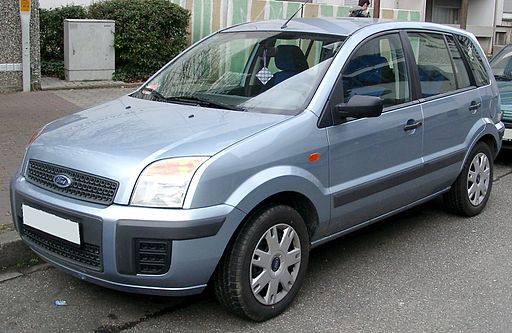
Ford Fusion faults
The Ford Fusion (European model) is a compact MPV-style hatchback that was produced between 2002 and 2012. It was marketed as a more practical and rugged version of the Fiesta, combining elevated driving height with greater interior space. While the Fusion is known for its reliability and practicality, it has some common faults that potential buyers should be aware of. Below is a detailed list of these issues:
1. Clutch and Gearbox Issues (Manual Models)
- Symptoms: Difficulty in shifting gears, clutch slipping, or a burning smell during use.
- Cause: Premature clutch wear is common, particularly in higher-mileage vehicles or those used for frequent city driving. Linkage wear can also cause gear selection problems.
- Resolution: Replacement of the clutch or gear linkage. Ensure the clutch is in good condition when buying a used model.
2. Powershift Transmission Problems (Automatic Models)
- Symptoms: Jerky shifts, hesitation, or transmission warning lights.
- Cause: The Fusion’s automatic gearbox, especially in models equipped with the Powershift dual-clutch system, is prone to reliability issues due to software bugs or mechanical wear.
- Resolution: Regular servicing of the transmission and updating software can help. In severe cases, a gearbox rebuild or replacement may be needed.
3. Suspension Wear
- Symptoms: Knocking noises over bumps, uneven tire wear, or poor handling.
- Cause: Worn suspension components such as anti-roll bar links, bushings, and shock absorbers are common in older models.
- Resolution: Inspect and replace worn suspension parts as needed. Ensure proper wheel alignment after repairs.
4. Rust and Corrosion
- Symptoms: Visible rust, especially around wheel arches, door sills, and the underside.
- Cause: Inadequate rust-proofing, particularly in earlier models, makes the Fusion vulnerable to corrosion in areas with road salt.
- Resolution: Treat rust spots early with anti-rust treatments and protective coatings. When buying, inspect the car thoroughly for structural rust.
5. Electrical Faults
- Symptoms: Central locking malfunctions, dashboard warning lights, or failure of electric windows and mirrors.
- Cause: Faulty wiring or issues with the Body Control Module (BCM).
- Resolution: Diagnosing and repairing wiring faults or replacing defective BCM components.
6. Diesel Injector Problems (TDCi Models)
- Symptoms: Poor engine performance, rough idling, or excessive exhaust smoke.
- Cause: Diesel injectors can become clogged or fail, especially in higher-mileage vehicles or those not maintained regularly.
- Resolution: Cleaning or replacing the injectors. Using high-quality fuel and regular servicing can help prevent injector issues.
7. Turbocharger Failures (Diesel Models)
- Symptoms: Loss of power, excessive smoke from the exhaust, or a whining noise.
- Cause: Turbo failure due to oil starvation, poor maintenance, or excessive wear.
- Resolution: Regular oil changes with the correct grade of oil and addressing any turbo-related issues promptly can reduce the risk of failure.
8. Air Conditioning Failures
- Symptoms: Weak or no cooling, strange noises from the AC system.
- Cause: Leaks in the refrigerant system, faulty compressor, or worn-out seals.
- Resolution: Recharge the refrigerant or replace faulty components as needed.
9. Steering Problems
- Symptoms: Stiff steering or unusual noises when turning.
- Cause: Issues with the power steering pump or worn steering components.
- Resolution: Inspect and replace the affected parts, such as the pump or steering rack.
10. Brake Issues
- Symptoms: Squealing or grinding noises, reduced braking performance.
- Cause: Worn brake pads, discs, or calipers.
- Resolution: Regularly inspect and replace worn brake components.
11. Poor Fuel Economy
- Symptoms: Higher-than-expected fuel consumption.
- Cause: Dirty fuel injectors, clogged air filters, or malfunctioning sensors like the oxygen or MAF sensor.
- Resolution: Cleaning or replacing affected components can restore efficiency.
12. Faulty Door Locks
- Symptoms: Difficulty locking/unlocking doors or intermittent operation.
- Cause: Actuator failures or worn-out locking mechanisms.
- Resolution: Replace the faulty actuator or door locking assembly.
13. Timing Belt Wear
- Symptoms: Ticking noises from the engine or, in severe cases, engine failure.
- Cause: Overdue timing belt replacement. The Fusion requires regular timing belt changes, typically around 100,000 miles or 10 years, depending on the model.
- Resolution: Replace the timing belt as per the manufacturer’s recommendations.
14. Exhaust System Corrosion
- Symptoms: Louder exhaust noise, reduced engine performance, or visible rust on the exhaust system.
- Cause: Rust and corrosion of the exhaust pipes or muffler.
- Resolution: Replace the corroded sections of the exhaust system.
15. Water Ingress
- Symptoms: Wet carpets or condensation inside the car.
- Cause: Leaking door seals or blocked drainage channels.
- Resolution: Check and replace door seals and clear drainage channels regularly.
Tips for Buying a Used Ford Fusion (Europe)
- Service History
Look for a vehicle with a full service history, especially for models with diesel engines or automatic transmissions. Regular maintenance can prevent many common issues. - Inspect for Rust
Thoroughly inspect the bodywork and underside for rust and corrosion, particularly on older models. - Test Drive
Take the car for a test drive to check for smooth gear shifts, suspension noises, and proper steering function. - Mileage Consideration
Higher-mileage diesels may require additional attention, particularly to the turbocharger, injectors, and DPF (diesel particulate filter). - Check Recalls
Verify that any outstanding recalls have been addressed.
Conclusion
The Ford Fusion is a practical and reliable choice as a used car, particularly for those who prioritize a higher driving position and spacious interior in a compact package. While it has its share of common faults, many can be managed with proper maintenance and careful selection. With the right precautions, a well-maintained Fusion can serve as an excellent and affordable option for families or city dwellers.
Ford Fusion as a used car
Ford Fusion as a Used Car: A Practical and Rugged Choice
The Ford Fusion (European model), produced between 2002 and 2012, offers a unique combination of compact dimensions and MPV-inspired practicality. Often described as a taller and more spacious version of the Ford Fiesta, the Fusion stands out for its elevated driving position, rugged design, and affordable running costs. But how does it fare as a used car? Here’s an in-depth look at the Ford Fusion’s strengths, potential drawbacks, and what to watch out for when buying one second-hand.
Why Consider a Used Ford Fusion?
- Practicality
The Fusion’s taller body and higher seating position make it easier to get in and out of, especially for families or older drivers. Its generous interior headroom and flat-folding rear seats provide flexibility for carrying passengers or cargo. - Compact Yet Versatile
Despite its MPV-like features, the Fusion remains small enough to navigate urban environments effortlessly. It’s ideal for city dwellers who need more space than a typical hatchback offers. - Reliable Engine Choices
The Fusion was available with a range of dependable engines, including fuel-efficient petrol options and frugal diesels. Both types are known for their reliability when properly maintained. - Affordable to Own
With low insurance costs, excellent fuel efficiency, and widely available spare parts, the Fusion is an economical choice for budget-conscious buyers. - Rugged Styling
Its slightly raised ride height and rugged appearance make it stand out from traditional superminis, appealing to those who prefer a more SUV-like aesthetic without the associated running costs.
Strengths of the Ford Fusion
- Elevated Driving Position: Offers a better view of the road, which many drivers find reassuring.
- Robust Build Quality: Designed with durability in mind, the Fusion’s materials and construction feel solid.
- Good Visibility: Large windows provide excellent all-around visibility, making parking and maneuvering easier.
- Variety of Trims: From basic models to higher trims with features like air conditioning, heated windscreens, and parking sensors, there’s a Fusion to suit various needs and budgets.
Common Faults to Be Aware Of
Like any car, the Ford Fusion has its share of potential issues. Here are the most common faults:
- Clutch and Gearbox Issues
Manual models may suffer from clutch wear, especially in higher-mileage vehicles or those used primarily for city driving. Automatic models with the Powershift transmission have been known to experience jerky gear shifts or transmission faults. - Suspension Wear
Older Fusions are prone to worn suspension components such as anti-roll bar links and bushings, which can cause knocking noises and reduced handling performance. - Rust Problems
While generally well-built, some areas, such as door sills, wheel arches, and the underside, may be prone to rust, especially in cars driven in areas with heavy road salt usage. - Electrical Faults
Common issues include central locking malfunctions, electric window failures, and occasional dashboard warning lights. These problems are often caused by faulty wiring or control modules. - Diesel Injector and Turbocharger Issues
Diesel models, particularly those with higher mileage, can experience clogged fuel injectors or turbocharger wear. Proper servicing is crucial to avoid these problems.
What to Look for When Buying a Used Ford Fusion
- Service History
A full service history is essential, especially for diesel models or those with automatic transmissions. Regular oil changes and timing belt replacements are crucial for long-term reliability. - Inspect for Rust
Carefully check common rust-prone areas, including wheel arches and the underside of the car. - Mileage and Condition
High-mileage models are common, but ensure the car has been well-maintained. Look for signs of wear and tear on the clutch, brakes, and suspension. - Recalls and Repairs
Verify that the car has undergone any relevant recalls, particularly those related to the Powershift transmission or suspension components. - Test Drive
During a test drive, check for smooth gear shifts, unusual noises from the suspension, and proper steering function.
Who Should Consider a Ford Fusion?
The Ford Fusion is an excellent choice for:
- Families: Its spacious interior and flexible cargo options make it ideal for small families.
- Older Drivers: The elevated seating position and ease of entry and exit are perfect for those seeking a more ergonomic car.
- Urban Dwellers: Compact dimensions and good visibility make it a breeze to drive in tight city spaces.
- Budget Buyers: Affordable purchase prices and low running costs make the Fusion a practical option for those on a budget.
Popular Engine and Trim Options
- Petrol Engines:
- The 1.4L petrol engine is a reliable choice for city driving and occasional longer trips.
- The 1.6L petrol provides a bit more power without sacrificing efficiency.
- Diesel Engines:
- The 1.4L and 1.6L TDCi engines are economical options for long-distance drivers, delivering excellent fuel economy.
- Trim Levels:
- Fusion Style: The entry-level trim, offering essential features.
- Fusion Zetec: Adds more comfort and convenience, including alloy wheels and air conditioning.
- Fusion Titanium: The top-spec trim, featuring advanced tech and luxury touches.
Conclusion
The Ford Fusion is a practical, reliable, and affordable used car that bridges the gap between a compact hatchback and a family-friendly MPV. Its spacious interior, elevated driving position, and low running costs make it a great choice for those seeking practicality without breaking the bank. While there are some common faults to be aware of, a well-maintained Fusion can provide years of dependable service. With careful research and a thorough inspection, the Ford Fusion is a smart choice for anyone in the market for a versatile and economical used car.
