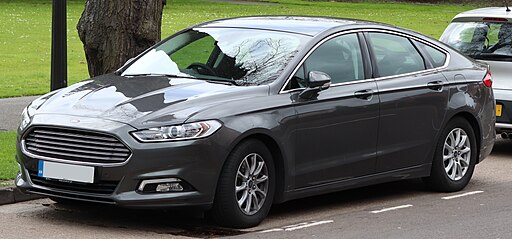
Ford Mondeo as a Used Car: A Complete Buyer’s Guide to One of Europe’s Most Practical Used Vehicles
The Ford Mondeo has long been considered one of the most sensible choices in the European used car market.
the Mondeo became a popular alternative to more expensive premium models while offering many of the same advantages.
For decades, it served as a reliable companion for families, business users, fleet operators, and drivers who wanted a
spacious vehicle without excessive ownership costs. Today, a used Ford Mondeo represents an interesting opportunity for
buyers looking for a large, comfortable, and well-equipped car at a reasonable price.Unlike many vehicles that become outdated quickly, the Ford Mondeo has maintained a strong reputation because of its
balanced engineering approach. It was never designed to be the fastest or most luxurious car in its segment, but rather
a dependable all-rounder that could handle long motorway journeys, daily commuting, family trips, and demanding work
schedules. Its combination of generous interior space, good road manners, efficient engines, and affordable maintenance
has helped it remain attractive even years after leaving the showroom.However, buying any used vehicle requires careful consideration, and the Mondeo is no exception. Different generations
offered different engines, transmissions, equipment levels, and reliability characteristics. Some versions are highly
recommended for used buyers, while others require closer inspection before purchase. Understanding the strengths and
weaknesses of each model generation is essential for making a smart decision.
The History and Evolution of the Ford Mondeo
The Ford Mondeo was introduced in the early 1990s as a replacement for the Ford Sierra. The name itself came from the
Latin word “mundus,” meaning world, reflecting Ford’s ambition to create a global mid-size vehicle. The Mondeo was
developed with the idea of combining engineering expertise from different Ford divisions around the world, resulting
in a car designed primarily for European driving conditions but also sold in various international markets.
Throughout its production history, the Mondeo went through several major generations. Each generation introduced
improvements in safety, technology, comfort, and efficiency. Early models focused on practicality and affordability,
while later versions became increasingly sophisticated, featuring advanced driver assistance systems, premium interior
materials, powerful diesel engines, hybrid technology, and modern infotainment systems.
The Mondeo became especially popular among company-car users because it provided excellent value compared with premium
executive vehicles. Many examples spent their early years as fleet vehicles, which means buyers today can find many
used models with complete service histories. At the same time, fleet usage also means some cars may have experienced
high mileage, so checking maintenance records is extremely important.
Why the Mondeo Became Popular
The success of the Ford Mondeo came from its ability to satisfy many different types of drivers. It offered enough
space for families but remained enjoyable to drive. It provided diesel engines capable of impressive fuel economy while
still delivering enough power for highway travel. It included comfort features usually associated with more expensive
vehicles, yet remained relatively affordable to maintain.
Another important factor was Ford’s attention to driving quality. Many family cars of the same era prioritized comfort
but felt disconnected behind the wheel. The Mondeo gained a reputation for precise steering, good suspension tuning,
and stable handling. This made it particularly attractive to drivers who wanted a practical vehicle without sacrificing
driving enjoyment.
Buying a Used Ford Mondeo: Main Advantages
Excellent Interior Space and Practicality
One of the biggest reasons buyers choose a used Ford Mondeo is its impressive practicality. Depending on the body style,
the Mondeo was available as a sedan, hatchback, and estate model. The estate version is especially popular among families
and professionals because it provides a large luggage area while maintaining comfortable passenger space.
Rear-seat passengers benefit from generous legroom, making the Mondeo suitable for long journeys with several occupants.
Unlike some smaller competitors, the car was designed around real-world usability rather than simply meeting minimum
interior dimensions. The result is a vehicle that feels spacious even years after its original launch.
The cabin layout is also practical, with numerous storage compartments, comfortable seats, and a driving position
suitable for long distances. Higher equipment versions can include features such as heated seats, navigation systems,
adaptive cruise control, parking sensors, climate control, and upgraded audio systems.
Comfort on Long Journeys
The Ford Mondeo has always been praised for its motorway performance. The suspension setup provides a good balance
between comfort and handling, allowing the vehicle to absorb road imperfections while remaining stable at higher
speeds. This makes it particularly attractive for drivers who regularly travel long distances.
Noise insulation improved significantly with newer generations, especially in higher-specification models. Diesel
versions equipped with efficient engines became popular among drivers covering many kilometres per year because they
offered low fuel consumption combined with relaxed cruising ability.
Strong Driving Characteristics
Compared with many competitors, the Mondeo has traditionally offered one of the better driving experiences in its
category. The steering is generally accurate, the chassis feels well balanced, and the car remains composed during
cornering. This is one of the reasons why many enthusiasts still appreciate the Mondeo despite its practical image.
The driving experience differs depending on the generation and engine choice, but most versions provide predictable
handling and confidence-inspiring behaviour. For buyers who want a used family car that does not feel boring, the
Mondeo remains an appealing option.
Ford Mondeo Engine Options and Reliability
Engine choice is one of the most important considerations when purchasing a used Ford Mondeo. Over the years, Ford
offered a wide range of petrol and diesel engines, each with different characteristics. Some engines are known for
excellent durability, while others require more careful maintenance.
Diesel Engines
Diesel Mondeo models have traditionally been among the most popular choices, especially for drivers covering high
annual mileage. Engines such as the 2.0 TDCi became widely used because they provided a strong combination of torque,
fuel efficiency, and reliability when properly maintained.
A well-maintained diesel Mondeo can easily handle high mileage, but buyers should pay attention to common diesel-related
components. These may include the diesel particulate filter, turbocharger, injectors, and dual-mass flywheel. Vehicles
used mainly for short urban trips may experience more issues because diesel systems generally perform better during
longer journeys.
Petrol Engines
Petrol versions are often overlooked in the used market, but they can be a good choice for drivers who do fewer
kilometres each year. They usually have simpler maintenance requirements compared with diesel engines and avoid some
of the expensive components associated with modern diesel technology.
Turbocharged petrol engines introduced in later generations provided improved performance while maintaining reasonable
fuel consumption. However, as with all modern turbocharged engines, regular oil changes and proper servicing are
essential for long-term reliability.
Common Problems Found in Used Ford Mondeo Models
that many examples on the used market have already covered significant distances. A large family car is often chosen
by business users and long-distance drivers, meaning some vehicles may have accumulated hundreds of thousands of
kilometres. High mileage itself is not necessarily a problem, but poor maintenance can create expensive repairs.Before purchasing a used Mondeo, it is important to inspect the vehicle carefully and review its service history. A
complete maintenance record is one of the strongest indicators that the previous owner cared for the car properly.
Regular oil changes, timely replacement of filters, correct servicing of the timing system, and attention to warning
signs can make a significant difference in long-term ownership costs.
Diesel System Issues
Modern diesel Mondeo models can experience issues related to emissions equipment. Components such as diesel particulate
filters (DPF), exhaust gas recirculation (EGR) valves, and turbocharger systems can become problematic, especially when
the vehicle has mainly been driven in city traffic. A diesel engine needs regular operating temperatures and longer
journeys to complete regeneration cycles and maintain efficiency.
During a test drive, buyers should pay attention to hesitation, unusual smoke, poor acceleration, or warning lights on
the dashboard. These symptoms may indicate problems requiring professional diagnosis. A car that has been used mainly
on highways is usually a safer choice than a diesel Mondeo that spent years making short urban trips.
Clutch and Dual-Mass Flywheel Wear
Manual transmission versions of the Mondeo are generally durable, but high-mileage examples may require clutch-related
repairs. The dual-mass flywheel, which helps reduce vibration from modern engines, can become worn over time.
Replacement costs can be considerable because the repair requires significant labour.
Signs of a worn clutch system include vibrations when starting, unusual noises when pressing the clutch pedal, difficulty
selecting gears, or slipping during acceleration. A thorough test drive should include different driving conditions,
including slow-speed manoeuvres and stronger acceleration.
Suspension Wear
Because the Mondeo is often used for long-distance travel and carries passengers or luggage, suspension components can
eventually require replacement. Bushings, shock absorbers, springs, and control arms are typical wear items on older
vehicles.
Suspension problems are usually not a reason to avoid buying a Mondeo, because replacement parts are widely available
and repairs are generally affordable compared with premium vehicles. However, worn suspension can affect comfort, tyre
wear, and driving stability, so it should be considered when negotiating the purchase price.
Electronic and Interior Problems
Later Mondeo generations introduced increasingly complex electronic systems. Features such as navigation units, parking
sensors, electric seats, keyless entry systems, and driver assistance technology improved comfort but also increased
potential repair costs as vehicles aged.
Most electronic issues are relatively minor, but buyers should test all equipment before purchase. Check the air
conditioning, infotainment system, lights, windows, mirrors, parking sensors, and dashboard displays. Fixing several
small electrical faults after buying a used car can quickly become expensive.
Ford Mondeo Generations: Which Used Model Should You Choose?
The best Ford Mondeo for a used buyer depends on budget, driving habits, and expectations. Each generation has its own
strengths, improvements, and possible weaknesses. Understanding the differences helps buyers avoid choosing a model
that does not match their needs.
First Generation Ford Mondeo (1993–2000)
The first-generation Mondeo represented a major change for Ford. It replaced the rear-wheel-drive Sierra with a modern
front-wheel-drive platform focused on comfort, safety, and European driving characteristics. It quickly became known
for its excellent handling and practical design.
Today, early Mondeo models are mostly purchased by enthusiasts, collectors, or buyers looking for inexpensive classic
transportation. Finding one in excellent condition is becoming increasingly difficult because many examples have been
retired due to age and corrosion.
Second Generation Ford Mondeo (2000–2007)
The second-generation Mondeo improved refinement and interior quality. It offered more space, better safety equipment,
and a wider selection of engines. Many examples became popular fleet vehicles because they combined affordability with
excellent practicality.
From a modern used-car perspective, age is the biggest challenge. While some well-maintained examples remain reliable,
buyers must carefully inspect corrosion, suspension condition, and overall mechanical health.
Third Generation Ford Mondeo (2007–2014)
The third-generation Mondeo is often considered one of the strongest used-car choices in the model’s history. It offered
a significant improvement in size, comfort, safety, and technology while maintaining reasonable ownership costs.
The 2.0 TDCi diesel engine became especially popular due to its combination of performance and efficiency. Estate versions
remain highly practical, making this generation attractive to families and professionals who need a large vehicle at a
reasonable price.
Buyers should still check the condition of diesel components, clutch systems, and electronic features. Cars with a clear
maintenance history are much more desirable than neglected examples with similar mileage.
Fourth Generation Ford Mondeo (2014–2022)
The fourth-generation Mondeo brought the model closer to premium competitors. It featured a more sophisticated interior,
improved safety technology, advanced infotainment systems, and a hybrid version designed for efficient urban driving.
Used examples offer a strong combination of modern features and affordable pricing. They are particularly attractive
for buyers who want a comfortable executive-style vehicle without paying premium-brand prices.
However, newer technology means buyers should pay closer attention to electronic systems and advanced features. A full
diagnostic check before purchase is recommended, especially on highly equipped models.
Ford Mondeo Running Costs and Maintenance
One of the main advantages of choosing a Ford Mondeo as a used car is reasonable ownership cost. Compared with premium
alternatives such as German executive vehicles, the Mondeo usually has cheaper servicing, more affordable replacement
parts, and a larger supply of independent repair specialists.
Routine maintenance includes regular oil changes, filter replacement, brake servicing, tyre replacement, and inspection
of suspension components. Diesel versions may require additional attention to emissions systems, while petrol versions
are often simpler for drivers with lower annual mileage.
Insurance costs are generally competitive, particularly compared with larger premium cars. Fuel economy depends heavily
on the engine and driving style, but many diesel Mondeo models can achieve impressive real-world consumption figures
when driven correctly.
Typical Maintenance Considerations
- Regular engine oil and filter replacement is essential.
- Timing belt replacement intervals should be confirmed for applicable engines.
- Diesel models should be checked for DPF and EGR condition.
- Clutch and dual-mass flywheel condition should be inspected on manual cars.
- Suspension components should be checked, especially on high-mileage examples.
- Electronic equipment should be tested before purchase.
Ford Mondeo Compared with Its Main Competitors
When choosing a used family or executive-class vehicle, the Ford Mondeo is usually compared with models such as the
Volkswagen Passat, Opel Insignia, Škoda Superb, Mazda6, Toyota Avensis, and Peugeot 508. Each competitor has its own
advantages, but the Mondeo has traditionally occupied an interesting position by offering premium-like comfort and
driving quality without premium ownership costs.
Ford Mondeo vs Volkswagen Passat
The Volkswagen Passat has always been one of the Mondeo’s strongest rivals. The Passat is often praised for its high-
quality interior materials, efficient engines, and strong resale value. It appeals to buyers who want a more premium
feeling and a conservative design.
The Mondeo, however, often provides more engaging driving characteristics and can offer better value when purchasing
used. Similar-age Mondeo models are frequently cheaper than equivalent Passat versions while still providing excellent
comfort, space, and equipment.
Ford Mondeo vs Škoda Superb
The Škoda Superb is famous for its exceptional interior space and practical design. It is particularly attractive for
families who need maximum passenger room and luggage capacity. Later Superb models also offer excellent refinement and
technology.
The Mondeo competes strongly in terms of driving feel and suspension balance. Drivers who spend many hours behind the
wheel may appreciate the Ford’s steering response and road manners, while Superb buyers may prioritize maximum space.
Ford Mondeo vs Opel Insignia
The Opel Insignia is another close competitor, offering attractive styling, comfortable suspension, and a wide range of
engines. Like the Mondeo, it is commonly found on the used market at affordable prices.
The Mondeo generally has an advantage in driving dynamics, while the Insignia can appeal to buyers who prefer a more
distinctive appearance. Both models can be good used purchases when properly maintained.
Which Ford Mondeo Body Style Is Best as a Used Car?
The Ford Mondeo was offered in several body configurations, allowing buyers to choose a version that best matches
their lifestyle. The choice between hatchback, sedan, and estate versions depends mainly on practicality requirements
and personal preference.
Ford Mondeo Estate
The estate version is often the most practical choice. It offers a large cargo area, excellent passenger space, and
strong long-distance capability. Families, business users, and outdoor enthusiasts frequently choose the estate because
it can carry large amounts of luggage while remaining comfortable for daily driving.
Used estate models are also popular because they often have strong equipment levels and diesel engines designed for
high mileage. Buyers should check the condition of the rear suspension and luggage-area components because these vehicles
may have been used heavily.
Ford Mondeo Hatchback
The hatchback offers a good balance between practicality and appearance. It provides easier loading than a traditional
sedan while maintaining a sleek design. For many buyers, it represents the ideal compromise between family usability
and everyday convenience.
Ford Mondeo Sedan
Sedan versions are less common in some European markets but remain attractive for drivers who prefer classic styling.
They usually provide the same comfort and driving characteristics as other body styles, although luggage flexibility
is lower compared with the hatchback and estate.
Best Ford Mondeo Engines for Used Buyers
Choosing the right engine is one of the most important decisions when buying a used Mondeo. The ideal choice depends
on annual mileage, driving style, and whether the vehicle will be mainly used in cities or for longer journeys.
Recommended Choice: 2.0 TDCi Diesel
The 2.0 TDCi diesel engine is widely considered one of the best all-round choices in many Mondeo generations. It offers
strong torque, comfortable highway performance, and reasonable fuel economy. For drivers travelling significant distances
each year, it is often the most logical option.
The key requirement is proper maintenance. Regular servicing and correct use are essential for keeping diesel systems
reliable. Buyers should avoid examples with unclear history or signs of neglected maintenance.
Recommended Choice: Petrol Engines for Low Mileage Drivers
Drivers covering fewer kilometres each year may prefer petrol versions. They are often simpler mechanically and avoid
some diesel-specific maintenance concerns. Petrol engines are especially suitable for urban driving and shorter trips.
Hybrid Versions
Later Mondeo generations were also available with hybrid technology. These models provide smooth operation and improved
efficiency, particularly in urban environments. They are a good option for buyers who want modern technology and lower
fuel consumption without choosing a diesel engine.
Used Ford Mondeo Inspection Checklist
A careful inspection is essential before buying any used vehicle. The Mondeo is generally reliable, but a poor example
can become expensive if previous owners ignored maintenance. The following checklist can help identify potential issues.
Exterior Inspection
- Check for accident repairs and uneven paint colour.
- Inspect door gaps and body panels for signs of previous damage.
- Look for corrosion, especially on older models.
- Check the condition of alloy wheels and tyres.
- Inspect lights and external electrical components.
Interior Inspection
- Check seat condition compared with the claimed mileage.
- Test all electrical equipment.
- Verify that air conditioning works correctly.
- Check infotainment and navigation systems.
- Look for water leaks or unusual smells.
Mechanical Inspection
- Listen for unusual engine noises.
- Check for smoke from the exhaust.
- Test clutch operation and gearbox behaviour.
- Confirm service history and timing system maintenance.
- Perform a diagnostic scan if possible.
Is the Ford Mondeo a Good Used Car?
The Ford Mondeo remains one of the most sensible used-car choices for drivers who value comfort, practicality, and
affordable ownership. It may not have the prestige image of premium brands, but it delivers many of the qualities that
matter most in everyday driving.
A well-maintained Mondeo offers excellent long-distance comfort, generous interior space, dependable engines, and
enjoyable handling. It is particularly attractive for families, commuters, and anyone who needs a large vehicle without
expensive running costs.
The best examples are usually those with complete service histories, sensible previous use, and engines suited to the
owner’s driving habits. A carefully selected Mondeo can provide many years of reliable transportation and represents
excellent value compared with many newer vehicles.
For buyers searching the used market, the Ford Mondeo deserves serious consideration. It combines practicality, comfort,
and driving enjoyment in a way that few cars in its class manage to achieve.
Ford Mondeo Technical Specifications Summary
The following table provides a general overview of Ford Mondeo specifications. Exact figures vary depending on the
production year, engine version, transmission, and market.
| Specification | Ford Mondeo (Typical Used Models) |
|---|---|
| Production Years | 1993–2022 |
| Vehicle Class | Mid-size family / executive car |
| Body Styles | Hatchback, Sedan, Estate |
| Drive Type | Front-wheel drive |
| Engine Types | Petrol, Diesel, Hybrid |
| Popular Diesel Engine | 2.0 TDCi |
| Popular Petrol Engines | 1.5 EcoBoost, 1.6, 2.0 Petrol (depending on generation) |
| Transmission Options | Manual, Automatic, Dual-clutch (depending on model) |
| Power Range | Approximately 100–240 hp depending on version |
| Fuel Economy | Approximately 5–9 l/100 km depending on engine and driving style |
| Passenger Capacity | 5 passengers |
| Boot Capacity | Approximately 450–1,700 litres depending on body style and configuration |
| Safety Equipment | Multiple airbags, ABS, stability control, advanced assistance systems on later models |
| Main Strengths | Comfort, space, driving quality, value for money |
| Main Weaknesses | Potential diesel system repairs, electronic issues on highly equipped versions |
| Best Used Buyer Choice | Well-maintained 2.0 TDCi or petrol model matching driving needs |
.jpg)