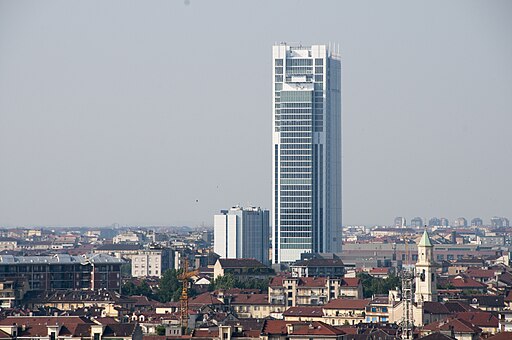
Grattacielo Intesa Sanpaolo
Grattacielo Intesa Sanpaolo: A Modern Icon of Architectural Excellence and Financial Power
Grattacielo Intesa Sanpaolo stands as a striking testament to modern design and the evolving landscape of financial architecture. Serving as a symbol of strength and innovation, this skyscraper embodies the spirit of contemporary Italy while reflecting the heritage of one of the nation’s largest banking institutions. Combining sleek lines, cutting-edge technology, and sustainable design principles, the building not only houses offices and corporate functions but also redefines the skyline of its host city. Its presence is a vivid reminder of how tradition and modernity can converge to create an inspiring landmark.
The tower’s design, conceived by visionary architects, mirrors the dynamic growth of Intesa Sanpaolo as a leading financial entity. Every element of its structure, from the façade to the internal spaces, has been thoughtfully engineered to balance functionality with aesthetic appeal. As a hub of commerce and creativity, Grattacielo Intesa Sanpaolo plays a crucial role in the urban fabric, influencing local business practices and serving as a catalyst for economic development. Its innovative design has set new benchmarks in sustainable construction, merging advanced engineering with environmental consciousness.
Beyond its technical and aesthetic attributes, Grattacielo Intesa Sanpaolo has a profound cultural and symbolic significance. It represents the modern spirit of Italy—a country with deep historical roots that embraces innovation and progress. For visitors, employees, and local residents alike, the tower is more than just a building; it is a beacon of ambition, resilience, and the transformative power of architecture. This article explores the various facets of Grattacielo Intesa Sanpaolo, from its design philosophy and engineering innovations to its cultural impact and role in shaping the urban landscape.
Architectural Design and Concept
Design Philosophy and Vision
Grattacielo Intesa Sanpaolo is a product of a visionary design philosophy that seeks to capture the essence of modernity while respecting historical context. The architects aimed to create a structure that not only meets the rigorous demands of a financial institution but also inspires those who encounter it.
Influences and Inspirations
Drawing inspiration from both Italy’s rich architectural heritage and contemporary global design trends, the tower’s design features clean lines and dynamic geometries. The interplay of light and shadow across its façade symbolizes the balance between tradition and innovation, a core value of Intesa Sanpaolo. The architects sought to create a building that is both functional and poetic, a place where modern technology meets artistic expression.
Form and Function
Every element of the tower has been designed with a dual purpose. The sleek, modern exterior is not only visually appealing but also serves practical functions such as energy efficiency and structural stability. The interior layout maximizes natural light and open space, creating an environment that fosters creativity and productivity. Large glass panels and reflective surfaces help regulate temperature while creating a sense of transparency and openness, both literally and metaphorically.
Sustainability and Modern Technology
Sustainability is a cornerstone of the Grattacielo Intesa Sanpaolo design. The building incorporates state-of-the-art energy-efficient technologies and environmentally friendly materials that reduce its carbon footprint.
Green Building Features
Innovative features such as solar panels, energy-efficient glazing, and advanced HVAC systems ensure that the building maintains a minimal environmental impact. Rainwater harvesting systems and smart lighting further contribute to its sustainability goals. These features not only reduce operational costs but also align with the broader corporate responsibility initiatives of Intesa Sanpaolo.
Integration of Smart Technologies
Modern smart technologies have been seamlessly integrated into the building’s design. From automated energy management systems to digital wayfinding and high-speed connectivity, the tower is equipped to meet the demands of a 21st-century financial institution. These systems ensure that the building remains flexible, efficient, and responsive to the needs of its occupants.
Engineering and Construction
Structural Innovations
Constructing a skyscraper of such ambition required overcoming significant engineering challenges. The tower’s design demanded a robust yet flexible structural framework that could support its unusual geometry and high-rise height.
Advanced Materials and Techniques
Engineers utilized high-strength steel and reinforced concrete to build a resilient skeleton capable of withstanding dynamic loads. The use of advanced computational models allowed for precise simulation of stress and load distribution, ensuring the building’s stability even in adverse weather conditions. The innovative construction techniques employed have set new standards for high-rise engineering in the region.
Overcoming Construction Challenges
Building Grattacielo Intesa Sanpaolo was not without its obstacles. The project had to balance the complexities of modern design with practical construction realities, ensuring that the final product met both aesthetic aspirations and safety standards.
Urban Integration
Situated in a bustling urban area, the construction process required careful planning to minimize disruption to the surrounding community. Efficient logistics, modular construction techniques, and coordinated urban planning ensured that the project was completed on time and within budget.
Technological Breakthroughs
Technological advancements played a crucial role in overcoming construction challenges. The integration of 3D modeling, Building Information Modeling (BIM), and real-time monitoring systems allowed the construction team to address issues proactively and maintain strict quality control. These breakthroughs not only streamlined the construction process but also paved the way for future architectural innovations.
Cultural and Economic Impact
Symbol of Financial Power
Grattacielo Intesa Sanpaolo is more than just an architectural marvel; it is a powerful symbol of financial strength and modernity in Italy. As the headquarters for one of the nation’s leading banks, the tower represents the convergence of traditional financial wisdom with contemporary innovation.
Economic Catalyst
The presence of such a landmark has a stimulating effect on the local economy. It attracts international business, fosters innovation, and creates opportunities for local industries. The tower’s modern infrastructure supports advanced financial operations, making it a hub for economic activity in the region.
Urban Transformation
Beyond its economic significance, the tower has redefined the urban skyline and influenced architectural trends across the city. Its bold design has inspired a new wave of modern constructions that blend seamlessly with historical structures, creating a dynamic urban landscape that honors both the past and the future.
Cultural Integration
The tower also plays a role in cultural integration. Its design, which incorporates elements of Italy’s rich architectural heritage alongside contemporary innovations, reflects the country’s ability to evolve while preserving its traditions. This cultural dialogue is evident in the building’s design and its reception by the public, serving as a reminder that progress and tradition can coexist harmoniously.
Legacy and Future Prospects
Inspiring Future Generations
Grattacielo Intesa Sanpaolo stands as a beacon for future architects and engineers. Its innovative design and construction methods have paved the way for a new generation of buildings that prioritize sustainability, technology, and aesthetic excellence. The tower’s success has inspired academic discussions, architectural research, and international collaborations, ensuring that its impact will be felt for decades to come.
Educational Influence
Universities and architectural institutions often use the tower as a case study in modern design and sustainable construction. Its unique approach to integrating advanced technologies with traditional design principles serves as an inspiration for students and professionals alike.
The Future of Urban Architecture
As cities around the world continue to evolve, Grattacielo Intesa Sanpaolo remains a landmark example of how modern urban architecture can respond to contemporary challenges. With ongoing innovations in green technology and digital infrastructure, the tower’s design is likely to influence future developments in urban planning and sustainable architecture. Its legacy serves as a testament to the power of creativity and innovation in reshaping our built environment.
Conclusion
Grattacielo Intesa Sanpaolo is not only an architectural and engineering marvel but also a symbol of modern financial power and urban transformation. Through its innovative design, sustainable technologies, and cultural significance, the tower has redefined what a skyscraper can represent in the contemporary world. It stands as a beacon of progress, inspiring future generations of architects, engineers, and urban planners. As cities continue to evolve, the legacy of Grattacielo Intesa Sanpaolo will undoubtedly continue to shape the skylines and economic landscapes of tomorrow.
.jpg)