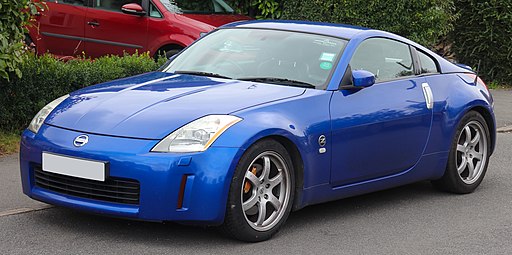
Is the Nissan 350Z a Good Used Car?
The Nissan 350Z is one of those sports cars that continues to attract attention long after its original production years. Introduced in the early 2000s as part of Nissan’s celebrated Z-car lineage, the 350Z combined a naturally aspirated V6 engine, rear-wheel drive, a relatively straightforward mechanical layout, and styling that still looks purposeful today. At a time when many modern performance cars are becoming increasingly complicated, heavier, and more dependent on electronic driving systems, the 350Z offers an appealing alternative for enthusiasts who want a more direct connection between the driver, the engine, and the road. It is compact enough to feel agile, powerful enough to deliver genuine excitement, and distinctive enough to stand out among ordinary used coupes and hatchbacks. However, buying a Nissan 350Z today requires a different approach from buying a conventional second-hand car, because age, previous owners, modifications, driving style, and maintenance history can have a much greater influence on the ownership experience than the original specifications alone.
As a used car, the Nissan 350Z can be an excellent choice for someone who values driving enjoyment above fuel economy, rear-seat practicality, and the latest technology. Its V6 engine delivers a satisfying combination of torque and a strong naturally aspirated character, while the rear-wheel-drive layout makes the car feel engaging on winding roads and responsive when driven with care. The manual gearbox, available on many versions, adds to the experience, although automatic models can also make sense for drivers who prefer relaxed cruising or spend considerable time in traffic. The 350Z is also supported by a well-established enthusiast community, which means that technical advice, replacement parts, performance upgrades, and specialist knowledge are generally easier to find than they would be for a rare or obscure sports car. Nevertheless, a low purchase price should not be mistaken for inexpensive ownership. Fuel consumption, tyres, brakes, insurance, age-related repairs, and the possibility of previous accident damage can quickly increase the total cost of keeping one on the road.
The most important principle when shopping for a used Nissan 350Z is to buy the condition of the individual car rather than the reputation of the model. A carefully maintained example with standard or professionally installed equipment can be a far better investment than a newer-looking car with poor servicing, questionable modifications, or evidence of repeated hard use. Equally, a car with higher mileage is not automatically a bad purchase if its history is well documented and the major mechanical components are healthy. Conversely, a low-mileage example that has spent years sitting unused may have deteriorated rubber components, ageing fluids, corrosion, or other problems that are not obvious during a short test drive. Understanding the different generations, common mechanical concerns, maintenance requirements, and practical compromises will help you decide whether the 350Z suits your needs and identify the right example before committing your money.
A Brief History of the Nissan 350Z
The Return of the Z-Car
The Nissan 350Z, known internally as the Z33, marked an important revival of Nissan’s Z sports-car identity when it entered production for the 2003 model year in many markets. It followed a period in which the previous generation, the 300ZX, had become increasingly complex and expensive, and it returned to a more focused formula built around a front-mounted V6 engine, rear-wheel drive, and a relatively compact two-seat body. Nissan developed the 350Z to provide a performance car that could deliver genuine driving excitement without entering the price territory of exotic sports cars. Its long bonnet, short rear deck, muscular wheel arches, and distinctive roofline gave it a strong visual identity, while the cabin placed the driver close to the centre of the experience. Rather than relying on a turbocharger or an elaborate all-wheel-drive system, the 350Z used a naturally aspirated V6 engine, a layout that appealed to enthusiasts who appreciated linear throttle response, mechanical sound, and a more traditional approach to performance.
The 350Z was sold in several body styles and trim levels depending on the market, including a fixed-roof coupe and, in many regions, a roadster with a power-operated soft top. Buyers could choose between manual and automatic transmissions, while higher-specification versions offered equipment such as a limited-slip differential, upgraded wheels, improved audio systems, and other comfort or performance features. The exact combination of equipment varied by country and model year, so it is important to verify the specification of any individual vehicle rather than assuming that all cars with the same badge are identical. Over its production life, Nissan revised the engine, gearbox, styling, suspension details, and interior equipment, giving later examples several advantages over early cars while retaining the basic character that made the model popular.
Why the 350Z Still Appeals to Enthusiasts
One reason the Nissan 350Z has remained relevant is that its essential engineering formula is easy to understand. The engine sits at the front, power is sent to the rear wheels, the chassis is designed around two occupants, and the driver has direct control over acceleration and gear selection in manual versions. This arrangement creates a different experience from that of many contemporary front-wheel-drive performance cars, which often prioritise traction and efficiency, or newer turbocharged models that deliver their power through more complicated engine and transmission management systems. The 350Z feels substantial and planted, with a relatively long bonnet and a rear-drive balance that rewards smooth steering, controlled braking, and thoughtful throttle application. It is not the lightest sports car of its era, but the V6 provides enough performance to make the weight less noticeable in everyday driving, and the car’s predictable layout gives experienced drivers plenty to enjoy.
The enthusiast following also contributes to its continued popularity. Many owners use their cars as weekend vehicles, while others build them into track-day machines, drift cars, show cars, or modified street cars. This broad aftermarket has created a large supply of suspension components, exhaust systems, intake upgrades, body parts, wheels, brake improvements, and replacement mechanical components. Such support can make ownership more convenient, but it also means that the used market contains cars that have been modified in very different ways and to very different standards. Some modifications are sensible improvements installed by experienced specialists, while others may have been fitted primarily for appearance or maximum noise without adequate consideration for reliability, handling, emissions, or legal compliance. For a buyer who wants a dependable road car, the popularity of modifications is a reason to inspect a vehicle carefully, not a reason to assume that an upgraded car is automatically better.
Engine and Performance: What Makes the Nissan 350Z Special?
The Naturally Aspirated V6 Engine
The defining mechanical feature of the Nissan 350Z is its 3.5-litre V6 petrol engine, part of Nissan’s VQ engine family. Depending on the model year and market, the car was equipped with different versions of the VQ35 engine, including the VQ35DE and the later VQ35HR in certain revised models. These engines differ in their design and output, but both preserve the central character of a naturally aspirated six-cylinder engine that delivers power without waiting for a turbocharger to build boost. The early VQ35DE generally produced around 280 horsepower in many initial European and North American specifications, although published figures vary with market, model year, and measurement standard. Later revisions raised output, and the VQ35HR used in later models delivered approximately 306 horsepower in common specifications. These figures should be treated as general reference points because some markets used different ratings, and power figures measured under different standards are not always directly comparable.
In everyday use, the V6 provides a strong and satisfying response when the accelerator is pressed, with enough low- and mid-range torque to make normal driving effortless and enough top-end power to make acceleration exciting. The engine’s naturally aspirated character means that power delivery is generally progressive rather than arriving in a sudden surge, which can make the car easier to modulate on a dry road. It also produces a distinctive six-cylinder sound, especially as engine speed rises, although the actual sound depends heavily on the exhaust system and whether the vehicle retains its original intake and exhaust components. A standard or sensibly maintained engine can be durable, but it should not be treated as indestructible simply because it belongs to a well-known engine family. Regular oil changes, suitable oil levels, proper cooling-system maintenance, and attention to unusual noises or warning lights remain essential, particularly in cars that have been driven hard or modified.
VQ35DE Versus VQ35HR
When comparing different 350Z model years, it is useful to understand the distinction between the VQ35DE and VQ35HR engines. The VQ35DE was used in early and mid-production cars and provides strong performance with a well-established maintenance history across the Nissan range. Later versions of this engine received revisions, so not every VQ35DE-equipped car has precisely the same output or components. The VQ35HR, introduced in later 350Z models in many markets, was developed to improve high-rpm performance and incorporated significant changes to the engine design. It is often associated with the later facelifted coupe, including revised engine-bay packaging and a higher-revving character. Its additional output makes it attractive to enthusiasts, but the presence of the HR engine alone does not guarantee that a car will be more reliable than an older example; servicing, previous use, cooling, oil management, and overall condition still matter far more than the engine code in isolation.
For a prospective buyer, the best choice depends on budget, intended use, and the condition of the available cars. An early DE model with a comprehensive maintenance history may offer excellent value, especially if the buyer wants a relatively straightforward sports car and is prepared to accept the age-related maintenance that comes with an older vehicle. A later HR model may be preferable for someone who wants more power and a newer overall specification, but these cars can command a premium, and a poorly maintained example can still become expensive. It is sensible to verify the engine code and production details through the vehicle identification number, registration documents, and a physical inspection rather than relying solely on a seller’s description. This is particularly important when the car has been modified, rebuilt, or imported, because engine swaps and non-original components can make the specification less obvious.
Acceleration, Handling, and Driving Experience
The Nissan 350Z is quick enough to feel like a genuine performance car without being so powerful that its capabilities are inaccessible during ordinary road driving. Depending on the engine, transmission, tyres, conditions, and measurement method, acceleration from 0 to 100 km/h is generally in the region of five to six seconds for many manual versions, with some later and better-performing variants falling toward the quicker end of that range. The car’s performance is accompanied by a firm, planted feel that suits smooth roads and enthusiastic driving, although rough surfaces can expose the limitations of its age and suspension setup. Steering response, grip, and body control depend heavily on tyre condition, wheel alignment, suspension wear, and whether the car retains its original geometry. A worn example may feel vague or unsettled even if the engine runs well, so a test drive should include a variety of road surfaces and speeds where legal and safe.
The rear-wheel-drive layout is central to the 350Z’s personality, but it also demands respect. On dry roads with good tyres, the car can deliver strong traction and predictable cornering behaviour, particularly when the driver applies power progressively. In wet, cold, or slippery conditions, however, the rear tyres can lose grip more readily if the throttle is applied aggressively or the car is unsettled mid-corner. The vehicle’s electronic stability and traction-control equipment varies with specification, and the presence of these systems should not be used as an excuse to drive beyond the available grip. For a first-time rear-wheel-drive owner, a well-maintained, standard car with quality tyres is a much better starting point than a modified vehicle with aggressive suspension, a differential change, or excessive engine output. The 350Z is enjoyable because it responds to the driver, but that quality is most rewarding when the driver respects its physical limits.
Reliability: Is a Used Nissan 350Z Dependable?
Overall Reliability and Age-Related Problems
The Nissan 350Z has a reputation for robust basic engineering, but the reliability of an individual used example depends on far more than the design of its engine. These cars are now old enough that rubber seals, hoses, suspension bushes, electrical connections, and cooling-system components may be deteriorating even when mileage is relatively low. Many examples have also passed through several owners, and some have experienced extensive modifications, hard launches, track use, drifting, or other forms of enthusiastic driving. None of these factors automatically disqualifies a car, but they make maintenance records and a thorough pre-purchase inspection particularly valuable. A vehicle with consistent servicing, sensible modifications, good-quality replacement parts, and evidence of repairs completed promptly can remain an enjoyable and dependable car. A vehicle with neglected fluids, mismatched tyres, warning lights, unexplained engine noises, or a seller who cannot explain its history should be approached much more cautiously.
Reliability should also be separated from running cost. A car can be mechanically reliable yet expensive to operate because it uses premium fuel, consumes tyres and brake components more quickly than an ordinary hatchback, and requires specialist labour for certain jobs. Conversely, a cheap example may appear economical at first but need substantial immediate investment in brakes, tyres, suspension, clutch components, or corrosion repairs. The most sensible financial approach is to budget for maintenance based on the car’s age and condition rather than assuming that the purchase price represents the total cost of ownership. Before buying, it is wise to have a specialist familiar with Nissan’s Z models inspect the engine, gearbox, differential, suspension, brakes, bodywork, and diagnostic data. The cost of a professional inspection is usually modest compared with the expense of discovering a serious mechanical or structural problem after the sale.
Oil Consumption and Engine Health
Oil consumption is one of the issues that deserves particular attention when assessing a used Nissan 350Z, although the severity varies between individual engines and generations. Some VQ35-equipped cars, particularly certain later DE variants, have developed a reputation for higher-than-expected oil consumption. The fact that an engine uses some oil does not automatically mean that it is failing, but excessive consumption can become dangerous if the owner does not check the level regularly. A car that has been driven hard with insufficient oil may suffer internal wear, and a warning light should never be treated as a substitute for checking the dipstick or following the correct oil-level inspection procedure. Ask the seller how frequently the oil has needed topping up, whether consumption has changed over time, and whether any engine work has been performed. A vague answer is not proof of a defect, but it is a reason to investigate further.
During the inspection, look for signs of oil leaks around the engine, check the visible condition of the oil, and pay attention to exhaust smoke, unusual mechanical noises, and warning lights. A brief test drive cannot establish the engine’s long-term oil consumption, so service invoices, previous inspection reports, and a discussion with the owner can provide useful context. If there are strong concerns, a specialist may recommend further diagnostic checks, which could include compression or leak-down testing where appropriate. It is also important to distinguish between a minor external leak and internal oil consumption, because the causes and repair costs can be very different. Even a healthy engine should be checked regularly after purchase, especially before long trips or spirited driving. Maintaining the correct oil level is one of the simplest and most important habits for protecting a used 350Z.
Cooling System and Overheating
The cooling system should be examined carefully because overheating can turn a relatively small maintenance issue into an expensive engine repair. Ageing hoses, radiator deterioration, leaking connections, a weak pressure cap, thermostat problems, or a malfunctioning cooling fan can all affect temperature control. The engine should warm up normally, maintain a stable operating temperature, and show no signs of coolant leakage or persistent overheating. Inspect the radiator and accessible hoses for damage, swelling, corrosion, or evidence of dried coolant residue, and check whether the coolant appears to have been maintained appropriately. A seller who has recently replaced cooling components should ideally be able to provide an invoice showing what was changed and why. Fresh coolant alone does not prove that the system is healthy, especially if there is a history of unexplained coolant loss or overheating.
During a test drive, watch the temperature gauge and pay attention to whether the engine behaves consistently in traffic and at normal road speeds. If the car overheats, produces persistent steam, loses coolant, or shows signs of contamination between oil and coolant, stop the inspection and arrange a professional diagnosis rather than continuing to drive it. Previous overheating is particularly concerning because damage may not be immediately obvious. Cooling-system repairs can be manageable when the problem is identified early, but damage to internal engine components can make the car uneconomical to repair. For a used sports car that may occasionally be driven enthusiastically, a properly functioning cooling system is essential rather than optional preventative maintenance.
Clutch, Gearbox, and Differential
The manual gearbox is an important part of the 350Z’s appeal, but its condition should be checked rather than assumed to be good simply because the transmission feels sporty. During a test drive, gear changes should be reasonably consistent, without persistent grinding, unexpected resistance, or noises that change noticeably under load. Some gearboxes can feel less smooth when cold, but significant difficulty selecting gears or repeated grinding warrants further investigation. The clutch should engage predictably, and the engine speed should not rise disproportionately without a corresponding increase in road speed under acceleration, as that may indicate clutch slip. A clutch replacement can be a significant expense once labour and associated parts are included, so evidence of recent work can be valuable when comparing otherwise similar cars. The condition of the clutch hydraulic system and the presence of leaks should also be checked.
The differential and driveline deserve attention as well, particularly on cars that have experienced hard launches, drifting, or repeated track use. Listen for clunks when taking up drive, unusual whining from the rear of the car, vibration during acceleration, or noises that change when the throttle is lifted. A limited-slip differential may have been fitted from the factory on certain specifications, but the equipment varies by market and trim, so confirm the actual configuration rather than relying on badges or seller claims. Modified differentials and altered driveline components can change how the car behaves and may require different servicing. A specialist inspection can help distinguish normal mechanical sounds from symptoms of worn bearings, damaged mounts, or neglected differential oil. If the car has a history of motorsport or drifting, ask for a clear account of the work performed and inspect the rear suspension and driveline particularly carefully.
Suspension, Steering, Brakes, and Tyres
The suspension system is another area where age and driving style can have a significant effect. Worn dampers, tired bushes, damaged ball joints, wheel-bearing problems, and deteriorated mounts can all affect ride quality and handling. On a test drive, the car should track straight, respond consistently to steering inputs, and avoid excessive knocking over bumps. It should not feel unstable during normal braking or require constant steering corrections on a reasonably level road. Some 350Z models have a firm ride by design, so stiffness alone does not indicate a problem; the important distinction is between a controlled sports-car suspension and a car that feels loose, noisy, or unpredictable. Aftermarket coilovers, lowering springs, or non-standard wheel sizes may improve a carefully prepared car, but poorly chosen components and incorrect alignment can make it less comfortable and less safe.
Brakes and tyres are especially important because they directly affect safety and can be expensive to renew on a performance car. Check the discs for deep scoring, severe corrosion, or signs of overheating, and inspect the pads for remaining material and even wear. The pedal should feel firm and consistent, and the car should brake straight without unusual vibration. Tyres should be of a suitable specification, with adequate tread depth and no cracking, bulges, or suspiciously uneven wear. Uneven tyre wear may point to incorrect alignment, worn suspension components, or a previous accident, although it is not conclusive by itself. Pay attention to whether all four tyres are compatible in type and condition, especially if the vehicle uses different wheel widths at the front and rear. Buying a car that immediately needs a complete set of quality tyres, brake discs, pads, and suspension repairs can substantially increase the initial cost, so these items should be included in the purchase decision.
Bodywork, Rust, and Interior Condition
Checking for Corrosion and Accident Damage
Bodywork condition is particularly important when buying a Nissan 350Z because a car can look attractive in photographs while concealing previous accident damage or corrosion underneath. Inspect the paintwork in natural light and look for differences in colour, texture, panel gaps, overspray, and uneven reflections that might suggest repairs. Check the front and rear bumpers, bonnet, doors, wings, and rear quarter panels for evidence of damage, while remembering that cosmetic repairs are not necessarily a problem if they were completed properly. More serious concerns include poorly repaired structural areas, distorted mounting points, evidence of substantial corrosion, or signs that the vehicle has been rebuilt without adequate documentation. If the car has been involved in a collision, ask for details and invoices, and consider having the repair quality assessed by an independent specialist. A vehicle history check can provide additional information about recorded accidents, outstanding finance, theft records, or registration discrepancies where such databases are available, but it cannot guarantee that a car has never been damaged.
The underside deserves particular attention, especially in countries where winter road salt is common. Examine accessible chassis and suspension mounting areas, brake and fuel lines, subframes, and the underside of the body for corrosion, damage, or poor-quality repairs. Surface rust on certain replaceable components may be manageable, while corrosion affecting structural areas can be much more serious and costly. A car imported from a warmer climate may have less corrosion than one that has spent many winters on salted roads, but the country of origin alone is not enough to determine its condition. Look for signs of fresh underseal that could conceal repairs or corrosion, and ask why it was applied and whether photographs or inspection records are available from before the treatment. If the underside cannot be examined properly during a viewing, arranging a lift inspection at a workshop is a sensible precaution.
Interior Wear and Equipment
The Nissan 350Z has a driver-focused cabin, but its interior materials and equipment show their age compared with those of newer vehicles. Depending on the trim and market, the car may have leather upholstery, cloth seats, a basic audio system, climate control, and various convenience features. Over time, seat bolsters can wear, leather can crack, trim surfaces can become scratched, and electrical switches may become unreliable. Inspect the driver’s seat carefully because its condition often provides clues about how the car has been used, although seat wear is not a precise measure of mileage. Check the steering wheel, pedals, gear knob, door trims, headlining, boot area, and carpets for wear or dampness. Water ingress should be investigated, particularly if there are wet carpets, musty smells, or signs of staining around the roof and windows.
Test all the electrical and comfort equipment rather than assuming that minor features will be inexpensive to repair. Check the air conditioning, heater, windows, mirrors, central locking, dashboard displays, audio system, interior lights, and all warning indicators. Make sure that warning lights illuminate as expected when the ignition is switched on and then go out appropriately after the engine starts. A dashboard with warning lights that have been disabled or unexplained electrical modifications should raise questions. Check whether both keys are present, whether the vehicle’s security system functions properly, and whether the documentation matches the car. Interior defects may not be as serious as engine or structural problems, but several small faults can become frustrating and expensive when added together, particularly if replacement trim is difficult to find in the required colour or condition.
Special Considerations for the Roadster
The Nissan 350Z Roadster provides open-top driving and a different ownership experience from the fixed-roof coupe, but the convertible roof introduces extra components that need to be checked. Operate the roof fully if the seller permits it, watching for hesitation, uneven movement, unusual noises, or signs that the mechanism has been neglected. Inspect the fabric for tears, worn seams, deterioration, and evidence of previous repairs, and check the rear window for clouding or damage where applicable. The roof should close securely, and the cabin should remain dry during normal weather. Water leaks can lead to unpleasant smells, damaged carpets, electrical problems, and corrosion if they are allowed to continue. Roof mechanisms and weather seals may also require specialist attention, so a cheap Roadster with a faulty roof is not necessarily a bargain.
The Roadster’s additional weight and body structure can change the driving experience compared with the coupe, and buyers should consider how frequently they will genuinely use the open roof. For some owners, the ability to enjoy warm-weather drives makes the compromise worthwhile, while others may prefer the coupe’s fixed roof, styling, and more focused feel. The convertible’s condition is especially important if the car has spent much of its life outdoors, as exposure to sunlight, rain, and temperature changes can accelerate deterioration. A well-maintained Roadster can be a very enjoyable used sports car, but roof operation, weather sealing, drainage, and interior dryness should all be part of the pre-purchase inspection rather than afterthoughts.
Manual or Automatic: Which Nissan 350Z Should You Buy?
The Manual Transmission
For many enthusiasts, a manual Nissan 350Z is the most appealing configuration because it makes the driver an active part of the car’s performance. Selecting gears manually, controlling engine speed, and coordinating the clutch and throttle can make ordinary journeys more engaging, while the naturally aspirated V6 rewards drivers who enjoy using the available rev range. Manual cars are often the first choice for buyers interested in occasional track days or spirited weekend driving, although suitability depends on the condition of the individual car rather than the gearbox alone. Before buying, check for clutch slip, inconsistent engagement, difficulty selecting gears, unusual transmission noises, and evidence of clutch or gearbox repairs. A short test drive should include both gentle driving and normal acceleration through the gears, without subjecting the car to abusive tests that could cause damage.
The manual transmission is not automatically the better option for every buyer. Drivers who spend most of their time in congested urban traffic may find a manual clutch tiring, and the car’s fuel consumption will still be relatively high regardless of the transmission. Some manual examples have also been driven harder because their owners specifically wanted the most involving version, so the gearbox type does not guarantee a more desirable history. A smooth, well-maintained automatic may be a better purchase than a neglected manual with an expensive clutch or transmission problem. As always, the vehicle’s records, mechanical condition, and suitability for your intended use should take priority over enthusiast preferences.
The Automatic Transmission
Automatic versions of the Nissan 350Z are worth considering for drivers who want the performance and character of the V6 without operating a clutch in traffic. The automatic gearbox can make the car more relaxing during commuting and everyday driving, and it may suit owners who prefer to concentrate on steering and road conditions rather than gear changes. The trade-off is that the driving experience is generally less involving than that of the manual, and performance, fuel economy, and the availability of specific configurations can differ by model year and market. During an inspection, check that the transmission engages drive and reverse without excessive delay, shifts consistently, and does not exhibit slipping, harsh engagement, or unexplained warning lights. The service history should show appropriate maintenance, and any signs of overheating or neglected fluid servicing should be investigated by a qualified workshop.
The best transmission is ultimately the one that suits your daily routine and the car you can find in the best condition. Buyers who want the most traditional sports-car experience will usually favour the manual, while those who value convenience may be happier with the automatic. It is worth driving both versions if possible, because the difference in character can be more significant than the specification sheet suggests. Whichever transmission you choose, avoid buying on the assumption that a gearbox problem will be cheap to resolve. Transmission repairs can be costly, and a pre-purchase inspection is particularly important if there are unusual noises, inconsistent shifts, or incomplete maintenance records.
Running Costs: How Much Does a Nissan 350Z Cost to Own?
Fuel Consumption
Fuel consumption is one of the clearest compromises involved in owning a Nissan 350Z. Its 3.5-litre V6 was designed to deliver performance rather than maximise efficiency, so it generally uses more petrol than a modern compact car or a small turbocharged hatchback. Real-world consumption varies according to engine version, transmission, traffic, tyre choice, road conditions, and driving style, but many owners should be prepared for consumption in the region of 11–14 litres per 100 kilometres in mixed use, with higher figures possible in heavy urban traffic or during enthusiastic driving. Steady motorway journeys can be more economical, although the car will still use a meaningful amount of fuel compared with an ordinary daily driver. Published fuel-economy figures should be treated as a guide rather than a promise, because an older car’s condition and modifications can significantly affect actual results.
The most useful way to estimate fuel costs is to calculate them using your own annual mileage and the current petrol price in your area. A car that covers only a few thousand kilometres each year may have a manageable fuel bill, whereas a 350Z used for a long daily commute can become expensive. Driving smoothly, maintaining correct tyre pressures, keeping the engine in good condition, and avoiding unnecessary short trips can help reduce consumption, but no maintenance trick will transform the 350Z into an economical commuter car. If fuel cost is a major concern, it is worth comparing the likely annual expense with that of a smaller vehicle before buying. The 350Z makes the most sense when the owner values its engine and driving experience enough to accept the financial trade-off.
Maintenance, Repairs, and Replacement Parts
Routine maintenance on a used 350Z should include regular engine-oil and filter changes, inspection of the cooling system, brake servicing, tyre checks, and appropriate gearbox and differential maintenance according to the vehicle’s specification and service requirements. Spark plugs, belts, fluids, filters, brake components, and other wear items will need attention over time, while older cars may also require replacement of hoses, seals, suspension bushes, wheel bearings, or engine mounts. The availability of aftermarket and used parts can help keep some repairs manageable, but the cheapest component is not always the best value, particularly for suspension, braking, cooling, and engine systems. Labour costs vary significantly between independent garages, general repair shops, and specialists, so it is worth identifying a competent workshop before purchasing the car. A detailed maintenance history can also help distinguish between routine wear and evidence of recurring problems.
The financial risk is usually greatest when a buyer spends nearly the entire budget on the car itself and leaves no reserve for immediate work. Even an apparently good example may need fresh tyres, a battery, a brake overhaul, fluid changes, or age-related repairs shortly after purchase. A modified car may require additional spending to return it to a reliable road-going specification, especially if the previous owner has removed original equipment or used non-standard parts. Before agreeing on a price, list all visible defects and obtain realistic repair estimates rather than assuming that everything can be fixed cheaply later. A reserve fund is particularly important for an older performance car because one major mechanical repair can cost more than several months of ordinary running expenses.
Tyres, Brakes, Insurance, and Tax
Tyres are a particularly important ownership expense because the 350Z’s performance, rear-wheel-drive layout, and commonly used wheel sizes make quality rubber essential. Some specifications use different tyre sizes at the front and rear, so replacement costs may be higher than those of a small family car. Cheap tyres can reduce wet-weather grip and undermine the handling that makes the 350Z enjoyable, so it is generally better to prioritise reputable tyres with suitable performance and safety characteristics. Brakes can also cost more than those on an ordinary hatchback, particularly if the vehicle has larger performance brakes or non-standard components. The actual expense depends on the fitted specification, brand of parts, labour rates, and whether discs, pads, callipers, or other components require replacement.
Insurance and vehicle taxes vary considerably by country, driver age, location, claims history, engine size, emissions classification, and the exact model being insured. In some regions, the 350Z’s performance and engine capacity can make insurance relatively expensive, while annual vehicle tax or registration charges may also be significant. Modified vehicles can be more difficult or costly to insure, and undisclosed modifications may invalidate cover or create problems if a claim occurs. Before buying, obtain an insurance quotation using the exact vehicle details and check the applicable tax, inspection, and emissions rules for your country. Imported examples may have additional documentation or registration requirements. These costs should be calculated in advance rather than discovered after the purchase, particularly if the car is intended to be a regular daily driver.
What to Look for When Buying a Used Nissan 350Z
Choose the Right Example, Not Just the Cheapest One
The first step in finding a good used Nissan 350Z is to decide what type of car you actually want. A mostly standard coupe with a complete service history is usually the safest starting point for an owner who wants dependable road use, while a Roadster may be more attractive to someone who values open-air driving. A later engine version may offer additional performance, but it should not automatically outrank an earlier car that has been maintained exceptionally well. Consider whether you need an automatic or manual transmission, how many kilometres you expect to drive each year, whether you have access to a specialist workshop, and how much money you can set aside for repairs. Establishing these priorities before browsing listings helps prevent an attractive paint colour, expensive wheels, or an aggressive body kit from distracting you from the mechanical condition of the car.
Be cautious with advertisements that emphasise horsepower claims, visual modifications, or drifting potential while providing little information about servicing and ownership history. Ask for the vehicle identification number, service records, inspection documents, invoices for major repairs, and details of any modifications before travelling to view the car. Compare the mileage with available records and check whether the specification matches the registration documents. If the car has been imported, confirm that its identity, registration status, and equipment comply with local requirements. A seller who is transparent about repairs and known defects is generally easier to deal with than one who dismisses every concern as normal for the model. No single answer proves that a car is good or bad, but the overall quality of the documentation often reveals how carefully the vehicle has been managed.
Inspect the Car in Person
A proper inspection should begin with the vehicle parked on level ground, ideally with the engine cold. Check the bodywork, panel alignment, tyres, lights, visible engine components, fluid levels, and accessible areas of the underside. Ask the seller not to warm up the engine before your arrival, because a cold start can reveal noises or behaviours that may be less obvious after the engine has warmed. When starting the car, observe how quickly it settles into a stable idle, whether warning lights behave normally, and whether there are unusual knocking, rattling, or squealing sounds. Look for smoke from the exhaust and any signs of leaks beneath the vehicle. A healthy engine should not need the buyer to ignore persistent warning signs, and it is better to walk away from an uncertain car than to rely on an optimistic explanation for a potentially serious problem.
The test drive should cover a range of normal conditions, including low-speed manoeuvring, acceleration through the gears, steady cruising, and braking at appropriate speeds where traffic and road conditions allow. Listen for drivetrain noises, suspension knocks, wheel-bearing hum, and vibrations that change with speed or throttle position. Check that the steering returns naturally, the vehicle tracks reasonably straight, and the brakes work consistently. Avoid testing the car’s limits on public roads; there is no need to provoke oversteer or carry out aggressive manoeuvres to establish whether the vehicle is suitable. After the drive, inspect for fresh leaks and check whether the engine temperature remained stable. If the seller refuses a reasonable test drive or independent inspection, consider that a serious reason to look elsewhere.
Arrange a Pre-Purchase Inspection
An independent pre-purchase inspection is one of the best ways to reduce the risk of buying an expensive problem. Ideally, the inspection should be carried out by a workshop familiar with Nissan’s VQ engines and Z-car drivetrains, because a specialist may recognise model-specific symptoms that a general inspection could miss. Ask the workshop to check the engine, transmission, clutch, differential, suspension, brakes, tyres, cooling system, electrical equipment, corrosion, accident repairs, and any non-standard components. A diagnostic scan may reveal stored faults, although the absence of fault codes does not prove that every system is healthy. Depending on the symptoms and the mechanic’s assessment, further testing may be appropriate, especially if there are concerns about oil consumption, engine condition, overheating, or gearbox operation.
The report should distinguish between routine maintenance, repairs that will soon be necessary, and serious faults that could make the car unsafe or uneconomical. Use the findings to negotiate a fair price, arrange repairs before purchase where possible, or reject the vehicle if the risks are too high. If the seller is unwilling to allow an inspection, that does not conclusively prove dishonesty, but it removes an important layer of protection for the buyer. Even when purchasing from a dealer, it is worth checking the car independently and reading the warranty terms carefully, including any exclusions for wear, modifications, or particular mechanical components. A small investment in inspection can provide useful negotiating leverage and prevent a much larger expense after the sale.
Common Modifications: Should You Buy a Modified Nissan 350Z?
Exhausts, Intakes, and Engine Tuning
Many Nissan 350Z owners modify their cars to improve sound, appearance, or performance. Common changes include aftermarket exhaust systems, intake components, engine-management tuning, upgraded cooling parts, and suspension modifications. Some upgrades can be worthwhile when they are correctly selected and installed, but claims about substantial power gains should be treated cautiously. A naturally aspirated engine generally requires a carefully considered combination of changes to achieve meaningful increases in output, and an exhaust that is louder does not necessarily produce more power. Poorly fitted intake systems may draw hot air from the engine bay, while unsuitable tuning can affect drivability, emissions compliance, or engine longevity. Ask for invoices, the names of the components, details of the installer, and evidence that the car was checked or tuned appropriately after the modifications were completed.
The legality of modifications also matters. Exhaust noise limits, emissions rules, inspection requirements, and insurance disclosure obligations differ by country, so a car that is legal in one jurisdiction may not be compliant in another. If the vehicle has a non-standard exhaust, catalytic-converter changes, engine modifications, or an altered emissions system, verify that it can pass the inspections required where you live. Restoring the car to standard specification can be expensive if original parts are missing or difficult to obtain. For a buyer who wants a reliable daily driver, a largely standard engine is usually easier to evaluate and maintain than one with undocumented tuning. If you specifically want a modified car, look for evidence of professional workmanship and a coherent overall setup rather than a long list of upgrades.
Suspension, Wheels, and Body Kits
Suspension modifications can change the 350Z’s appearance and handling, but their quality and suitability vary widely. High-quality dampers or coilovers, correctly selected springs, fresh bushes, and a proper wheel alignment may improve the car when matched to the intended use. On the other hand, excessively low ride height, poorly adjusted suspension, cheap components, or unsuitable wheel and tyre combinations can reduce comfort, damage the underside, and create unpredictable handling. Inspect the tyres for rubbing, check the wheel arches and underbody for contact damage, and ask whether the alignment was measured after the suspension was changed. A car that has been lowered significantly may also be more vulnerable to damaged bumpers, exhaust sections, and suspension components on uneven roads.
Body kits, aftermarket wheels, spoilers, and cosmetic changes are largely matters of personal preference, but they can hide underlying damage or make future repairs more difficult. Check that body panels are securely mounted, the paintwork is consistent, and the modifications do not interfere with lighting, visibility, or road legality. Wheels should be free of serious bends and cracks, and their size and offset should be appropriate for the vehicle. If the car has been used for drifting or track events, look for evidence of heavy use in the tyres, suspension, differential, clutch, and bodywork, and ask for details of any structural or mechanical repairs. A modified 350Z can be an excellent enthusiast purchase, but the buyer needs enough knowledge to assess the quality of the build and enough budget to correct any weaknesses.
Standard Cars Versus Modified Cars
For most buyers who are new to the Nissan 350Z, a standard or lightly modified example is the most sensible option. Original cars are often easier to inspect because their engine, suspension, brakes, and exhaust can be compared more directly with the manufacturer’s intended specification. They may also be easier to insure and maintain, although this depends on the vehicle’s age, condition, and local market. Standard specification does not guarantee gentle use, and a car can be abused without any visible modifications, so a complete history remains essential. Nevertheless, the absence of extensive undocumented changes removes several potential sources of uncertainty and makes it easier to identify which repairs are genuinely necessary.
A modified car can still be a good choice if the work has been completed to a high standard and aligns with your intended use. For example, a car with quality tyres, fresh suspension components, a well-maintained braking system, and documented cooling-system improvements may be better prepared for enthusiastic road driving than a neglected standard example. The important distinction is between thoughtful modifications that address a clear purpose and changes that create additional stress or complexity without adequate supporting maintenance. Consider the cost of reversing unwanted modifications before agreeing on a price, and do not pay a premium for upgrades unless you are confident that they add real value. The best used 350Z is the one that is mechanically healthy, legally compliant, and suited to your needs, regardless of whether it is completely original.
Is the Nissan 350Z Practical for Everyday Driving?
Comfort and Interior Space
The Nissan 350Z is a two-seat sports coupe, so its practicality is limited by design. There is no conventional rear seat, which means it cannot serve as a family car for transporting several passengers, and the long bonnet and relatively low seating position may take some adjustment for drivers accustomed to modern hatchbacks or crossovers. The cabin is focused on the driver and front passenger, with controls arranged around the driving position and a layout that prioritises function over contemporary infotainment features. Depending on the model year and trim, equipment such as navigation, Bluetooth connectivity, and modern smartphone integration may be absent or outdated, so buyers who rely on these features should check what is installed and whether upgrades can be made cleanly. Seat comfort varies by individual preference, and it is worth spending enough time in the car to determine whether the driving position, steering wheel adjustment, visibility, and pedal layout suit you.
Ride comfort is another compromise. The suspension is tuned for a sports-car feel rather than the soft, isolated ride of a luxury saloon, and large wheels or aftermarket suspension can make rough roads less comfortable. Road and tyre noise can also be noticeable, particularly in older examples with worn tyres, deteriorated seals, or non-standard exhaust systems. On smooth roads, however, the 350Z can be comfortable enough for longer journeys, and the supportive seating and strong engine make motorway driving relatively effortless. Whether it works as a daily driver depends on your expectations, the quality of the individual car, and the condition of the roads you use. Someone who values performance and does not need rear seats may find the compromises perfectly reasonable, while a driver who prioritises quietness, fuel economy, and flexibility will probably be happier with a different type of vehicle.
Boot Space and Storage
Although the 350Z has only two seats, it offers useful luggage space for a sports car, with a rear cargo area behind the seats rather than a separate passenger compartment. The shape and usable capacity depend on the body style, trim, and the way luggage is arranged, but it is generally suitable for everyday bags, shopping, and luggage for a weekend trip. Large or bulky objects may be difficult to accommodate because the cargo opening and overall layout are less flexible than those of a hatchback or estate car. Buyers who intend to use the vehicle for travel should check the actual boot dimensions and whether their usual bags fit comfortably. Storage inside the cabin is limited, so small personal items may require more planning than they would in a larger everyday car.
For a couple or a single driver, the luggage capacity may be entirely adequate, particularly if the car is used mainly for leisure and weekend trips. For people who regularly transport sports equipment, work tools, pets, or bulky shopping, the lack of flexible space can become frustrating. The Roadster’s storage arrangements may differ from those of the coupe, especially when the roof is folded, so check the precise model before assuming that the two body styles offer identical practicality. A 350Z should be bought with a clear understanding of its two-seat layout rather than with the expectation that it can perform every role of a conventional family car.
Winter Driving and Poor Weather
The Nissan 350Z can be driven in winter, but it requires suitable tyres, careful throttle control, and a willingness to adapt to road conditions. Rear-wheel drive is not inherently unsafe in poor weather, but a powerful engine, performance-oriented chassis, and low-clearance bodywork can make the car less forgiving on snow, ice, and rough winter roads than a vehicle designed primarily for year-round practicality. Quality winter tyres, where appropriate for the climate, can make a significant difference, while worn summer tyres can lose grip rapidly in cold and wet conditions. The car should be driven smoothly, with gentle acceleration and generous following distances, and the driver should avoid abrupt steering or braking inputs on slippery surfaces. Electronic stability systems can help in some situations, but they cannot overcome the limits of available grip.
Corrosion prevention and regular cleaning are particularly important if the car is used on salted roads. Washing the underside when conditions allow, inspecting exposed components, and repairing damaged paint or protective coatings can help reduce deterioration over time. Some owners prefer to keep their 350Z off the road during the harshest winter months, especially if the car is an enthusiast vehicle that they want to preserve. Others use theirs throughout the year with appropriate tyres and maintenance. The right choice depends on local climate, parking arrangements, and the value placed on keeping the vehicle in excellent condition. If winter usability is essential, make sure that the car has suitable tyres and that its heating, demisting, battery, and charging systems work properly before relying on it in cold weather.
Nissan 350Z Versus Other Used Sports Cars
Nissan 350Z Versus Mazda MX-5
The Mazda MX-5 is a natural comparison for buyers considering an affordable used sports car, but the two vehicles deliver different experiences. The MX-5 generally prioritises low weight, agility, and a compact feel, whereas the Nissan 350Z offers a larger engine, greater straight-line performance, and a more substantial driving character. The Mazda’s smaller engine can make it cheaper to fuel and potentially less expensive to run, depending on the generation and condition, while the 350Z’s V6 provides more power and a distinctive sound. Both are rear-wheel drive and reward smooth driving, but the MX-5’s lighter structure and smaller dimensions make it feel different on narrow roads and in tight urban environments. The choice depends on whether the buyer values nimbleness and lower running costs or stronger performance and the appeal of a larger naturally aspirated engine.
Ownership costs also depend on the individual car. An MX-5 can suffer serious corrosion in certain generations, while a 350Z may require more fuel and performance-oriented consumables. Neither model should be purchased solely on reputation, and both deserve careful checks of bodywork, mechanical condition, service history, and previous modifications. For someone who wants a relatively affordable weekend car for winding roads, either can be rewarding. The 350Z is usually the more suitable option for a buyer who wants stronger acceleration and a more muscular coupe, while the MX-5 may be preferable for someone who values lightness, compact dimensions, and the availability of an open-top experience.
Nissan 350Z Versus BMW Z4
The BMW Z4 offers another alternative, particularly for buyers who want a two-seat sports car with a premium interior and a choice of engine and body configurations depending on the generation. Compared with the 350Z, the Z4 can offer a different balance of steering feel, ride quality, cabin finish, and engine character, but its ownership costs depend heavily on the specific model and engine. Some Z4 variants may be more economical or more refined, while others can be just as demanding to maintain as the Nissan. A used BMW should be inspected for model-specific engine, cooling, electrical, suspension, and transmission issues, just as a 350Z needs attention to its own common concerns. The badge alone does not make one car more dependable or more affordable than the other.
The Nissan’s appeal lies in its relatively straightforward performance formula and extensive enthusiast aftermarket, while the BMW may attract buyers who prefer its styling, cabin design, or available equipment. Insurance, servicing, parts prices, and local specialist support can all influence the final decision. Test-driving both vehicles is worthwhile because their personalities differ more than a comparison of horsepower and acceleration figures might suggest. The best purchase is the one that meets your practical requirements and has the strongest maintenance history, rather than the one that appears most impressive in an online specification comparison.
Nissan 350Z Versus Hyundai Coupe and Other Affordable Coupes
A buyer searching for a used sports coupe may also consider models such as the Hyundai Coupe, Toyota Celica, or other front-wheel-drive and rear-wheel-drive performance-oriented cars from the same broad era. These alternatives can be less powerful and sometimes more economical to maintain, making them attractive to drivers who primarily want distinctive styling rather than the performance of a V6. The Nissan 350Z is a more focused performance car in many respects, with substantially stronger engine output and a rear-wheel-drive layout, but those advantages bring higher fuel use, potentially higher insurance, and more expensive tyres. A less powerful coupe may be a better fit for someone who wants a stylish daily driver and does not intend to exploit the 350Z’s performance.
When comparing these vehicles, it is important to consider total ownership cost rather than purchase price alone. A cheaper car that needs extensive rust repairs or hard-to-find parts may not ultimately be less expensive, while a well-maintained 350Z could provide years of enjoyment with predictable servicing. The same rule applies to every used car: age, maintenance, previous use, and structural condition are often more important than the reputation attached to the model. The 350Z is best understood as a performance-oriented purchase, not simply a cheap way to obtain a two-door body style.
Which Nissan 350Z Model Year Is Best to Buy?
Early Models: Value for Money
Early Nissan 350Z models can be attractive because they often have lower asking prices than later versions, allowing buyers to enter the ownership experience without paying a premium for newer engine revisions or updated styling. They provide the core elements that make the model appealing: a naturally aspirated V6, rear-wheel drive, two-seat layout, and a substantial performance-car feel. For buyers who prioritise value, a well-maintained early car may be a better choice than a later example with poor servicing or extensive modifications. However, early cars are older, so corrosion, rubber deterioration, suspension wear, interior damage, and incomplete maintenance records deserve particular attention. A lower purchase price is only an advantage if the vehicle does not immediately require extensive repairs.
When assessing an early model, focus on engine condition, oil consumption, cooling-system health, clutch and gearbox operation, bodywork, and evidence of previous accidents. Ask whether major maintenance items have been completed and whether the car has been used year-round or stored for long periods. A well-documented older vehicle can provide excellent value, but an undocumented one may require a larger financial reserve. It is also sensible to compare the price of an early car with that of a slightly newer example once likely repair costs have been included. The cheapest listing is rarely the best value if it needs thousands of euros in immediate work.
Later Models: Refinements and Additional Performance
Later Nissan 350Z models benefit from revisions made during the production run, and certain versions offer the higher-output VQ35HR engine, updated styling, and improvements to equipment or mechanical details. Buyers seeking the most powerful factory-standard version will often focus on later cars, although exact specifications vary by market and model year. These vehicles may also appeal to people who prefer the updated front-end design or want a car that feels a little more modern while retaining the original 350Z character. The main disadvantage is that desirable later examples may command higher prices, and their reputation for improved performance can attract a premium that is not always justified by condition.
A later car still needs the same careful inspection as an early example. Check the service history, engine condition, gearbox, differential, suspension, brakes, corrosion, and modifications, and verify the exact engine and trim through reliable documentation. Do not assume that a later production date means every age-related issue has been eliminated. A neglected later car may be a worse purchase than a carefully maintained earlier one, especially if the seller expects a substantial premium simply because of the model year. The best strategy is to compare individual cars on condition, documentation, specification, and total expected cost rather than relying on a simple early-versus-late rule.
Coupe or Roadster?
The coupe and Roadster share the same broad mechanical identity, but their intended use and ownership considerations differ. The coupe is often the more natural choice for buyers who want the classic 350Z silhouette, a fixed roof, and a more focused sports-car appearance. It may also be preferable for owners who drive throughout the year and want to avoid the maintenance demands associated with a convertible roof. The Roadster offers a more open driving experience and can be particularly appealing for summer touring, but roof condition, sealing, drainage, and mechanism operation add extra inspection points. Neither body style is universally better, and the right choice depends on how the car will actually be used.
Before purchasing a Roadster, make sure that the roof opens and closes properly, the cabin is dry, and there is no evidence of repeated water ingress. For a coupe, focus on the condition of the roof structure, windows, seals, and bodywork, while still checking for any accident repairs or corrosion. Both body styles can provide years of enjoyment if maintained properly. Buyers should avoid paying more for a convertible simply because it looks attractive in an advertisement, just as they should avoid paying a premium for a coupe that has been modified heavily or maintained poorly.
How to Negotiate the Price of a Used Nissan 350Z
Use Evidence Rather Than Guesswork
Negotiating the price of a used Nissan 350Z is easier when you base your offer on verifiable condition and realistic repair costs. Before viewing the car, compare similar examples with broadly comparable model years, mileage, transmission, body style, specification, and maintenance history. Asking prices do not necessarily reflect final sale prices, and a car advertised for a long time may have a different story from one that has just entered the market. During the inspection, document visible defects and ask for evidence of claimed repairs, especially when the seller says that expensive maintenance has recently been completed. A recent clutch replacement, quality tyres, documented suspension work, or comprehensive servicing may justify a higher price than a comparable car that needs those items, provided the work was completed properly.
Use a workshop estimate to support any negotiation involving major repairs. If the car needs tyres, brakes, suspension components, or attention to an oil leak, determine the likely cost before making an offer rather than simply asking for a large discount without explanation. Cosmetic issues may be relatively inexpensive to address, while structural corrosion or serious engine problems may make the car unsuitable at any realistic discount. It is important to distinguish between normal age-related wear and defects that could affect safety or reliability. A reasonable seller may be willing to negotiate when the concerns are specific and supported by evidence, whereas a seller who refuses to discuss any issue may not be worth pursuing.
Avoid Buying Under Pressure
Sports cars can attract emotionally driven buyers, particularly when a model has a strong enthusiast following and attractive examples appear infrequently in a local market. However, urgency can lead to poor decisions, especially when a seller emphasises that several people are interested or that the car must be purchased immediately. Do not skip a cold start, test drive, document check, or independent inspection because you fear losing the vehicle. If the car is genuinely good, it should be able to withstand a reasonable evaluation. If the seller refuses to provide essential information or discourages an inspection, there will usually be other vehicles to consider, even if they take time to find.
It is also worth remembering that buying a 350Z is not just about finding a car that runs well today; it is about finding one that can be maintained within your budget over the coming years. A vehicle that appears affordable but requires immediate tyres, brakes, cooling-system repairs, and overdue servicing may be a worse choice than a more expensive car with a complete history and recent maintenance. Keep a written list of your requirements and maximum total budget, including the purchase price, registration, insurance, inspection, and initial repairs. Walking away from a poor example is not a failure to buy a sports car; it is often the decision that protects your ability to enjoy a better one later.
Final Verdict: Should You Buy a Nissan 350Z as a Used Car?
The Nissan 350Z remains a compelling used sports car for buyers who want a naturally aspirated V6, rear-wheel drive, engaging performance, and a distinctive design without entering the price range of modern high-end sports cars. Its character comes from a combination of strong engine response, a traditional mechanical layout, a driver-focused cabin, and a large enthusiast community that supports maintenance and modification. The coupe is particularly appealing to drivers who want a focused weekend car, while the Roadster offers a more relaxed open-air experience. Although the 350Z lacks the efficiency, space, and technology of a modern everyday vehicle, it compensates with a sense of occasion and a driving experience that many owners find rewarding long after the original purchase.
However, it is not a car that should be bought purely because it is affordable or looks impressive in photographs. Age-related deterioration, oil consumption, cooling-system problems, worn suspension, clutch or gearbox issues, corrosion, accident damage, and undocumented modifications can all turn a seemingly good deal into an expensive mistake. The most important safeguards are a comprehensive service history, a careful inspection, a realistic maintenance budget, and a willingness to walk away when the evidence does not support the seller’s claims. Buyers should also calculate fuel, insurance, tax, tyres, and repair costs before committing, especially if they plan to use the car every day rather than only on weekends.
For the right owner, a well-maintained Nissan 350Z can be an excellent long-term purchase and a genuinely enjoyable alternative to more ordinary used cars. It suits people who appreciate the sound and response of a naturally aspirated V6, do not need rear seats, can accept relatively high fuel consumption, and are prepared to maintain an ageing performance vehicle properly. If you approach the purchase with patience, prioritise mechanical condition over cosmetic appeal, and arrange a specialist inspection before committing, the 350Z can deliver a rewarding combination of performance, character, and enthusiast appeal. The ideal example is not necessarily the newest, lowest-mileage, or most heavily modified car on the market; it is the one with the best evidence of careful ownership and the fewest reasons to doubt its future reliability.
Nissan 350Z Technical Specifications: Summary Table
The following table provides a general overview of the Nissan 350Z. Figures vary by model year, body style, transmission, market, and engine version, so specifications should be confirmed against the individual vehicle’s documentation before purchase.
| Specification | Nissan 350Z — general reference |
|---|---|
| Model designation | Nissan 350Z (Z33) |
| Production period | 2002–2009, with model-year and market variations |
| Body styles | Two-seat coupe and Roadster convertible |
| Engine family | Nissan VQ-series V6 |
| Engine displacement | 3,498 cc (3.5 litres) |
| Engine configurations | VQ35DE; VQ35HR in later versions |
| Aspiration | Naturally aspirated petrol |
| Cylinder arrangement | 60-degree V6 |
| Valvetrain | DOHC, 24 valves |
| Typical early engine output | Approximately 280 hp, depending on market and model year |
| Typical later DE output | Varies by revision and market |
| Typical HR engine output | Approximately 306 hp in common specifications |
| Maximum torque | Approximately 350–363 Nm, depending on engine and specification |
| Transmission | Six-speed manual or five-speed automatic, depending on model year and market |
| Drivetrain | Front-engine, rear-wheel drive |
| Differential | Open or limited-slip type, depending on specification and equipment |
| 0–100 km/h acceleration | Approximately 5–6 seconds for many manual versions |
| Maximum speed | Around 250 km/h for many European-specification versions; varies by model |
| Fuel type | Petrol |
| Real-world fuel consumption | Commonly around 11–14 L/100 km in mixed use; driving conditions can produce higher figures |
| Seating capacity | 2 occupants |
| Suspension | Independent suspension front and rear |
| Brakes | Disc brakes front and rear; specification varies by model |
| Steering | Power-assisted rack-and-pinion |
| Fuel tank capacity | Approximately 80 litres |
| Wheelbase | Approximately 2,650 mm |
| Overall length | Approximately 4,310–4,320 mm, depending on version |
| Overall width | Approximately 1,815 mm, excluding certain mirror measurements |
| Overall height | Approximately 1,315 mm for many coupe versions; Roadster differs |
| Kerb weight | Roughly 1,450–1,600 kg, depending on engine, equipment, body style, and transmission |
| Main strengths | V6 performance, rear-wheel-drive handling, distinctive styling, enthusiast support |
| Main compromises | High fuel consumption, limited practicality, ageing components, potentially expensive repairs |
Final Buying Recommendation
If you are considering a Nissan 350Z as a used car, prioritise a mechanically healthy example with documented servicing, minimal corrosion, good tyres, a sound cooling system, and a clear ownership history. A standard or sensibly modified car that has been maintained consistently is usually a safer choice than a heavily modified example with uncertain history. Budget for the realities of an older performance car, arrange an independent inspection, and choose the vehicle that offers the strongest overall condition rather than the lowest asking price. Done properly, buying a used Nissan 350Z can be a rewarding way to enjoy classic rear-wheel-drive sports-car performance without paying for a brand-new vehicle.
