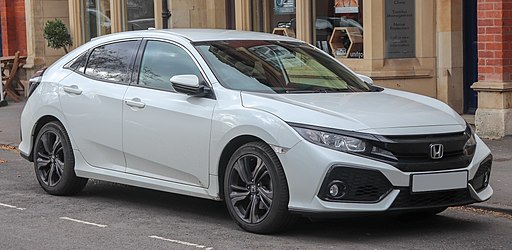
Honda Civic as a Used Car: A Complete Guide for Buyers
The Honda Civic is one of the most recognisable and successful compact cars in automotive history. Since its introduction in the early 1970s, the Civic has developed a reputation for reliability, efficient engineering, enjoyable driving characteristics, and strong resale value. Across multiple generations, Honda has continuously evolved the Civic from a simple economical hatchback into a sophisticated global vehicle available in hatchback, sedan, coupe, and performance-oriented versions. For used-car buyers, this long history creates an enormous choice of models, each offering different advantages depending on budget, lifestyle, and expectations.
A used Honda Civic remains attractive because it offers a rare combination of qualities. It is economical enough for everyday commuting, practical enough for families, enjoyable enough for enthusiastic drivers, and reliable enough for long-term ownership. Many compact cars focus mainly on affordability, but the Civic has traditionally aimed for something more: a balance between rational transportation and genuine driving enjoyment. This approach has helped the model maintain a loyal following among ordinary owners and automotive enthusiasts alike.
Choosing the right used Honda Civic requires understanding the differences between generations, engines, equipment levels, and regional specifications. Some versions are excellent choices for low-cost ownership, while others appeal to drivers looking for sporty performance. Older Civics can offer outstanding value, but buyers must pay attention to maintenance history, rust protection, accident damage, and previous use. A carefully selected Civic can provide years of dependable service, while a poorly maintained example can become expensive.
This guide explores the Honda Civic as a used car, explaining its history, strengths, weaknesses, engine choices, ownership costs, common problems, and what buyers should inspect before purchasing. Whether you are searching for an economical commuter, a reliable first car, a practical family vehicle, or an enjoyable second-hand performance model, the Civic remains one of the most interesting choices in the used-car market.
The History and Evolution of the Honda Civic
The first Honda Civic appeared in 1972 as a compact vehicle designed to meet the needs of drivers looking for efficiency, affordability, and reliability. At a time when fuel economy was becoming increasingly important, Honda created a small car that offered impressive practicality while remaining inexpensive to operate. The Civic quickly gained international recognition and became one of Honda’s most important models.
During the 1980s and 1990s, the Civic established itself as a benchmark for compact cars. Honda’s focus on lightweight construction, efficient engines, and clever packaging allowed the Civic to compete successfully against established European and American rivals. Many owners appreciated that the Civic was not simply cheap transportation but a carefully engineered vehicle with excellent reliability.
The 1990s and early 2000s were especially important periods for the Civic’s reputation. Models from these generations became famous for their durability, strong aftermarket support, and enjoyable driving experience. Performance versions such as the Civic Si and Type R further increased the model’s popularity among enthusiasts.
Modern Civic generations have moved further toward refinement and technology. Newer versions offer advanced safety systems, turbocharged engines, improved interiors, and premium features that place them closer to larger family cars. Despite these changes, the core Civic philosophy remains unchanged: provide efficient, reliable, and enjoyable transportation.
Why Buy a Used Honda Civic?
Exceptional Reliability
Reliability is one of the strongest reasons buyers choose a used Honda Civic. Honda has spent decades developing engines and mechanical systems known for durability and consistent performance. Many Civics remain on the road after extremely high mileage because their basic engineering is strong and owners often maintain them carefully.
The Civic’s reliability comes from careful design rather than simply using outdated technology. Honda has traditionally focused on efficient manufacturing, precise engineering tolerances, and durable components. This results in engines that run smoothly for many years when serviced correctly.
However, buyers should remember that even a Honda Civic requires maintenance. Oil changes, brake servicing, suspension repairs, and timing belt replacement where applicable are essential. A Civic with complete maintenance records is usually a much safer purchase than a neglected example with a lower odometer reading.
Excellent Fuel Economy
Fuel efficiency has always been one of the Civic’s greatest advantages. Honda has consistently developed engines that provide strong performance while keeping fuel consumption low. This makes the Civic particularly attractive for commuters and drivers who want affordable daily transportation.
Smaller petrol engines are especially suitable for urban driving because they offer low running costs and simple maintenance. Diesel versions available in some markets provide even greater efficiency for long-distance drivers. More recent turbocharged engines combine strong performance with competitive fuel economy.
The Civic’s lightweight construction also contributes to efficiency. Compared with larger family cars, it requires less energy to move, resulting in lower fuel consumption and reduced operating costs.
Practical Interior Design
Although the Honda Civic is classified as a compact car, many generations provide surprisingly generous interior space. Honda has always focused on intelligent packaging, creating cabins that maximise passenger comfort without increasing exterior size excessively.
Hatchback versions are especially practical, offering flexible rear seats and large cargo areas. Some generations feature Honda’s innovative Magic Seat system, which allows different seating configurations to transport tall or bulky items. Sedan versions provide traditional boot space and appeal to buyers who prefer a more conventional design.
The Civic’s driving position is another strength. Controls are usually well placed, visibility is good, and the cabin feels designed around the driver. Higher trim levels may include features such as touchscreen infotainment systems, climate control, heated seats, navigation, and advanced safety technology.
Driving Experience of a Used Honda Civic
The Honda Civic has always been known for offering a more engaging driving experience than many competitors. While it is primarily a practical compact car, Honda has traditionally tuned the chassis to provide responsive handling and confident road behaviour.
Steering is generally precise, suspension systems provide a good balance between comfort and control, and the lightweight design helps the car feel agile. This makes the Civic enjoyable in everyday situations, from city driving to longer journeys on winding roads.
Different generations have different personalities. Older Civics often feel lightweight and mechanical, appealing to enthusiasts who enjoy a direct driving experience. Newer models provide greater refinement, improved noise insulation, and more comfort while maintaining Honda’s reputation for good handling.
Honda Civic Engine Options
Petrol Engines
Petrol engines are among the most popular choices for used Honda Civic buyers. Honda’s naturally aspirated petrol engines have earned a strong reputation for smoothness, durability, and high-revving characteristics. They are particularly attractive to buyers who want simple and reliable ownership.
The 1.4 and 1.8-litre petrol engines found in many European Civics provide a good balance between performance and economy. They are suitable for daily commuting and general family use. Larger engines offer stronger performance and are often preferred by enthusiasts.
Regular servicing is essential, especially with high-mileage examples. Buyers should check oil consumption, engine noise, and service records before purchase.
Diesel Engines
European-market Honda Civics were also available with diesel engines, particularly the well-regarded 2.2 i-CTDi and i-DTEC units. These engines provide excellent torque and fuel economy, making them suitable for drivers covering many kilometres.
Honda diesel engines are generally reliable, but buyers should inspect them carefully. Components such as turbochargers, diesel particulate filters, injectors, and exhaust systems can become expensive if neglected. A diesel Civic with complete maintenance records can be an excellent long-distance vehicle.
Turbocharged Engines
Newer Civic generations introduced turbocharged petrol engines designed to provide stronger performance while maintaining efficiency. These engines offer improved acceleration and make the Civic feel more powerful compared with older naturally aspirated versions.
Although modern turbo engines are efficient and enjoyable, they contain more complex components. Regular servicing and correct oil specifications are especially important to ensure long-term reliability.
Common Problems When Buying a Used Honda Civic
The Honda Civic has one of the strongest reliability reputations in the compact-car segment, but no used vehicle is completely free from potential problems. The condition of an individual car depends heavily on maintenance history, driving style, climate, and previous ownership. A carefully maintained Civic can easily provide many years of dependable service, while a neglected example can require expensive repairs despite the model’s generally excellent reputation.
When inspecting a used Civic, buyers should focus on the overall condition of the vehicle rather than simply choosing the newest or cheapest example. Service records, mechanical condition, accident history, and evidence of responsible ownership are much more important than mileage alone. Honda engines are capable of very high mileage, but only when they have received proper maintenance throughout their life.
Engine and Oil-Related Issues
Most Honda Civic engines are highly durable, but some older examples may develop oil consumption issues. This is particularly relevant with high-mileage vehicles or cars that have not received regular oil changes. During inspection, buyers should check for excessive smoke, unusual engine noises, and signs of oil leaks.
Some Honda petrol engines use advanced valve timing systems that improve efficiency and performance. These systems are reliable but depend on clean oil and correct servicing. Poor maintenance can eventually affect components such as timing mechanisms, resulting in expensive repairs.
A smooth-running engine is one of the strongest indicators of a healthy Civic. The engine should start easily, idle consistently, and provide power without hesitation. Any warning lights on the dashboard should be investigated before purchase.
Clutch and Manual Transmission Wear
Manual Honda Civics are popular because of their precise gear changes and enjoyable driving experience. However, clutch wear is a normal consideration, especially on vehicles that have spent much of their life in heavy urban traffic.
During a test drive, check whether the clutch engages smoothly and whether the gearbox changes gears without resistance. A slipping clutch may require replacement, which adds to ownership costs. Fortunately, manual transmissions themselves are generally strong when properly maintained.
Automatic and CVT Transmission Checks
Automatic transmission reliability varies depending on generation and maintenance history. Honda has produced many durable automatic systems, but servicing remains important. Transmission fluid changes should be completed according to manufacturer recommendations.
CVT transmissions, found in some newer Civic models, provide excellent efficiency and smooth operation. However, they rely on correct servicing and the use of the correct transmission fluid. During a test drive, the vehicle should accelerate smoothly without unusual vibration, hesitation, or noise.
Suspension and Steering Components
The Civic’s excellent driving characteristics depend on a well-maintained suspension system. As vehicles age, components such as shock absorbers, bushes, control arms, and stabiliser links naturally wear.
Suspension wear is not a major weakness of the Civic, but older examples may require attention. Drivers should listen for knocking sounds over uneven roads and check whether the car remains stable during cornering. Uneven tyre wear can also indicate alignment or suspension issues.
Rust and Body Condition
Rust protection has improved significantly over Honda’s history, but older Civic generations should still be inspected carefully. Cars exposed to harsh winters, coastal environments, or road salt may develop corrosion.
Important areas to check include wheel arches, door edges, underbody sections, suspension mounting points, and areas around the boot. Previous accident repairs should also be examined because poorly repaired bodywork can create long-term problems.
Maintenance Requirements and Ownership Costs
The Honda Civic is generally affordable to own, which is one reason it remains popular in the used-car market. Routine servicing is usually straightforward, fuel consumption is reasonable, and parts availability is excellent in most markets.
Regular oil changes are especially important because Honda engines are designed with precise internal tolerances. Using the correct oil specification helps maintain performance and reduces long-term wear. Buyers should always ask for maintenance records before purchasing.
Brake components, tyres, and suspension parts are typical wear items. Costs depend on the generation and specification, but the Civic generally remains cheaper to maintain than many premium compact cars. Independent garages are familiar with Honda vehicles, helping keep repair costs manageable.
Insurance costs are usually competitive because the Civic is widely recognised as a practical and safe compact car. However, performance versions such as the Type R can have significantly higher insurance and maintenance expenses due to their specialised components.
Honda Civic Generations as Used Cars
Sixth Generation Civic (1995–2000)
The sixth-generation Civic is remembered by enthusiasts for its simplicity, lightweight construction, and excellent reliability. These cars have become increasingly popular among collectors and drivers who appreciate classic Honda engineering.
As used cars, they require careful inspection because age is now the biggest factor. Rust, worn suspension components, and previous modifications are common concerns. A well-preserved example can be extremely rewarding, but finding one in original condition is becoming more difficult.
Seventh Generation Civic (2000–2005)
The seventh-generation Civic focused more on practicality and comfort. It offered efficient engines, a spacious interior, and improved everyday usability. While some enthusiasts consider it less sporty than earlier models, it remains a dependable choice for budget-conscious buyers.
These Civics are now affordable, but age-related maintenance should be expected. Buyers should focus on service history and mechanical condition rather than mileage alone.
Eighth Generation Civic (2005–2011)
The eighth-generation Civic introduced one of the most distinctive designs in the model’s history. Its futuristic interior, advanced dashboard layout, and sharp exterior styling made it stand out from competitors.
This generation is highly regarded as a used car because it combines modern features with Honda reliability. Petrol engines are particularly popular, while diesel versions offer excellent economy for high-mileage drivers.
Ninth Generation Civic (2011–2017)
The ninth-generation Civic refined the previous model’s design and improved comfort, technology, and safety. It offered more mature driving characteristics while maintaining efficient engines and strong reliability.
Used examples provide a good balance between modern equipment and reasonable prices. They are suitable for buyers who want a newer vehicle without paying the cost of a brand-new car.
Tenth Generation Civic (2015–2021)
The tenth-generation Civic represented a major change, introducing a larger body, turbocharged engines, improved interior quality, and advanced safety technology. It moved the Civic closer to premium compact vehicles.
This generation offers excellent performance and comfort, but buyers should pay closer attention to electronic systems and turbocharged engine maintenance due to increased complexity.
Honda Civic Versus Its Main Competitors
Honda Civic vs Toyota Corolla
The Toyota Corolla is one of the Civic’s longest-running rivals. Both models are famous for reliability, efficiency, and low ownership costs. The Corolla traditionally focuses more on comfort and simplicity, while the Civic often provides sharper handling and a more engaging driving experience.
For buyers who want maximum reliability with minimal complexity, the Corolla is an excellent choice. However, drivers who appreciate better steering feel and stronger driving character often prefer the Civic.
Honda Civic vs Volkswagen Golf
The Volkswagen Golf is another major competitor, especially in Europe. It offers premium-feeling interiors, refined driving characteristics, and a wide range of engines.
The Civic often counters with stronger reliability and lower long-term repair risk. While the Golf may feel more sophisticated inside, many buyers choose the Honda because of its reputation for durability.
Honda Civic vs Ford Focus
The Ford Focus is known for excellent handling and enjoyable driving dynamics. It provides a comfortable ride and a practical interior at competitive prices.
The Civic offers similar driving enjoyment but with Honda’s reputation for long-term reliability. The best choice depends on whether the buyer values European driving characteristics or Japanese engineering philosophy.
Advantages of Buying a Used Honda Civic
- Excellent reliability and long engine life.
- Strong resale value compared with many competitors.
- Good fuel economy.
- Practical interior and useful cargo space.
- Enjoyable driving experience.
- Large supply of replacement parts.
- Wide range of generations and specifications.
Disadvantages of Buying a Used Honda Civic
- Good examples can command higher prices.
- Older models may have outdated safety technology.
- Some sporty versions may have been heavily modified.
- Rear visibility can vary depending on generation.
- Higher-specification repairs may be expensive.
Used Honda Civic Buying Checklist
- Review the complete service history.
- Check engine condition and oil consumption.
- Inspect clutch and gearbox operation.
- Test automatic or CVT transmission behaviour.
- Check suspension noises and tyre wear.
- Inspect the body for rust and accident repairs.
- Verify all electrical systems work correctly.
- Check air conditioning operation.
- Confirm timing belt replacement where required.
- Complete a thorough test drive.
Technical Specifications Summary
| Specification | Honda Civic (Typical Used Models) |
|---|---|
| Vehicle type | Compact car / hatchback / sedan |
| Production history | 1972–present (multiple generations) |
| Common used generations | 6th to 10th generations |
| Body styles | Hatchback, sedan, coupe (market dependent) |
| Seating capacity | Five passengers |
| Engine types | Petrol, diesel, and turbocharged petrol engines |
| Common petrol engines | 1.4, 1.5, 1.8, 2.0 litres depending on generation |
| Common diesel engines | 1.6 i-DTEC and 2.2 i-DTEC (European models) |
| Transmission options | Manual, automatic, and CVT |
| Drive type | Front-wheel drive |
| Approximate length | 4.2–4.6 metres depending on generation |
| Boot capacity | Approximately 300–500 litres depending on body style |
| Main advantages | Reliability, efficiency, practicality, driving enjoyment |
| Main disadvantages | Higher prices for good examples, aging technology in older models |
Honda Civic Type R and Sport Versions as Used Cars
The Honda Civic is not only known as a reliable everyday vehicle; it also has a strong performance heritage. The Civic Type R has become one of the most respected front-wheel-drive performance cars in the world, proving that a practical hatchback can also deliver an exciting driving experience. For used-car buyers, performance versions offer a completely different ownership experience compared with standard Civic models.
Older Type R models are highly sought after because of their naturally aspirated high-revving engines, lightweight construction, and excellent chassis balance. Enthusiasts appreciate the direct steering, precise manual transmissions, and ability to deliver performance without excessive complexity. However, buyers should be careful because many performance Civics have been modified, driven aggressively, or used on track days.
A standard Civic with a sport trim level can often provide a better balance for everyday ownership. These versions may include improved styling, larger wheels, sportier suspension tuning, and additional equipment while maintaining reasonable running costs. They are an attractive option for buyers who want a more enjoyable Civic without the higher expenses associated with a full performance model.
Interior Comfort and Long-Term Usability
One of the Civic’s greatest strengths is that it manages to combine practicality with driver-focused design. Honda has always paid attention to how owners interact with the vehicle every day, and this philosophy is visible in the interior layout. Controls are usually positioned logically, storage areas are useful, and the driving position provides good visibility.
Later generations improved significantly in terms of interior quality. Soft-touch materials, better seats, improved infotainment systems, and additional comfort features helped the Civic compete with more expensive vehicles. Even older models often remain pleasant because Honda prioritised durability and intelligent design.
For families, the Civic hatchback is especially practical. The rear seats provide reasonable passenger space, while the cargo area is among the most useful in the compact-car class. Honda’s focus on efficient packaging means the Civic often feels more spacious than its external dimensions suggest.
Safety Features and Reliability Over Time
Safety has become increasingly important in compact cars, and Honda has continuously improved the Civic in this area. Newer generations include advanced driver assistance technologies such as collision warning systems, adaptive cruise control, lane assistance, and improved stability systems.
Older Civics may not have the same level of electronic safety equipment, but they were still designed with strong passenger protection in mind. Buyers should consider the age of the vehicle and choose a generation that provides the safety features appropriate for their needs.
The Civic’s long-term reliability also contributes to safety. A mechanically dependable vehicle is less likely to experience unexpected failures, and Honda’s strong engineering helps owners maintain confidence even as mileage increases.
Buying a High-Mileage Honda Civic
Many buyers are surprised by how well Honda Civics perform at high mileage. It is not unusual to find examples with several hundred thousand kilometres that continue to operate reliably. However, high mileage should always be evaluated together with maintenance history.
A high-mileage Civic with regular servicing, documented repairs, and careful ownership can be an excellent purchase. Engine condition, transmission health, and rust protection are more important than the number displayed on the odometer.
Before buying a high-mileage Civic, inspect the suspension, cooling system, clutch, brakes, and electrical equipment. Older vehicles may require investment in wear items, but these costs are often predictable and manageable.
Why the Honda Civic Holds Its Value
The Honda Civic has traditionally maintained strong resale value because buyers trust the model’s reputation. Used-car customers are often willing to pay more for a Civic because they expect reliability, low operating costs, and a long service life.
The large global popularity of the Civic also helps with parts availability and maintenance knowledge. Mechanics around the world are familiar with Honda vehicles, and many replacement components are widely available.
Strong resale value benefits original owners but also affects used buyers. A good Civic may cost slightly more than some competitors, but the higher purchase price is often balanced by lower depreciation and dependable ownership.
Who Should Buy a Used Honda Civic?
The Honda Civic is suitable for a wide range of drivers because it offers an excellent balance between practicality and enjoyment. Young drivers appreciate its reliability and efficiency, while families value the useful interior and low running costs. Commuters benefit from fuel economy, and enthusiasts enjoy the performance potential of sportier versions.
It is especially suitable for buyers who plan to keep their vehicle for many years. The Civic rewards careful ownership and can remain dependable long after many competitors have reached the end of their useful life.
However, buyers looking for a very soft ride, maximum interior space, or luxury features may prefer larger vehicles. The Civic is a compact car first, and its strengths come from efficiency, balance, and intelligent design rather than size or luxury.
Final Verdict: Is the Honda Civic a Good Used Car?
The Honda Civic remains one of the best used cars available for buyers seeking reliability, practicality, and driving enjoyment. Few compact vehicles have maintained such a strong reputation over so many decades. Its combination of efficient engines, durable construction, useful interiors, and enjoyable handling makes it a consistently smart choice.
The best used Civics are those with complete maintenance records, original condition, and careful previous ownership. Buyers should avoid examples with unclear histories, neglected servicing, or excessive modifications, especially among performance models.
Whether choosing an economical hatchback, a comfortable family car, or a sporty Type R-inspired version, the Honda Civic offers something rare in the automotive world: a vehicle that is sensible without being boring. It provides affordable ownership while still delivering a level of engineering quality that many competitors struggle to match.
For anyone searching the used-car market for a dependable compact vehicle, the Honda Civic deserves serious consideration. Decades after its introduction, it continues to prove why it has become one of Honda’s most successful and respected models.
