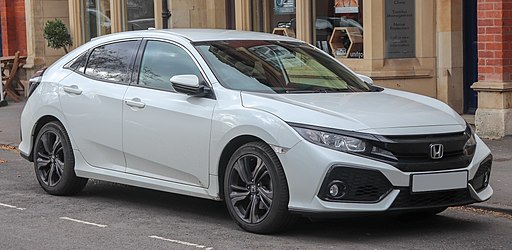
Honda Civic faults
Common and Known Honda Civic Faults with Details
The Honda Civic is renowned for its reliability, but like any vehicle, it can experience certain issues over time. While the Civic remains a popular choice for its longevity and efficiency, prospective buyers and current owners should be aware of common faults that have been reported across various model years. Below is a detailed list of some of the most frequent problems encountered with the Honda Civic.
1. Transmission Problems
Affected Models: Primarily 2001-2005, some CVT models (2014-2018)
- Automatic Transmission Failures: Many owners of early 2000s Honda Civics have reported transmission issues, including slipping, difficulty shifting, or complete failure. These problems often arise after 100,000 miles (160,934 km), particularly if the transmission fluid has not been regularly replaced.
- CVT Issues: Some newer models equipped with Continuously Variable Transmissions (CVT) have experienced shuddering or hesitation during acceleration. Proper maintenance and software updates from Honda can mitigate some of these issues.
Solution: Regular transmission fluid changes are crucial. In severe cases, a transmission rebuild or replacement may be necessary.
2. Air Conditioning Problems
Affected Models: 2001-2004, 2016-2018
- Compressor Failures: Early 2000s models often suffer from air conditioning compressor failures, leading to a lack of cold air. In more severe cases, the entire AC system may need replacement.
- Condenser Damage: In 2016-2018 models, issues with the AC condenser have been reported, often due to road debris causing damage. Honda has addressed some of these through recalls or extended warranties.
Solution: Regular inspection and timely replacement of faulty components can help maintain the AC system’s performance.
3. Engine Block Cracking
Affected Models: 2006-2009
- Some Civics from the 8th generation are prone to engine block cracking, which can lead to coolant leaks and overheating. This problem is often attributed to manufacturing defects and can result in complete engine failure if not addressed.
Solution: Honda extended the warranty on some affected models to cover the repair or replacement of the engine block. Regular monitoring of coolant levels can help detect this issue early.
4. Paint and Clear Coat Issues
Affected Models: 2006-2013
- Owners of Civics from the late 2000s to early 2010s have reported problems with paint peeling and clear coat degradation, particularly on models with darker colors. The roof, hood, and trunk are common areas where paint may fade or peel.
Solution: Repainting or applying a protective coating can address aesthetic concerns. Keeping the car washed and waxed can help prevent further damage.
5. Suspension Problems
Affected Models: 2006-2011
- Rear Control Arm Issues: Civics from the 8th generation have been known to have faulty rear control arms, leading to uneven tire wear and a bumpy ride. This issue often results in premature tire replacement and can affect handling.
- Noisy Suspension: Over time, bushings, struts, and shocks may wear out, causing creaking or knocking noises, especially when driving over rough terrain.
Solution: Replacing the rear control arms and other worn suspension components can restore the ride quality and prevent further tire issues.
6. Electrical System Faults
Affected Models: 2012-2015
- Battery Drain: Some owners have reported issues with the Civic’s battery draining unexpectedly. This can be due to faulty alternators, parasitic drains from electronics, or defective wiring.
- Infotainment Glitches: In newer models, issues with the infotainment system freezing, rebooting randomly, or failing to connect to Bluetooth have been common complaints.
Solution: Diagnosing electrical issues may require a professional, but replacing the battery, alternator, or updating software can often resolve these problems.
7. Brake Wear Issues
Affected Models: Various
- Civics are known to experience faster brake pad and rotor wear compared to some competitors. This is particularly noticeable in models used for city driving, where frequent stopping is common.
Solution: Regular inspection and timely replacement of brake pads and rotors are necessary to maintain optimal braking performance.
8. Water Leaks
Affected Models: 2001-2005, 2016-2019
- Sunroof Leaks: In models equipped with a sunroof, water leaks have been reported due to clogged or poorly sealed drainage channels.
- Door Seal Failures: Some owners have experienced water ingress due to faulty door seals, particularly during heavy rain.
Solution: Cleaning the sunroof drainage system and replacing faulty door seals can prevent water damage to the interior.
9. Power Window Failures
Affected Models: 2001-2006
- Civics from the early 2000s often have issues with power windows failing to operate correctly. This is usually due to faulty window regulators or switches.
Solution: Replacing the window regulator or switch typically resolves the issue.
10. Steering Rack Noise
Affected Models: 2012-2015
- Some Civic models have reported clunking or knocking noises from the steering rack, especially when turning at low speeds. This is often due to wear in the steering system components.
Solution: Inspection and replacement of worn steering rack components are necessary to eliminate the noise and ensure safe steering performance.
Conclusion
While the Honda Civic is a reliable and durable vehicle, potential buyers and current owners should be aware of these common issues. Regular maintenance and timely repairs can mitigate many of these problems, ensuring a long lifespan for the vehicle. If you are considering purchasing a used Honda Civic, conducting a thorough inspection and obtaining a comprehensive vehicle history report can help you make an informed decision and enjoy the benefits of owning one of Honda’s most popular models.
Honda Civic as a used car
Honda Civic as a Used Car: A Comprehensive Guide
The Honda Civic has been a staple in the automotive world for decades, renowned for its reliability, fuel efficiency, and engaging driving experience. As one of Honda’s most popular models, the Civic has a broad appeal, making it a top choice in the used car market. This article delves into the details of owning a Honda Civic as a used car, exploring its advantages, common issues, and tips for making a smart purchase.
Overview of the Honda Civic
Introduced in 1972, the Honda Civic has undergone significant evolution, with each generation offering advancements in technology, safety, and design. The Civic is available in various body styles, including sedan, coupe, and hatchback, catering to a wide range of preferences. Known for its reliability and longevity, the Honda Civic remains a popular choice among used car buyers.
Why Choose a Honda Civic as a Used Car?
1. Reliability
One of the Civic’s most compelling features is its legendary reliability. Many owners report their Civics running well beyond 200,000 miles (321,869 km) with proper maintenance, making it a sound investment for a used car.
2. Fuel Efficiency
The Honda Civic is known for its excellent fuel economy. Whether equipped with a naturally aspirated engine or a turbocharged variant in newer models, the Civic delivers impressive mileage, making it an economical choice for daily driving.
3. Resale Value
Honda Civics tend to hold their value better than many other vehicles in the same class. This means that even as a used car, the Civic offers good resale value, which can be a significant advantage for future resale.
4. Diverse Model Range
With multiple generations and trims available, the Civic offers a wide variety of options, from basic, fuel-efficient models to sportier versions like the Civic Si or Type R. This diversity allows used car buyers to find a Civic that fits their specific needs and budget.
Key Considerations When Buying a Used Honda Civic
1. Model Year and Generation
The Honda Civic has seen numerous generations, each with its own set of features and improvements. For example, the 10th generation (2016-2021) introduced a more aggressive design and turbocharged engines, while earlier generations are known for their simplicity and bulletproof reliability. Understanding the differences can help you choose the best model year for your needs.
2. Engine Variants
The Civic offers various engine options, including:
- 1.5L Turbocharged (available in newer models): Offers a balance of power and fuel efficiency.
- 2.0L Naturally Aspirated: Known for its reliability and decent performance.
- Hybrid Variants: Available in certain model years, offering excellent fuel economy. Choose an engine based on your performance preferences and fuel efficiency needs.
3. Maintenance History
A well-maintained Civic can last for years without significant issues. Always check the vehicle’s service records to ensure regular maintenance has been performed, such as oil changes, brake inspections, and timing belt replacements.
4. Common Issues
While the Civic is generally reliable, some common issues have been reported:
- Transmission Problems: Certain model years, particularly those with CVTs, have reported transmission issues.
- AC System Failures: Some owners have experienced problems with the air conditioning system, particularly in warmer climates.
- Paint Quality: Older models may suffer from paint peeling or fading, especially on the roof and hood.
Tips for Buying a Used Honda Civic
1. Comprehensive Inspection
Always perform a thorough inspection of the car’s exterior, interior, and engine bay. Look for signs of wear, rust, and any potential damage from accidents. Pay attention to the condition of the tires, brakes, and suspension.
2. Test Drive
A test drive can reveal a lot about the car’s condition. Pay attention to how the engine responds, any unusual noises from the suspension, and the smoothness of the transmission.
3. Vehicle History Report
Use services like Carfax or AutoCheck to obtain a vehicle history report. This will provide details on past ownership, accident history, and any reported maintenance issues.
4. Consult a Mechanic
If you’re unsure about the car’s condition, have a trusted mechanic inspect the vehicle. They can identify potential problems that may not be immediately apparent during a test drive.
Advantages of Owning a Used Honda Civic
1. Cost Savings
Purchasing a used Honda Civic can save you a significant amount compared to a new one. Depreciation hits new cars hardest in the first few years, so buying used allows you to avoid this initial drop in value.
2. Lower Insurance Costs
Used cars generally cost less to insure than new ones. The Civic’s reputation for safety and reliability can further reduce insurance premiums, making it an even more economical choice.
3. Abundant Parts Availability
Given the Civic’s popularity, parts are widely available and affordable. Whether you need replacement parts or aftermarket upgrades, you’ll have plenty of options.
4. Customizability
The Civic is a favorite among car enthusiasts due to its potential for customization. From performance upgrades to aesthetic modifications, the Civic’s aftermarket support is robust, allowing you to personalize your vehicle.
Conclusion
The Honda Civic is a versatile, reliable, and fuel-efficient vehicle that holds its value well, making it an excellent choice in the used car market. With various models and trims to choose from, buyers can find a Civic that fits their lifestyle and budget. By conducting thorough research, inspecting potential purchases carefully, and ensuring proper maintenance, a used Honda Civic can provide years of dependable service and driving enjoyment.
