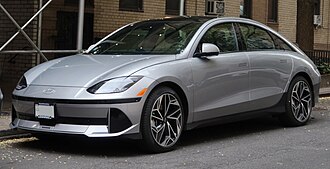
Hyundai Ioniq 6 as a Used Car: A Complete Buyer’s Guide
The Hyundai Ioniq 6 is one of the most distinctive electric cars to enter the market in recent years. With its futuristic design, impressive aerodynamic efficiency, advanced technology, and strong electric driving range, it quickly became one of the most interesting alternatives to more established electric vehicles. While the Ioniq 6 was originally positioned as a premium-feeling electric sedan, the arrival of more used examples has made it a much more accessible option for buyers looking for a modern EV without paying the full price of a new model.
Buying a used Hyundai Ioniq 6 can be an excellent decision, especially for drivers who value efficiency, comfort, and long-distance capability. However, as with any electric vehicle, there are several important factors to consider before making a purchase. Battery condition, charging history, equipment levels, software updates, and depreciation all play a role in determining whether a second-hand Ioniq 6 represents good value.
This guide explores the Hyundai Ioniq 6 as a used car, including its strengths, weaknesses, driving experience, running costs, reliability, and the key things buyers should check before purchasing one.
Hyundai Ioniq 6 Overview: A Modern Electric Sedan
The Hyundai Ioniq 6 belongs to Hyundai’s dedicated Ioniq electric vehicle family and is built on the company’s advanced E-GMP platform, the same architecture used by models such as the Hyundai Ioniq 5 and Kia EV6. Unlike many electric vehicles that follow the SUV trend, the Ioniq 6 takes a different approach by offering a sleek four-door sedan shape focused on efficiency and aerodynamic performance.
Its design is one of its biggest talking points. Inspired by Hyundai’s Prophecy concept car, the production version features a smooth, rounded body, a low roofline, and carefully shaped surfaces designed to reduce air resistance. The result is a drag coefficient among the lowest in the mainstream EV segment, helping the Ioniq 6 achieve excellent efficiency and impressive real-world range.
For used-car buyers, the Ioniq 6 stands out because it still feels like a modern vehicle even when compared with newer electric models. Its interior features a minimalist design, high-quality screens, comfortable seats, and a strong focus on technology. It does not feel like a compromise purchase; instead, it feels like a premium electric car that simply happens to be available at a lower price on the used market.
Why Consider a Used Hyundai Ioniq 6?
Strong Electric Range and Efficient Performance
One of the main reasons to choose a used Hyundai Ioniq 6 is its efficiency. Electric vehicles are often judged by battery capacity alone, but real-world range depends heavily on aerodynamic design, weight, drivetrain efficiency, and software management. The Ioniq 6 performs extremely well in this area thanks to its streamlined shape and advanced electric architecture.
Depending on the battery version and drivetrain configuration, the Ioniq 6 can offer a driving range suitable for both daily commuting and longer journeys. The larger battery versions are particularly attractive for buyers who regularly travel long distances because they reduce charging frequency and provide greater flexibility.
The 800-volt electrical architecture is another major advantage. Many EV owners worry about charging times, but the Ioniq 6 can support very fast DC charging when connected to a compatible charging station. This technology is usually associated with more expensive electric vehicles, making it a significant benefit in the used market.
Excellent Driving Comfort
The Hyundai Ioniq 6 is designed more as a comfortable long-distance cruiser than a sporty performance car. Its low seating position, quiet cabin, and smooth electric power delivery make it relaxing to drive. Electric motors provide instant torque, allowing even the standard versions to feel responsive in everyday driving.
The suspension setup prioritizes comfort, making the Ioniq 6 well suited for highways and longer trips. Road noise is generally well controlled, and the absence of engine vibration creates a calm driving experience. Buyers moving from a traditional petrol or diesel sedan will likely notice how refined the Ioniq 6 feels.
The available all-wheel-drive versions provide additional traction and stronger acceleration, while rear-wheel-drive models typically offer better efficiency and longer range. Choosing between them depends on whether the priority is maximum range or additional performance.
Interior Quality and Practicality
A Futuristic but Functional Cabin
Inside, the Hyundai Ioniq 6 combines modern technology with a clean, uncluttered design. The dashboard is dominated by two large digital displays that provide information for the driver and control access to vehicle functions. Physical controls are still present for some frequently used features, which improves usability compared with some competitors that rely almost entirely on touchscreens.
Materials throughout the cabin are generally good, with Hyundai using sustainable materials in several areas as part of the Ioniq brand’s environmental focus. The interior has a premium atmosphere, although some buyers may notice that certain plastics do not match the quality level of more expensive luxury electric vehicles.
The front seats are comfortable and supportive, especially on higher trim levels that include additional adjustment and relaxation features. The spacious wheelbase created by the E-GMP platform also helps provide good passenger room despite the car’s low roofline.
Everyday Practicality
The Ioniq 6 is a sedan rather than an SUV, which means practicality depends on what buyers need. Passenger space is generous, but the sloping roofline slightly limits rear headroom for taller passengers. The trunk offers useful space, although the opening is not as versatile as a hatchback or crossover design.
For individuals, couples, or small families, the Ioniq 6 is likely to be practical enough for everyday use. However, buyers who frequently transport large items may prefer an electric crossover such as the Ioniq 5.
Reliability and Ownership Costs
Battery Durability and Electric System Reliability
One of the biggest concerns when buying any used EV is battery health. Fortunately, Hyundai’s electric powertrains have developed a strong reputation for durability. The Ioniq 6 uses a liquid-cooled battery system designed to maintain stable temperatures and protect long-term performance.
Battery degradation is expected in every electric vehicle, but modern EV batteries typically retain a large percentage of their original capacity after many years of use. Buyers should still check battery health information, charging habits, and warranty coverage before purchasing.
A used Ioniq 6 with a complete service history and evidence of regular software updates is generally a safer choice than a poorly documented example.
Lower Maintenance Requirements
Compared with combustion-engine vehicles, the Hyundai Ioniq 6 requires less routine maintenance. There is no engine oil, exhaust system, timing belt, or traditional transmission to service. Brake wear is also often reduced because regenerative braking helps slow the vehicle while recovering energy.
Regular maintenance usually focuses on areas such as tires, brake components, cabin filters, software updates, and general inspections. This can make ownership costs significantly lower than those of a comparable petrol or diesel sedan.
What to Check Before Buying a Used Hyundai Ioniq 6
Before purchasing a used Ioniq 6, buyers should carefully inspect several important areas.
The first step is checking the battery condition and charging history. A professional EV diagnostic report can provide valuable information about battery health and identify potential issues. It is also worth confirming that all software updates have been installed because electric vehicles increasingly depend on software for performance, efficiency, and safety improvements.
The charging system should also be tested. Buyers should confirm that both AC and DC charging functions operate correctly. A problem with charging hardware can be expensive to repair, so this inspection is essential.
The vehicle’s accident history should be reviewed carefully. Because EV batteries are integrated into the vehicle platform, serious structural damage can be more significant than on a conventional car. A complete service record and inspection by a qualified technician are highly recommended.
Finally, buyers should compare equipment levels. The Ioniq 6 was available with different battery sizes, drivetrain options, and trim packages. Features such as advanced driver assistance systems, premium audio, heat pumps, and upgraded interior equipment can significantly affect resale value and ownership satisfaction.
Hyundai Ioniq 6 Used Car Market Value
Like many electric vehicles, the Hyundai Ioniq 6 experienced depreciation after its initial launch. While depreciation can be disappointing for first owners, it creates an opportunity for used-car buyers. A second-hand Ioniq 6 can provide access to advanced EV technology at a considerably lower price than buying new.
The best value is often found in lightly used vehicles with low mileage and remaining factory warranty coverage. Buyers should not focus only on the lowest purchase price; a well-equipped example with good battery health and complete history is usually the better long-term investment.
As demand for efficient electric vehicles continues to grow, models with strong range, fast charging capability, and modern technology are likely to remain attractive in the used market.
Final Verdict: Is the Hyundai Ioniq 6 a Good Used Car?
The Hyundai Ioniq 6 is one of the most impressive used electric cars available for buyers who want efficiency, comfort, and advanced technology in a stylish package. Its biggest advantages are its excellent aerodynamic design, long driving range, fast charging capability, quiet ride, and low running costs.
Its main limitations are related to practicality. The sedan body style will not suit everyone, and some buyers may prefer the extra cargo flexibility of an electric SUV. However, for drivers who appreciate a comfortable and efficient electric vehicle with distinctive styling, the Ioniq 6 is a very compelling choice.
A carefully selected used Hyundai Ioniq 6 can offer many years of reliable and economical electric driving. With its advanced platform, strong performance, and premium feel, it represents one of the best examples of how quickly electric vehicles have evolved.
Hyundai Ioniq 6 Technical Specifications
| Specification | Hyundai Ioniq 6 |
|---|---|
| Vehicle type | Electric mid-size sedan |
| Platform | Hyundai E-GMP dedicated EV platform |
| Production years | 2022–present |
| Battery options | 53 kWh and 77.4/77.5 kWh (market dependent) |
| Drive options | Rear-wheel drive or all-wheel drive |
| Electric motor configuration | Single motor or dual motor |
| Maximum power output | Up to approximately 239 kW (AWD version) |
| Maximum torque | Up to approximately 605 Nm |
| Driving range (WLTP, depending on version) | Up to approximately 600 km |
| 0–100 km/h acceleration | Approximately 5.1 seconds (performance versions) |
| Charging architecture | 800-volt fast charging system |
| DC fast charging capability | Up to around 350 kW charging support |
| AC charging | Up to approximately 11 kW |
| Battery cooling | Liquid-cooled thermal management system |
| Length | Approximately 4,855 mm |
| Width | Approximately 1,880 mm |
| Wheelbase | Approximately 2,950 mm |
| Body style | Four-door sedan |
| Seating capacity | 5 passengers |
| Cargo capacity | Approximately 401 litres (rear trunk) |
| Warranty | Varies by market; often includes long EV battery coverage |
| Main competitors | Tesla Model 3, BMW i4, Polestar 2, Kia EV6 |
