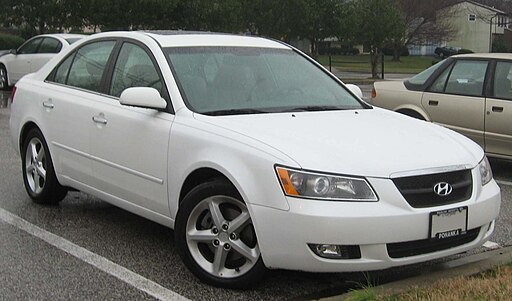
Hyundai Sonata faults
Common and Known Car Defects – Hyundai Sonata
The Hyundai Sonata is generally considered a reliable midsize sedan, but like any vehicle, it has its share of common defects and issues. These problems can vary by model year and mileage, but some recurring concerns have been reported by owners. Below is a list of the most common Hyundai Sonata defects, categorized by key components.
1. Engine Problems
1.1 Excessive Oil Consumption
- Some Hyundai Sonata models, especially older ones (2011-2014), have been reported to consume excessive amounts of engine oil.
- Causes: Piston ring wear, poor oil control, or internal engine design flaws.
- Solution: Regularly check and top up engine oil; in severe cases, an engine rebuild or replacement may be necessary.
1.2 Engine Stalling or Sudden Shutdown
- Certain models (especially 2011-2015) have been known to experience engine stalling while driving.
- Causes: Defective engine bearings, fuel system issues, or problems with the crankshaft position sensor.
- Solution: A recall was issued for some models; owners should ensure their vehicle has received the necessary repairs.
1.3 Engine Knocking Noise
- A common issue in 2.4L and 2.0L turbo engines, where drivers hear a knocking or ticking sound from the engine.
- Causes: Premature wear of the connecting rod bearings or oil circulation issues.
- Solution: Engine replacement may be required in severe cases. Hyundai has extended warranties for some affected models.
2. Transmission Issues
2.1 Hard or Jerky Shifting
- Some Hyundai Sonata models experience rough shifting, delayed engagement, or hesitation between gears.
- Causes: Faulty transmission control module (TCM) software, worn-out transmission fluid, or solenoid failures.
- Solution: Software updates, transmission fluid changes, or, in worst cases, transmission rebuilds.
2.2 Transmission Slipping
- Some owners have reported that the transmission slips while accelerating or fails to engage properly.
- Causes: Worn transmission bands, valve body issues, or transmission overheating.
- Solution: Inspect and replace transmission fluid, check for fault codes, or replace transmission components if necessary.
3. Electrical and Infotainment System Problems
3.1 Malfunctioning Touchscreen and Infotainment System
- Common complaints include frozen screens, unresponsive touch controls, or complete system shutdown.
- Causes: Software glitches, defective radio unit, or wiring issues.
- Solution: Perform a system reset, update software, or replace the infotainment unit if necessary.
3.2 Battery Drain Issues
- Some owners report that their battery drains unexpectedly overnight or after short periods of inactivity.
- Causes: Faulty alternator, parasitic electrical drains, or software issues.
- Solution: Check for parasitic draw, inspect battery and alternator, and update software if applicable.
3.3 Power Window and Lock Failures
- Certain models experience windows that won’t roll up/down or door locks that fail to respond.
- Causes: Defective window regulators, faulty wiring, or failing power lock actuators.
- Solution: Replace window motors, regulators, or door lock actuators.
4. Suspension and Steering Issues
4.1 Clunking or Rattling Noises from Suspension
- Some Sonata models develop a noticeable clunking noise when driving over bumps.
- Causes: Worn suspension components such as control arm bushings, ball joints, or struts.
- Solution: Inspect and replace worn suspension parts as needed.
4.2 Steering Column Noise or Play
- A clicking or knocking sound in the steering column is a common issue in older Sonata models.
- Causes: Faulty steering coupler or worn steering rack components.
- Solution: Replace the steering coupler or inspect the steering rack for further issues.
4.3 Alignment and Uneven Tire Wear
- Some Sonata owners report premature tire wear or misalignment issues.
- Causes: Poor factory alignment, worn tie rods, or improper suspension settings.
- Solution: Regular wheel alignment checks and replacement of suspension components as needed.
5. Brake System Issues
5.1 Premature Brake Wear
- Some Sonata models have been reported to experience faster-than-usual brake pad and rotor wear.
- Causes: Soft brake pad material, poor heat dissipation, or aggressive driving habits.
- Solution: Replace brake pads with high-quality alternatives and inspect rotors regularly.
5.2 ABS and Brake Light Warnings
- The ABS warning light may appear intermittently or stay on permanently.
- Causes: Faulty wheel speed sensors, ABS module failure, or electrical wiring issues.
- Solution: Scan for error codes and replace faulty sensors or ABS components.
6. Fuel System and Emissions Problems
6.1 Fuel Pump Failure
- Some Sonata models suffer from fuel pump issues that cause stalling or difficulty starting.
- Causes: Clogged fuel filter, faulty fuel pump relay, or failing fuel pump motor.
- Solution: Replace the fuel pump or related components if diagnosed as faulty.
6.2 Catalytic Converter Failure
- Certain models (especially those with high mileage) may experience catalytic converter failure, triggering the Check Engine Light.
- Causes: Excessive carbon buildup, rich fuel mixture, or failing oxygen sensors.
- Solution: Clean or replace the catalytic converter, and check oxygen sensors and fuel system for underlying issues.
7. HVAC (Heating, Ventilation, and Air Conditioning) Issues
7.1 Weak or Non-Functioning AC System
- The AC may stop blowing cold air or fluctuate in performance.
- Causes: Low refrigerant levels, compressor failure, or faulty blend door actuators.
- Solution: Recharge refrigerant, inspect for leaks, or replace AC components as needed.
7.2 Heater Core Failure
- Some Sonata models experience weak heating or a foggy windshield caused by heater core leaks.
- Causes: Clogged heater core, coolant leaks, or malfunctioning thermostat.
- Solution: Flush or replace the heater core and check the cooling system for leaks.
8. Exterior and Paint Defects
8.1 Peeling or Fading Paint
- Certain models (especially 2011-2015) are known for peeling or fading paint, particularly on the roof and hood.
- Causes: Poor factory paint adhesion or prolonged sun exposure.
- Solution: A full repaint may be necessary; Hyundai has provided goodwill repairs for some affected vehicles.
8.2 Door Handle and Trim Wear
- Interior and exterior door handles may become loose or break prematurely.
- Causes: Weak plastic materials used in production.
- Solution: Replace with improved aftermarket parts or genuine OEM replacements.
Conclusion
The Hyundai Sonata is generally a dependable and well-rounded midsize sedan, but like all vehicles, it has some common defects. Potential buyers and current owners should be aware of engine issues (oil consumption, stalling), transmission problems (jerky shifting, slipping gears), electrical malfunctions, and suspension concerns. Regular maintenance, pre-purchase inspections, and staying updated on recalls can help ensure a trouble-free ownership experience.
For those considering a used Hyundai Sonata, opting for a well-maintained model with a detailed service history can mitigate many of these common issues.
Hyundai Sonata as a used car
Hyundai Sonata as a Used Car: A Comprehensive Technical Guide
The Hyundai Sonata has long been recognized as a reliable, stylish, and efficient midsize sedan. As a used car, the Sonata offers excellent value with modern features and proven reliability. This article takes an in-depth look at the Hyundai Sonata as a used vehicle, examining its technical parameters, design evolution, and practical considerations for buyers.
Introduction
The Hyundai Sonata has evolved over several generations, consistently offering a blend of comfort, advanced technology, and strong performance. For buyers in the used car market, the Sonata represents a balance between modern features and affordability. Whether you are a daily commuter or looking for a family sedan, understanding the technical aspects and performance details of the Hyundai Sonata can help in making an informed decision.
History and Model Evolution
Generational Overview
The Hyundai Sonata has undergone significant changes since its inception. Each generation has built upon the strengths of its predecessor while incorporating new technologies and design enhancements.
Early Generations
- First and Second Generations: These models laid the foundation with reliable inline-four engines and straightforward styling.
- Key Features: Basic safety features, comfortable interiors, and dependable performance made these early models popular in the used market.
Recent Generations
- Third to Fifth Generations: Marked by sleeker styling, enhanced fuel efficiency, and improved safety systems.
- Technological Advancements: Modern infotainment systems, advanced driver-assistance features, and more refined powertrains have become standard.
- Market Appeal: Recent generations of the Sonata offer a compelling mix of modern amenities with proven reliability, making them a favorite among used car buyers.
Technical Specifications and Parameters
When evaluating a used Hyundai Sonata, understanding its technical parameters is crucial. These details not only influence performance but also impact long-term maintenance and driving experience.
Engine Options
The Sonata has been available with a variety of engine choices, tailored to meet different driving needs.
Inline-Four Engine
- Displacement: Common options include 2.4L naturally aspirated engines.
- Power Output: Typically ranges from 165 to 190 horsepower.
- Fuel Efficiency: Known for balanced fuel consumption, making it ideal for daily commuting.
- Reliability: Proven durability and lower maintenance costs have contributed to its popularity in the used market.
Turbocharged Options (Available in Certain Models)
- Displacement and Boost: Some recent models offer a 1.6L turbocharged engine.
- Power Output: Ranges from 180 to 200 horsepower, providing brisk acceleration.
- Performance: Turbocharged engines offer improved performance and enhanced fuel economy under certain driving conditions.
- Technology: Advanced turbocharging technology has made these engines more reliable and refined compared to earlier iterations.
Transmission and Drivetrain
The Hyundai Sonata typically comes with a choice of transmissions designed to offer a smooth driving experience.
Automatic Transmission
- Type: Many models feature a 6-speed automatic transmission.
- Features: Smooth shifting, adaptive modes for city and highway driving.
- Efficiency: Optimized gear ratios help improve fuel economy and reduce engine strain.
Manual Transmission
- Availability: Some earlier generations offer a 5-speed manual.
- Driver Engagement: Offers a more connected driving experience for enthusiasts.
- Considerations: Manual models may require more frequent maintenance checks, especially in high-mileage used vehicles.
Suspension, Braking, and Handling
The Sonata’s chassis and suspension system are designed for a balance between comfort and responsiveness.
Suspension System
- Front Suspension: Typically employs MacPherson struts for precise steering response.
- Rear Suspension: Often features a multi-link setup, enhancing ride comfort and handling stability.
- Tuning: The suspension is tuned for a smooth ride over various road surfaces, making it suitable for both urban and highway driving.
Braking System
- Disc Brakes: Front and rear disc brakes are standard, providing reliable stopping power.
- ABS and EBD: Many models come equipped with Anti-lock Braking System (ABS) and Electronic Brakeforce Distribution (EBD) for enhanced safety.
- Maintenance: Regular brake inspections are essential, especially in used models, to ensure optimal performance.
Dimensions and Interior Features
The Hyundai Sonata offers a spacious and well-appointed interior designed for comfort and convenience.
Exterior Dimensions
- Length: Approximately 192 to 195 inches, depending on the generation.
- Width and Height: Offers a balanced profile that contributes to its aerodynamics and stability.
- Wheelbase: Typically around 110 inches, providing ample interior space while maintaining agile handling.
Interior Comfort and Technology
- Seating Capacity: Generally seats five passengers with a comfortable cabin layout.
- Infotainment System: Modern models include touchscreen displays, smartphone integration, and Bluetooth connectivity.
- Safety Features: Advanced safety systems such as multiple airbags, lane departure warnings, and collision avoidance assist are commonly available.
- Cargo Space: Generous trunk space enhances practicality for families and daily commuters.
Fuel Economy and Emissions
Fuel efficiency is a key parameter for many used car buyers, and the Sonata generally performs well in this regard.
Efficiency Metrics
- Combined Fuel Economy: Ranges from approximately 25 to 30 miles per gallon (mpg) in most models.
- Emissions: Recent models comply with strict emission standards, contributing to lower environmental impact.
- Driving Modes: Adaptive driving modes allow drivers to optimize fuel consumption based on driving conditions.
Reliability and Common Issues
Reliability in the Used Car Market
The Hyundai Sonata is known for its robust build quality and long-term reliability. Regular maintenance and adherence to service schedules can ensure many years of trouble-free operation.
Common Maintenance Considerations
- Oil Changes and Engine Maintenance: Routine oil changes and timely maintenance of the engine components are essential.
- Transmission Service: For automatic models, regular transmission fluid checks and servicing can prolong the life of the gearbox.
- Brake and Suspension Wear: As with any used vehicle, inspection of brakes and suspension components is crucial for safety and performance.
Known Issues in Older Models
While the Sonata is generally reliable, some older models may exhibit common issues that prospective buyers should be aware of.
Potential Problems
- Electrical Glitches: Earlier models might face minor issues with the infotainment system or dashboard electronics.
- Suspension Wear: High-mileage vehicles may require replacement of worn suspension components.
- Engine Oil Consumption: In some instances, higher mileage engines could show increased oil consumption; regular monitoring is advised.
Inspection and Maintenance Tips for a Used Hyundai Sonata
Pre-Purchase Inspection
Before purchasing a used Hyundai Sonata, a thorough inspection by a qualified mechanic is essential.
Key Areas to Check
- Engine and Transmission: Look for signs of leaks, abnormal noises, and smooth shifting.
- Suspension and Brakes: Verify that suspension components and brake systems are in good condition.
- Electrical Systems: Test all electronic features, including infotainment, lights, and climate control.
- Service History: A complete maintenance record can provide insight into the vehicle’s past care and any recurring issues.
Routine Maintenance Practices
Keeping a used Sonata in optimal condition requires regular maintenance and timely repairs.
Maintenance Schedule
- Oil and Filter Changes: Typically recommended every 5,000 to 7,500 miles.
- Brake Inspections: Regularly inspect brake pads, rotors, and fluid levels.
- Fluid Checks: Ensure that transmission, coolant, and other essential fluids are topped up and in good condition.
- Tire Rotation and Alignment: Proper tire maintenance enhances handling and prolongs tire life.
Conclusion
The Hyundai Sonata stands out as a highly competitive option in the used car market, offering a combination of modern design, robust performance, and advanced technology. With a variety of engine options, efficient transmissions, and a well-designed interior, the Sonata caters to a wide range of drivers. Its reputation for reliability and low operating costs makes it an attractive choice for those seeking a dependable midsize sedan.
For buyers considering a used Hyundai Sonata, understanding the technical parameters—from engine specifications and transmission details to suspension, braking, and interior features—is key to making an informed decision. With regular maintenance and careful inspection, a used Sonata can provide years of enjoyable and economical driving, making it a wise investment in the competitive midsize sedan segment.
