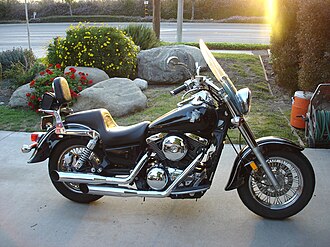
Kawasaki Vulcan: A Complete Guide to Kawasaki’s Cruiser Motorcycle Family
The Kawasaki Vulcan name has become one of the most recognizable badges in the cruiser motorcycle world. Over the years, the Vulcan family has represented Kawasaki’s interpretation of the American-style cruiser: motorcycles built around relaxed riding positions, strong low- and mid-range performance, distinctive styling, comfortable ergonomics, and the ability to turn an ordinary ride into something more memorable. What makes the Vulcan particularly interesting, however, is that it is not simply one motorcycle. The name covers a broad family of machines, ranging from the approachable and sporty Vulcan S to the traditional Vulcan 900 and the imposing Vulcan 1700 models designed for long-distance cruising and touring.
Kawasaki’s current U.S. lineup demonstrates just how wide that range has become. The manufacturer categorizes the motorcycles into different segments, with the Vulcan S occupying the Sport Cruiser category, the Vulcan 900 serving the Classic Cruiser segment, and the larger Vulcan 1700 models appearing as Bagger and Touring Cruisers. This gives riders considerably more choice than the word “Vulcan” might initially suggest. Someone looking for a relatively light motorcycle for commuting and weekend riding can choose a very different Vulcan from the rider who wants a large, torque-rich machine for highway touring.
The History and Character of the Kawasaki Vulcan
The Vulcan story is closely connected to Kawasaki’s long involvement with the cruiser market. Rather than simply copying the formula established by other manufacturers, Kawasaki has repeatedly experimented with different engine configurations, chassis layouts, styling themes, and rider ergonomics. The result is a family that shares a name and general cruiser philosophy while offering motorcycles with distinctly different personalities.
Traditional cruiser characteristics remain central to the Vulcan identity. Low seat heights make many versions approachable at a standstill, while relaxed ergonomics encourage riders to settle into the motorcycle instead of constantly shifting their body around. Long, low proportions, substantial fuel tanks, broad seats, chrome or darkened finishes, and V-twin engines are particularly important to the character of the larger Vulcan models.
The Vulcan S takes a different approach. Its 649cc liquid-cooled parallel-twin engine and sportbike-influenced chassis give it a more modern personality than a conventional heavyweight cruiser. Kawasaki specifically highlights the connection between the Vulcan S and its sportbike-derived performance, while its ERGO-FIT system allows the riding position to be adjusted for different body sizes.
That variety is perhaps the greatest strength of the Vulcan name. Rather than forcing every rider into the same interpretation of a cruiser, Kawasaki has created several motorcycles that approach the idea from different directions.
Kawasaki Vulcan S: The Modern Entry Point
Sporty Performance With Cruiser Ergonomics
The Kawasaki Vulcan S is arguably the most unconventional member of the current family. Its 649cc engine is a liquid-cooled, four-stroke, two-cylinder DOHC unit, producing a claimed 60 horsepower at 7,500 rpm and 46.5 lb-ft of torque at 6,600 rpm. It uses fuel injection, a six-speed transmission, and sealed-chain final drive.
Those numbers reveal why the Vulcan S feels different from a traditional big V-twin cruiser. The engine is related in character to Kawasaki’s middleweight performance-oriented motorcycles, giving the Vulcan S the ability to rev more freely than a classic large-displacement cruiser. The six-speed transmission also gives it flexibility when moving between urban roads, secondary highways, and faster cruising.
The motorcycle’s low 27.8-inch seat height is another major attraction. It gives shorter riders greater confidence when putting both feet down, while the relatively narrow and manageable overall package makes the motorcycle easier to maneuver than its cruiser styling might suggest. The current Vulcan S has a curb weight of approximately 498 pounds in ABS configuration, according to Kawasaki.
ERGO-FIT Makes the Vulcan S Different
One of the most important features of the Vulcan S is Kawasaki’s ERGO-FIT system. Rather than treating rider ergonomics as a one-size-fits-all proposition, Kawasaki designed the motorcycle so that key contact points can be adjusted. The current model provides multiple possible configurations involving the seat, footpegs, and handlebar. Kawasaki describes 18 possible configurations.
This is particularly useful because cruiser riders come in many different shapes and sizes. A motorcycle can have a low seat and still feel uncomfortable if the handlebars or foot controls are positioned poorly. By allowing the relationship between the rider and motorcycle to be changed, the Vulcan S can accommodate a wider range of riders than its basic dimensions might suggest.
For riders who want a cruiser appearance without giving up responsive handling and a modern engine, the Vulcan S is therefore one of the most distinctive choices in the Kawasaki range.
Kawasaki Vulcan 900: The Traditional Cruiser
Classic V-Twin Character
If the Vulcan S represents Kawasaki’s modern interpretation of the cruiser, the Vulcan 900 moves much closer to the traditional formula. The current Vulcan 900 uses a 903cc, 55-degree liquid-cooled V-twin engine with fuel injection. Kawasaki lists 51 horsepower at 5,500 rpm and 58.3 lb-ft of torque at 3,500 rpm.
The difference in engine character is important. Instead of encouraging the rider to chase high rpm, the 900’s torque arrives relatively low in the rev range. That suits the relaxed rhythm associated with cruising. The motorcycle uses a five-speed transmission and Kevlar-reinforced belt final drive, an arrangement that emphasizes smoothness and low-maintenance everyday usability.
The Vulcan 900 also demonstrates how styling can change the character of essentially the same mechanical platform. The Classic version emphasizes traditional cruiser design, while the Custom introduces a more aggressive appearance with wide drag bars, forward-mounted foot controls, a teardrop-style tank, and distinctive exhaust styling.
Classic, Custom and LT Versions
The Vulcan 900 family is particularly appealing to buyers who want choice without moving to a substantially larger motorcycle. The Classic features details such as spoked wheels, whitewall tires, rider floorboards, heel-and-toe shifting, and a large 5.3-gallon fuel tank.
The Classic LT takes the same basic philosophy and adds touring-oriented equipment. Kawasaki lists a passenger backrest, leather saddlebags, a height-adjustable windscreen, and two-tone paint among its features.
This makes the 900 range a useful middle ground. It has considerably more traditional cruiser presence than the Vulcan S, yet it does not reach the enormous dimensions and weight of the 1700 models.
Kawasaki Vulcan 1700: The Big-Bore Experience
Built Around Torque
At the top end of the family sits the Vulcan 1700. This is where the Vulcan concept becomes a heavyweight touring and bagger experience. The current Vulcan 1700 Vaquero ABS uses a 1,700cc, 52-degree liquid-cooled V-twin engine. Kawasaki lists 82 horsepower at 5,000 rpm and 107.6 lb-ft of torque at only 2,750 rpm.
That torque figure tells much of the story. A large cruiser does not need to be ridden like a sportbike. Instead, the engine produces substantial thrust at relatively low engine speed, making effortless acceleration one of the defining characteristics of the motorcycle.
The 1700 also uses a six-speed transmission with overdrive and a carbon-fiber-reinforced belt final drive. The combination is well suited to riders who spend long periods on the highway, where the overdrive gear can help keep engine speed relaxed during sustained cruising.
The Vaquero and Touring Mission
The Vulcan 1700 Vaquero is aimed at riders who want the aggressive appearance and practical advantages of a bagger. It combines the big V-twin with a frame-mounted fairing, sealed saddlebags, locking storage, and an integrated audio system. Electronic cruise control is also standard, while Kawasaki’s K-ACT braking technology and ABS provide additional braking assistance.
For riders whose priority is maximum touring capability, the Vulcan 1700 Voyager takes the concept further. Kawasaki places the Voyager in its Touring Cruiser category alongside the Vaquero in the current lineup.
These motorcycles are substantially heavier than the smaller Vulcans, but that extra mass comes with benefits on the open road. A large motorcycle with a long wheelbase, substantial fairing, luggage, and a big engine can feel extremely planted during highway travel. The trade-off is that low-speed maneuvering and parking require more planning and physical effort.
What Makes a Kawasaki Vulcan Appealing?
One of the strongest arguments for the Vulcan family is its versatility. A rider who wants an affordable, relatively lightweight cruiser can consider the Vulcan S. Someone who wants classic styling and a V-twin can move to the Vulcan 900. A long-distance rider who values enormous torque, luggage, fairing protection, cruise control, and highway stability can step into the Vulcan 1700 range.
The bikes also demonstrate that cruiser motorcycles do not all have to behave the same way. The Vulcan S combines cruiser ergonomics with a sporty engine and chassis, while the 900 focuses on traditional V-twin character. The 1700, meanwhile, is about effortless long-distance performance and substantial road presence.
Another advantage is the relatively low seat height found across much of the range. Kawasaki lists a 27.8-inch seat for the current Vulcan S, while the Vulcan 900 Classic is listed at 26.8 inches and the Vulcan 1700 at 28.7 inches. Seat height alone does not determine whether a motorcycle will fit a rider, but these figures help explain why the Vulcan family can appeal to riders who prefer a lower seating position.
Choosing the Right Vulcan
Choosing between Vulcan models ultimately comes down to how and where the motorcycle will be ridden. The Vulcan S is the logical choice for riders who want modern handling, a manageable weight, a low seat, and an engine with more sport-oriented character. It is particularly compelling for commuting, weekend riding, and riders who want one motorcycle capable of performing several roles.
The Vulcan 900 makes more sense for someone whose priority is traditional cruiser styling and V-twin character. Its belt drive, low seat, floorboards, generous fuel capacity, and relaxed engine make it well suited to leisurely road trips and everyday cruising. The different 900 variants also allow buyers to emphasize classic appearance, custom styling, or touring equipment.
The Vulcan 1700 is a different proposition altogether. It is designed for riders who appreciate substantial motorcycles and intend to spend serious time covering highway miles. The enormous torque, larger chassis, touring equipment, cruise control, and luggage make it particularly suitable for long-distance travel, although the added size and weight are important considerations.
Final Thoughts on the Kawasaki Vulcan
The Kawasaki Vulcan family succeeds because it does not attempt to define the cruiser motorcycle in only one way. The name encompasses lightweight modern performance, traditional V-twin cruising, custom-inspired styling, bagger practicality, and heavyweight touring capability. That breadth gives the Vulcan badge an unusual amount of flexibility.
The Vulcan S shows that a cruiser can be sporty, approachable, and ergonomically adaptable. The Vulcan 900 demonstrates the enduring appeal of the classic V-twin formula, with multiple versions allowing riders to tailor the motorcycle to their preferred style. The Vulcan 1700 takes the concept into heavyweight territory, combining massive torque with the equipment needed for serious highway travel.
For prospective buyers, the most important lesson is simple: do not choose a Vulcan based solely on the name or engine size. Consider your riding position, physical size, typical roads, passenger requirements, luggage needs, parking situation, and how much highway touring you expect to do. The right Vulcan is the one whose personality matches the way you actually ride.
Kawasaki’s current lineup shows that the Vulcan name remains remarkably adaptable. From the 649cc Vulcan S through the 903cc Vulcan 900 and up to the 1,700cc Vulcan 1700, there is a clear progression in engine character, size, equipment, and touring ability. That range is what makes the Kawasaki Vulcan family so interesting: it is not one motorcycle trying to satisfy everyone, but a collection of cruisers designed around very different interpretations of the same basic idea—enjoying the road in comfort, style, and unmistakable Kawasaki fashion.
Kawasaki Vulcan Technical Specifications at a Glance
The following table compares representative 2026 U.S.-market models from the current Kawasaki Vulcan range. Specifications can vary by model, trim, market, and model year, so the table should be treated as a family comparison rather than a single-model specification sheet.
| Specification | Vulcan S | Vulcan 900 Classic | Vulcan 1700 Vaquero ABS |
|---|---|---|---|
| Cruiser category | Sport Cruiser | Classic Cruiser | Bagger Cruiser |
| Engine | 649cc parallel-twin | 903cc 55° V-twin | 1,700cc 52° V-twin |
| Cooling | Liquid-cooled | Liquid-cooled | Liquid-cooled |
| Horsepower | 60 hp @ 7,500 rpm | 51 hp @ 5,500 rpm | 82 hp @ 5,000 rpm |
| Maximum torque | 46.5 lb-ft @ 6,600 rpm | 58.3 lb-ft @ 3,500 rpm | 107.6 lb-ft @ 2,750 rpm |
| Transmission | 6-speed | 5-speed | 6-speed with overdrive |
| Final drive | Sealed chain | Kevlar-reinforced belt | Carbon-fiber-reinforced belt |
| Front suspension | 41mm telescopic fork | 41mm Showa telescopic fork | 45mm Showa telescopic fork |
| Rear suspension | Linkage-type rear shock | Uni-Trak swingarm | Twin air-assisted shocks |
| Front tire | 120/70-18 | 130/90-16 | 130/90-16 |
| Rear tire | 160/60-17 | 180/70-15 | 170/70-16 |
| Front brake | Single 300mm disc | Single 300mm disc | Dual 300mm discs |
| Rear brake | Single 250mm disc | Single 270mm disc | Single 300mm disc |
| Seat height | 27.8 in | 26.8 in | 28.7 in |
| Fuel capacity | 3.7 gal | 5.3 gal | 5.3 gal |
| Curb weight | 498.3 lb (ABS) | Model-dependent | 844.5 lb |
| Wheelbase | 62.0 in | Model-dependent | 65.6 in |
| ABS | Available/standard on ABS model | Model-dependent | Standard |
| Primary strength | Versatility and ergonomics | Traditional cruiser character | Long-distance performance |
.jpg)