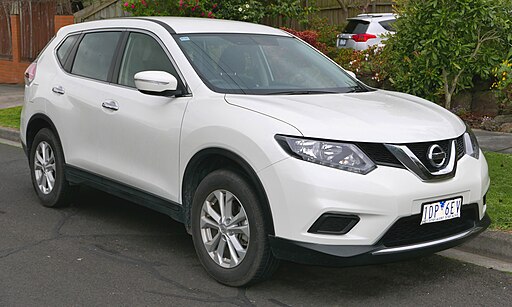
Nissan X-Trail faults
The Nissan X‑Trail has earned popularity as a versatile and capable crossover SUV that adapts well to both urban and off‑road conditions. Over its many years of production, owners have reported a variety of faults—some minor and easily remedied, others more significant but common enough to merit careful inspection. From engine hesitations to suspension wear and electrical glitches, these recurring issues offer valuable insights for anyone considering a used X‑Trail. The following sections break down these faults into categories, examining their symptoms, causes, and potential remedies.
Engine and Powertrain Faults
Engine performance forms the heart of any vehicle. In the X‑Trail, several engine- and transmission-related issues have been consistently reported by owners.
Engine Starting and Stalling Issues
- Fault Description: Some owners have experienced difficulty starting the engine or unexpected stalling during acceleration or idling.
- Potential Causes: Faulty camshaft sensors and failing timing chain tensioners are frequently implicated in these problems. On older models, sensor misalignment may also be a factor, resulting in inadequate fuel delivery or misfiring.
- Impact: These issues can lead to sporadic engine performance, increased wear on engine components, and in some cases, complete failure to start.
- Remedies: A diagnostic check is essential. Replacing the camshaft sensor or recalibrating/replacing the timing chain tensioner can restore reliable starting and prevent further damage.
Timing Chain and Camshaft Sensor Problems
- Fault Description: Early-generation X‑Trails are known to experience timing chain wear and sensor issues.
- Potential Causes: Extended use without proper maintenance may lead to a loose or stretched timing chain, while the camshaft sensor might deteriorate due to heat cycling and age.
- Impact: If unchecked, these faults can result in inefficient engine timing, reduced power output, or, in worst-case scenarios, engine failure.
- Remedies: Regular maintenance, including the replacement of timing components as recommended by Nissan, and periodic sensor testing can help prevent major engine issues.
Turbocharger and Exhaust-Related Concerns
- Fault Description: Particularly in diesel variants of the X‑Trail, owners have reported a whistling sound from the engine bay, excessive black smoke, and a noticeable loss of power.
- Potential Causes: These symptoms are often linked to turbocharger issues—including oil leaks from the intercooler and worn turbo components.
- Impact: A malfunctioning turbocharger can significantly reduce engine performance, leading to inefficient combustion and higher fuel consumption.
- Remedies: Timely inspection and replacement of the turbocharger or its associated components are critical. Regular oil changes and monitoring of oil levels may delay the onset of these issues.
Diesel Particulate Filter (DPF) Blockages
- Fault Description: Diesel models occasionally trigger a DPF warning light, indicating a blockage in the particulate filter.
- Potential Causes: Frequent short journeys that do not allow the exhaust to reach the necessary temperature for self-cleaning often result in soot buildup within the DPF.
- Impact: A blocked DPF reduces engine efficiency, increases fuel consumption, and may lead to performance issues as the engine struggles to manage exhaust flow.
- Remedies: Owners should consider longer drives at higher RPMs periodically to aid regeneration. In more severe cases, professional cleaning or replacement of the DPF is required.
Fuel System and Combustion Faults
Smooth fuel delivery is essential for engine performance. Several faults related to the fuel system have been observed in the X‑Trail.
Fuel Leak Issues
- Fault Description: Some models, particularly earlier ones, exhibit fuel leakage often traced to the filler tube or nearby components.
- Potential Causes: Over time, exposure to the elements can cause rust or small perforations in the fuel filler tube, leading to seepage.
- Impact: Fuel leaks present both a safety hazard and an unnecessary financial drain due to wasted fuel.
- Remedies: Inspection of the fuel system and replacement or patching of the affected components ensures safe operation. Routine checks of the filler tube can prevent unexpected leaks.
Electrical and Sensor-Related Faults
Modern vehicles rely heavily on electronic systems and sensors. The X‑Trail is no exception, and various electronic glitches have been reported.
Oxygen Sensor Failures
- Fault Description: Many owners have noted erratic engine behavior accompanied by higher-than-normal emissions, correlating with issues in the oxygen sensor.
- Potential Causes: Faulty oxygen sensors may result from prolonged exposure to exhaust gases or manufacturing variances, particularly in models built between specific production periods.
- Impact: An inaccurate sensor can misinform the engine management system, leading to improper fuel-air mixture adjustments. This results in power loss and increased emissions.
- Remedies: Replacement of the faulty oxygen sensor and subsequent recalibration of the system typically restores proper engine performance.
Infotainment and Dashboard Electrical Glitches
- Fault Description: Users have sometimes experienced malfunctions with the infotainment system and inconsistent dashboard displays.
- Potential Causes: Software glitches and intermittent wire faults are common culprits. Exposure to harsh temperatures or minor water ingress may also affect electrical connections.
- Impact: While these issues are rarely safety-critical, they can degrade the overall user experience and may lead to expensive repairs if left unattended.
- Remedies: Software updates from an authorized service center or addressing loose connections in the wiring harness can often resolve these glitches.
Suspension and Structural Concerns
Beyond the engine and electronics, the X‑Trail has also been known to exhibit faults related to its suspension and other structural components.
Suspension and Shock Absorber Wear
- Fault Description: Deterioration of suspension components, such as dampers or shock absorbers, is a fairly common issue—especially in vehicles that have seen extensive off‑road use.
- Potential Causes: Frequent driving on rough terrains accelerates wear in suspension bushings, shock absorbers, and linkages.
- Impact: Worn suspension parts lead to a harsher ride, uneven tire wear, and compromised vehicle handling, potentially affecting safety.
- Remedies: Periodic inspections and timely replacement of worn suspension components can restore ride quality and stability.
Other Notable Faults
In addition to the more prominent issues, several miscellaneous faults are reported by Nissan X‑Trail owners.
Boot Support Struts and Tailgate Issues
- Fault Description: The gas struts supporting the tailgate or boot can corrode and eventually fail, leading to unsafe operation.
- Potential Causes: Prolonged exposure to moisture, road salt, and environmental contaminants commonly affects these moving parts.
- Impact: A sudden failure of these struts may result in the boot or tailgate not remaining securely open, posing a safety hazard.
- Remedies: A thorough inspection and replacement of the corroded struts, often covered under recalls for certain production periods, can mitigate this risk.
Miscellaneous Sensor and Engine Management Issues
- Fault Description: Some owners report sporadic issues with various sensors (such as engine management or ambient sensors) that can lead to intermittent warning lights and inconsistent vehicle performance.
- Potential Causes: Aging wiring systems, poor environmental sealing, or minor manufacturing defects contribute to sensor malfunctions.
- Impact: These faults typically result in minor performance issues but can cause diagnostic challenges and lead to unnecessary service visits.
- Remedies: Regular diagnostic scans and prompt repairs of any sensor failures help maintain reliable engine management.
Conclusion
While the Nissan X‑Trail remains a popular and versatile choice in the used car market, it is not immune to certain recurring faults—many of which reflect the natural aging and varied usage of a vehicle built for both urban and off‑road adventures. Engine starting issues, timing chain and sensor problems, DPF blockages, fuel leak concerns, and occasional electrical quirks each have their origins in the X‑Trail’s design and operational demands. Prospective buyers and current owners benefit greatly from thorough pre-purchase inspections and a clear understanding of these common issues. With proper maintenance and timely repair, many of the faults identified here can be managed effectively, ensuring that the Nissan X‑Trail continues to offer reliable and confident performance over the long term.
Nissan X-Trail as a used car
Nissan X‑Trail as a Used Car: A Comprehensive Technical Overview
The Nissan X‑Trail has earned a reputation as a reliable and versatile crossover SUV. Offering a balance between rugged capability and urban practicality, it is a favorite among families and adventurous drivers alike. When considering a used Nissan X‑Trail, understanding its technical specifications, history, and common maintenance nuances is key to making an informed purchase. This article provides an in‐depth look at the X‑Trail’s evolution, technical details, interior features, and essential ownership considerations.
Introduction to the Nissan X‑Trail
Since its debut at the turn of the millennium, the Nissan X‑Trail has continually evolved to meet the needs of modern drivers. Originally designed as a mid‑sized SUV with off‑road abilities and spacious seating, the X‑Trail now appeals to buyers seeking advanced technology and comfort. Its blend of performance, efficiency, and a flexible interior layout has made it a popular choice in the used car market.
History and Evolution
Generational Developments
The X‑Trail has undergone several generational updates, each bringing improvements in engine performance, safety, and technology. Early models focused on functionality with a rugged design and off‑road capabilities, while later generations introduced refined styling and driver‑assistance features. This evolution ensures that even earlier models can offer a robust driving experience when properly maintained.
Advancements in Design and Technology
Over time, Nissan enhanced the X‑Trail’s build quality by incorporating higher‑strength materials, improved suspension systems, and more efficient powertrains. Modern iterations now boast updated infotainment systems, connectivity options, and advanced safety features such as adaptive cruise control and lane‑keeping assist. These updates provide valuable benefits for used car buyers who value both practicality and modern comforts.
Technical Specifications
Understanding the mechanical and technological details of the Nissan X‑Trail is essential for evaluating a used model.
Engine and Powertrain
Engine Options
The X‑Trail has been offered with a range of engine choices to suit different driving preferences and fuel requirements:
- Petrol Engines: Many models feature a robust 2.5‑liter inline‑four petrol engine that produces between 170 and 190 horsepower. These engines are tuned for balanced performance in both city driving and open road conditions.
- Diesel Engines: Diesel variants in the X‑Trail are popular in markets where fuel economy is a priority. Engines such as the 2.0‑liter or 2.2‑liter units deliver strong torque—often in excess of 350 Nm—making them well‑suited for long‑distance touring and challenging terrain.
- Hybrid Options: Some newer models and select markets have seen the introduction of hybrid powertrains. These combine a traditional engine with an electric motor to enhance fuel efficiency without sacrificing performance.
Below is a summary table highlighting common engine variants:
| Engine Type | Displacement | Power (HP) | Torque (Nm) | Notable Benefits |
|---|---|---|---|---|
| 2.5‑L Petrol | 2,500 cc | 170‑190 | ~240–260 | Balanced performance and efficiency |
| 2.0/2.2‑L Diesel | 2,000–2,200 cc | 140‑160 | ~350+ | Strong torque and fuel economy |
| Hybrid (varies by market) | – | Varies | Varies | Improved fuel efficiency |
Performance Characteristics
X‑Trail engines are designed to offer a responsive driving experience with good acceleration and smooth performance across a variety of terrain. The robust powertrains ensure that the X‑Trail provides ample power during overtaking maneuvers and moderate off‑road excursions.
Transmission and Drivetrain
Transmission Options
The Nissan X‑Trail is available with both manual and automatic transmission systems:
- Manual Transmission: Typically offered with a 5‑ or 6‑speed gearbox, the manual option appeals to drivers who appreciate greater control over shifting and a more engaging driving experience.
- Automatic Transmission: Nissan’s Xtronic Continuously Variable Transmission (CVT) is a common feature in many models. The CVT is tuned for smoother gear transitions and better fuel efficiency in stop‑and‑go traffic.
Drivetrain Configurations
The X‑Trail is primarily configured as a front‑wheel‑drive (FWD) vehicle. However, many models offer all‑wheel‑drive (AWD) as an option, enhancing traction, stability, and off‑road capabilities. The AWD system intelligently distributes power between the front and rear wheels to optimize grip in adverse weather or challenging road conditions.
Chassis, Dimensions, and Fuel Efficiency
Dimensions and Interior Space
The design of the X‑Trail focuses on maximizing passenger comfort and cargo versatility:
- Exterior Dimensions: The vehicle generally measures around 4,680 mm in length, approximately 1,825 mm in width, and 1,680–1,700 mm in height, with a wheelbase of about 2,750 mm. These dimensions result in a balanced and stable ride.
- Interior Layout: The X‑Trail is available in configurations that may seat five or seven passengers. The flexible seating arrangements and expandable cargo space (with rear seats folded, cargo capacity can exceed 1,700 liters) ensure that the vehicle meets a variety of lifestyle needs.
Fuel Efficiency
Fuel economy remains one of the X‑Trail’s key selling points. Petrol models typically achieve around 30–35 mpg in combined driving conditions, while diesel engines can reach figures as high as 40–45 mpg. The introduction of hybrid variants in newer models further boosts efficiency for drivers with long daily commutes.
Interior Features and Technology
Comfort and Convenience
Inside the cabin, the Nissan X‑Trail is designed to offer comfort and ease of use:
- Seating and Materials: High‑quality upholstery and ergonomic seating ensure long‑distance comfort for both driver and passengers. The interior layout is intelligently designed to reduce driver fatigue and enhance the overall driving experience.
- Climate Control: Dual‑zone climate control systems, available in many models, allow individual temperature adjustments for the driver and front passenger, contributing to a comfortable cabin environment in all weather conditions.
Infotainment and Connectivity
Modern X‑Trail models integrate a range of technological features to keep drivers connected and informed:
- Infotainment System: A touchscreen display serves as the central hub for navigation, media, and vehicle settings. Features such as Bluetooth connectivity, USB ports, and smartphone integration through Apple CarPlay and Android Auto are commonly available.
- Driver Assistance: Advanced driver‑assistance systems (ADAS) such as rearview cameras, parking sensors, lane‑keeping assist, and adaptive cruise control enhance both safety and convenience, making the X‑Trail a worthwhile option even as a used car.
Safety and Structural Integrity
Safety Features
Nissan has placed a strong emphasis on safety throughout the X‑Trail’s design:
- Airbags and Restraints: Multiple airbags—for the front, side, and curtain areas—provide comprehensive protection in the event of a collision.
- Braking and Stability Control: An advanced anti‑lock braking system (ABS) and electronic stability control (ESC) complement the vehicle’s overall safety strategy, helping maintain control during abrupt maneuvers.
Structural Design
The X‑Trail’s chassis incorporates reinforced body structures and strategically engineered crumple zones to absorb and dissipate impact energy. These design elements have contributed to strong safety ratings in various crash tests and are a key consideration for used car buyers.
Maintenance and Ownership
Routine Maintenance Considerations
Owning a used Nissan X‑Trail can be rewarding if you keep up with regular maintenance. The following routine checks and services are essential:
- Regular Service History: Look for models with documented service records, including oil changes, brake inspections, and transmission servicing.
- Component Inspections: Periodically check suspension components, tire wear patterns, and the condition of the drivetrain—especially if the vehicle has seen off‑road use.
- Diagnostic Tests: A pre‑purchase diagnostic is invaluable in detecting potential issues with electronic systems or engine performance.
Common Areas to Monitor
While the X‑Trail has a reputation for reliability, some areas may show wear on older models:
- Suspension Wear: Over time, suspension bushings and shock absorbers may deteriorate, affecting ride comfort.
- Transmission Health: Maintain proper fluid levels to ensure the longevity of both manual and CVT systems.
- Electrical Components: Watch for any irregularities in the infotainment system or sensor functions that might require software updates or wiring repairs.
Factors to Consider When Buying a Used Nissan X‑Trail
Service History and Mileage
Always review the vehicle’s service history. A well‑maintained X‑Trail with lower mileage is more likely to provide years of dependable performance. Comprehensive service records help verify that critical maintenance has been performed regularly.
Overall Condition and Inspection
Conduct a thorough inspection of both mechanical components and cosmetic features. Look for signs of wear, potential accident damage, and ensure that all systems—from engine performance to electronic features—are in good working order.
Price, Resale Value, and Long‑Term Costs
The X‑Trail tends to hold its value in the used car market. Compare pricing across similar models and ensure you factor in long‑term maintenance costs such as servicing, spare parts, and potential repairs. A comprehensive evaluation against your budget and driving needs will ultimately help you make a sound investment.
Conclusion
The Nissan X‑Trail stands as a versatile and well‑equipped crossover SUV that combines rugged performance with modern comforts and advanced safety features. Whether you’re drawn to its robust powertrains, spacious interior, or reliable handling in diverse conditions, the X‑Trail offers a compelling package for used car buyers. By examining its technical specifications, verifying a solid service history, and conducting careful inspections, you can confidently invest in a vehicle that meets both your practical and lifestyle demands.
_ST_2WD_wagon_(2015-08-07)_01.jpg)