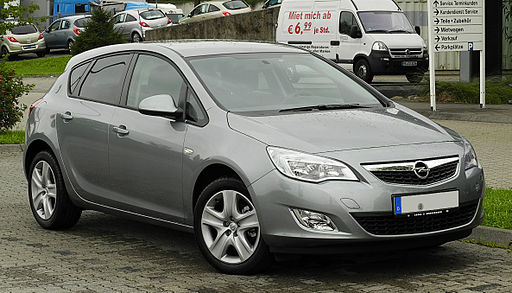
Opel Astra faults
The Opel Astra has long been a popular compact car choice across Europe. Its blend of stylish design, balanced performance, and practicality has made it a common sight on the roads. Like every vehicle, especially those that have accumulated miles over several generations, the Astra has its share of recurring faults. Some of these issues are linked to engine wear or sensor inaccuracies, while others are related to the electrical, suspension, or structural components. Below, we break down these faults into distinct categories to provide you with a detailed understanding of what to look for when considering a used Opel Astra.
Engine and Powertrain Faults
The heart of the Opel Astra is its engine and associated drive components. Over time—and sometimes even with proper maintenance—certain engine-related issues can emerge.
Timing Belt and Associated Components
- Symptoms: Early models and high-mileage vehicles have reported issues such as engine misfires or even catastrophic engine failure if the timing belt slips or breaks. You may also notice unusual noises from the timing belt area.
- Potential Causes: The timing belt, along with the tensioners and pulleys, can wear out if not replaced at recommended intervals. Age and high mileage accelerate rubber degradation.
- Remedies: Regular timing belt replacement according to the manufacturer’s guidelines is essential. A thorough check of the belt, tensioners, and pulleys during service can prevent severe engine damage.
Fuel Pump and Engine Misfire Issues
- Symptoms: Owners sometimes report engine hesitation, misfires during acceleration, or intermittent stalling—especially under load. These can be accompanied by a check engine light and erratic fuel trim readings.
- Potential Causes: A faulty fuel pump or aging injectors can lead to inconsistent fuel delivery. Additionally, clogged filters or sensor drift (in oxygen sensors or mass airflow sensors) may contribute to an improper fuel–air mixture.
- Remedies: Diagnostics with an OBD-II scanner will often reveal fault codes that guide repairs. Replacing or cleaning fuel injectors, checking the fuel pump, and testing related sensors are common fixes.
Ignition and Exhaust System Problems
- Symptoms: Problems such as rough idling, a tendency for the engine to cut out at low revs, or even a persistent knocking noise may indicate issues in the ignition or exhaust systems. Oil leaks around the rocker cover and intake manifold cracking have also been reported in some cases.
- Potential Causes: Worn spark plugs, deteriorating coil packs, or a malfunctioning coolant temperature sensor can impact ignition quality. Additionally, an aging exhaust manifold, sometimes developing cracks, may lead to poor combustion efficiency or overheating.
- Remedies: Regular replacement of the spark plugs and coils is advised on high-mileage examples. Repairing or replacing a cracked manifold, along with resealing oil leaks using a quality gasket or sealant, can resolve these issues.
Electrical and Sensor-Related Faults
Modern engine management relies on numerous sensors and electronic control modules. In the Opel Astra, some faults in these areas are relatively common.
Oxygen Sensor and Coolant Temperature Sensor Faults
- Symptoms: Erratic engine behavior such as misfires, poor acceleration, or a sudden check engine light can often be traced back to sensor issues. For example, if the oxygen sensor is reporting inaccurate fuel mixture data, the engine may run too lean or too rich.
- Potential Causes: Over time, contaminants and heat cycles can reduce the accuracy and responsiveness of oxygen sensors and coolant temperature sensors. This misreporting can lead the engine control unit (ECU) to adjust fuel delivery inappropriately.
- Remedies: Replacing these sensors and recalibrating the engine management system typically resolves the problem. Regular diagnostics during scheduled maintenance help catch these issues early.
Fuel Gauge and Instrument Cluster Inaccuracies
- Symptoms: Some Astra owners have noted that the fuel gauge gives inconsistent readings. The instrument cluster may also display erratic behavior, with warning lights coming on unexpectedly.
- Potential Causes: Faulty wiring or a degraded fuel level sensor can lead to erroneous fuel readings. Electrical connections in the instrument cluster may also suffer from corrosion or wear.
- Remedies: Repairing or replacing the faulty sensor and addressing any wiring issues can restore accurate readings. In some instances, a software update or recalibration of the instrument cluster electronics may be necessary.
Structural, Suspension, and Brake System Faults
Beyond the engine and electrical system, mechanical and structural components can show signs of wear with time.
Suspension and Chassis Wear
- Symptoms: Drivers may experience a harsher ride, noticeable clunking noises during cornering, or uneven tire wear. Vibrations may also be felt at higher speeds.
- Potential Causes: These symptoms are usually due to worn suspension bushings, shock absorbers, or engine/transmission mounts. Road conditions, especially in urban areas with potholes and rough surfaces, can accelerate wear.
- Remedies: Routine checks and timely replacement of suspension components—such as shocks, struts, and bushings—will help maintain ride quality and handling stability.
Corrosion and Body Integrity Issues
- Symptoms: Rust spots on the wheel arches, sills, or fenders are common in older Astra models, particularly in climates exposed to road salt and high humidity. Corrosion might also affect underlying structural components and even electrical wiring.
- Potential Causes: Over time, exposure to moisture and corrosive salts causes metal fatigue and rust. In areas with less effective underbody protection, this risk is higher.
- Remedies: Careful inspection and, when necessary, body work or rust-proofing treatments can help manage corrosion. Regular cleaning and protective coatings may also slow the process.
Brake System and Steering Issues
- Symptoms: Reports include uneven brake pad wear, a tendency for the brakes to become less responsive, or a slight delay in steering input. These issues may be accompanied by unusual noises during braking or while turning.
- Potential Causes: Over time, brake components such as pads, discs, and sensors can wear out. In some models, the sensor wiring may degrade, leading to erratic anti-lock braking system (ABS) performance. Steering components, including the rack and tie rods, can also suffer from wear and play.
- Remedies: Regular brake system inspections and timely replacement of worn pads, discs, and sensors are critical. Checking and servicing the steering linkage and related components as part of routine maintenance helps maintain precise steering control.
Miscellaneous Issues and Recalls
In addition to the faults mentioned above, some Opel Astra models have been subject to recalls and manufacturer advisories for specific issues:
- Recalls for Component Failures: Some production batches have been recalled due to specific defects that could affect safety—for example, issues with the low-pressure fuel line contacting an ignition component or faults in the ABS module.
- Software and Calibration Updates: Certain electronic glitches have been resolved through software updates from Opel. Prospective buyers should verify that any required recall work or firmware updates have been performed on the used vehicle.
Conclusion
While the Opel Astra remains a popular and well-regarded compact car, it is important for prospective owners to be aware of its common faults. Issues stemming from timing belt wear, fuel delivery inconsistencies, sensor malfunctions, suspension wear, and potential corrosion can arise as the vehicle ages. Regular maintenance and prompt repairs are crucial to keeping the Astra running reliably.
Opel Astra as a used car
Opel Astra as a Used Car: A Comprehensive Technical Overview
The Opel Astra has long been celebrated as a stellar representative of the compact car segment. Renowned for its blend of performance, stylish design, and advanced technology, the Astra has evolved over generations into a practical option for daily commuting and longer journeys alike. As a used car, it offers attractive value—provided you understand its technical specifications, strengths, and the areas that may require extra attention. This article walks you through the history, technical details, and ownership considerations of the Opel Astra to help you make an informed decision.
Introduction
The Opel Astra is a model that has seen multiple generations and many variations, each designed to balance efficiency with comfort and performance. Today, you can find used Astra models with modern infotainment systems, efficient engines, and improved safety features. Whether you are looking for a dependable commuter, a stylish compact car for urban driving, or a dynamic performer on country roads, the Astra has something to offer. However, as with any used car, a clear understanding of its technical details and potential maintenance requirements is crucial.
History and Evolution
Model Background
The Astra first made its mark as a family-oriented hatchback, later evolving into a more refined and technologically advanced model. Over the years, Opel has refined the Astra’s lines, interior quality, and performance dynamics. Early models were known for their robust build quality and simplicity, while recent generations have introduced enhanced safety features, driver-assistance technologies, and more efficient engine options.
Design Philosophy
Opel’s design philosophy behind the Astra has always been to marry practicality with a modern, dynamic style. The exterior features crisp lines, a sculpted front fascia, and a distinctive grille that gives the Astra a confident presence on the road. Inside, the cabin is designed to maximize space with an intuitive layout, quality materials, and smart storage solutions. This blend of style and functionality makes the Astra a desirable proposition for both new and used car buyers.
Technical Specifications
When evaluating the Opel Astra as a used car, a careful review of its technical specifications is essential. The following sections detail the powertrain, transmission, dimensions, fuel efficiency, and interior technology.
Engine and Performance
Engine Options and Outputs
The Opel Astra has been offered with a wide range of engines to suit different markets and driving preferences. Typical engine options include:
- Petrol Engines:
- 1.4-Liter Turbocharged: Producing between 120 and 150 horsepower, these engines deliver brisk acceleration and engaging performance.
- 1.6-Liter Naturally Aspirated/Turbo Options: Earlier variants are also available in 1.6-liter configurations, offering a balance between economy and performance.
- Diesel Engines:
- 1.6 or 1.7-Liter CDTI: These engines are known for their impressive fuel economy and robust low-end torque. Diesel models are particularly popular with those seeking lower running costs and solid performance on long journeys.
Across these engine options, the Astra’s performance is characterized by smooth power delivery, responsive throttle response, and refinement in everyday driving. Acceleration figures typically see the car achieving 0–100 km/h in roughly 9–11 seconds in the higher-output variants.
Performance Characteristics
Despite its compact packaging, the Astra’s well-engineered suspension and chassis provide agile handling and a comfortable ride. The engine bay is designed for optimal cooling and efficient combustion, meaning that even in spirited driving conditions, the engine remains cool and reliable. Whether navigating urban streets or cruising on the motorway, the Astra is engineered to deliver balanced performance without compromising fuel efficiency.
Transmission and Drivetrain
Transmission Options
The Opel Astra is commonly available with a choice of transmission systems, making it adaptable to a range of driving preferences:
- Manual Transmission: Many models are equipped with 5-speed or 6-speed manual gearboxes. This option is popular with enthusiasts who appreciate the engagement and control that manual shifts provide.
- Automatic Transmission: Modern variants offer sophisticated automatic options, such as a 6-speed automatic or a dual-clutch transmission (depending on the market and production year). These automatics are designed to provide smooth transitions, enhancing comfort during urban and stop-and-go driving.
Drivetrain Configuration
Most Astra models come with a front-wheel-drive (FWD) layout. This simple yet effective configuration maximizes interior space and fuel efficiency while ensuring predictable handling. Some sportier variants or limited editions may also offer enhanced dynamic tuning to improve traction and stability during high-speed maneuvers.
Chassis, Dimensions, and Fuel Efficiency
Exterior and Interior Measurements
Understanding the physical dimensions of the Astra is key when considering resale value and driving practicality:
- Exterior Dimensions: The Astra typically measures around 4,300–4,500 mm in length, 1,800–1,820 mm in width, and 1,450–1,500 mm in height, with a wheelbase in the region of 2,600–2,700 mm. These dimensions allow for a spacious cabin while maintaining a compact footprint ideal for maneuvering in urban environments.
- Interior Space: Despite its compact exterior, the layout is designed to offer generous legroom, headroom, and cargo space. The intelligently designed dashboard and seating arrangements contribute significantly to driving comfort and overall usability.
Fuel Economy and Emission Standards
Fuel efficiency is one of the Astra’s strong points:
- Fuel Economy: Petrol models usually deliver combined fuel consumption figures of around 6.5–7.5 L/100 km, while diesel variants can achieve even lower figures, often in the range of 5.0–6.0 L/100 km.
- CO₂ Emissions: Thanks to continuous improvements in engine technology and emissions control systems, the Astra conforms to rigorous European emission standards, resulting in lower annual road taxes and a reduced environmental impact.
Interior Features and Infotainment
Cabin Comfort and Ergonomics
Inside the Astra, the focus is on practicality coupled with modern comforts:
- Seating and Materials: The seats are designed for long-distance comfort, incorporating supportive cushioning and ergonomic design. Higher-spec models may feature leather-appointed seats and ambient lighting to enhance the premium feel.
- Dashboard and Instrumentation: A driver-focused instrument cluster provides essential information in a clear and easily digestible format. Controls are intuitively laid out, allowing the driver to manage functions such as climate control, audio, and navigation without distraction.
Infotainment and Connectivity
Modern connectivity options add to the Astra’s appeal:
- Infotainment System: Many used models are equipped with touchscreen displays, Bluetooth connectivity, USB ports, and, in certain markets, smartphone integration with Apple CarPlay or Android Auto. This allows for easy access to navigation, music, and hands-free communication.
- Audio Options: Sound systems vary by trim, with premium models including upgraded audio packages that provide clear and robust sound quality.
Safety and Structural Integrity
Built-In Safety Features
Safety is a key component in the design of the Opel Astra:
- Airbags and Restraint Systems: Standard front, side, and curtain airbags are included to protect occupants in the event of a collision.
- Anti-lock Braking System (ABS) and Electronic Stability Program (ESP): These systems help maintain vehicle control during emergency maneuvers and adverse driving conditions.
- Crumple Zones and Structural Integrity: The Astra’s body is engineered with strategically placed crumple zones that absorb and dissipate collision energy, thereby enhancing occupant protection.
Driver Assistance Technologies
Modern variants of the Astra incorporate additional features:
- Parking Sensors and Rearview Camera: These assist drivers in safely maneuvering in tight urban spaces.
- Advanced Driver Assistance: Some models feature lane departure warnings, adaptive cruise control, and even collision avoidance systems—technologies that contribute to a safer driving experience.
Maintenance and Ownership Considerations
Routine Maintenance
As with any used car, diligent maintenance is crucial for long-term reliability:
- Service History: A well-documented service history is one of the most important factors. Regular oil changes, brake maintenance, and timely replacements of consumable parts are key.
- Common Wear Items: Check for wear in brake pads, suspension components, and tires. These aspects are particularly important in high-mileage examples.
- Engine and Transmission Care: Regular diagnostics can help identify minor issues before they escalate. This includes monitoring fluid levels, checking the condition of belts and hoses, and ensuring that the transmission operates smoothly.
Ownership Experience and Running Costs
- Fuel Efficiency and Emissions: The Astra’s efficient engines contribute to low running costs and help keep fuel bills manageable.
- Reliability: When maintained according to manufacturer recommendations, the Opel Astra is known for its robust performance and longevity.
- Resale Value: Its widespread popularity and solid engineering make the Astra hold its value relatively well in the used-car market.
Conclusion
The Opel Astra represents a compelling option for those seeking a reliable used compact car. With its robust engine options—ranging from efficient petrol units to economical diesel variations—solid handling, modern safety features, and a well-appointed interior, the Astra covers all the bases for daily commuting and longer trips. Prospective buyers should pay particular attention to the vehicle’s maintenance history and conduct a thorough inspection of essential components such as the engine, transmission, and safety systems.
_%E2%80%93_Frontansicht_(1),_14._August_2011,_Heiligenhaus.jpg)