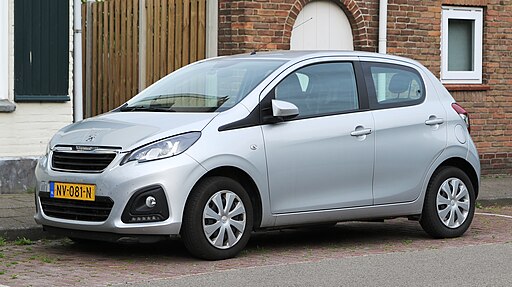
Peugeot 108 faults
The Peugeot 108 has been praised for its affordability and urban-friendly design. However, certain mechanical and electrical issues have been noted by owners over time. Some of these problems are minor and can be resolved with routine maintenance, while others may require more significant repairs. Understanding these faults can help prospective buyers and current owners manage maintenance effectively.
Engine and Performance Issues
Timing Chain Wear
Some Peugeot 108 models experience timing chain wear, which can lead to a rattling noise on startup. If left unchecked, this issue can affect engine timing and performance, potentially leading to costly repairs.
Clutch Wear and Gearbox Problems
- Premature Clutch Wear: The clutch in the Peugeot 108 is known to wear out faster than expected, especially in urban driving conditions where frequent gear changes are required.
- Gearbox Hesitation: Some owners report difficulty shifting gears, particularly in models with the 2-Tronic automated manual transmission. This can result in jerky movements or delayed gear engagement.
Fuel System and Misfires
- Fuel Injection Issues: Some models experience fuel injector faults, leading to uneven engine performance or misfires.
- Throttle Response Problems: A sluggish throttle response can sometimes be traced to carbon buildup in the intake system or faulty sensors.
Electrical and Sensor Faults
Dashboard Display and Warning Lights
- Erratic Instrument Cluster Behavior: Some Peugeot 108 models have issues with dashboard warning lights appearing unexpectedly due to faulty sensors or loose wiring.
- Infotainment System Glitches: The touchscreen infotainment system may experience connectivity issues, particularly with MirrorLink functionality.
Central Locking and Power Windows
- Locking System Malfunctions: Owners have reported intermittent central locking failures, often due to faulty actuators or wiring problems.
- Slow or Unresponsive Power Windows: Electrical faults can cause the power windows to operate sluggishly or stop working entirely.
Suspension and Steering Problems
Suspension Wear and Noises
- Creaking or Knocking Sounds: Worn bushings and shock absorbers can cause creaking noises when driving over bumps.
- Reduced Ride Comfort: Over time, suspension components may degrade, leading to a rougher ride.
Steering Column Issues
- Steering Column Failure: Some Peugeot 108 models have been recalled due to steering column defects, which could lead to loss of control if not addressed.
Braking System Faults
Brake Wear and Performance Issues
- Premature Brake Pad Wear: Some owners report that brake pads wear out faster than expected, requiring frequent replacements.
- Brake Noise: Squealing or grinding noises from the brakes may indicate dust buildup or worn brake components.
Body and Interior Faults
Water Leaks and Cabin Dampness
- Water Ingress Issues: Some Peugeot 108 models experience water leaks into the cabin, particularly around the footwells. This is often due to poor sealing or clogged drainage channels.
Seatbelt and Safety Concerns
- Rear Seatbelt Stitching Defects: Certain models have been recalled due to faulty seatbelt stitching, which could compromise passenger safety.
Conclusion
While the Peugeot 108 is a reliable city car, it does have some common faults that owners should be aware of. Regular maintenance and timely repairs can help mitigate these issues and ensure a smoother driving experience. If you’re considering purchasing a used Peugeot 108, checking its service history and inspecting key components like the clutch, gearbox, and electrical systems is highly recommended.
Peugeot 108 as a used car
The Peugeot 108 is celebrated as a compact, efficient, and stylish city car designed primarily with urban life in mind. Developed for easy maneuverability, low fuel consumption, and an engaging driving experience, the Peugeot 108 remains popular among drivers in congested areas. In the used car market, its attractive running costs and modern yet practical technical design continue to appeal to a broad audience. This article breaks down the car’s technical parameters—from its engine options to its chassis and interior features—to help you assess whether the Peugeot 108 is the right choice as a pre-owned vehicle.
Technical Specifications Overview
Understanding the technical specifications is essential for evaluating any used car. The Peugeot 108 is engineered to maximize performance in city environments, delivering on efficiency, practicality, and style while keeping onboard technology and comfort at an accessible level.
Dimensions and Body Structure
The compact exterior of the Peugeot 108 is one of its key attributes, ensuring that the car is easy to park and manage in tight urban settings.
- Length: Approximately 3475 mm
- Width: Around 1615 mm
- Height: Roughly 1460 mm
- Wheelbase: About 2340 mm
These dimensions create a vehicle that strikes a balance between interior space and compactness, ensuring agility around corners and friendly usability in congested streets.
Engine Options and Fuel Types
The Peugeot 108 comes with a range of petrol engines designed for low emissions and fuel efficiency, each tuned for urban performance without sacrificing practicality.
Petrol Engines
- Engine Displacement: Models are typically equipped with either a 1.0-liter or a 1.2-liter engine. The smaller 1.0-liter engines usually have a displacement of about 998 cm³ while the 1.2-liter engines push up to 1199 cm³.
- Power Output:
- Lower-power variants offer around 68 horsepower (50 kW), an ideal balance for city commuting.
- Higher-spec models boost power to approximately 82 horsepower (60 kW), providing a bit more pep for drivers needing extra performance.
- Fuel Consumption:
- Renowned for its efficiency, the Peugeot 108 typically delivers low fuel consumption figures. This efficiency, combined with CO₂ emissions usually ranging between 86 and 99 g/km, makes it a tax-friendly option in many European markets.
Performance Metrics
Engineered primarily for urban and suburban driving, the Peugeot 108’s performance metrics are focused on everyday usability rather than outright speed.
- Acceleration:
- While the 0–100 km/h time is moderate, the performance is assessed as perfectly adequate for stop-and-go city traffic and occasional highway stretches.
- Top Speed:
- The top speed hovers around 160 km/h, ensuring safety and reliability without the need for high-speed engines.
- Drive Configuration:
- Featuring front-wheel drive (FWD), the 108 offers predictable handling and stable traction, which is especially important in wet or slippery urban conditions.
Engine and Performance Details
A deeper understanding of the engine performance and dynamics helps uncover why the Peugeot 108 excels as a city car.
Engine Characteristics
- Low Displacement Efficiency:
- The small displacement engines (either 1.0 or 1.2 liters) are designed to maximize fuel efficiency, making them economical to run over long periods. Their robust design means that with routine maintenance, these engines can deliver reliable performance.
- Emissions and Environmental Impact:
- Low CO₂ emissions are a hallmark of the Peugeot 108. This not only benefits the environment but can also lead to reduced road taxes in several regions.
- Cooling and Lubrication:
- The engine systems are engineered for urban conditions. The cooling system is adequate for the moderate stresses of city driving, and a properly maintained oil regimen ensures longevity.
Practical Urban Performance
Though not a high-performance sports car, the Peugeot 108’s brisk handling and responsive braking make it ideal for city life. Its modest acceleration is more than sufficient for navigating urban traffic, and its compact powertrain ensures quick starts and efficient cruising in stop-and-go conditions.
Transmission, Chassis, and Suspension
The interplay between the transmission, chassis, and suspension significantly enhances the Peugeot 108’s urban credentials.
Transmission Options
- Manual Gearbox:
- Most versions come equipped with a 5-speed manual transmission, which many drivers appreciate for the direct control it offers in busy urban settings.
- Automatic Variant:
- Limited models feature an automated manual transmission (often referenced as a 2-Tronic), providing a smoother drive in heavy traffic conditions, albeit sometimes at a slight efficiency premium.
Chassis and Suspension Characteristics
- Chassis Construction:
- The lightweight chassis of the Peugeot 108 is designed to provide a rigid yet responsive platform that enhances stability and safety in urban driving.
- Suspension Setup:
- Typically, the 108 uses McPherson struts at the front combined with a torsion bar or coil system at the rear. This setup is tuned for comfort over the occasional urban imperfections while maintaining good handling precision.
- Steering System:
- Equipped with electric power-assisted rack-and-pinion steering, the car offers quick and precise responses, essential for navigating tight city corners and parking lots.
Interior and Practical Features
Despite its compact exterior, the Peugeot 108 is designed to offer a functional and comfortable cabin that meets everyday urban needs.
Cabin Layout and Comfort
- Seating Configuration:
- The interior is designed to comfortably accommodate up to four passengers in a well-thought-out layout that maximizes limited space.
- Dashboard and Controls:
- The dashboard features clear, user-friendly gauges and controls. While it does not boast the latest infotainment technology, its simplicity aids in reducing distraction and contributes to an overall straightforward driving experience.
Cargo and Storage Possibilities
- Boot Space:
- The hatchback design of the 108 offers a modest but practical cargo area ideal for daily items, groceries, or luggage for short trips.
- Versatility:
- The intelligently designed interior storage compartments add convenience, making the car effective for city errands and small journeys.
Infotainment and Connectivity
- Standard Features:
- Basic audio systems, air-conditioning, and simple connectivity options ensure that the car remains practical for daily use, even as technology evolves.
- User-Friendly Design:
- Controls are straightforward, designed with simplicity in mind to help keep the driver’s attention on the road.
Ownership Considerations and Maintenance
When buying a used Peugeot 108, it is important to factor in maintenance history, overall condition, and the benefits of its economical design.
Service History and Mileage
- Maintenance Records:
- A complete service history is crucial with any used model. Look for regular oil changes, timely servicing of the engine, and checks of the clutch and transmission systems.
- Mileage:
- Although lower mileage is always preferable, a higher-mileage 108 that has been well maintained can still offer dependable performance thanks to its efficient design.
Operating Costs
- Fuel and Maintenance Efficiency:
- The Peugeot 108’s low fuel consumption and affordable maintenance costs are among its strongest selling points, ensuring that running costs remain low over time.
- Insurance and Tax Benefits:
- Thanks to its efficient engine and low CO₂ emissions, the 108 often benefits from lower insurance premiums and favorable taxation policies in many regions.
Pre-Purchase Inspection
- Mechanical and Electrical Evaluation:
- Prior to purchase, a comprehensive inspection by a trusted mechanic is recommended to check for any wear in the engine, transmission, and suspension.
- Exterior and Interior Condition:
- Careful examination of the exterior for any signs of corrosion or damage, and the interior for wear and tear, can provide deeper insights into the car’s overall condition.
Conclusion
The Peugeot 108 stands out in the used car market as an excellent urban companion. Its compact dimensions, efficient petrol engines, balanced performance, and practical interior make it well-suited for city driving. The technical parameters—from the 1.0- to 1.2-liter engine options, low fuel consumption and CO₂ emissions, to its nimble chassis and smooth transmission—combine to create a vehicle that’s both economical and reliable.
