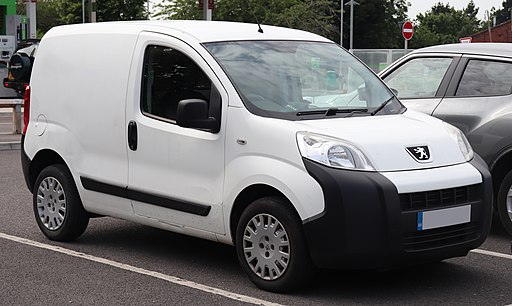
Peugeot Bipper faults
Engine Faults
Timing Chain Problems
The 1.3 CDTI unit in many Bippers is prone to timing chain stretch and guide wear. A rattling chain can eat through its cover, fling debris into oil galleries and wreck pistons or turbo internals. Routine inspections around every 50,000 miles are vital to catch early wear and avoid a full engine rebuild.
Turbocharger Failures
Carbon buildup in Prince engines and infrequent oil changes can starve the turbo of lubrication. Signs include sluggish boost response, unusual whines, or rising exhaust temperatures. Left unchecked, overheated bearings fail, often dragging debris back through the oil system and compounding engine damage.
Fuel Delivery Issues
Owners report intermittent stalling, misfires or hard starting when pumps or injectors falter. A weak fuel pump or clogged injector disrupts steady flow, leading to rough idling and poor acceleration. Symptoms often surface as increased fuel consumption or a persistent check-engine light.
Cooling System and Water Pump Failure
By roughly 40,000 miles, the Bipper’s water pump seals can deteriorate. Coolant then leaks, leaving pink deposits around the radiator and causing the engine to overheat. Timely replacement prevents warped heads or blown gaskets and keeps circulation healthy.
Transmission and Clutch
- Manual models can suffer a frayed clutch cable, leading to spongy pedal feel or slipping under load.
- Semi-automatic and automatic variants—though rare—sometimes exhibit gear grinding or selector hesitation.
- Overall, the Bipper gearbox is surprisingly robust, but regular fluid changes and cable inspections are recommended.
Other Known Issues
- Electronic gremlins: orange-triangle warnings, fuel-cut solenoid failures or MAF sensor faults can throw the van into limp mode.
- Interior and body: rattling trim panels, central-locking misbehavior and window regulator wear are often flagged on owner forums.
- Suspension wear: bushings and shocks on high-mile vans can lead to knocking over bumps and reduced road-holding.
Peugeot Bipper as a used car
The Peugeot Bipper occupies a unique niche in the small commercial vehicle segment. Launched in 2008 as a partner to the Citroën Nemo and Fiat Fiorino, it blends compact dimensions with surprisingly versatile cargo space. As a used vehicle, the Bipper appeals to urban tradespeople, delivery operators and families seeking a practical multi-purpose van. This article explores its technical specifications, driving characteristics and key considerations when shopping the used market.
Model Overview
Design and Positioning
Peugeot designed the Bipper around city-friendly proportions. At just under 4 metres in length, it slips through tight streets and fits into compact parking bays. The tall roofline and squared-off rear end optimize cargo volume, while sliding side doors and a split rear tailgate provide easy loading access. Inside, switchgear shares components with small Peugeot hatchbacks, delivering a familiar cabin layout for drivers transitioning from passenger cars.
Generations and Facelifts
- First generation (2008–2017): Introduced the 1.3 HDi diesel and 1.4 litre petrol engines, standard manual transmissions and optional air conditioning.
- Mid-cycle refresh (2012): Updated front bumper, grille styling and improved infotainment controls.
- Production ceased in 2017, replaced by newer models focused on electrification.
Engine Options
1.3 HDi Diesel
The 1.3 HDi diesel is the Bipper’s most common powerplant. It delivers:
- Displacement: 1,248 cc
- Power output: 75 PS at 3,600 rpm
- Peak torque: 190 Nm between 1,750–2,500 rpm
Its timing chain requires regular inspection around 80,000 km, and turbocharger longevity hinges on consistent oil changes. Fuel economy hovers around 4.5 L/100 km on mixed routes.
1.4 L Petrol
Less prevalent than the diesel but valued for quieter operation, the 1.4 litre petrol engine offers:
- Displacement: 1,360 cc
- Power output: 73 PS at 5,400 rpm
- Peak torque: 118 Nm at 3,500 rpm
With simplicity in its single-cam layout, it avoids timing-chain worries but returns around 7.5 L/100 km. It suits users with shorter urban runs where diesel particulate filter issues might arise.
Technical Specifications
| Specification | 1.3 HDi Diesel | 1.4 L Petrol |
|---|---|---|
| Displacement | 1,248 cc | 1,360 cc |
| Power | 75 PS @ 3,600 rpm | 73 PS @ 5,400 rpm |
| Torque | 190 Nm @ 1,750–2,500 rpm | 118 Nm @ 3,500 rpm |
| Transmission | 5-speed manual | 5-speed manual |
| 0–100 km/h | 15.2 s | 16.8 s |
| Top Speed | 158 km/h | 147 km/h |
| Fuel Consumption (WLTP) | 4.5 L/100 km | 7.5 L/100 km |
| CO₂ Emissions | 118 g/km | 175 g/km |
| Length × Width × Height | 3,965 × 1,716 × 1,777 mm | 3,965 × 1,716 × 1,777 mm |
| Wheelbase | 2,538 mm | 2,538 mm |
| Cargo Volume | 2.5 m³ | 2.5 m³ |
| Payload Capacity | 610 kg | 610 kg |
Interior and Cargo Space
Equipment and Comfort
Peugeot equipped the Bipper cabin with durable plastics and straightforward controls. Depending on trim level, used models may feature:
- Air conditioning or manual climate control
- Radio with CD player or optional Bluetooth connectivity
- Adjustable driver’s seat and steering column
- Dual front passenger seating bench or individual seats
Mileage often correlates with wear on seat bolsters and rubber floor mats, so inspect upholstery closely.
Cargo Capacity
With rear doors opened over 180 degrees, the load bay handles pallets up to 1.22 m wide. Key dimensions include:
- Load length: 1,523 mm
- Load height: 1,240 mm
- Rear door aperture width: 1,244 mm
Tie-down loops and partition options enhance safety when carrying tools, boxes or loose materials.
Driving Experience
Performance
On diesel models, low-end torque offers confident urban acceleration and hill-climb ability when loaded. Petrol variants feel more restrained but deliver smoother high-rpm operation. Noise insulation is modest, so highway cruising introduces noticeable engine and wind noise.
Handling and Ride
Short overhangs and a tight turning circle (10.4 m) make city manoeuvres effortless. Suspension tuning prioritizes load-bearing: steel springs and dampers absorb potholes but can feel firm when empty. Braking performance remains strong thanks to front discs and rear drums tuned for commercial loads.
Used Car Considerations
Common Wear and Tear
- Timing chain stretch on diesel units after 100,000 km
- Turbocharger oil seal leaks if service intervals are neglected
- Sliding door runners stiffen without lubrication
- Rust at rear sill joints and wheel arches in high-salt regions
Maintenance History
A full service record is invaluable. Key checks include:
- Oil change frequency and oil brand used
- Timing belt or chain service logs
- Brake fluid, coolant and gearbox oil change dates
- Evidence of any collision repair or rust-proofing
Pricing and Value
Typical European market prices (2020–2017 models) range:
- 1.3 HDi 75 PS: €4,000–€6,500 depending on mileage and spec
- 1.4 Petrol 73 PS: €3,500–€5,500
Higher-trim or well-maintained examples command a premium.
Buying Tips
- Always test-drive with cargo weight to assess ride quality and braking distance.
- Inspect the turbo and intercooler hoses for oil residue—an early warning of turbo wear.
- Slide both side doors fully and listen for binding or metal-on-metal noise.
- Confirm legal compliance for DPF removal or modifications on diesel models.
- Seek examples with optional options like a bulkhead partition, roof rails or rear parking sensors if you need versatility.
Conclusion
For buyers seeking a nimble, economical van, the Peugeot Bipper delivers a winner’s package—so long as you target well-maintained diesels or petrol units with documented service history. Its compact footprint, practical load bay and proven Peugeot mechanicals ensure it remains a compelling choice in the used-van marketplace. With careful inspection and maintenance, a Bipper will serve as a reliable workhorse or weekend adventure companion for years to come.
