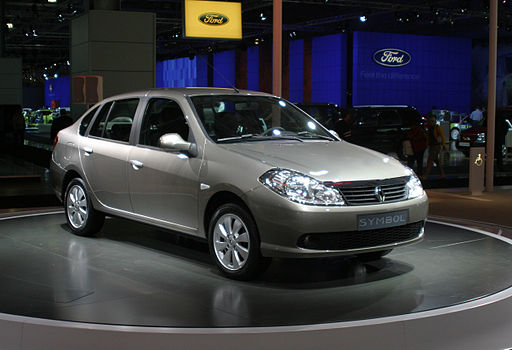
Renault Thalia faults
Common Renault Thalia Faults
Below is a breakdown of the most frequently reported issues on the Renault Thalia, organized by major systems. Each entry includes typical symptoms, underlying causes and usual remedies.
Engine & Fuel System
- Carbon‐clogged EGR valve Symptoms: Rough idle, intermittent loss of mid-range power, check-engine light. Cause: Soot buildup sticking the EGR open or closed on dCi models. Remedy: Remove and chemically clean or replace the valve; fit an oil catch-can to slow re-clogging.
- Seized high-pressure fuel pump (1.5 dCi) Symptoms: Engine stalling, hard starts, fuel smell in bay. Cause: Contaminated or degraded diesel leads to pump galling. Remedy: Replace pump cartridge or full assembly; always install a new primary fuel filter.
- Injectors with leaky seals Symptoms: White or black smoke on startup, misfire codes, strong fuel odor. Cause: Hardened o-rings or carbon at nozzle tips. Remedy: Renew injector seals or fit refurbished injectors; run periodic diesel injector cleaner.
- Ignition coil failures (1.4 16V petrol) Symptoms: Misfires, engine-bay rattles, MIL illumination. Cause: Coil internals cracking after ~70 000 km. Remedy: Replace all coils together; swap spark plugs at the same time.
- Throttle-body and sensor faults Symptoms: Limp-home mode, surging idle, DF079/DF556 throttle codes. Cause: Dirt on throttle plate or failing throttle‐position sensors. Remedy: Clean throttle body, adapt with diagnostic tool; if errors return, replace the sensor.
- Low-pressure fuel pump or sender issues (petrol) Symptoms: No-start, erratic fuel gauge, fuel starvation under load. Cause: Wear in in-tank pump or clogged pickup strainer. Remedy: Replace pump module and clean tank strainer; refit fresh sender unit.
Transmission & Drivetrain
- Manual gearbox crunching in first/reverse Symptoms: Gear grinding on selection, hesitant engagement. Cause: Worn synchros or misaligned clutch linkage. Remedy: Rebuild gearbox synchromesh; adjust or replace clutch release components.
- Clutch slipping or judder Symptoms: Rising engine revs without acceleration, shudder on take-off. Cause: Worn friction plate or contaminated clutch disc. Remedy: Replace clutch kit and inspect flywheel surface for heat damage.
- Timing-belt or tensioner noise Symptoms: Ticking or rattling at engine front, especially on cold start. Cause: Hydraulic tensioner failure or belt stretch. Remedy: Change belt, rollers and tensioner at recommended service interval (~120 000 km).
Electrical & Electronics
- Speedometer or sensor failure Symptoms: Speedo needle stuck at zero, ABS-warning light. Cause: Damaged vehicle-speed sensor or corroded wiring at gearbox connector. Remedy: Replace sensor and repair corroded wires; reseal connector boot.
- Dashboard display glitches Symptoms: Flickering cluster, blank infotainment screen, random warning lamps. Cause: Poor earth points, failing display capacitors. Remedy: Clean chassis grounds, reflow solder joints on cluster board or fit a refurbished unit.
- Power-window regulator faults Symptoms: Window stalls, drops suddenly or won’t stay up. Cause: Stripped gearing in motor or broken guide rails. Remedy: Install new regulator assembly; lubricate runners during fitment.
- Central-locking and boot-lid electrical issues Symptoms: Door locks unresponsive, boot won’t unlock, key-cylinder binding. Cause: Frayed wiring to latch actuators or worn lock-mechanism plastics. Remedy: Replace actuator harness; service lock internals and fit waterproofing strips.
- Horn and fan-motor inoperable Symptoms: Horn silent, cooling fan fails below threshold temperature. Cause: Blown fuse, corroded relay contacts or burnt-out motor. Remedy: Test and replace fuses/relays; swap in new fan or horn unit.
Suspension & Steering
- Anti-roll bar link and bushing wear Symptoms: Clunks over bumps, vague handling. Cause: Rubber bushes split, metal link joints fatigued. Remedy: Replace both links and associated bushes in matched pairs.
- Steering-rack noise or leaks Symptoms: Whine or knocking on full lock, fluid drip under rack. Cause: Worn rack seals or failing power-steering pump. Remedy: Rebuild rack seals or fit a remanufactured unit; service pump.
- Shock absorbers and spring-plate corrosion Symptoms: Excessive bounce, uneven tyre wear. Cause: Water ingress accelerates upper-mount rust. Remedy: Renew dampers and top-mount plates; treat surrounding metalwork with rust inhibitor.
Body & Interior
- Seat-rail binding or broken catches Symptoms: Seat sticks when sliding, rattles on track. Cause: Worn plastic sliders and snapped spring clips. Remedy: Fit new rail slider strips and replace retaining springs; lubricate rails.
- Interior trim and door-panel rattles Symptoms: Buzzing from dash or doors over rough surfaces. Cause: Loose clips or degraded foam pads behind panels. Remedy: Secure all panel clips; add foam-tape dampers where needed.
Heating, Ventilation & Air Conditioning
- Blower-motor resistor failure Symptoms: Fan works only on highest speed or not at all. Cause: Resistor coil burnout or corroded connector. Remedy: Replace resistor pack and clean bulkhead earth points.
- Air-conditioning evaporator odours or leaks Symptoms: Musty cabin smell, damp mat under glovebox. Cause: Blocked drain tube or mold growth on evaporator. Remedy: Flush drain tube, treat heater-box with biocide spray and fit a new cabin filter.
Renault Thalia as a used car
The Renault Thalia carved out a niche as a compact three-box sedan derived from the Clio supermini platform. Launched in the early 2000s to meet demand for affordable small sedans, it blended practicality with low running costs. Today’s used-car market offers examples spanning nearly two decades, suiting first-time buyers, budget-minded drivers and city commuters alike. This guide explores the Thalia’s evolution, technical specifications, ownership costs and buying advice to help you find a reliable pre-owned example.
Overview and Heritage
The Thalia was engineered to provide extra boot space and a conventional sedan profile without inflating exterior dimensions. Beneath its boot-ended body lay a familiar Clio chassis, giving it nimble handling and straightforward mechanical layouts. Renault marketed it primarily in Eastern Europe and Latin America under various names, yet the core appeal remained consistent: robust entry-level motoring with a reassuring three-box silhouette.
Generations of the Renault Thalia
First Generation (2002–2007)
The inaugural Thalia featured rounded headlights, a simple fascia and a 470-litre boot. Engine choices mirrored the Clio II range: 1.2-litre 16-valve petrol, 1.4-litre petrol, and the ever-economical 1.5-litre dCi diesel. Standard features included manual air conditioning, height-adjustable steering and a basic CD player.
Second Generation (2007–2012)
A mid-cycle facelift brought sharper lines, revised bumpers and updated interior trim. Engine outputs rose modestly, with the 1.2 petrol now producing 75 hp and the 1.5 dCi offered in 70 hp and 85 hp tunes. ABS, dual front airbags and an MP3-compatible radio became standard on higher trims.
Third Generation (2012–2018)
The final Thalia iteration received modernized front and rear ends, a grippier steering rack and improved cabin ergonomics. Petrol units shrank to a 1.2-litre TCe turbocharged engine delivering 100 hp, while the 1.5 dCi diesel carried on with 90 hp. Touchscreen infotainment and Bluetooth hands-free calling filtered down to mid-range versions.
Technical Specifications
Engine Lineup
| Engine Type | Displacement | Power (hp) | Torque (Nm) | Transmission |
|---|---|---|---|---|
| 1.2 16V petrol | 1,149 cc | 75 | 107 | 5-speed manual |
| 1.4 16V petrol | 1,358 cc | 98 | 128 | 5-speed manual |
| 1.2 TCe petrol (Gen III) | 1,149 cc | 100 | 170 | 5-speed manual |
| 1.5 dCi diesel (70 hp) | 1,461 cc | 70 | 160 | 5-speed manual |
| 1.5 dCi diesel (85 hp) | 1,461 cc | 85 | 200 | 5-speed manual |
Transmission Options
- 5-speed manual across all petrol and diesel models
- 4-speed automatic offered on early 1.4 16V petrol variants
- No dual-clutch or CVT options in Thalia line-up
Chassis and Dimensions
| Dimension | Measurement |
|---|---|
| Overall length | 4,085 mm |
| Overall width | 1,730 mm |
| Overall height | 1,430 mm |
| Wheelbase | 2,581 mm |
| Boot capacity | 470 L (seats up) |
| Fuel tank capacity | 50 L |
Safety and Suspension
Base models come with front-impact airbags and ABS. Higher-trim versions add side curtain airbags and electronic brakeforce distribution. Suspension uses MacPherson struts upfront and a torsion-beam axle at the rear, tuned for predictable responses and minimal maintenance.
Comfort and Infotainment
Even entry-level Thalia variants include air conditioning, power-assisted steering and fabric upholstery. Mid-range models gain electric front windows, a trip computer and steering-wheel audio controls. Top-spec versions feature touchscreen radios with Bluetooth, USB connectivity and steering-wheel-mounted telephone buttons.
Running Costs and Ownership
Fuel Economy
Diesel models return between 4.2 and 4.5 litres per 100 km in mixed driving, making them ideal for high-mileage users. Petrol engines average 5.8 to 6.5 litres per 100 km, competitive for their modest power output and low insurance groups.
Maintenance Schedule
Renault recommends:
- Oil and filter change every 15,000 km
- Timing-belt, water pump and tensioner renewal at 120,000 km or five years
- Brake-fluid replacement every two years
Parts are widely available and affordable, thanks to shared components with the Clio platform.
Insurance and Tax
Thalia models typically reside in insurance groups 4–9 for petrol and 6–11 for diesel, depending on engine size and trim. CO₂ emissions span 114–139 g/km, keeping annual tax bills at entry-level rates in most European markets.
Buying Tips for a Used Thalia
Pre-Purchase Inspection
- Verify timing-belt service documentation and inspect for oil leaks at camshaft covers.
- Check EGR valve operation on diesel models; listen for rough idle or hesitation.
- Test air-conditioning efficiency and ensure all vents blow evenly.
- Examine rear torsion-beam mounts for corrosion and suspension-bush wear.
- Confirm central locking and electric-window switches operate smoothly on all doors.
Pricing and Depreciation
A well-maintained Thalia from 2007–2012 will typically trade between €2,000 and €4,500, depending on mileage and condition. Examples under 100,000 km command a modest premium, yet parts-share with the Clio keeps ongoing servicing costs low.
Conclusion
The Renault Thalia remains a sensible choice in the used-car arena, offering sedan practicality without sacrificing economy or reliability. Its shared underpinnings with the Clio ensure parts availability and straightforward maintenance. By focusing on service history, engine health and body integrity, you can secure a Thalia that continues to deliver value, comfort and frugal motoring for years to come.
