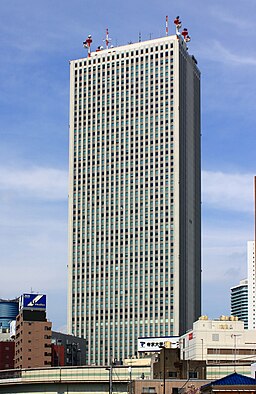
Sunshine 60
Sunshine 60: The Rise, Fall, and Revival of an Iconic Tokyo Skyscraper
Sunshine 60, a towering skyscraper located in Ikebukuro, Tokyo, is a significant landmark in Japan’s architectural and historical landscape. Completed in 1978, it was once the tallest building in Asia and held the title of Japan’s tallest building until 1991. The structure is part of the Sunshine City complex, a massive urban development that integrates commercial, office, and entertainment facilities in the heart of Tokyo.
Beyond its architectural grandeur, Sunshine 60 has a complex and fascinating history—from its construction on the site of the infamous Sugamo Prison to its reputation as a pioneer in modern skyscraper design and urban redevelopment.
In this article, we will explore the history, architecture, engineering innovations, economic impact, and cultural significance of Sunshine 60, highlighting its enduring role in Tokyo’s evolving skyline.
History and Development
Sugamo Prison: The Site’s Controversial Past
Before Sunshine 60 was built, the land was occupied by Sugamo Prison, a facility used during the Meiji, Taisho, and Showa periods. Sugamo Prison was notorious for housing war criminals after World War II, including political prisoners and members of the Japanese Imperial Army who were tried and sentenced by the Allied forces. Some prominent figures, such as former Prime Minister Hideki Tojo, were executed here in 1948.
After the prison was demolished in 1971, the Tokyo government and private developers saw an opportunity to revitalize Ikebukuro, which was lagging behind other commercial hubs like Shinjuku and Shibuya. This led to the ambitious Sunshine City project, with Sunshine 60 as its centerpiece.
Construction and Completion
The construction of Sunshine 60 began in 1973 and was completed in 1978. The building was designed by Mitsubishi Estate and Nikken Sekkei, two of Japan’s leading architectural firms. At a height of 240 meters (787 feet), it became the tallest building in Asia and remained Japan’s tallest until the completion of Yokohama Landmark Tower in 1991.
Sunshine 60 was a symbol of Japan’s economic revival and urban modernization, reflecting the rapid growth of Tokyo as a global metropolis.
Architectural Design and Structure
Modernist and Functionalist Approach
Sunshine 60 follows a modernist architectural style, characterized by simple geometric forms, clean lines, and a strong emphasis on functionality. The building is designed as a rectangular tower, featuring a glass-and-steel facade that reflects the city’s dynamic energy.
Interior Layout
The building consists of 60 floors above ground and five basement levels, with different sections designated for office spaces, commercial establishments, and observation facilities.
- Lower Floors – Shopping malls, restaurants, and entertainment venues.
- Mid-Level Floors – Corporate offices, banking institutions, and multinational companies.
- Upper Floors – An observation deck on the 60th floor, offering panoramic views of Tokyo.
- Basement Levels – Parking facilities, underground shopping areas, and access to the Tokyo Metro.
Sunshine 60 was also one of the first buildings in Japan to introduce high-speed elevators, capable of reaching speeds of 600 meters per minute (1,969 feet per minute), making it one of the fastest in the world at the time.
Engineering and Technological Innovations
Seismic Resistance and Structural Safety
As Japan is prone to earthquakes, Sunshine 60 was built using advanced earthquake-resistant technology for its time. The steel-frame structure with reinforced concrete cores provides excellent seismic resistance.
The building also employs:
- Shock-Absorbing Foundations – To reduce earthquake impact.
- Vibration-Control Systems – To minimize building sway during typhoons and earthquakes.
- Flexible Construction Materials – That absorb and dissipate seismic energy.
High-Speed Elevators
One of the most remarkable features of Sunshine 60 is its high-speed elevator system. The elevators can travel from the ground floor to the 60th floor in approximately 35 seconds, making them among the fastest elevators in Japan when the building was completed.
Economic and Urban Impact
Revitalizing Ikebukuro
Before Sunshine 60, Ikebukuro was overshadowed by other business districts such as Shinjuku, Shibuya, and Marunouchi. However, the construction of Sunshine City—a multi-use urban complex including Sunshine 60, shopping malls, hotels, and an aquarium—helped transform Ikebukuro into a major commercial and entertainment hub.
The area saw:
- A rise in real estate values due to increased business activity.
- New commercial developments, including department stores and cultural centers.
- Improved infrastructure, with better train and subway connections.
Business and Corporate Influence
Sunshine 60 became a prestigious business address, housing:
- Japanese and international corporations such as financial institutions, IT firms, and trading companies.
- Government offices and research centers, contributing to the area’s economic diversification.
By attracting businesses and tourism, Sunshine 60 played a crucial role in Tokyo’s economic expansion during the late 20th century.
Cultural and Social Significance
Symbol of Japan’s Economic Growth
In the 1970s and 1980s, Sunshine 60 symbolized Japan’s post-war economic resurgence. It was a showcase of modern architecture, technological advancement, and economic prosperity, making it an emblem of Tokyo’s global aspirations.
Haunted Legends and Urban Myths
Due to its construction on the former site of Sugamo Prison, Sunshine 60 has been associated with ghost stories and supernatural myths. Some workers and visitors have reported seeing ghostly figures, strange sounds, and unexplained phenomena in the building, adding to its mystique.
Despite these myths, Sunshine 60 remains one of Tokyo’s most visited landmarks.
Sunshine 60 in the 21st Century
Renovations and Upgrades
To maintain its relevance in Tokyo’s evolving skyline, Sunshine 60 has undergone several renovations and modernization projects:
- 2016–2019: Major interior redesign, incorporating energy-efficient lighting, modern office layouts, and improved security systems.
- 2020: A complete refurbishment of the observation deck, now branded as “SKY CIRCUS Sunshine 60 Observatory”, featuring digital art, interactive exhibits, and VR attractions.
Comparison with Modern Tokyo Skyscrapers
While Tokyo Skytree (634m), Roppongi Hills Mori Tower (238m), and Shibuya Scramble Square (230m) have surpassed Sunshine 60 in height and technological innovation, the building remains a historical and cultural landmark.
Sunshine 60’s strategic location, unique history, and multi-purpose facilities ensure its continued importance in Tokyo’s urban landscape.
Conclusion
Sunshine 60 is more than just a skyscraper—it is a symbol of Tokyo’s transformation, from its controversial past as Sugamo Prison to its role as a pioneer in modern Japanese architecture. It was once Asia’s tallest building, an economic catalyst for Ikebukuro, and a cultural landmark filled with history, myths, and technological breakthroughs.
With continued modernization and new attractions, Sunshine 60 remains a vital part of Tokyo’s skyline, bridging the past, present, and future in one of the world’s most dynamic cities.
