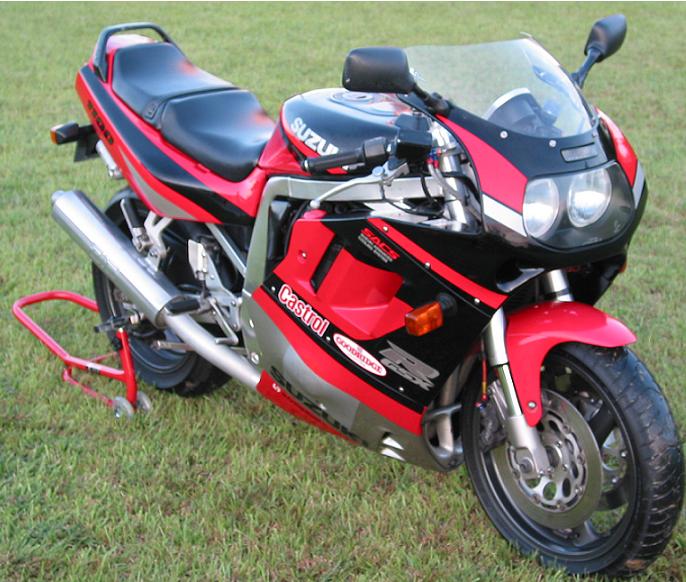
Suzuki GSX-R1100
Suzuki GSX-R1100: The Legacy of the Ultimate Performance Bike
The Suzuki GSX-R1100 stands as one of the most influential motorcycles in the history of sportbikes. With its blend of raw power, engineering excellence, and iconic design, the GSX-R1100 set the standard for performance motorcycles in the late 1980s and early 1990s. Known for its racing pedigree, aggressive styling, and cutting-edge technology, the GSX-R1100 continues to be revered by collectors, motorcycle enthusiasts, and those who were lucky enough to experience it firsthand.
Introduced as a larger, more powerful version of Suzuki’s successful GSX-R750, the GSX-R1100 was created to meet the demands of riders seeking more power, better handling, and superior overall performance. Its blend of performance and style cemented its place as one of the legendary superbikes of its era, and its legacy continues to influence the modern sportbike landscape.
In this article, we will explore the history, design, engineering, performance features, and racing heritage of the Suzuki GSX-R1100, detailing why it remains one of the most important motorcycles ever created by Suzuki.
The Birth of the Suzuki GSX-R1100
The Suzuki GSX-R1100 was introduced in 1986 as part of the new GSX-R lineup, which already included the popular GSX-R750. Suzuki saw an opportunity to expand the range with a larger motorcycle that could deliver more power and a more exhilarating riding experience for enthusiasts looking for a step up from the 750cc category. This was a time when sportbikes were evolving rapidly, and the race to create the ultimate performance machine was in full swing.
The GSX-R1100 was designed with the same goal in mind as its smaller sibling—the GSX-R750: to create a lightweight, high-performance bike that could be just as comfortable on the racetrack as it was on the street. However, the GSX-R1100 had the added benefit of a larger engine and more advanced features that would set it apart from the competition.
Power and Performance: Engine and Transmission
At the heart of the GSX-R1100 is its powerful 1052cc, four-cylinder, liquid-cooled engine. This engine was a significant step up from the GSX-R750’s 750cc motor, providing more horsepower and torque to make the GSX-R1100 one of the fastest bikes of its time. The engine produced around 130 horsepower and 86 Nm (63.5 lb-ft) of torque, enabling it to reach top speeds of over 160 mph, which was a remarkable achievement for a motorcycle in the late 1980s and early 1990s.
The GSX-R1100 was equipped with a DOHC (Dual Overhead Cam) system and a six-speed transmission that enabled smooth shifting and excellent power delivery. This transmission, along with the bike’s short final drive ratio, allowed the GSX-R1100 to deliver quick acceleration, making it an ideal choice for riders looking for speed and thrill.
In addition to its powerful engine, the GSX-R1100 was also equipped with a sophisticated fuel system. The carburetors were carefully tuned to ensure smooth throttle response and optimal fuel efficiency, contributing to the bike’s high-performance capabilities. The bike’s exhaust system was designed to enhance the engine’s power delivery, providing a throaty, aggressive exhaust note that became a signature sound for the GSX-R1100.
Chassis and Suspension: Rigid and Responsive
The Suzuki GSX-R1100’s chassis was designed to deliver a performance experience that was just as impressive as its engine. Suzuki engineers focused on making the bike as lightweight and rigid as possible to ensure the best handling and stability on both the racetrack and the street. To achieve this, the frame was constructed from aluminum, which provided a balance of strength and weight savings, ensuring that the GSX-R1100 was not only fast in a straight line but also nimble in corners.
The handling of the GSX-R1100 was enhanced by a fully adjustable front and rear suspension system. The bike featured a telescopic fork at the front and a single rear shock absorber with link-type suspension at the rear. These components allowed for a high degree of adjustability, enabling riders to fine-tune the suspension to their specific needs. Whether on the racetrack, where precision handling was paramount, or on twisty mountain roads, the GSX-R1100 delivered impressive stability and cornering ability.
The suspension setup also ensured that the bike was well-suited for longer rides, as it could absorb bumps and rough terrain with ease. Riders could maintain a high level of control even when riding at high speeds, thanks to the GSX-R1100’s suspension that offered both precision and comfort.
The braking system of the GSX-R1100 was also designed to meet the demands of high-performance riding. The bike was equipped with dual front discs, which were paired with four-piston calipers to deliver excellent stopping power. The rear brake was a single disc, providing balanced braking performance in conjunction with the front. The braking system allowed for quick, controlled stops, which was essential for a bike with such powerful performance capabilities.
Design and Aerodynamics: Aggressive Styling
The Suzuki GSX-R1100 was designed to be visually striking, with an aggressive and aerodynamic aesthetic that captured the essence of performance and speed. The bike featured sleek lines, sharp angles, and an overall low-slung profile that was typical of the sportbike designs of the era. Its bold, angular bodywork, coupled with its aggressive color schemes, gave the GSX-R1100 an unmistakable presence on the road or track.
The fairings were designed to reduce drag and improve aerodynamic efficiency, ensuring that the bike remained stable at high speeds. The low-profile front headlight and minimalistic design further contributed to the bike’s aerodynamic performance, ensuring that it could cut through the air with minimal resistance.
Despite its focus on performance, the GSX-R1100 also paid attention to rider comfort and ergonomics. The seat was designed for a sporty yet comfortable riding position, allowing riders to stay in control during aggressive maneuvers while still maintaining a relatively relaxed posture during longer rides. The bike’s fuel tank was sculpted to fit the rider’s body, offering better control and comfort while still providing ample space for a full tank of fuel.
Racing Heritage and Success
One of the defining characteristics of the Suzuki GSX-R1100 was its connection to racing. The bike was built with a heavy emphasis on track performance, and it became a favorite among amateur and professional racers alike. Suzuki used the GSX-R1100 as the base for its racing efforts in various competitions, including the AMA Superbike Championship and the World Superbike Championship.
The GSX-R1100’s racing pedigree was further solidified by its participation in endurance racing events such as the Suzuka 8 Hours and the Daytona 200, where it earned podium finishes and victories. The GSX-R1100’s combination of power, handling, and durability made it a formidable contender on the track.
Many privateer racers also used the GSX-R1100 as their platform of choice for competitive racing, thanks to its performance and versatility. The bike’s combination of high horsepower, lightweight chassis, and stable handling made it a perfect candidate for success on the track.
Technological Advancements for Its Time
The Suzuki GSX-R1100 was a leader in technological innovation for its era. It was one of the first motorcycles to incorporate advanced features such as fully adjustable suspension, a high-performance four-cylinder engine, and lightweight materials to improve performance. The GSX-R1100 was also equipped with advanced electronics, including a sophisticated ignition system and electronic fuel injection (EFI) on later models, ensuring smooth performance and efficiency.
Additionally, Suzuki’s attention to detail in the engine design, suspension, and aerodynamics allowed the GSX-R1100 to outperform many of its competitors in terms of handling, speed, and overall rideability. The GSX-R1100 was more than just a fast bike—it was a fully engineered package that brought together power, precision, and cutting-edge technology.
Legacy and Impact
The Suzuki GSX-R1100 holds a special place in the hearts of motorcycle enthusiasts and collectors today. While it was discontinued after the early 1990s, its influence can still be felt in modern sportbike designs. The GSX-R1100 paved the way for later GSX-R models and played a pivotal role in shaping the sportbike market. The bike’s powerful engine, lightweight design, and race-winning performance set the tone for future Suzuki superbikes.
For many riders, the GSX-R1100 remains a symbol of an era of raw, unfiltered performance that prioritized power and handling above all else. Today, it is considered a collector’s item, with well-preserved examples fetching high prices at auctions and through private sales.
Conclusion
The Suzuki GSX-R1100 is a legendary motorcycle that made a lasting impact on the sportbike world. With its powerful engine, precision handling, and iconic design, the GSX-R1100 remains one of the most revered motorcycles in history. Whether on the racetrack or the street, the GSX-R1100 offered an unparalleled riding experience that combined raw power with advanced technology.
Its racing heritage, technological innovations, and enduring legacy make it a standout in the world of sportbikes, and it continues to be admired by enthusiasts and collectors alike. The Suzuki GSX-R1100 was not just a motorcycle; it was a defining moment in the evolution of the performance bike, and it remains an enduring symbol of Suzuki’s commitment to engineering excellence and innovation.
