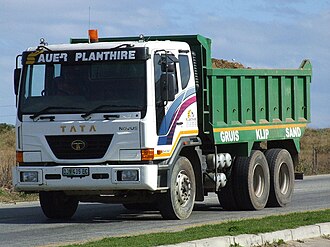
Tata Novus – A Complete Guide to Tata Motors’ Heavy-Duty Commercial Truck
The Tata Novus occupies a unique position in the history of commercial transportation, representing an important chapter in Tata Motors’ journey toward becoming one of the world’s leading manufacturers of heavy-duty commercial vehicles. Introduced as a premium truck series developed with advanced engineering inherited from Daewoo Commercial Vehicle, the Tata Novus combined proven international technology with Tata Motors’ extensive experience in manufacturing reliable commercial vehicles for demanding markets. Designed primarily for heavy cargo transportation, construction, mining, long-distance logistics, infrastructure development, and industrial applications, the Novus quickly established itself as a dependable workhorse capable of handling some of the most demanding operating conditions found throughout Asia, the Middle East, Africa, and numerous developing markets.
Unlike conventional medium-duty trucks intended primarily for urban deliveries, the Tata Novus was engineered to transport extremely heavy payloads over long distances while maintaining durability, fuel efficiency, and driver comfort. It introduced numerous improvements in chassis engineering, cabin ergonomics, drivetrain efficiency, suspension technology, and safety systems that elevated Tata Motors’ presence within the premium heavy-duty truck segment. Over time, the Novus gained recognition for its robust construction, modern diesel engines, spacious cabins, versatile axle configurations, and ability to operate efficiently across highways, construction projects, mining sites, ports, and industrial facilities.
This detailed guide explores every important aspect of the Tata Novus, including its historical development, engineering philosophy, design characteristics, engine technologies, transmission systems, suspension layout, payload capabilities, commercial applications, maintenance practices, reliability, ownership experience, and technical specifications. Whether you are a fleet operator, truck enthusiast, transport professional, or someone interested in the evolution of heavy commercial vehicles, this comprehensive article provides an in-depth understanding of one of Tata Motors’ most significant heavy-duty truck platforms.
The Origins of the Tata Novus
The development of the Tata Novus is closely linked to Tata Motors’ acquisition of Daewoo Commercial Vehicle Company in 2004. This acquisition provided Tata Motors with access to advanced heavy truck engineering, modern manufacturing technologies, internationally competitive cabin designs, and sophisticated powertrain systems that significantly strengthened the company’s heavy commercial vehicle portfolio. Rather than developing an entirely new truck platform from the ground up, Tata Motors successfully integrated Daewoo’s engineering expertise with its own manufacturing capabilities, resulting in the introduction of the Tata Novus.
The Novus represented a substantial advancement over previous Tata heavy trucks by incorporating a more modern cabin, stronger chassis architecture, improved suspension systems, enhanced driver ergonomics, and higher-performance diesel engines. Fleet operators appreciated that the truck maintained Tata’s reputation for reliability while offering technology and refinement comparable to international competitors. As transportation infrastructure expanded and industrial development accelerated across many emerging markets, the Novus became an attractive solution for businesses requiring dependable heavy-haul transportation.
Throughout its production life, the Tata Novus continued evolving through updates in engine technology, emissions compliance, driver comfort, braking systems, and electronic controls. These improvements ensured that the platform remained competitive despite increasingly demanding commercial transportation requirements.
Engineering Philosophy
The engineering philosophy behind the Tata Novus focused on maximizing productivity while minimizing long-term operating costs. Heavy commercial vehicles frequently operate under continuous stress, transporting substantial payloads over extended distances in challenging environments. Consequently, every major mechanical system was designed to prioritize durability, structural strength, ease of maintenance, and consistent performance rather than unnecessary complexity. The reinforced ladder-frame chassis, robust driveline components, carefully calibrated suspension systems, and efficient diesel engines all reflect this practical design approach.
Another important engineering objective involved creating a truck suitable for both developed highway networks and less predictable road conditions found throughout developing economies. This required suspension systems capable of absorbing rough terrain, chassis structures resistant to fatigue, cooling systems capable of functioning in extreme climates, and mechanical components engineered for extended service intervals under demanding workloads.
Exterior Design
The Tata Novus introduced a considerably more modern exterior appearance than many earlier Tata commercial vehicles. The cab features aerodynamic styling intended to reduce air resistance during highway operation while simultaneously projecting a professional image appropriate for premium fleet operations. Large headlamps provide effective nighttime illumination, while the prominent grille ensures adequate airflow to the cooling system during sustained heavy-load operation.
Wide windshields and expansive side windows maximize driver visibility, reducing blind spots and improving operational safety. Large exterior mirrors provide excellent rearward awareness, particularly when maneuvering articulated trailers or reversing toward loading docks. Durable steel bumpers, corrosion-resistant body panels, and carefully engineered access steps demonstrate the emphasis placed upon practicality and longevity.
Although appearance is not the primary consideration for commercial vehicles, the Novus successfully combines functional engineering with an attractive, contemporary design that reflects its position within the premium heavy-duty truck segment.
Cabin Design and Driver Comfort
One of the Tata Novus’ most significant advancements lies within its cabin. Professional truck drivers often spend entire days or even weeks operating their vehicles, making comfort an essential contributor to both productivity and safety. The spacious cab provides generous headroom, legroom, and shoulder space, allowing drivers to remain comfortable during extended journeys. Adjustable air-suspension seats, ergonomically positioned controls, improved insulation, and efficient climate control systems significantly reduce driver fatigue.
The dashboard is organized logically, placing essential controls within convenient reach while presenting important vehicle information through clear instrumentation. Storage compartments accommodate documentation, communication equipment, personal belongings, beverages, and safety equipment, helping drivers remain organized throughout demanding schedules. Sleeper cab variants provide comfortable resting accommodations for long-distance operations, supporting compliance with driver rest regulations while improving overall working conditions.
Noise insulation also represents a considerable improvement compared with earlier commercial trucks. Engine, transmission, and road noise are reduced through enhanced insulation materials, creating a quieter cabin environment that contributes positively to driver concentration and comfort.
Engine Technology
The Tata Novus has been equipped with several powerful diesel engines specifically engineered for heavy commercial transportation. These engines prioritize torque, durability, fuel efficiency, and reliability rather than maximum horsepower alone. Turbocharging, intercooling, common-rail fuel injection, and advanced electronic engine management enable impressive performance while maintaining competitive operating costs.
Low-speed torque is particularly important for heavy-duty trucks because it enables smooth acceleration with fully loaded trailers, easier hill climbing, and reduced driver effort during stop-start operation. Modern fuel injection systems optimize combustion under varying operating conditions, reducing fuel consumption while helping engines comply with increasingly strict emissions regulations.
Depending upon configuration and market, engine outputs vary considerably, allowing customers to select powertrains appropriate for regional haulage, construction work, mining operations, long-distance logistics, or specialized industrial transport.
Transmission Systems
The Tata Novus offers transmission systems specifically designed for demanding commercial service. Manual gearboxes remain popular because of their mechanical simplicity, durability, and direct driver control. Multiple gear ratios enable operators to maximize engine efficiency while adapting to varying terrain and payload requirements.
Later models introduced automated manual transmissions in certain markets, reducing driver fatigue while optimizing shift timing for improved fuel economy. Intelligent transmission management systems continuously analyze vehicle speed, engine load, road gradient, and throttle position to determine the most efficient gear selection.
Chassis and Structural Strength
At the heart of every Tata Novus lies an exceptionally robust ladder-frame chassis engineered to withstand continuous heavy loading throughout many years of commercial operation. High-strength steel construction provides outstanding rigidity while resisting fatigue caused by repeated loading cycles. Reinforced cross-members distribute weight evenly across the frame, improving stability while minimizing structural stress.
The chassis serves as a highly adaptable platform supporting numerous body configurations including tractor units, tippers, flatbeds, cargo bodies, tankers, mixers, refuse collection equipment, and specialized industrial installations. This flexibility enables fleet operators to configure vehicles according to specific operational requirements without compromising reliability or payload capability.
Suspension and Ride Quality
Suspension systems within the Tata Novus are engineered primarily for durability and load-bearing capability. Heavy-duty leaf springs and optional air suspension configurations provide effective support for substantial payloads while maintaining predictable handling characteristics. Carefully calibrated damping reduces excessive body movement without sacrificing stability under challenging road conditions.
Although ride quality naturally remains firmer than passenger vehicles, the suspension performs exceptionally well when carrying commercial loads. The truck maintains directional stability across highways while absorbing uneven road surfaces encountered in construction zones, mining operations, and industrial facilities.
Payload Capacity and Versatility
The Tata Novus is available in numerous axle configurations and gross vehicle weight ratings, enabling businesses to select vehicles optimized for their operational requirements. Applications include container transport, long-distance freight, construction materials, mining equipment, petroleum distribution, bulk commodities, heavy machinery, and municipal services.
Strong chassis construction, durable suspension systems, and powerful driveline components enable impressive payload capacities while maintaining reliability under continuous commercial use. Fleet operators particularly value the truck’s adaptability because one platform can support numerous specialized body configurations.
Driving Performance
Despite its considerable size, the Tata Novus offers stable and predictable driving characteristics. Power steering systems reduce driver effort during low-speed maneuvering while maintaining precise control at highway speeds. Powerful diesel engines deliver smooth acceleration under heavy loads, and carefully selected transmission ratios optimize performance across varying operating conditions.
Advanced braking systems inspire confidence during steep descents and emergency situations. Modern variants incorporate electronic braking assistance technologies that further improve stability and stopping performance, particularly when transporting maximum payloads.
Fuel Economy and Operating Costs
Fuel consumption plays a major role in determining fleet profitability. Tata Motors focused considerable engineering effort on optimizing engine efficiency, transmission calibration, and aerodynamic performance to minimize fuel usage without compromising productivity. Electronic engine management continuously adjusts fuel delivery according to operating conditions, maximizing efficiency throughout diverse transport scenarios.
Routine servicing is simplified through accessible engine compartments and durable mechanical systems designed for extended maintenance intervals. Replacement parts remain widely available through Tata’s extensive commercial vehicle network, helping operators control long-term maintenance expenses.
Reliability and Durability
The Tata Novus has earned a reputation for dependable long-term operation under demanding commercial conditions. Its reinforced chassis, robust driveline components, heavy-duty cooling systems, durable suspension assemblies, and proven diesel engines collectively contribute to impressive service life. Fleet operators frequently report high mileage accumulation with relatively few major mechanical failures when preventive maintenance schedules are followed consistently.
Reliability remains especially valuable for businesses operating in remote locations where unexpected breakdowns can significantly disrupt operations. The Novus’ straightforward engineering simplifies diagnostics and repairs while minimizing vehicle downtime.
Safety Features
Safety receives increasing emphasis throughout successive generations of the Tata Novus. Available features include anti-lock braking systems, electronic braking systems, reinforced cabin structures, improved seat belts, driver airbags on selected models, traction management technologies, and enhanced lighting systems. Excellent visibility through large windows and mirrors further contributes to safe vehicle operation.
The elevated driving position provides operators with commanding views of surrounding traffic, helping reduce accident risk during highway travel, urban maneuvering, and loading operations.
Commercial Applications
The Tata Novus serves numerous industries requiring dependable heavy transportation. Logistics companies utilize tractor units for regional and long-distance freight. Construction firms operate tippers and flatbeds for transporting aggregates, steel, and heavy machinery. Mining companies depend upon reinforced variants for demanding extraction environments. Petroleum distributors employ tanker configurations, while municipal organizations utilize specialized versions for waste management, infrastructure maintenance, and emergency services.
Its versatility enables businesses to adapt the platform for evolving operational requirements, maximizing return on investment throughout the vehicle’s service life.
Maintenance Recommendations
Regular Engine Servicing
Routine oil changes, filter replacement, coolant inspections, and fuel system maintenance significantly extend engine lifespan while maintaining optimum performance under demanding commercial workloads.
Transmission and Driveline Inspection
Gearboxes, driveshafts, differentials, and axle assemblies should be inspected regularly to identify wear before major failures occur, particularly when vehicles operate continuously under heavy loads.
Brake System Maintenance
Brake linings, discs, drums, air systems, hydraulic components, and electronic safety systems require frequent inspection to ensure dependable stopping performance throughout the truck’s operating life.
Suspension and Steering
Leaf springs, air suspension components, bushings, steering joints, and shock absorbers should receive routine maintenance because commercial applications place significant stress upon these systems.
Advantages of the Tata Novus
The Tata Novus offers numerous strengths including powerful diesel engines, exceptional structural durability, comfortable cabins, versatile chassis configurations, strong payload capability, dependable reliability, competitive operating costs, broad service support, modern engineering, and suitability for numerous industrial applications. These qualities make it an attractive option for businesses seeking productive long-term transportation solutions.
Potential Limitations
Like any specialized heavy commercial vehicle, the Tata Novus presents certain limitations. Its large size may reduce maneuverability within highly congested urban environments, while fuel consumption naturally exceeds that of lighter commercial vehicles. Some advanced electronic systems introduced in later models require specialized diagnostic equipment. Nevertheless, these considerations are generally outweighed by the truck’s exceptional capability, durability, and operational efficiency.
The Legacy of the Tata Novus
The Tata Novus represents an important milestone in Tata Motors’ evolution into a globally respected commercial vehicle manufacturer. By successfully integrating advanced international engineering with Tata’s extensive manufacturing expertise, the company created a heavy-duty truck capable of competing within premium commercial vehicle markets while remaining practical for developing economies. Its influence extends beyond individual sales figures by demonstrating the potential for Indian manufacturers to produce internationally competitive heavy transport solutions.
Many Novus trucks continue operating successfully across diverse industries, reflecting the durability and thoughtful engineering that characterize the platform. Their continued presence within commercial fleets serves as evidence of the truck’s lasting contribution to modern transportation.
Conclusion
The Tata Novus stands as one of Tata Motors’ most significant heavy-duty commercial vehicles, combining robust engineering, advanced diesel technology, durable construction, comfortable cabins, versatile chassis configurations, and dependable long-term reliability into a highly capable transport platform. Whether supporting logistics, construction, mining, industrial development, or specialized commercial operations, the Novus consistently demonstrates the qualities professional fleet operators value most: strength, productivity, efficiency, and durability.
Although commercial vehicle technology continues evolving rapidly, the Tata Novus remains an important example of successful heavy truck engineering that effectively balances international design standards with practical commercial requirements. Its legacy continues through countless businesses that have relied upon its dependable performance to move goods, support infrastructure projects, and contribute to economic growth across numerous regions.
Technical Specifications Summary
| Specification | Details |
|---|---|
| Manufacturer | Tata Motors |
| Model | Tata Novus |
| Vehicle Class | Heavy-duty commercial truck |
| Production | Mid-2000s onward (market dependent) |
| Cab Layout | Cab-over-engine (COE) |
| Drive Configurations | 4×2, 6×4, 8×4 (depending on application) |
| Frame Type | Heavy-duty reinforced ladder frame |
| Engine Type | Turbocharged intercooled diesel |
| Engine Displacement | Approximately 7–12 liters (variant dependent) |
| Power Output | Approximately 250–410 hp (configuration dependent) |
| Torque | Up to approximately 1,900 Nm (variant dependent) |
| Transmission | Manual or Automated Manual |
| Suspension | Heavy-duty leaf spring and optional air suspension |
| Braking System | Air brakes with ABS and EBS on selected models |
| Fuel Type | Diesel |
| Applications | Logistics, Construction, Mining, Tankers, Tippers, Heavy Haulage |
| Cab Options | Day Cab and Sleeper Cab |
| Safety Features | ABS, EBS, Airbags (selected models), Reinforced Cab, Traction Assistance |
| Main Strengths | Durability, High Payload Capacity, Powerful Engines, Driver Comfort, Reliability |
