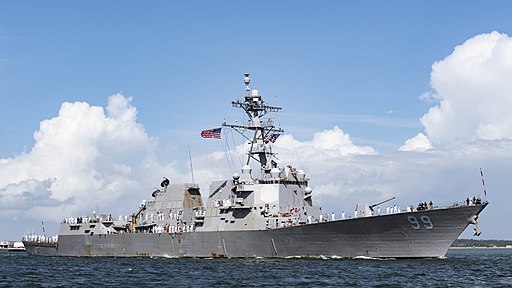
USS Farragut (DDG-99)
USS Farragut (DDG-99): A Powerful Guardian of the Seas
The USS Farragut (DDG-99) is an integral part of the United States Navy’s fleet of Arleigh Burke-class guided-missile destroyers. Named after Admiral David Glasgow Farragut, a Civil War naval hero famous for his command “Damn the torpedoes, full speed ahead,” this warship embodies the fighting spirit and technological prowess of modern naval engineering. Since its commissioning, the USS Farragut has been a versatile asset, capable of executing a wide array of missions ranging from maritime security to ballistic missile defense.
Design and Specifications
Arleigh Burke-Class Features
As a Flight IIA variant of the Arleigh Burke class, the USS Farragut boasts advanced combat systems, state-of-the-art radar, and formidable firepower. These destroyers are revered for their multi-mission versatility, combining offensive and defensive capabilities to dominate the seas and skies.
Hull and Propulsion
The USS Farragut is 509.5 feet long and 59 feet wide, with a displacement of approximately 9,200 tons when fully loaded. Powered by four General Electric LM2500 gas turbines, it can reach speeds exceeding 30 knots. Its robust propulsion system allows for rapid maneuverability, critical for high-stakes naval operations.
Weaponry
The destroyer is armed with a variety of weapons systems, including:
- Mark 41 Vertical Launch System (VLS): Houses a mix of surface-to-air missiles (SM-2, SM-6), anti-submarine rockets (ASROC), and Tomahawk cruise missiles for long-range precision strikes.
- Mark 45 5-inch/62-caliber gun: Provides naval gunfire support and anti-surface warfare capabilities.
- Close-In Weapon Systems (CIWS): For defense against incoming missiles and aircraft.
- Harpoon anti-ship missiles: Enhances its capability to neutralize enemy surface ships.
- Torpedo tubes: Equipped with Mark 32 torpedo tubes for anti-submarine warfare.
Aegis Combat System
The USS Farragut is outfitted with the Aegis Combat System, a sophisticated network of radars and computers that enables simultaneous tracking and engagement of multiple targets. Its SPY-1D radar provides 360-degree coverage, critical for air and missile defense missions.
History and Commissioning
The USS Farragut (DDG-99) was laid down on January 9, 2004, at the Bath Iron Works shipyard in Bath, Maine. Following its construction and successful sea trials, it was launched on July 23, 2005, and commissioned into active service on June 10, 2006. The commissioning ceremony, held at Mayport Naval Station in Florida, was a grand event that honored both Admiral Farragut’s legacy and the modern crew tasked with carrying his name forward.
The destroyer is the fifth U.S. Navy ship to bear the name Farragut, continuing a storied tradition of service dating back to the 19th century. Each iteration of the USS Farragut has been dedicated to protecting the nation and its interests, making this vessel a symbol of continuity and excellence.
Operational Roles
Maritime Security
The USS Farragut plays a vital role in ensuring maritime security and freedom of navigation in key waterways. As a destroyer, it is often deployed to deter piracy, enforce international laws, and secure shipping lanes against potential threats.
Ballistic Missile Defense
Equipped with the Aegis Ballistic Missile Defense (BMD) system, the USS Farragut is a crucial component in protecting allies and U.S. forces from ballistic missile threats. Its radar and interceptors are capable of detecting and neutralizing missile launches from long distances.
Anti-Submarine Warfare
The ship’s advanced sonar systems, torpedo tubes, and embarked helicopters enable it to detect and engage underwater threats. Anti-submarine warfare remains a cornerstone of the Farragut’s capabilities, ensuring dominance beneath the waves.
Humanitarian Assistance
The versatility of the USS Farragut extends beyond combat. It has participated in disaster relief and humanitarian missions, showcasing the Navy’s commitment to global stability and support during crises.
Notable Deployments
Counter-Piracy Operations
The USS Farragut has been actively involved in counter-piracy missions in the Gulf of Aden and off the Somali coast. Its presence in these regions deters illegal activities and ensures the safe passage of commercial vessels.
NATO Exercises
As part of its commitment to allied operations, the USS Farragut frequently participates in NATO exercises and joint military drills. These collaborations strengthen interoperability among allied navies and ensure readiness for collective defense scenarios.
Middle East Missions
The destroyer has also been deployed to the Persian Gulf, where it conducted maritime patrols and supported U.S. Central Command’s operations in the region. Its advanced systems and firepower provide a strategic advantage in volatile areas.
Life Aboard the USS Farragut
Crew and Accommodations
The ship is home to approximately 280 sailors, including officers and enlisted personnel. While life aboard a destroyer is demanding, the crew is supported by modern facilities, including comfortable living quarters, advanced medical facilities, and recreation areas.
Training and Readiness
Continuous training is a hallmark of the USS Farragut’s crew. From simulated combat scenarios to maintenance drills, the sailors are always prepared to execute their missions with precision.
Morale and Tradition
The ship’s crew takes pride in their connection to Admiral Farragut’s legacy. Ceremonial events and historical commemorations play a significant role in maintaining morale and honoring the destroyer’s namesake.
Conclusion
The USS Farragut (DDG-99) is more than just a warship; it is a symbol of strength, resilience, and dedication. Its advanced capabilities and diverse operational roles make it a cornerstone of the U.S. Navy’s fleet. Whether safeguarding international waters, deterring threats, or providing humanitarian aid, the USS Farragut stands as a testament to the enduring legacy of Admiral David Farragut and the Navy’s commitment to excellence.
In a rapidly evolving world, the USS Farragut remains a powerful and versatile defender of freedom, embodying the Navy’s motto: “Non sibi sed patriae” (Not for self, but for country).
.jpg)