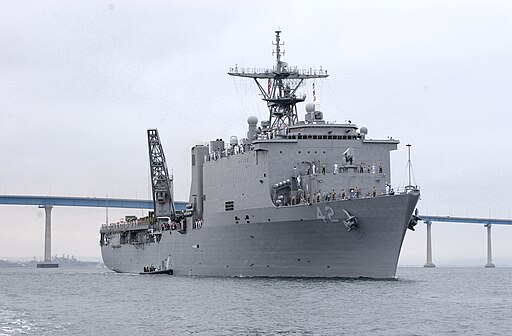
USS Germantown (LSD-42)
The USS Germantown (LSD-42) is a distinguished amphibious warfare vessel in the United States Navy that has served as a key asset in the projection of American power and humanitarian outreach around the globe. As a dock landing ship, Germantown is designed to deploy landing craft and amphibious vehicles, support helicopter operations, and facilitate the rapid movement of Marines and equipment during critical missions. In this article, we explore the historical background, design innovations, operational capabilities, and future outlook of this versatile platform.
Historical Background and Development
Origins and Commissioning
USS Germantown (LSD-42) was commissioned during a period of significant evolution in naval amphibious operations. As part of the Anchorage-class dock landing ships, Germantown was built to meet the growing need for flexible platforms capable of supporting complex amphibious assaults during the Cold War era. Laid down with a focus on durability and multi-mission capability, the vessel entered service with the intent to provide the Navy with a mobile and robust means of deploying landing craft, vehicles, and troops in contested environments.
Evolution Over Time
Over the decades, USS Germantown has undergone several modifications and upgrades to remain at the forefront of amphibious warfare technology. Its design has been refined to improve operational efficiency and survivability, adapting to new threats and evolving mission requirements. From enhancements in communications and navigation systems to the integration of modern logistical support technologies, the vessel’s continuous evolution has enabled it to maintain a pivotal role within the Navy’s amphibious ready groups.
Key Milestones
- Early Service: In its initial years, USS Germantown played a vital role in large-scale amphibious exercises, proving its capability to rapidly launch and recover landing craft under various conditions.
- Operational Deployments: The ship has been deployed on numerous missions ranging from combat operations and joint military exercises to humanitarian aid and disaster relief efforts.
- Modernization Initiatives: Recent modernization programs have focused on upgrading onboard systems, enhancing crew accommodations, and ensuring the ship’s compatibility with next-generation amphibious vehicles and aircraft.
Design and Engineering Features
Hull, Propulsion, and Structural Integrity
The USS Germantown is built with a robust steel hull designed to endure the rigors of open-ocean operations and the stresses of amphibious assault maneuvers. Its propulsion system provides a balance of power and fuel efficiency, enabling the ship to maintain high speeds and maneuverability during critical phases of deployment. This solid construction not only ensures durability but also supports the vessel’s ability to operate in adverse weather conditions and in hostile environments.
Advanced Engineering Considerations
- Structural Reinforcement: The hull and internal frameworks have been engineered to absorb the shock of heavy impacts, such as those encountered during landing craft launches and recoveries.
- Efficient Propulsion: Modernized propulsion components contribute to reduced noise levels, which is essential for stealth during sensitive operations.
- Damage Control Systems: Integrated damage control systems ensure that in the event of an emergency, the crew can effectively contain and manage onboard hazards.
Dock and Well Deck Capabilities
One of the defining features of USS Germantown is its well deck—a flooded compartment that allows the ship to launch and recover landing craft and amphibious vehicles efficiently. This capability is critical for executing amphibious assaults, as it enables rapid deployment of troops and equipment directly from the ship to shore.
Versatility in Amphibious Operations
- Landing Craft Deployment: The well deck is designed to accommodate a variety of landing craft, from small utility vehicles to larger amphibious assault vehicles.
- Rapid Reconfiguration: The ship’s design allows for quick reconfiguration of the well deck to suit mission-specific requirements, whether it’s for combat operations or humanitarian aid missions.
- Support for Special Operations: The flexibility of the well deck also enables the insertion and extraction of special operations forces, making Germantown a valuable asset in covert and high-risk missions.
Onboard Systems and Crew Facilities
Modern onboard systems enhance the operational effectiveness of USS Germantown, ensuring that the vessel can perform its diverse missions with precision and efficiency. The ship is equipped with advanced communications, navigation, and sensor technologies that provide real-time situational awareness. Additionally, its living quarters and support facilities are designed to maintain crew readiness during extended deployments.
Crew-Centric Design Features
- Command and Control Center: A state-of-the-art command center enables seamless coordination of amphibious operations, linking the ship with other elements of the fleet.
- Enhanced Living Quarters: Upgraded accommodations and recreational facilities contribute to improved crew morale and operational performance.
- Integrated Training Systems: Onboard training modules allow for continuous skill development, ensuring that the crew remains proficient in the latest operational tactics and technologies.
Operational Capabilities and Mission Role
Amphibious Assault and Landing Operations
USS Germantown is primarily tasked with executing amphibious assaults by providing a reliable platform for launching landing craft and vehicles. Its well deck operations are central to its mission, allowing it to project power ashore by delivering Marines, equipment, and supplies directly to the beachhead.
Execution of Amphibious Missions
- Rapid Deployment: The vessel’s design supports the swift movement of troops and vehicles from sea to shore, which is essential for maintaining the element of surprise in combat scenarios.
- Coordinated Landings: Integrated communications and sensor systems enable synchronized landings, ensuring that all elements of an amphibious task force work in unison.
- Logistical Support: Beyond initial assault operations, Germantown also plays a key role in sustaining forces ashore by continuously resupplying and reinforcing deployed units.
Support for Special Operations and Humanitarian Missions
In addition to its combat capabilities, USS Germantown is a versatile asset for non-combat missions. The ship has been deployed in various humanitarian aid and disaster relief operations, where its ability to transport large quantities of supplies and personnel is invaluable.
Multi-Mission Versatility
- Disaster Relief Operations: The vessel can deliver critical aid—such as food, water, and medical supplies—to areas affected by natural disasters.
- Special Operations Support: Its flexible design facilitates the covert insertion and extraction of special operations forces, enhancing the Navy’s ability to conduct precision missions.
- Joint Force Integration: As part of larger amphibious ready groups, Germantown works seamlessly with other naval and ground forces to provide comprehensive operational support across multiple domains.
Integration with Fleet Operations
USS Germantown’s operational effectiveness is amplified by its integration with broader naval task forces. As a component of amphibious ready groups, the ship plays a crucial role in multi-domain operations, working in concert with aircraft carriers, destroyers, and other support vessels to achieve strategic objectives.
Coordination and Joint Operations
- Interoperability: Advanced communication systems ensure that Germantown can share data in real time with other elements of the fleet, enhancing situational awareness.
- Command and Control: The ship often serves as a platform for joint command operations, where decisions are made and disseminated quickly across the task force.
- Force Projection: Its ability to support both offensive and support roles makes it a key player in power projection and rapid response scenarios.
Modernization and Future Outlook
Technological Upgrades and Enhancements
The U.S. Navy has continually invested in modernizing USS Germantown to extend its service life and improve its combat readiness. Recent upgrades have focused on enhancing onboard systems, streamlining maintenance processes, and integrating cutting-edge technology into its operational framework.
Key Modernization Initiatives
- Digital Communication Upgrades: Enhanced digital communication systems improve the ship’s connectivity with the fleet and command centers.
- Navigation and Sensor Enhancements: Upgraded radar and sensor systems provide improved target tracking and situational awareness, crucial for modern warfare.
- Energy Efficiency Improvements: Modernization efforts include the adoption of more energy-efficient systems, reducing operational costs and environmental impact.
Future Role in Amphibious Warfare
As global security challenges evolve, the role of amphibious warfare vessels like USS Germantown is set to become even more critical. Future deployments are expected to leverage the ship’s versatility to address both traditional combat scenarios and emerging non-traditional threats.
Strategic Implications
- Enhanced Rapid Response: Upgraded systems will enable faster deployment and recovery times, ensuring that the Navy can respond quickly to crises.
- Multi-Domain Integration: The continued evolution of network-centric warfare will further integrate Germantown into joint force operations, enhancing its overall strategic value.
- Legacy and Adaptability: With ongoing upgrades, USS Germantown is well-positioned to remain a vital component of U.S. amphibious capabilities for years to come.
Crew Training and Readiness
An essential aspect of the ship’s modernization is the focus on crew training and operational readiness. Continuous training programs ensure that the crew is adept at utilizing new technologies and capable of executing complex amphibious operations under various conditions.
Investment in Human Capital
- Advanced Simulation Training: The incorporation of state-of-the-art simulators enhances the crew’s ability to practice and refine their skills.
- Inter-Service Collaboration: Joint training exercises with other branches of the military foster a high degree of interoperability and readiness.
- Ongoing Professional Development: Regular training updates ensure that crew members remain proficient in the latest operational tactics and technological innovations.
Conclusion
The USS Germantown (LSD-42) is a testament to the enduring strength and adaptability of U.S. naval engineering. With its robust design, versatile operational capabilities, and continuous modernization efforts, this dock landing ship has proven itself indispensable in both combat and humanitarian missions. Serving as a crucial link in amphibious ready groups, Germantown exemplifies the Navy’s commitment to rapid force projection and multi-domain operations. As it continues to evolve in response to emerging threats and technological advancements, USS Germantown will undoubtedly remain a cornerstone of American maritime power and a symbol of naval excellence for future generations.
.jpg)