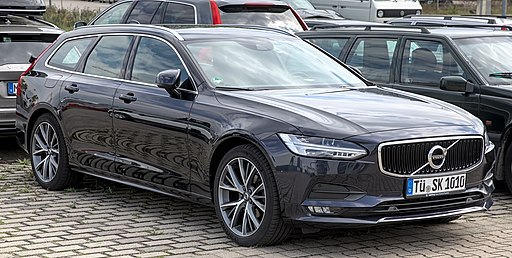
Volvo V90 faults
The Volvo V90 is widely praised for its Scandinavian design, comfort, and advanced safety technology. However, like any complex modern vehicle, it is not immune to technical faults and reliability concerns. Understanding these potential issues is essential for owners and technicians to ensure long-term reliability and safety. This article explores the most frequently reported Volvo V90 faults, their technical causes, and potential remedies.
Engine and Powertrain Issues
The Volvo V90 is available with a range of petrol, diesel, and plug-in hybrid (T8 Recharge) engines. While most units perform reliably, certain technical issues have been documented across model years.
1. Diesel Engine EGR Valve Failure
One of the most common faults among diesel variants is EGR (Exhaust Gas Recirculation) valve clogging. The issue often stems from carbon buildup within the valve assembly, causing rough idling, poor acceleration, or triggering the Check Engine Light. Technically, this occurs due to incomplete combustion cycles, particularly in vehicles used mainly for short journeys where the engine does not reach optimal temperature. Regular long-distance driving and periodic EGR cleaning can help mitigate the problem.
2. Turbocharger Oil Leaks
Some owners have reported minor oil leaks from the turbocharger housing. The issue often arises from deteriorated gaskets or excessive crankcase pressure. When unaddressed, oil can enter the intake system, leading to increased exhaust smoke and decreased efficiency. Ensuring proper oil change intervals and monitoring the PCV (Positive Crankcase Ventilation) system is key to preventing turbo-related issues.
3. Hybrid System Battery Management Errors
In plug-in hybrid versions, the high-voltage battery system occasionally triggers error codes due to battery module imbalance. These errors are typically linked to software inconsistencies in the Battery Management System (BMS). Regular software updates from Volvo dealerships can correct these calibration errors and restore proper charging and discharging behavior.
Transmission and Drivetrain Problems
The Volvo V90 uses an eight-speed Geartronic automatic transmission across most models. While generally smooth, the transmission system has shown certain weak points in real-world conditions.
1. Harsh Gear Shifting
Owners have reported abrupt or delayed gear shifts, particularly when cold. This is often caused by outdated transmission control software or degraded ATF (Automatic Transmission Fluid). Volvo has released software updates addressing shift logic, and replacing ATF every 60,000–80,000 km helps prevent mechanical wear.
2. AWD System Pump Failure
In all-wheel-drive variants, the rear differential’s hydraulic pump may fail, resulting in a loss of torque distribution to the rear wheels. The pump’s electrical connector or internal motor can corrode due to moisture intrusion. A complete replacement of the pump unit and connector seal typically resolves the issue.
Electrical and Infotainment Faults
Modern vehicles like the Volvo V90 feature complex electrical architectures, integrating safety systems, digital dashboards, and connectivity features. However, these advanced electronics can present unique challenges.
1. Sensus Infotainment Freezing
The Sensus Connect infotainment system may intermittently freeze or reboot. The problem often originates from overloaded system memory or corrupted software data. Performing a hard reset or installing the latest firmware via a Volvo service center typically corrects the malfunction.
2. Battery Drain and Parasitic Loads
Occasional parasitic drain issues have been reported, primarily caused by modules that fail to enter sleep mode after the ignition is turned off. Common culprits include the telematics unit or keyless entry receiver. Technicians diagnose this by performing parasitic draw tests and updating or replacing the faulty modules.
3. Headlight System Malfunctions
Adaptive LED headlights sometimes misalign or fail to swivel correctly due to calibration errors in the headlight control module. Recalibration with Volvo’s VIDA diagnostic software generally resolves alignment issues without requiring hardware replacement.
Suspension and Steering Concerns
The Volvo V90 is equipped with a sophisticated suspension system designed to deliver both comfort and handling stability. Nevertheless, several mechanical concerns have surfaced over time.
1. Front Suspension Noises
Drivers often report knocking or creaking noises from the front suspension during low-speed maneuvers. This usually indicates wear in the control arm bushings or anti-roll bar links. Technically, these rubber components degrade due to continuous stress and exposure to temperature fluctuations. Replacement of worn parts restores normal operation.
2. Air Suspension Leaks
Models equipped with the optional rear air suspension can develop slow leaks, causing one side of the vehicle to sag overnight. Leakage typically occurs in the air springs or compressor valve block. Technicians can pinpoint the source by applying a soap solution to detect escaping air and replacing the defective components.
Interior and Comfort System Faults
While the Volvo V90’s cabin is known for its premium materials and craftsmanship, a few comfort-related issues can affect the ownership experience.
1. Climate Control Malfunction
Automatic climate control units may intermittently blow air at incorrect temperatures due to faulty temperature sensors or blend door actuators. Diagnosis through VIDA tools helps identify which actuator is malfunctioning, allowing targeted replacement.
2. Seat Adjustment Motor Failure
The power seat motors, particularly in the driver’s seat, may become unresponsive over time. The cause is usually a failed internal gear or a broken wiring harness under the seat. Checking for voltage continuity can confirm whether replacement or rewiring is necessary.
Preventive Maintenance Recommendations
To minimize the likelihood of the faults mentioned above, Volvo recommends the following preventive measures:
-
Perform software updates regularly through authorized service centers.
-
Replace engine oil and transmission fluid at shorter intervals than the standard schedule if driving frequently in urban environments.
-
Keep electrical connections and ground points clean to prevent corrosion-related electrical issues.
-
Conduct diagnostic scans twice yearly to identify early system errors before symptoms appear.
Conclusion
The Volvo V90 remains one of the most advanced and luxurious estate cars in its class, but like all high-tech vehicles, it demands diligent maintenance. Awareness of common Volvo V90 faults—from EGR valve clogging and transmission shift issues to infotainment glitches—empowers owners to take preventive action. With proper care, timely servicing, and regular updates, the Volvo V90 can deliver long-term reliability, comfort, and the refined driving experience for which Volvo is renowned.
_1X7A0384.jpg)