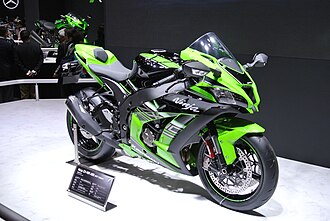
Kawasaki Ninja ZX-10R as a Used Motorcycle – The Ultimate Japanese Superbike Experience
The Kawasaki Ninja ZX-10R represents one of the most important chapters in modern superbike history. Since its introduction in 2004, the ZX-10R has become synonymous with extreme performance, advanced engineering, racing success, and Kawasaki’s relentless pursuit of speed. Designed as a replacement for the legendary ZX-9R, the ZX-10R entered a new era of litre-class motorcycles where manufacturers competed to create machines that were lighter, faster, and more technologically advanced than ever before.
As a used motorcycle, the Kawasaki Ninja ZX-10R remains one of the most desirable high-performance machines available. It offers incredible acceleration, razor-sharp handling, powerful braking, and a level of racing technology that was once reserved exclusively for professional competition. However, unlike many older superbikes that become difficult to maintain or impractical with age, the ZX-10R has benefited from Kawasaki’s strong engineering reputation and continuous development.
The appeal of the ZX-10R goes beyond simple performance numbers. While horsepower figures and lap times attract attention, the true character of the motorcycle comes from the connection between rider and machine. The ZX-10R rewards skill, precision, and confidence. It is a motorcycle designed for experienced riders who appreciate the feeling of controlling a highly developed performance machine.
Buying a used Kawasaki Ninja ZX-10R requires careful consideration because these motorcycles are often ridden aggressively. Some examples have lived easy lives with careful owners, while others have experienced track days, crashes, or extensive modifications. Understanding the model’s history, mechanical strengths, common weaknesses, and ownership requirements is essential before making a purchase.
This article explores the Kawasaki Ninja ZX-10R as a used motorcycle, examining its development history, engine technology, performance characteristics, chassis design, reliability, maintenance requirements, buying advice, and why it remains one of the most respected superbikes in the world.
The History of the Kawasaki Ninja ZX-10R
The Kawasaki Ninja ZX-10R was introduced in 2004 during one of the most competitive periods in motorcycle development. The litre-class superbike category had become the ultimate technological battlefield for Japanese manufacturers. Honda had the CBR1000RR FireBlade, Yamaha introduced the revolutionary YZF-R1, and Suzuki developed the powerful GSX-R1000. Kawasaki needed a motorcycle capable of competing at the highest level.
The ZX-10R was created with a clear goal: maximum performance with minimum compromise. Kawasaki engineers developed a completely new engine and chassis rather than simply increasing the displacement of an existing model. The result was a compact, aggressive superbike that immediately attracted attention for its exceptional power-to-weight ratio and uncompromising character.
The first-generation ZX-10R was famous for its raw performance. It produced approximately 175 horsepower while maintaining a relatively low weight, giving it acceleration and top-speed capability that rivalled dedicated racing machines. The motorcycle quickly became known for its explosive engine response, sharp handling, and aggressive personality.
Over the years, Kawasaki continuously refined the ZX-10R. Each generation introduced improvements in aerodynamics, engine efficiency, chassis balance, suspension technology, braking performance, and electronic systems. The motorcycle evolved from a powerful but demanding machine into one of the most sophisticated production superbikes available.
The ZX-10R’s reputation was further strengthened through racing success, particularly in the World Superbike Championship. Kawasaki’s racing program influenced production models, with technology developed on the track eventually appearing in showroom motorcycles. This connection between competition and production engineering became one of the defining characteristics of the ZX-10R.
Design and Styling – Aggressive Performance From Every Angle
The Kawasaki Ninja ZX-10R has always featured styling that reflects its performance ambitions. Unlike sport-touring motorcycles or everyday machines, every design element communicates speed and aerodynamic efficiency. Sharp fairings, aggressive headlights, sculpted fuel tanks, and compact rear sections create a visual impression of a motorcycle built for competition.
Aerodynamics became increasingly important as the ZX-10R evolved. Later generations introduced winglets, revised fairings, and improved airflow management inspired directly by Kawasaki’s racing experience. These features help improve stability at high speeds and provide additional front-end confidence during aggressive acceleration.
The riding position is focused and purposeful. The handlebars are low, the foot pegs are high, and the rider sits forward over the front wheel. This arrangement provides excellent control during cornering and aggressive riding but creates compromises during everyday commuting or long-distance touring.
Compared with older superbikes, newer ZX-10R models benefit from improved ergonomics despite their racing focus. Kawasaki engineers have worked to create a motorcycle that remains physically demanding but manageable for experienced riders. The latest generations especially demonstrate how modern superbikes can combine extreme performance with improved usability.
Build quality is generally excellent. Kawasaki uses high-quality materials, durable finishes, and precise manufacturing techniques. Well-maintained examples often remain visually impressive even after years of use, although fairings, exhaust systems, and engine covers should always be inspected carefully because replacement parts can be expensive.
The Engine – A World-Class Inline-Four Superbike Powerplant
The 998cc Liquid-Cooled Inline-Four Engine
The heart of the Kawasaki Ninja ZX-10R is its 998cc liquid-cooled inline-four engine. This powerplant represents decades of Kawasaki engineering experience and has been continuously refined to deliver exceptional performance while meeting increasingly strict emissions and reliability requirements.
The engine produces well over 180 horsepower in many modern versions, with later models approaching or exceeding 200 horsepower depending on specifications. However, the significance of the engine is not only the peak output. Kawasaki has focused heavily on throttle response, mid-range acceleration, and controllability, ensuring that the motorcycle remains effective both on the road and the racetrack.
Modern ZX-10R engines feature advanced technologies such as finger-follower valve systems, lightweight internal components, sophisticated fuel injection, and refined cooling systems. These developments reduce weight, improve efficiency, and allow the engine to operate reliably under extreme conditions.
The inline-four configuration provides the smoothness and high-rpm capability expected from a superbike. Unlike large twin-cylinder engines that deliver strong low-end torque with a different character, the ZX-10R rewards riders who enjoy exploring high engine speeds and experiencing the dramatic acceleration that comes with a racing-inspired powerband.
Engine Character and Real-World Performance
The ZX-10R engine has a reputation for being both thrilling and demanding. The motorcycle accelerates with tremendous force, especially at higher rpm, where the engine produces its strongest performance. Experienced riders appreciate the precision and responsiveness, while newer riders may find the power intimidating.
Despite its extreme capability, modern ZX-10R models are surprisingly manageable thanks to electronic systems that help control power delivery. However, the motorcycle remains a serious performance machine that requires respect. Smooth throttle control, proper body positioning, and intelligent riding techniques are essential.
On public roads, the engine provides effortless overtaking ability and exceptional highway performance. However, the true environment for the ZX-10R is a challenging road or racetrack where its chassis, brakes, and electronics can be fully appreciated.
Transmission and Clutch Performance
The Kawasaki Ninja ZX-10R uses a six-speed transmission designed for rapid acceleration and precise gear selection. The gearbox has been continuously improved throughout the model’s history, with later versions offering quicker shifting and improved refinement.
Many modern ZX-10R models feature Kawasaki’s quick shifter system, allowing clutchless upshifts and downshifts for faster acceleration and smoother track performance. This technology enhances the racing character of the motorcycle while also making spirited road riding more enjoyable.
The clutch system uses modern assist and slipper technology on later models. The assist function reduces lever effort, while the slipper mechanism helps prevent rear-wheel instability during aggressive downshifting. These features are particularly valuable during track riding or fast corner entries.
Chassis and Handling
The chassis is one of the areas where the Kawasaki Ninja ZX-10R truly demonstrates its racing heritage. The motorcycle uses an advanced aluminum frame designed to provide precise feedback, excellent stability, and predictable handling at extremely high speeds.
Unlike some earlier superbikes that prioritized raw power over balance, modern ZX-10R development has focused heavily on chassis performance. Kawasaki engineers have worked to create a motorcycle that communicates clearly with the rider, allowing precise adjustments during cornering.
The handling character is sharp and responsive. Steering inputs produce immediate reactions, making the ZX-10R extremely effective on technical roads and racetracks. The motorcycle feels compact and controlled, encouraging confident riding when the rider has the necessary experience.
Suspension technology has also advanced significantly. High-quality inverted front forks and rear suspension systems provide excellent control during acceleration, braking, and cornering. Many models feature adjustable suspension components, allowing riders to customize settings according to weight, riding style, and track requirements.
Braking Performance and Suspension Technology
The Kawasaki Ninja ZX-10R has always been equipped with braking components designed to match its exceptional speed. A motorcycle capable of reaching extreme velocities requires precise, powerful, and consistent braking performance, and Kawasaki has continuously improved the ZX-10R’s braking system throughout its generations. The result is a machine that provides riders with confidence during aggressive corner entries, emergency braking situations, and demanding track sessions.
Earlier generations used high-performance conventional braking systems with large dual front discs and powerful multi-piston calipers. Later models introduced more advanced components, including radial-mounted calipers, larger brake rotors, improved master cylinders, and race-developed technology. These improvements significantly increased braking precision and reduced fade during repeated hard use.
Modern ZX-10R models benefit from advanced braking electronics, including Kawasaki Intelligent ABS systems. Unlike basic ABS systems that simply prevent wheel lock during emergency braking, modern systems consider multiple factors such as lean angle, acceleration, deceleration, and wheel speed. This allows safer braking while preserving the aggressive riding characteristics expected from a superbike.
For used buyers, brake condition is one of the most important inspection points. Performance motorcycles are often ridden aggressively, and brake components experience significant stress. Buyers should inspect disc thickness, pad wear, caliper condition, brake fluid quality, and the operation of ABS systems where fitted. A well-maintained ZX-10R should deliver a firm brake lever feel and strong, predictable stopping power.
Suspension Setup and Handling Characteristics
Suspension development has played a major role in the evolution of the Kawasaki Ninja ZX-10R. Kawasaki has worked closely with racing engineers to create suspension systems that provide excellent feedback while maintaining enough compliance for real-world riding. The motorcycle is designed to communicate clearly with the rider, allowing precise adjustments during high-speed cornering.
The front suspension typically consists of high-quality inverted forks with adjustable preload, compression damping, and rebound damping. These components allow riders to fine-tune the motorcycle according to body weight, riding style, road conditions, and track requirements. The rear suspension uses a sophisticated linkage system designed to maintain traction during acceleration while keeping the chassis stable under braking.
On the road, the ZX-10R feels extremely planted. The chassis remains stable during fast direction changes and high-speed corners, giving experienced riders confidence to explore the motorcycle’s capabilities. On a racetrack, properly adjusted suspension allows the motorcycle to maintain impressive corner speeds and deliver precise feedback.
Used examples may require suspension servicing depending on mileage and usage. Fork oil degradation, worn seals, and reduced shock performance are normal age-related issues. A refreshed suspension system can transform the motorcycle, restoring the sharp handling characteristics that made the ZX-10R famous.
Electronics and Rider Assistance Systems
One of the biggest differences between early and modern Kawasaki Ninja ZX-10R models is the introduction of advanced electronic rider assistance systems. While early versions relied almost entirely on mechanical engineering and rider skill, newer generations incorporate technology developed through Kawasaki’s racing programs.
The Kawasaki Traction Control system is one of the most significant additions. It continuously monitors wheel speed, throttle position, engine speed, and other parameters to detect rear-wheel slip. When excessive wheel spin occurs, the system adjusts engine power delivery to maintain traction. This is particularly valuable during aggressive acceleration, wet conditions, or cold tire situations.
Modern ZX-10R models also feature selectable riding modes. These allow riders to customize engine response and electronic intervention according to conditions. A more aggressive setting provides maximum performance for track riding, while softer settings make the motorcycle easier to control during everyday road use.
The electronic package may also include launch control, quick shifter technology, engine brake management, and advanced instrumentation. These systems do not replace rider skill but instead help experienced riders exploit the motorcycle’s performance more effectively and safely.
Despite the complexity of modern electronics, Kawasaki has maintained a strong reputation for reliability. Used buyers should verify that all systems operate correctly, including warning lights, display functions, quick shifter operation, and traction control settings.
Comfort and Everyday Usability
The Kawasaki Ninja ZX-10R is primarily designed as a high-performance superbike, and its ergonomics reflect this purpose. Unlike sport-touring motorcycles such as the Ninja 1000, the ZX-10R places the rider in a more aggressive position designed for maximum control during fast riding.
The forward-leaning riding position places weight over the front wheel, improving feedback during cornering. However, this position can create additional pressure on the wrists and shoulders during slow urban riding or long highway journeys. Riders transitioning from upright motorcycles should understand that the ZX-10R demands a more active riding style.
Seat comfort varies between generations, but most models prioritize support during aggressive riding rather than luxury touring comfort. Many owners improve long-distance usability with aftermarket seats, tank grips, windscreens, and luggage solutions, although the motorcycle will always remain a focused performance machine.
Wind protection is generally excellent at higher speeds because the full fairing and aerodynamic design were developed with racing performance in mind. When tucked behind the windscreen, the rider experiences impressive stability and reduced fatigue during fast highway travel.
Reliability and Long-Term Ownership
Despite its extreme performance capabilities, the Kawasaki Ninja ZX-10R has developed a strong reputation for reliability. Kawasaki engineers designed the motorcycle to withstand demanding conditions, including track environments where engines, transmissions, brakes, and suspension components experience significant stress.
The 998cc inline-four engine is particularly durable when maintained correctly. Regular oil changes, proper warm-up procedures, valve clearance inspections, and cooling system maintenance are essential for preserving long-term reliability. Many owners report excellent durability even after years of spirited riding.
The motorcycle’s engine is not the only component requiring attention. The chain, sprockets, clutch, brakes, and suspension all experience greater wear than those on less powerful motorcycles. However, this is expected because the ZX-10R belongs to the highest-performance category.
Electrical reliability is generally very good, although modern models contain many electronic components. Battery health is especially important because unstable voltage can create warning lights or unusual electronic behaviour. Proper storage and regular charging during long periods of inactivity help prevent electrical issues.
Common Problems to Check Before Buying a Used Kawasaki Ninja ZX-10R
Previous Track Use
One of the most important considerations when buying a used ZX-10R is whether the motorcycle has been used extensively on a racetrack. Track riding does not automatically mean a motorcycle should be avoided, because many track bikes receive excellent maintenance. However, track use increases wear on engines, brakes, suspension, tires, and chassis components.
Look for signs such as removed mirrors, aftermarket race fairings, tire warmers, safety wire, modified rearsets, crash protection, or unusual engine modifications. These features can indicate previous track activity. A professionally prepared track motorcycle may actually be a better purchase than a neglected road bike, but buyers should understand its history.
Engine Condition
The engine should start quickly, idle smoothly, and produce strong, consistent power throughout the rev range. Excessive smoke, unusual mechanical noises, rough running, or warning lights should be investigated carefully.
A compression test or professional mechanical inspection is recommended when purchasing an expensive used superbike. Although ZX-10R engines are durable, repairs can be costly if a motorcycle has been abused or poorly maintained.
Clutch and Gearbox Wear
The ZX-10R’s powerful engine places significant stress on the clutch and transmission. During a test ride, ensure that all gears engage smoothly and that the clutch does not slip during hard acceleration.
Quick shifter-equipped motorcycles should be tested carefully. Shifts should be smooth and consistent, with no missed gears or unusual behaviour.
Maintenance Requirements
Owning a Kawasaki Ninja ZX-10R requires commitment to proper maintenance. Performance motorcycles operate under greater stress than ordinary commuter machines, and neglecting routine service can quickly reduce reliability and safety.
Engine oil should be changed regularly using high-quality motorcycle oil. The cooling system should be inspected and serviced according to manufacturer recommendations. Brake fluid, coolant, and other fluids naturally degrade over time and should not be ignored simply because the motorcycle appears to operate normally.
Valve clearance inspections are an important part of long-term ownership. Although modern Kawasaki engines are extremely durable, maintaining correct valve adjustment ensures efficient operation and prevents expensive future problems.
Tire selection is particularly important. The ZX-10R is capable of generating enormous acceleration and cornering forces, meaning cheap or unsuitable tires can dramatically reduce safety and enjoyment. Quality sport tires allow the motorcycle to perform as Kawasaki intended.
Buying Advice – Choosing the Right Used ZX-10R
Selecting the right used Kawasaki Ninja ZX-10R requires careful evaluation rather than simply choosing the newest or cheapest example. Maintenance history, ownership background, and overall condition are more important than mileage alone.
A motorcycle with complete service records, original keys, documentation, and evidence of careful ownership is usually a safer investment. Low-mileage examples are attractive, but a motorcycle that has been stored improperly for years may require significant work.
Before purchasing, inspect the frame, wheels, suspension, brakes, electronics, and engine carefully. A professional inspection is highly recommended, especially because superbikes can hide expensive problems after crashes or poor maintenance.
Technical Specifications Summary
| Specification | Kawasaki Ninja ZX-10R |
|---|---|
| Production Years | 2004–present |
| Motorcycle Category | Supersport / litre-class superbike |
| Engine Type | Liquid-cooled inline four-cylinder |
| Engine Displacement | 998 cc |
| Valve System | DOHC, 16 valves |
| Fuel System | Electronic fuel injection |
| Bore × Stroke | 76.0 mm × 55.0 mm (varies slightly by generation) |
| Compression Ratio | Approximately 13.0:1 (later models) |
| Maximum Power | Approximately 175–203 hp depending on model year and market |
| Maximum Torque | Approximately 110–115 Nm |
| Transmission | 6-speed manual |
| Clutch | Wet multi-plate assist and slipper clutch (later models) |
| Final Drive | Chain |
| Frame | Aluminum twin-spar frame |
| Front Suspension | Upside-down fully adjustable telescopic fork |
| Rear Suspension | Horizontal back-link adjustable monoshock |
| Front Brakes | Dual hydraulic discs with radial-mounted calipers (later models) |
| Rear Brake | Single hydraulic disc |
| ABS | Available on later models |
| Traction Control | Kawasaki Traction Control (KTRC) |
| Riding Modes | Available on modern generations |
| Quick Shifter | Available on later versions |
| Wheel Size | 17-inch front and rear |
| Fuel Tank Capacity | Approximately 17 litres |
| Seat Height | Approximately 835 mm |
| Wet Weight | Approximately 205–212 kg depending on generation |
| Top Speed | Approximately 290 km/h (electronically restricted in some markets) |
| Main Strengths | Extreme performance, racing technology, precise handling, powerful engine, advanced electronics |
| Ideal Buyer | Experienced riders seeking a high-performance superbike suitable for road riding and track use |
Kawasaki Ninja ZX-10R Compared With Its Main Rivals
The Kawasaki Ninja ZX-10R has competed throughout its history against some of the most advanced motorcycles ever produced. The litre-class superbike category represents the highest level of Japanese engineering, with every manufacturer attempting to create the ultimate combination of power, weight reduction, electronics, and racing capability.
The Honda CBR1000RR FireBlade has traditionally focused on balance and accessibility. Honda’s approach emphasizes smooth power delivery, refined handling, and everyday usability. Compared with the Honda, the ZX-10R has generally offered a more aggressive personality, stronger racing focus, and sharper responses aimed toward experienced riders.
The Yamaha YZF-R1 represents another major competitor. With its crossplane crankshaft engine and distinctive character, the R1 provides a unique riding experience. The ZX-10R counters with a more traditional inline-four engine combined with Kawasaki’s extensive racing development. Both motorcycles deliver exceptional performance but appeal to slightly different preferences.
The Suzuki GSX-R1000 has long been recognized for its strong engine performance and excellent reliability. Many riders appreciate its balance between road and track capability. The ZX-10R differentiates itself through aggressive chassis development and advanced electronics, particularly in newer generations.
The BMW S 1000 RR introduced a new era of electronic technology and outright performance when launched. It pushed superbike horsepower and electronics to unprecedented levels. Kawasaki responded by developing increasingly sophisticated versions of the ZX-10R, eventually creating a motorcycle capable of competing directly with European premium superbikes.
What separates the ZX-10R from many rivals is its strong connection to Kawasaki’s racing program. The motorcycle has repeatedly benefited from lessons learned in professional competition, especially through Kawasaki’s success in the World Superbike Championship.
Ownership Experience – Living With a Kawasaki Ninja ZX-10R
Owning a Kawasaki Ninja ZX-10R is unlike owning an ordinary motorcycle. It is a machine designed around performance, precision, and excitement. Every aspect of the motorcycle, from the riding position to the engine response, reminds the rider that it was developed with racing technology in mind.
For experienced riders, this creates an incredibly rewarding ownership experience. The motorcycle responds immediately to rider input, accelerates with tremendous force, and provides detailed feedback through the chassis. The connection between rider and machine is one of the main reasons enthusiasts choose superbikes like the ZX-10R.
Daily usability depends heavily on expectations. The ZX-10R can be used for commuting, but it is not designed primarily for city traffic. The aggressive riding position, high-performance tires, and powerful engine are better suited to open roads where the motorcycle can operate more naturally.
Weekend riding is where the ZX-10R truly shines. Smooth corners, mountain roads, and track environments reveal the motorcycle’s engineering strengths. The combination of precise steering, immense braking capability, and explosive acceleration creates an experience that few motorcycles can match.
Long-distance riding is possible, but comfort depends on the rider. Some owners adapt their motorcycles with improved seats, taller windscreens, tank bags, and ergonomic accessories. However, the ZX-10R will always remain a focused sports machine rather than a touring motorcycle.
Collectability and Future Appeal
The Kawasaki Ninja ZX-10R has already become an important part of superbike history. Early models represented Kawasaki’s return to serious litre-class competition, while later versions demonstrated the integration of racing technology into production motorcycles.
Certain versions are becoming particularly desirable among collectors. First-generation ZX-10Rs are appreciated because they introduced Kawasaki’s modern litre-class philosophy. Later championship-inspired models attract enthusiasts because of their connection to Kawasaki’s racing achievements.
Original condition plays an important role in future value. Motorcycles with factory paint, original exhaust systems, complete documentation, and careful maintenance histories are generally more desirable than heavily modified examples.
However, tasteful modifications should not automatically reduce value. High-quality suspension upgrades, professional exhaust systems, improved braking components, and protective accessories can increase appeal for riders purchasing the motorcycle primarily for use rather than collection.
Final Verdict – Is the Kawasaki Ninja ZX-10R Worth Buying Used?
The Kawasaki Ninja ZX-10R remains one of the most exciting superbikes available on the used motorcycle market. It represents the highest level of Japanese performance engineering, offering extraordinary acceleration, exceptional handling, powerful braking, and advanced technology developed through years of racing experience.
As a used motorcycle, the ZX-10R provides outstanding value for experienced riders who understand what it offers. It delivers performance that remains competitive even years after production, while Kawasaki’s reputation for durability ensures that properly maintained examples can provide many years of enjoyment.
Potential buyers should approach the purchase carefully. Service history, previous usage, accident history, and overall condition are far more important than mileage alone. A motorcycle that has been maintained properly will provide a dramatically better ownership experience than a neglected example with fewer kilometres.
The ZX-10R is not the ideal motorcycle for beginners or riders seeking relaxed transportation. Its performance demands respect, concentration, and skill. However, for experienced enthusiasts who want a genuine superbike experience, few motorcycles deliver the same combination of speed, precision, and racing heritage.
Ultimately, the Kawasaki Ninja ZX-10R is more than a fast motorcycle. It represents decades of engineering development, competition experience, and Kawasaki’s commitment to creating some of the world’s most capable production superbikes. Whether purchased as a weekend performance machine, a track-day weapon, or a long-term enthusiast motorcycle, the ZX-10R remains one of the defining superbikes of the modern era.
