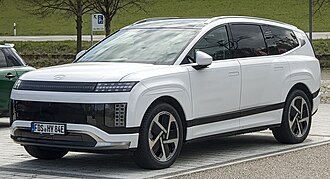
Hyundai Ioniq 9 as a Used Car: A Complete Buyer’s Guide
The Hyundai Ioniq 9 represents a major step forward in the electric SUV market. As Hyundai’s largest and most spacious electric vehicle, it combines the company’s advanced EV technology with the practicality of a three-row family SUV. While many electric vehicles focus on efficiency, performance, or compact urban mobility, the Ioniq 9 is designed for a different purpose: providing long-distance comfort, premium features, and enough interior space for larger families.
Although the Ioniq 9 is still a relatively new model, it will eventually become an increasingly interesting option on the used-car market. Buyers searching for a second-hand electric SUV will likely appreciate its combination of range, charging capability, modern technology, and practicality. Like any used electric vehicle, however, purchasing a pre-owned Ioniq 9 requires careful consideration of battery condition, equipment levels, software updates, warranty coverage, and overall vehicle history.
For drivers who want an electric SUV capable of replacing a traditional large family vehicle, the Hyundai Ioniq 9 could become one of the most attractive used EV choices available. This guide examines what makes the Ioniq 9 special, what buyers should expect from ownership, and what to check before purchasing one.
Hyundai Ioniq 9 Overview: Hyundai’s Flagship Electric SUV
The Hyundai Ioniq 9 is the largest member of Hyundai’s dedicated Ioniq electric vehicle lineup. Built on the same E-GMP platform used by other Hyundai and Kia electric models, it expands the capabilities of the architecture by offering a much larger body, a bigger battery pack, and seating for up to seven passengers depending on configuration.
Unlike smaller electric SUVs that prioritize city driving, the Ioniq 9 is designed as a premium family vehicle capable of handling long-distance travel. Its spacious cabin, advanced comfort features, and impressive driving range place it in competition with larger electric SUVs from both mainstream and luxury manufacturers.
The design follows Hyundai’s latest electric vehicle philosophy, combining smooth aerodynamic surfaces with a futuristic appearance. Despite its large size, the Ioniq 9 uses carefully shaped bodywork to improve efficiency and reduce energy consumption. The result is an SUV that aims to deliver practical space without sacrificing the advantages of electric mobility.
For used-car buyers, the Ioniq 9 offers the opportunity to own one of Hyundai’s most technologically advanced vehicles while potentially avoiding the highest initial depreciation that affects many new electric cars.
Why Consider a Used Hyundai Ioniq 9?
Spacious Interior and Family-Friendly Design
The biggest advantage of the Hyundai Ioniq 9 is its interior space. Many electric vehicles provide excellent technology but compromise on practicality because of battery packaging or smaller body dimensions. The Ioniq 9 takes a different approach by using its dedicated EV platform to maximize cabin room.
The long wheelbase creates generous passenger space across multiple seating rows. Depending on configuration, the SUV can accommodate six or seven passengers, making it suitable for families who would otherwise consider large petrol or hybrid SUVs. The flat cabin floor, made possible by the electric architecture, improves flexibility and allows Hyundai to create a more open interior environment.
Second-row passengers benefit from excellent legroom, while higher trim versions may include advanced comfort features such as reclining seats, premium materials, and additional convenience functions. The third row is designed to be more usable than in many traditional SUVs, making the Ioniq 9 a realistic option for families who frequently carry additional passengers.
For buyers considering a used electric SUV, practicality is one of the strongest reasons to choose the Ioniq 9 over smaller alternatives.
Long Driving Range and Efficient Electric Performance
Range is one of the most important factors when choosing a used electric vehicle, and the Hyundai Ioniq 9 is designed to perform strongly in this area. Its large battery capacity allows it to travel significant distances between charges, making it suitable for highway journeys and family vacations.
The efficiency advantage of electric vehicles becomes particularly valuable in a large SUV. Traditional large SUVs often consume significant amounts of fuel, especially during highway driving. The Ioniq 9 offers a quieter and more economical alternative, with lower energy costs and fewer mechanical components requiring maintenance.
Different versions are expected to provide different performance characteristics. Rear-wheel-drive models are likely to focus on efficiency and maximum range, while all-wheel-drive versions offer additional traction and stronger acceleration. This gives used buyers the ability to choose a version that matches their priorities.
Driving Experience and Comfort
Smooth, Quiet, and Relaxing Performance
The Hyundai Ioniq 9 is designed primarily as a comfortable cruiser rather than a sporty SUV. Electric vehicles naturally provide smooth acceleration because power delivery from the electric motor is immediate and consistent. In the Ioniq 9, this characteristic is combined with a suspension system designed to provide a refined driving experience.
The absence of a traditional combustion engine significantly reduces vibration and noise. At highway speeds, the quiet cabin helps create a premium atmosphere, especially on longer journeys. This makes the Ioniq 9 particularly appealing for families who spend many hours on the road.
The driving position is elevated, providing good visibility and confidence in traffic. Despite its size, electric power assistance and modern driver assistance systems help make the vehicle easier to handle than its dimensions might suggest.
Advanced Technology and Driver Assistance
Technology is a major part of the Ioniq 9 experience. As a flagship Hyundai model, it includes a wide range of digital features designed to improve safety, convenience, and connectivity.
Large displays, smartphone integration, advanced navigation functions, and over-the-air software updates are expected to be key features. Driver assistance technology can help reduce fatigue during longer journeys through systems such as adaptive cruise control, lane assistance, and parking assistance features.
When buying a used Ioniq 9, checking that all software updates have been installed is important. Modern electric vehicles increasingly rely on software improvements to enhance efficiency, improve reliability, and introduce new features after purchase.
Battery Technology and Reliability
Battery Health in a Used Hyundai Ioniq 9
Battery condition is one of the most important considerations when purchasing any used electric vehicle. The Hyundai Ioniq 9 uses advanced lithium-ion battery technology with sophisticated thermal management designed to maintain performance and protect long-term durability.
Electric vehicle batteries generally experience gradual capacity loss over time, but modern systems are designed to remain usable for many years. Buyers should still request information about battery condition, previous charging habits, and warranty coverage.
A vehicle that has been properly maintained, regularly updated, and charged responsibly is more likely to provide strong long-term performance. A professional inspection can help identify potential battery or charging system concerns before purchase.
Lower Maintenance Costs Compared With Traditional SUVs
One of the strongest financial advantages of the Hyundai Ioniq 9 as a used car is reduced maintenance. Electric vehicles have fewer moving parts compared with combustion-engine vehicles. There is no engine oil, exhaust system, traditional gearbox, or many of the components associated with petrol and diesel engines.
Routine maintenance typically focuses on tires, brakes, cabin filters, suspension components, and software-related servicing. Regenerative braking also helps reduce brake wear because the electric motor assists with slowing the vehicle.
For families replacing a large petrol SUV, the savings in fuel and maintenance costs can make the Ioniq 9 significantly cheaper to operate over several years.
What to Check Before Buying a Used Hyundai Ioniq 9
Because the Ioniq 9 is a technologically advanced vehicle, a careful inspection is essential before purchase. Buyers should begin by reviewing the vehicle history, including service records, accident reports, and previous ownership information.
Battery health should be checked through diagnostic tools or an authorized service center. The charging system should also be tested, including both AC charging and DC fast charging functions. Charging problems can be expensive to repair, so confirming proper operation is important.
The condition of the interior should also be carefully examined, especially in vehicles used by larger families. Check the operation of all seats, screens, climate controls, cameras, and electronic features. A premium electric SUV contains many complex systems, and ensuring everything works correctly can prevent unexpected repair costs.
Buyers should also compare different versions of the Ioniq 9. Higher trim levels may include valuable equipment such as premium audio systems, advanced safety technology, improved interior materials, and additional comfort features. However, a lower trim with the larger battery may provide better value for buyers focused primarily on range and practicality.
Hyundai Ioniq 9 Used Market Expectations
As the Ioniq 9 becomes available as a used vehicle, depreciation will play an important role in determining its value. Electric vehicles often experience noticeable price reductions after their first years of ownership, creating opportunities for second-hand buyers.
The most attractive used examples are likely to be vehicles with low mileage, remaining factory warranty coverage, complete service records, and desirable equipment packages. Since large electric SUVs remain relatively uncommon, well-maintained Ioniq 9 models could maintain strong demand among families looking for efficient transportation.
Buyers should focus on overall condition rather than simply searching for the lowest price. A slightly more expensive vehicle with better battery health, stronger equipment, and a documented history is usually the better long-term investment.
Final Verdict: Is the Hyundai Ioniq 9 a Good Used Car?
The Hyundai Ioniq 9 has the potential to become one of the most appealing used electric SUVs on the market. It combines the advantages of electric driving with the practicality that many families need but that smaller EVs cannot provide.
Its strongest qualities are its spacious interior, impressive range, fast charging capability, quiet driving experience, and low running costs. It offers a realistic alternative to large petrol SUVs while providing the benefits of modern electric technology.
The main considerations are its size and complexity. Buyers must ensure that the battery, charging system, and electronic features are in excellent condition before purchasing. However, for those who need a large family vehicle and want to move to electric mobility, a used Hyundai Ioniq 9 could represent an excellent balance of comfort, technology, and practicality.
As the electric vehicle market continues to mature, models like the Ioniq 9 demonstrate that EVs are no longer limited to small cars or performance-focused models. A carefully chosen used Ioniq 9 can provide years of efficient, comfortable, and environmentally friendly transportation.
Hyundai Ioniq 9 Technical Specifications
| Specification | Hyundai Ioniq 9 |
|---|---|
| Vehicle type | Large electric SUV |
| Platform | Hyundai E-GMP dedicated EV platform |
| Production start | 2025 |
| Body style | Three-row SUV |
| Seating capacity | Up to 7 passengers (configuration dependent) |
| Battery type | Lithium-ion battery pack |
| Battery capacity | Approximately 110 kWh |
| Drive options | Rear-wheel drive and all-wheel drive |
| Motor configuration | Single motor or dual motor |
| Maximum power output | Up to approximately 320 kW (AWD version) |
| Maximum torque | Up to approximately 700 Nm (performance versions) |
| Driving range | Up to approximately 600 km (WLTP, version dependent) |
| 0–100 km/h acceleration | Approximately 5 seconds (higher-performance versions) |
| Charging system | 800-volt fast charging architecture |
| DC fast charging | Up to approximately 350 kW charging capability |
| AC charging | Up to approximately 11 kW |
| Battery thermal management | Liquid-cooled system |
| Vehicle length | Approximately 5,060 mm |
| Width | Approximately 1,980 mm |
| Wheelbase | Approximately 3,130 mm |
| Cargo capacity | Multiple configurations depending on seating layout |
| Suspension | Independent suspension system |
| Driver assistance | Advanced Hyundai SmartSense safety systems |
| Main competitors | Kia EV9, Tesla Model X, Mercedes-Benz EQB/EQS SUV, Volvo EX90 |
