Tour Montparnasse
Tour Montparnasse: A Controversial Marvel Shaping Parisian Skyline
In the heart of Paris, a city known for its iconic architecture and timeless beauty, Tour Montparnasse stands as a strikingly modern and, at times, controversial landmark. This skyscraper, rising above the historic cityscape, has left an indelible mark on the Parisian skyline. Tour Montparnasse is more than just a building; it is a symbol of architectural boldness, urban development, and the ongoing dialogue between tradition and modernity.
Architectural Controversy:
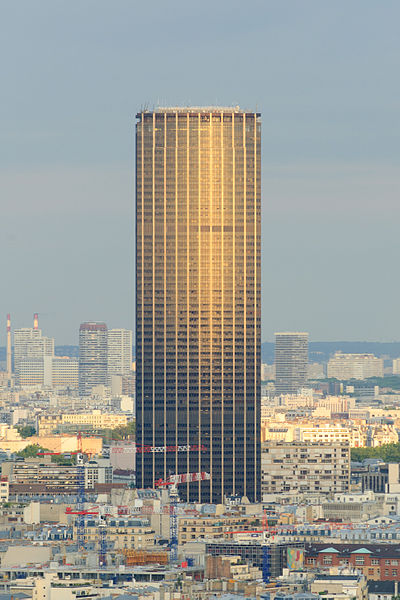
Completed in 1973, Tour Montparnasse was envisioned as a testament to Paris’s modern ambitions. However, its stark contrast to the surrounding Haussmannian architecture, characterized by low-rise buildings with ornate facades, stirred controversy and public outcry. The tower’s imposing height and monolithic appearance sparked debates about the preservation of Paris’s historic charm.
Design Features:
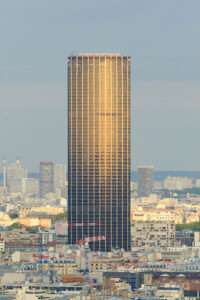
Tour Montparnasse stands at 210 meters, making it the tallest skyscraper within the city limits of Paris. The tower’s design, attributed to architects Eugène Beaudouin, Urbain Cassan, and Louis de Hoÿm de Marien, features a simple and sleek exterior characterized by dark-tinted glass and a monolithic structure. Despite its initial backlash, some admire its minimalist aesthetic and the panoramic views it offers from its observation deck.
Panoramic Views:
One of Tour Montparnasse’s redeeming features is its observation deck, located on the 56th floor. Visitors can experience breathtaking panoramic views of Paris, including iconic landmarks like the Eiffel Tower, Notre-Dame Cathedral, and the Louvre Museum. The observation deck has become a popular destination, providing a unique perspective of the city and helping to mend the tower’s initially strained relationship with Parisians.
Integration with the City:
In recent years, efforts have been made to integrate Tour Montparnasse more harmoniously into its urban context. Proposals for renovations and alterations seek to soften the tower’s visual impact and enhance its relationship with the surrounding neighborhood. These initiatives reflect a broader movement in cities worldwide to balance modern development with the preservation of historical character.
Functionality:
Beyond its visual impact, Tour Montparnasse serves practical purposes. The tower houses office spaces, commercial areas, and a restaurant, contributing to the dynamic urban fabric of the Montparnasse district. Its strategic location makes it a hub of business activity and an essential element of the city’s economic landscape.
Cultural Impact:
Tour Montparnasse, with its complex history and architectural identity, has become a cultural touchstone in Paris. Its controversial legacy has sparked ongoing discussions about the city’s approach to urban development and the delicate balance between tradition and modernity. The tower’s resilience amid criticism underscores its significance as a symbol of Paris’s determination to evolve while preserving its cultural heritage.
Conclusion:
Tour Montparnasse stands as a testament to Paris’s willingness to embrace architectural experimentation, even in the face of controversy. As the city continues to evolve, this skyscraper remains an enduring element of the Parisian skyline, prompting reflection on the intersection of tradition and modernity. Whether appreciated for its panoramic views or debated for its visual impact, Tour Montparnasse remains a captivating chapter in the ongoing story of Paris’s architectural evolution.
Author: King of Hearts