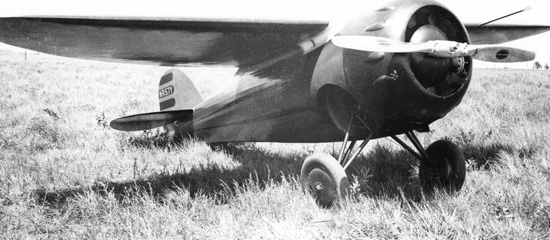
Cessna CR-3
The Cessna CR-3 represents a significant milestone in the early history of Cessna aircraft and the broader landscape of aviation. Developed in the 1930s, the CR-3 was a single-seat racing aircraft designed to compete in the prestigious National Air Races, an event that showcased the latest advancements in aviation technology and prowess. Built with speed and agility in mind, the CR-3 featured a sleek and aerodynamic fuselage, low-wing monoplane configuration, and a powerful engine, all aimed at achieving maximum performance in competitive air racing.
Powered by a Warner Scarab radial engine delivering 110 horsepower, the Cessna CR-3 exhibited impressive speed and maneuverability, characteristics crucial for success in air racing competitions. With its streamlined design and lightweight construction, the CR-3 pushed the boundaries of aviation engineering during its time, showcasing Cessna’s commitment to innovation and excellence. Its participation in the National Air Races brought both recognition and acclaim to Cessna, establishing the company as a formidable force in the aviation industry and laying the groundwork for future successes.
While the Cessna CR-3 had a relatively short racing career, its impact on aviation history was profound. The lessons learned from designing and piloting the CR-3 influenced the development of subsequent Cessna aircraft, including models designed for civilian and military applications. The CR-3’s legacy endures through its contributions to the advancement of aeronautical engineering and its representation of Cessna’s early pioneering spirit. Today, restored examples of the CR-3 serve as cherished artifacts, reminding aviation enthusiasts of the daring feats and technological innovations that shaped the early days of powered flight.
Cessna CR-3 parameters
