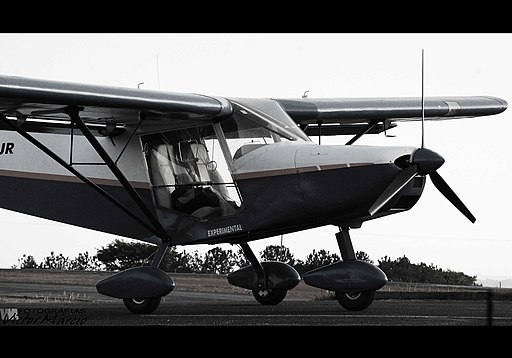
Aero Bravo 700
The Aero Bravo 700 is a sleek, state-of-the-art aircraft designed for both commercial and private aviation markets. Its advanced aerodynamics and cutting-edge technology make it a standout in its class, combining speed, efficiency, and luxury. With a top cruising speed of 700 knots and a range of over 3,000 nautical miles, it offers unparalleled performance for long-haul flights, making it ideal for global travel. The aircraft’s design incorporates the latest advancements in composite materials, which contribute to its lightweight yet robust structure, enhancing both fuel efficiency and overall safety.
Inside, the Aero Bravo 700 is a testament to modern luxury and comfort. The cabin features customizable seating arrangements, state-of-the-art entertainment systems, and advanced climate control, ensuring a pleasant experience for all passengers. The interior design focuses on spaciousness and elegance, with high-quality materials and finishes that cater to both business and leisure travelers. The quiet, pressurized cabin allows for a relaxed atmosphere, minimizing the effects of jet lag and providing a serene environment for working or unwinding during the flight.
The aircraft’s avionics and control systems represent the pinnacle of modern engineering. Equipped with the latest fly-by-wire technology and a fully integrated glass cockpit, the Aero Bravo 700 offers exceptional maneuverability and ease of handling. The advanced autopilot system and real-time data analytics enhance safety and operational efficiency, providing pilots with comprehensive information and intuitive controls. These innovations contribute to a smoother flight experience, reducing pilot workload and allowing for greater precision in navigation.
In terms of operational efficiency, the Aero Bravo 700 is designed with a focus on reducing environmental impact. It utilizes advanced engine technologies that lower emissions and optimize fuel consumption, aligning with current trends towards greener aviation solutions. Additionally, the aircraft’s maintenance requirements are minimized through the use of durable components and smart diagnostics systems. This combination of efficiency and sustainability not only benefits operators but also contributes to the broader goal of reducing aviation’s carbon footprint.
Aero Bravo 700 parameters
