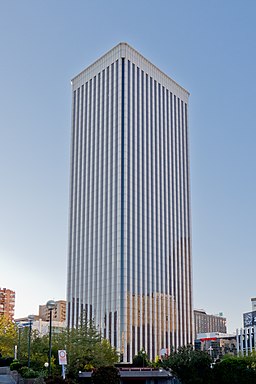
Torre Picasso
Torre Picasso: A Landmark in Madrid’s Urban Skyline
Torre Picasso, located in the heart of Madrid’s financial district, is one of the city’s most iconic skyscrapers. As one of the tallest buildings in Spain and a central feature of the Castellana area, it represents the evolution of Madrid’s architectural landscape. With its striking design, towering presence, and prominent location, Torre Picasso has become an essential part of the city’s identity. The tower is not just a feat of engineering but a symbol of Madrid’s growth, its position as a global financial center, and its embrace of modern urban development.
In this article, we will delve into the history, architectural design, and cultural significance of Torre Picasso, exploring how it has shaped both the city’s skyline and its place in Spain’s economic and cultural landscape.
The Genesis of Torre Picasso: A Vision for a Modern Madrid
The idea of constructing Torre Picasso was born in the 1980s, during a time when Madrid was undergoing significant changes. The city was emerging as a vibrant business hub and sought to create a modern financial district that could compete with other major European capitals. Located along the bustling Paseo de la Castellana, the area had already begun to attract the interest of developers and investors, but a flagship skyscraper was needed to make a bold statement about the city’s global ambitions.
Torre Picasso was developed by the Grupo Villar Mir, one of Spain’s leading construction and real estate companies, and was designed by renowned architect Minoru Yamasaki, best known for his work on the World Trade Center in New York City. The tower was meant to be both a corporate headquarters and a visual representation of Madrid’s rise as a financial and economic powerhouse. At the time, it was the tallest building in Spain, standing at 157 meters (515 feet) tall, and remains one of the most recognized structures in the capital.
Construction of Torre Picasso began in 1988 and was completed in 1992, just in time for the Barcelona Olympics and Spain’s ongoing modernization in the post-Franco era. The timing was pivotal, as it coincided with a period of rapid economic growth and urban development in Spain. The tower’s completion helped define Madrid’s financial district and catalyzed further development in the area.
Architectural Design: A Sleek and Modern Tower
Torre Picasso’s design is a striking example of late 20th-century corporate architecture. At its core, the building reflects the aesthetic principles that Minoru Yamasaki employed in his other notable works, particularly the World Trade Center. However, Torre Picasso is also uniquely tailored to the Madrid context, with careful consideration given to the local environment, both in terms of its visual impact and its functionality.
The most striking aspect of the building is its tapered form. The tower is composed of two main sections: a square base that gradually narrows as it rises, giving the structure a sleek and streamlined appearance. The tapering design is not just for aesthetic appeal but also helps reduce the building’s wind load, which is particularly important for skyscrapers in urban environments.
The tower’s façade is made of glass and aluminum, contributing to its modern look. The glass panels that cover the exterior allow for an abundance of natural light to enter the building, providing both aesthetic and practical benefits. The reflective surface of the glass gives Torre Picasso a shimmering effect, particularly during the day when the sunlight plays off the building’s surface, creating dynamic reflections on the surrounding streets. At night, the tower becomes a glowing presence, illuminating the Madrid skyline.
At the top of Torre Picasso is a series of pyramid-shaped setbacks, which enhance the tower’s sleek, tapering profile. These setbacks are designed to give the building a more elegant and fluid silhouette, and they are a nod to the modernist design principles that dominated the late 20th century. This pyramidal form also provides visual interest and breaks the monotony of traditional high-rise designs, giving Torre Picasso a distinctive, recognizable shape.
The interior of the building was designed to cater to corporate tenants, with open office spaces and modern amenities. The tower’s design was intended to foster a sense of collaboration and productivity, offering flexible office layouts that could be easily adapted to the needs of different companies. The spacious floors provide breathtaking views of Madrid, particularly from the higher levels, where the panoramic vistas encompass not just the city center but also the nearby Sierra de Guadarrama mountain range.
The Functionality and Use of Torre Picasso
Torre Picasso was designed primarily as a corporate office building, and it has since become home to a range of high-profile tenants, including national and international companies. Over the years, it has housed offices for several financial institutions, law firms, and multinational corporations, reinforcing its status as a business hub.
The building has a total of 43 floors above ground and several below, offering office space that can be customized to accommodate the needs of a diverse range of industries. The floor area of the building is approximately 56,000 square meters, making it one of the largest office buildings in Madrid. In addition to its office space, Torre Picasso is home to amenities such as a fitness center, restaurants, and conference rooms, all designed to provide a comfortable and productive environment for its tenants.
The tower’s central location along the Paseo de la Castellana places it at the heart of Madrid’s financial and commercial district. This strategic position has made Torre Picasso a desirable location for businesses looking to establish a prestigious address in the city. The building’s proximity to major transport links, including Madrid’s Chamartín railway station and the Alcobendas business area, also adds to its appeal for companies with international connections.
Torre Picasso and Madrid’s Economic Growth
Torre Picasso has played a crucial role in the economic development of Madrid. As one of the tallest and most prominent buildings in Spain, it has served as a symbol of Madrid’s emergence as a global financial and business center. The tower’s completion coincided with a period of economic modernization in Spain, following the country’s transition to democracy and its entry into the European Union. Madrid, in particular, became a focal point for business, finance, and commerce, and Torre Picasso quickly became a landmark in the city’s new identity.
In the early 1990s, Madrid was undergoing a profound transformation, and the construction of modern skyscrapers like Torre Picasso marked a shift from the city’s traditional, low-rise architecture to a more international, corporate skyline. The tower symbolized the city’s ambition to become an important financial capital in Europe, attracting multinational companies and foreign investment.
Today, Torre Picasso is not just an office building but an integral part of Madrid’s identity. It remains one of the most recognized structures in the city, alongside other architectural landmarks such as the Royal Palace, the Puerta de Alcalá, and the Santiago Bernabéu Stadium. Its strategic location, aesthetic appeal, and historical significance have solidified its place in Madrid’s urban fabric.
Renovation and Modernization: A New Era for Torre Picasso
In recent years, Torre Picasso has undergone significant renovations to update its facilities and improve its sustainability. In 2021, the building’s ownership was transferred to Amancio Ortega’s Pontegadea, and the new owners embarked on a major renovation project aimed at modernizing the building and enhancing its appeal to contemporary businesses.
The renovation included updates to the lobby, office spaces, and facilities, incorporating state-of-the-art technology and improving the building’s environmental performance. These upgrades reflect the growing demand for sustainable buildings in Madrid and the wider global market, as companies and organizations increasingly prioritize sustainability in their real estate decisions.
The renovation also included the introduction of smart building technologies, including improved energy efficiency, better waste management, and the incorporation of renewable energy sources. The building now adheres to modern standards of environmental sustainability, reinforcing Madrid’s commitment to sustainability in its urban development.
Torre Picasso: A Legacy of Madrid’s Modernization
Torre Picasso stands as one of Madrid’s most enduring and recognizable symbols of modernity. It is not just a testament to the city’s ambition but also an embodiment of its evolving architectural, economic, and cultural landscape. Over the years, the tower has become a key part of Madrid’s skyline, serving as a center for business and commerce while also contributing to the city’s identity as a global metropolis.
As Madrid continues to grow and adapt to the challenges of the 21st century, Torre Picasso will remain a key fixture in the city’s skyline, representing the balance between innovation and tradition. Its enduring presence highlights the importance of sustainable urban development, economic growth, and the city’s role on the global stage.
Today, Torre Picasso is more than just a skyscraper — it is a milestone in Madrid’s transformation, a modern icon of the city’s rise as an international hub for business, finance, and innovation.
