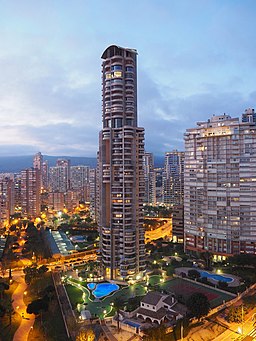
Neguri Gane
Neguri Gane: A Hidden Gem of Basque Architecture and Heritage
Nestled in the coastal town of Getxo, just outside Bilbao in Spain’s Basque Country, Neguri Gane is a remarkable and lesser-known architectural treasure that blends the grandeur of historical design with the charm of its scenic surroundings. Though it may not have the widespread fame of other iconic buildings in Spain, Neguri Gane is nonetheless a significant part of the local heritage, reflecting the cultural and architectural history of the region.
This private residence is not just an example of Basque architecture but also an embodiment of the social history of Getxo, a town known for its aristocratic origins and its growth into a fashionable seaside destination in the late 19th and early 20th centuries. Through its construction, design, and the role it plays in Getxo’s development, Neguri Gane stands as a testament to the elegance, wealth, and the evolution of the region’s architectural traditions.
In this article, we will explore the history, architecture, and cultural significance of Neguri Gane, shedding light on why this structure is a vital part of the Basque architectural landscape.
The Origins of Neguri Gane: A Reflection of Social and Economic Growth
The story of Neguri Gane begins at the turn of the 20th century, during a time when Getxo was undergoing significant social and economic changes. Historically, Getxo had been a small fishing village, but by the late 19th century, it was emerging as a favored destination for the Spanish elite and aristocracy. This transformation coincided with the industrial boom in Bilbao, where the port city began to flourish as a center for commerce, finance, and industry, largely due to the steel and iron industries. The upper classes, seeking respite from the bustling city, started to build summer residences along the coast of Getxo, a move that led to the construction of grand homes and mansions with views of the bay and the rugged coastline.
Neguri Gane was part of this architectural boom, built during this golden age of Getxo’s upper-class expansion. The house was constructed as a grand residence, reflecting the new wealth of the town’s aristocratic families. Its construction was part of a broader trend in Getxo, where lavish homes sprang up, many of them designed in the neo-Gothic or neo-Renaissance styles. The town became home to large villas, mansions, and townhouses, and Neguri Gane was among the most impressive of these residences.
Architectural Design: A Blend of Traditional and Modern Elements
Neguri Gane stands as an extraordinary example of late 19th and early 20th-century architecture, combining traditional Basque design elements with influences from various European styles, particularly the Gothic Revival and Renaissance Revival movements. While the building itself has been updated and renovated over time, much of its original design remains intact, offering a glimpse into the past.
The most striking feature of Neguri Gane is its tall, imposing façade, characterized by intricate stonework and a series of towers and gable roofs, which reflect the neo-Gothic influence. The building’s architecture is designed to emphasize verticality, with high walls and narrow windows, a common feature of Gothic-inspired designs. This creates a sense of elegance and majesty, adding to the home’s overall grandeur.
One of the standout elements of the house is its entrance portal, which features an elaborate stone arch with decorative carvings and motifs. The use of natural stone for the exterior further enhances the building’s connection to the surrounding landscape, blending the architecture harmoniously with the natural beauty of the Basque coastline.
Inside, Neguri Gane continues to impress with its spacious rooms, ornate wood paneling, and high ceilings, all hallmarks of the opulent designs favored by the wealthy classes of the period. Stained glass windows depict scenes of Basque culture, adding a local touch to the building’s aesthetic. The staircases are particularly noteworthy, with grand sweeping curves that lead to the upper floors, giving the home a sense of scale and drama befitting its social status.
The house is also surrounded by lush, well-maintained gardens, a feature that was particularly popular among the grand homes of Getxo during this era. These gardens offer views of the surrounding coastline and the city of Bilbao, emphasizing the residence’s position in the heart of nature while remaining close to the vibrant town center.
Neguri Gane and Getxo: The Historical Context
The construction of Neguri Gane took place during a time of great transformation in Getxo and its surroundings. The town’s growth into a summer retreat for the elite mirrored the rise of Bilbao as an industrial and commercial powerhouse. The wealthy families who settled in Getxo were primarily drawn from the industrialists, bankers, and merchants who had made their fortunes in the burgeoning port city of Bilbao.
As Getxo grew, it attracted more foreign influences, especially from the French and English aristocracy, who favored the town for its climate and proximity to the sea. Many of the grand villas that emerged in the late 19th and early 20th centuries were inspired by European architectural trends, but they also integrated local Basque traditions, creating a unique and distinctive style that can be seen in Neguri Gane.
Moreover, the elite residents of Getxo used their villas not only as places of leisure but also as statements of wealth, power, and cultural sophistication. Neguri Gane’s design reflects this aspiration, with its imposing size, elaborate detailing, and luxurious materials meant to showcase the status and refined taste of its original owners.
However, Getxo’s aristocratic charm began to change after the Spanish Civil War and the subsequent economic and political shifts in the country. Many of the mansions and grand homes, including Neguri Gane, shifted from being private residences to becoming hotels or even offices. Today, Neguri Gane remains a private property, but its historical significance is still evident in the neighborhood, where many of the nearby mansions still stand as a testament to Getxo’s aristocratic past.
Neguri Gane’s Role in the Basque Country’s Heritage
While not as widely recognized as other landmarks in Spain, Neguri Gane plays a significant role in preserving the architectural and social history of the Basque Country. The building’s combination of modern European architectural styles with traditional Basque elements provides an insightful look into the region’s adaptation to broader European trends, all while maintaining a local identity.
For locals and those familiar with the region, Neguri Gane is part of Getxo’s cultural heritage, representing a time when the town was at the peak of its social and economic development. The residence contributes to the historic fabric of Getxo, a town that today blends its aristocratic past with modern life, maintaining a reputation as an affluent residential area while also being a popular destination for tourists.
The building also represents the Basque Country’s evolution from a rural, agricultural society to a more industrialized, urbanized region. This shift was reflected in the town’s changing landscape, where grand mansions like Neguri Gane stood as symbols of the new industrial elite.
Conclusion: Neguri Gane as a Reflection of Basque Culture and Elegance
Neguri Gane is a hidden gem of Basque architecture, offering a glimpse into a bygone era when Getxo was a retreat for Spain’s aristocracy. Its striking design, blending Gothic Revival and Renaissance influences with local traditions, is an example of how architectural styles can evolve and adapt to regional preferences while remaining rooted in European trends. Through its design and function, Neguri Gane represents the economic prosperity and social stature of Getxo at the turn of the 20th century, making it a lasting symbol of the town’s past.
Though not widely known outside of the region, Neguri Gane’s significance to Getxo’s architectural legacy is undeniable. As a residence that reflects the wealth and cultural sophistication of the time, it is a beautiful and meaningful example of the historical development of the Basque Country, merging the old with the new while maintaining a connection to the surrounding environment. Today, it continues to stand as a reminder of the region’s aristocratic history, offering a unique window into the cultural richness of Getxo and the Basque Country as a whole.
